This Area's Housing
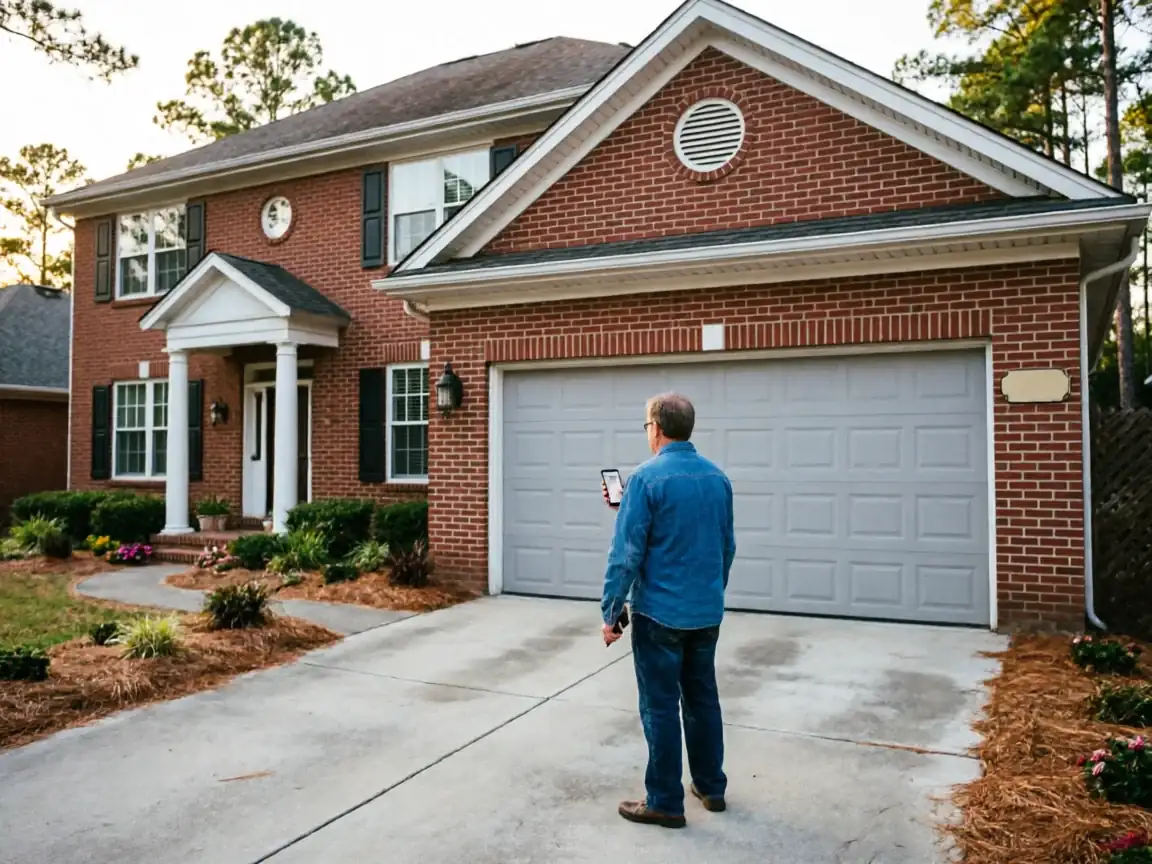
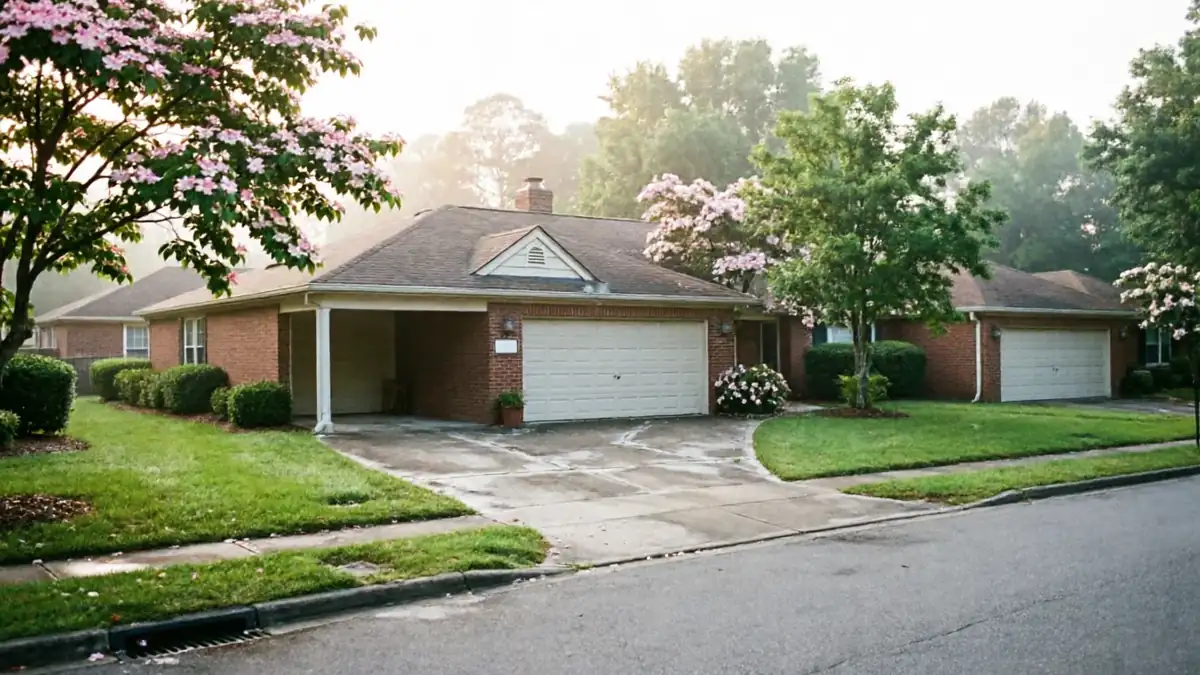
Scottdale sits about 10 miles from our shop in Norcross, and the housing stock here skews newer than a lot of the territory we cover. The median build year across our wider service area is 1977, with most of that stock going up in the 1960s and 70s. Scottdale runs later than that - median year built here is 1984. That gap matters more than it sounds like it should.
A door installed in 1984 is a different animal than one from 1968. By the mid-80s, most garage doors shipped with extension or torsion springs matched to lighter steel panels and factory-set openers, not the heavier wood-look doors and retrofitted openers common in older stock nearby. With roughly 3,750 households in Scottdale, we see a fairly consistent generation of doors and openers rather than the mixed bag of eras you find in older pockets of the territory.
The area also runs a bit higher on income than the service-area median of $73,075 - Scottdale's median household income is $82,778. That tends to show up in the kind of doors we're asked to replace, not just repair: more insulated steel and composite doors, fewer bare single-layer panels.
How We Get to You
We run out of Norcross, and Scottdale is about 10 miles out - not a town we're based in, a town we drive to. That's worth being upfront about: if your spring snaps at 7am, we're loading the truck in Norcross first, not already parked around the corner.
Scottdale sits in the cluster of communities inside roughly a 10-mile ring from our shop, alongside places like Clarkston and Stone Mountain, which also fall at the 9 and 10-mile marks. We mention that because it's the honest version of "service area" - we're not pretending to have a depot on your street, we're telling you how far the truck actually travels before it gets to your driveway.
We don't publish a guaranteed arrival window here, because traffic and the rest of the day's calls both affect it. What we can tell you is that Scottdale is well within the distance we drive regularly, not an edge case we squeeze in once a month.
What the Housing Means for Your Door
Because Scottdale's housing centers on 1984 rather than the 1960s-70s stock that dominates much of our coverage area
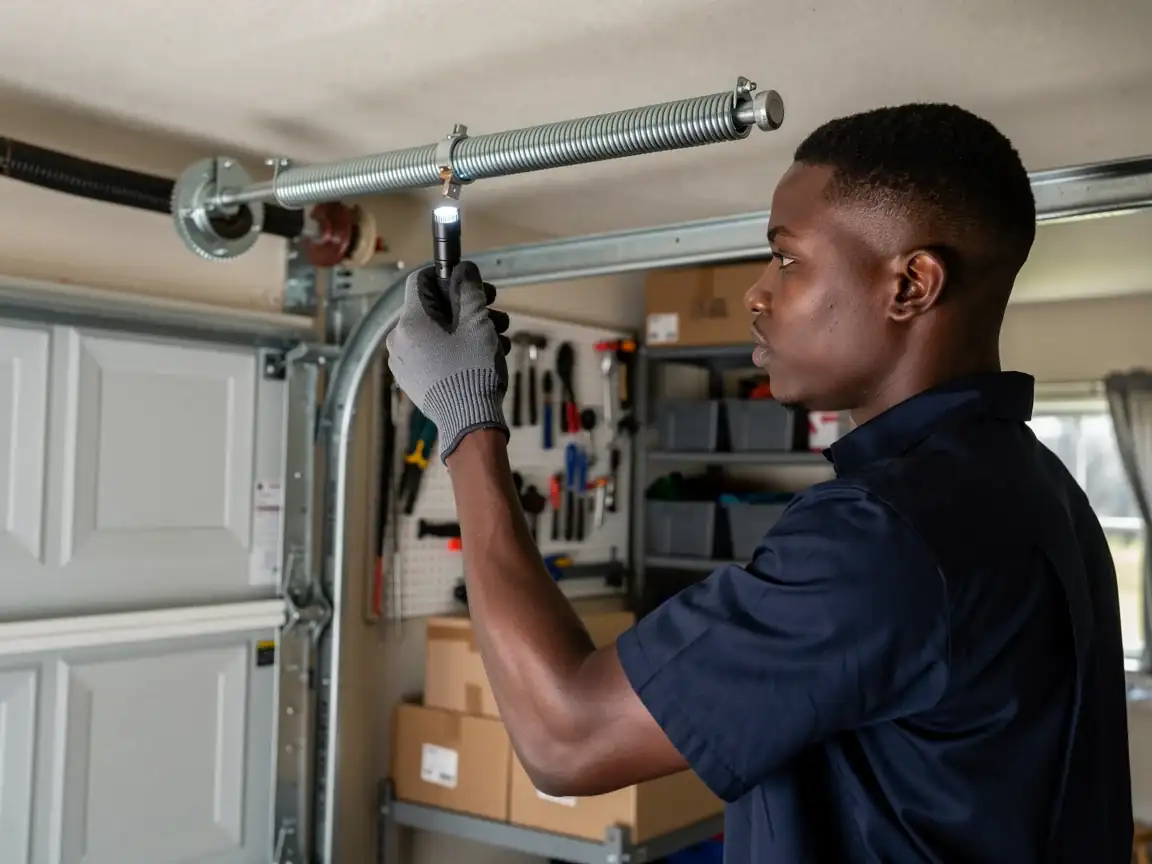
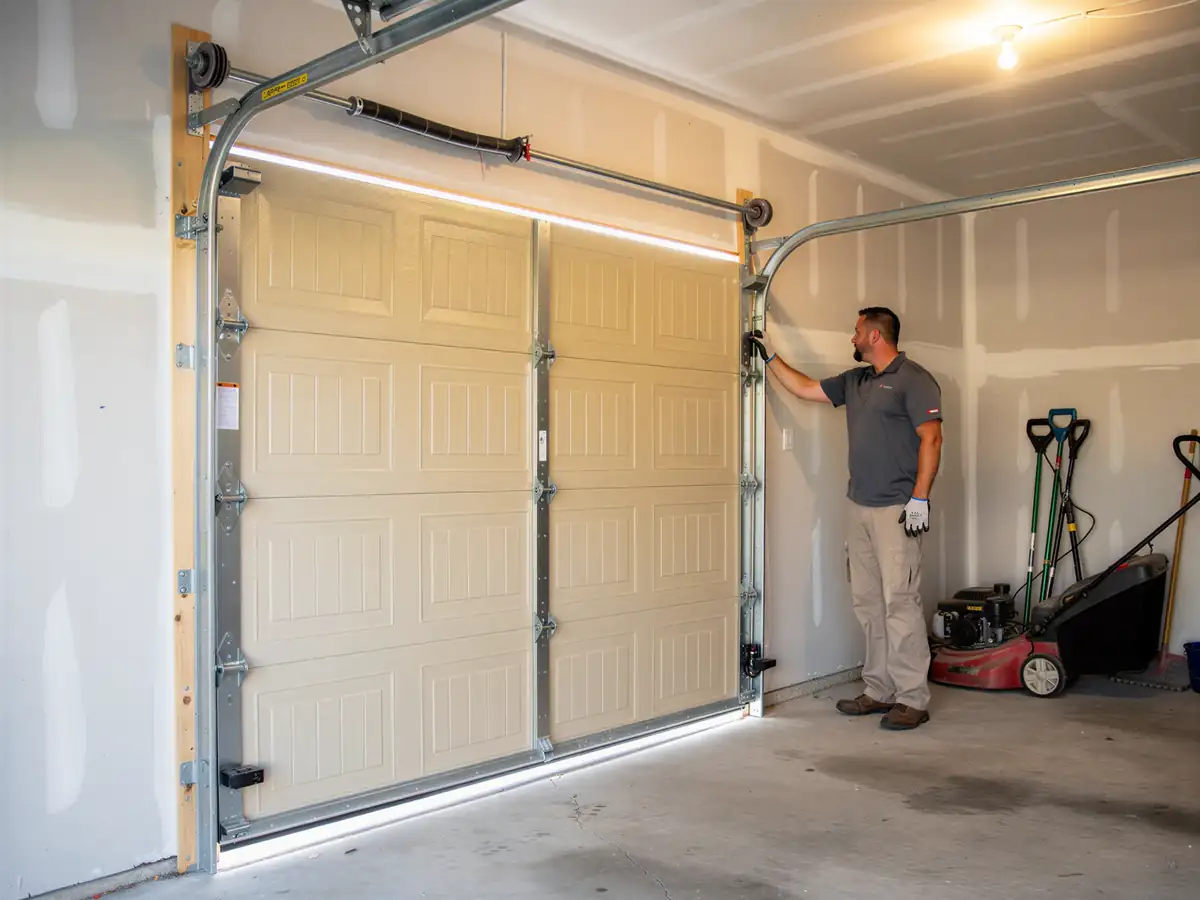
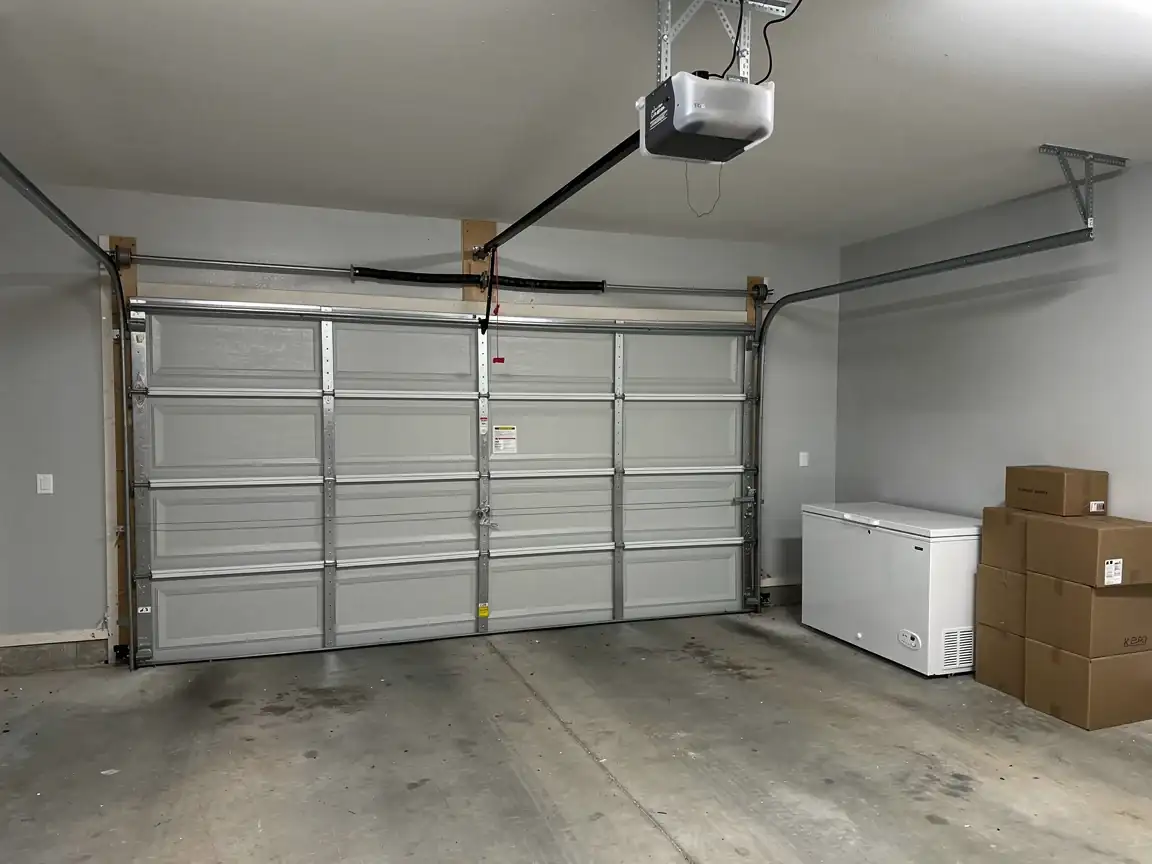
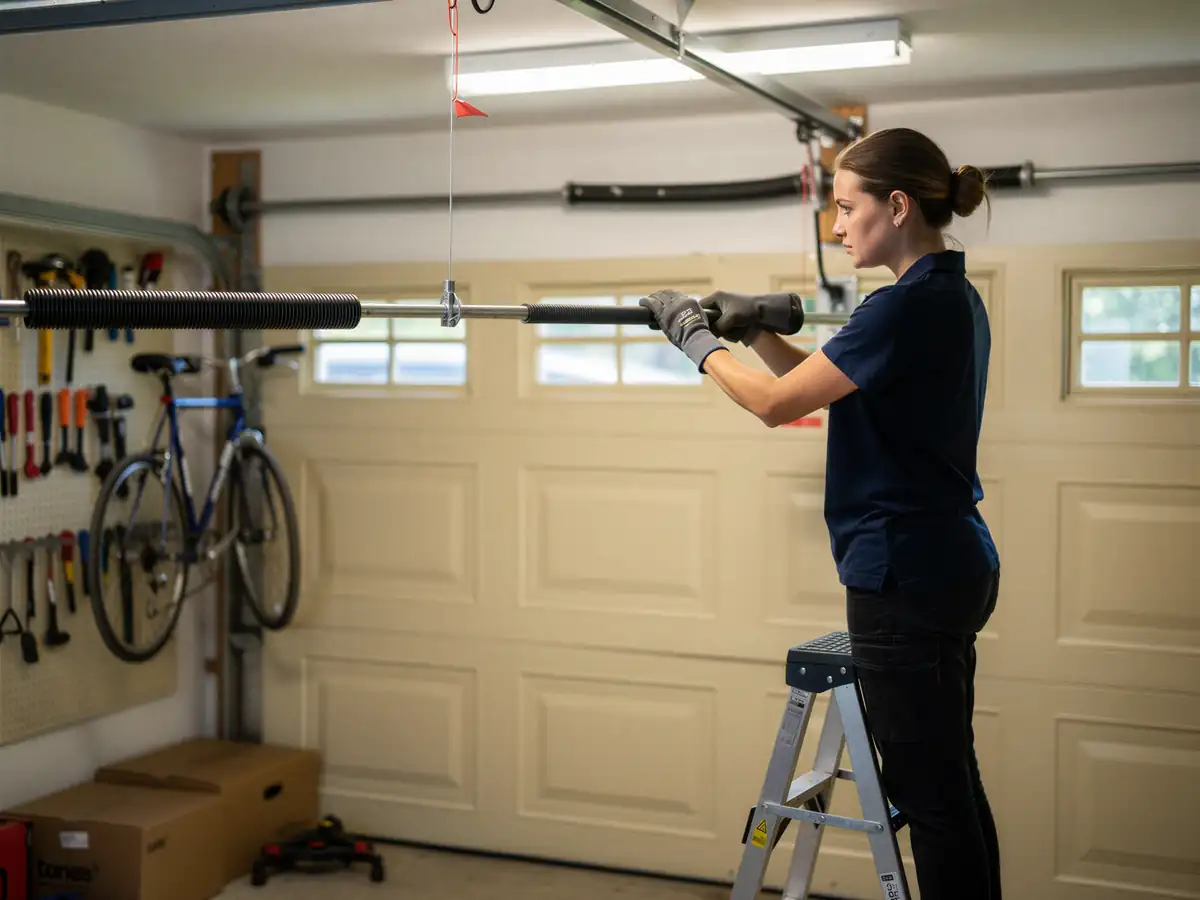
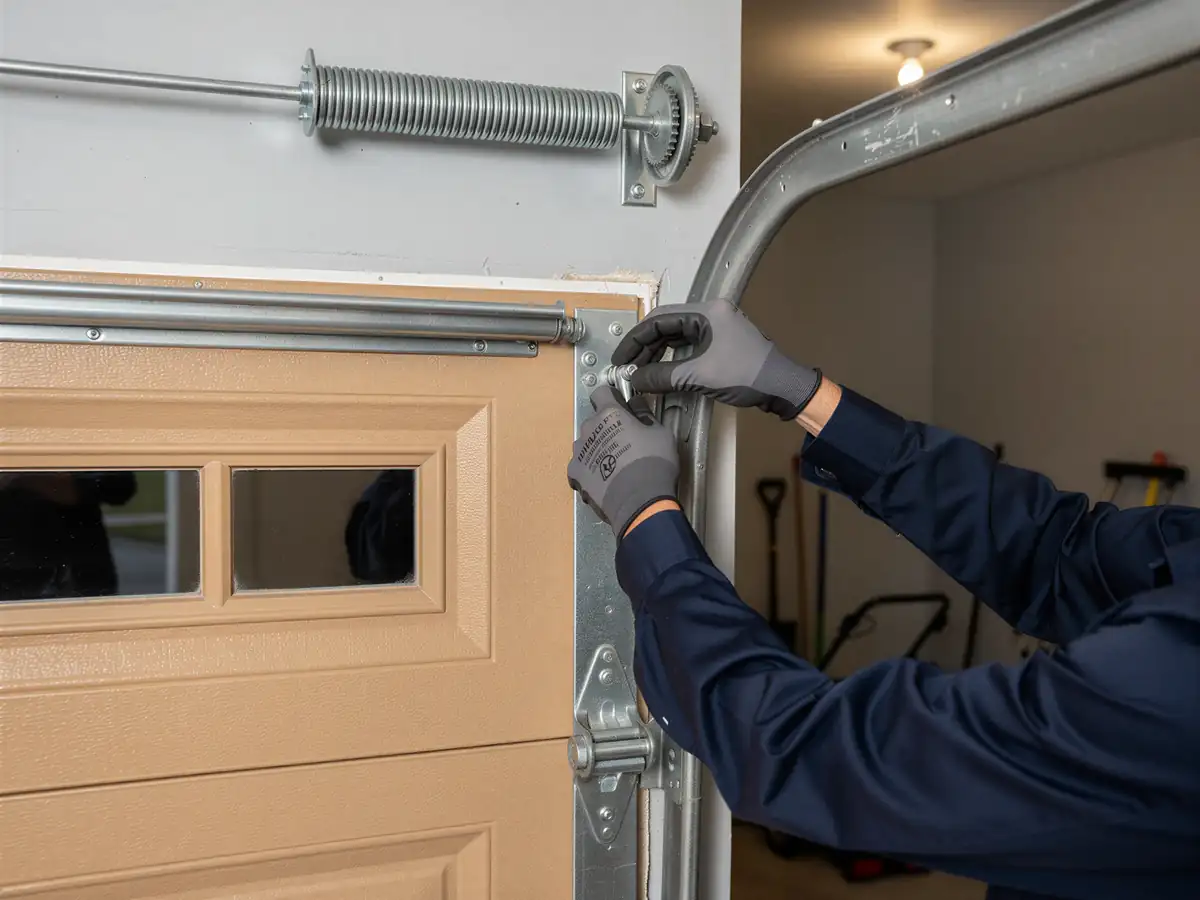
The common failures run differently here. Doors from this era typically carry torsion springs on a standard headroom track, not the side-mounted or low-headroom setups you'll find on older one-piece doors elsewhere. That means parts availability is usually better - standard torsion hardware from the 80s onward is still a stocked size, where older low-headroom tracks sometimes aren't.
What does fail at this age
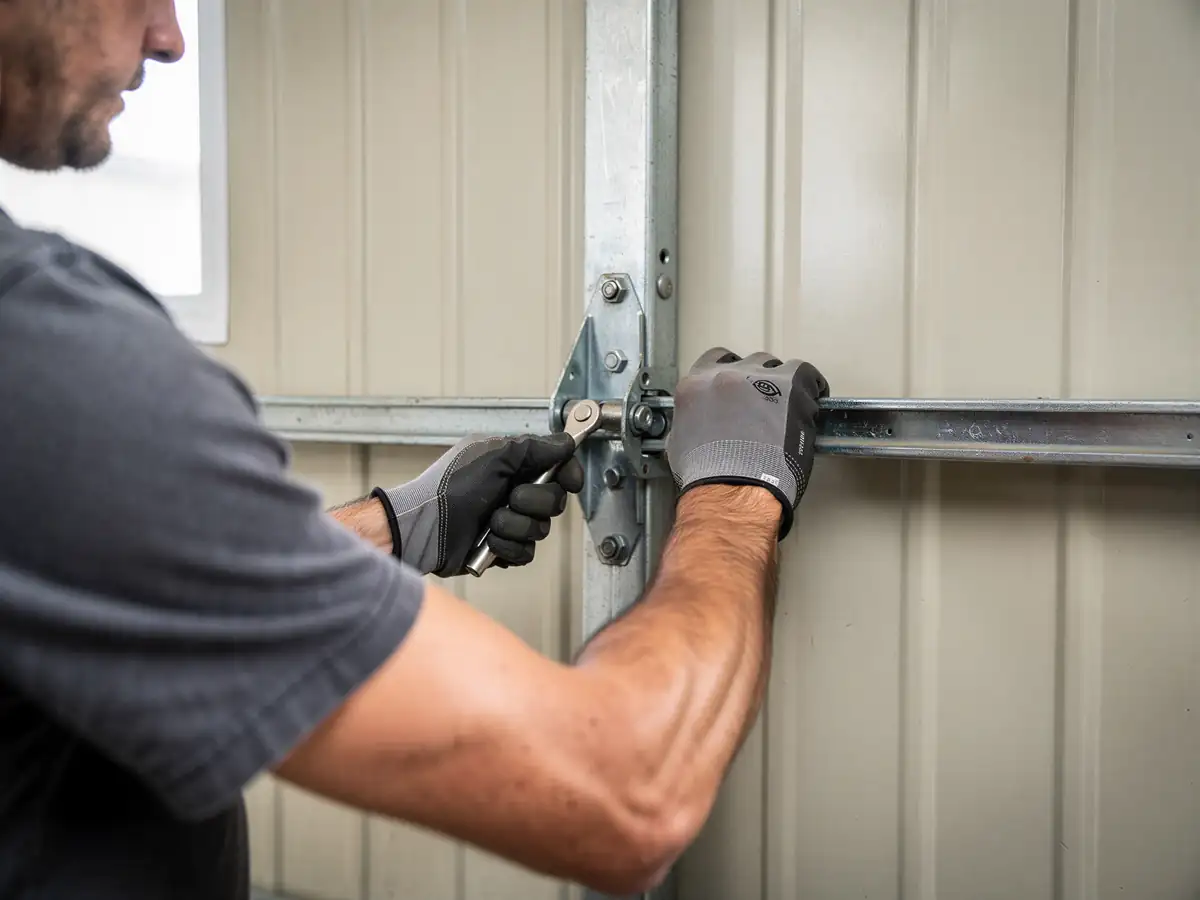
Nylon rollers that were never upgraded, original openers with worn gears or drive screws, and torsion springs that have simply cycled out after three-plus decades of use. We also see weatherstripping and bottom seals that have hardened past the point of sealing, which matters more here given the area sits in a cold-moderate climate band - winter swings are enough to make a bad seal noticeable on the heating bill, not just a draft.
Doors on 1980s-built garages are also more likely to have been upgraded once already
A replacement opener bolted onto original track, or a new door hung on old hardware. That mismatch is one of the first things we check.
What We Do Not Do
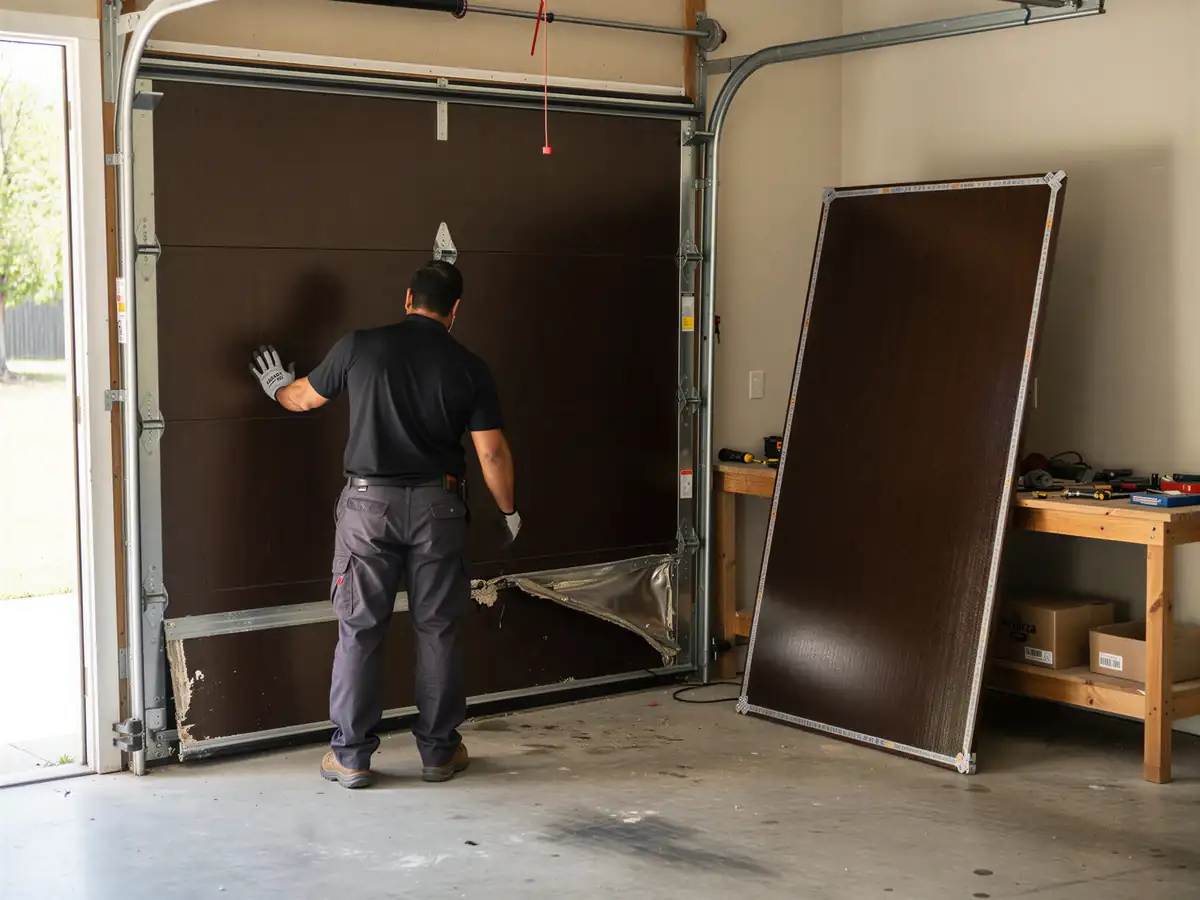
We don't stock every opener brand or every spring size on the truck for every call - if your door uses an older, less common torsion spring size that's no longer standard, that part may need to be ordered rather than installed same-visit. We also don't recommend repairing a door that's cracked through a panel or badly rusted at the bottom section just to save the springs; past a certain point, patching a damaged door costs more over time than replacing it.
We're not a 24-hour dispatch service, and we don't claim a fixed response time for Scottdale calls - we're driving from Norcross, and how fast we get there depends on the day. If you need an emergency same-hour fix, we'd rather tell you that upfront than promise something we can't back up on a given afternoon.