The DIY Question
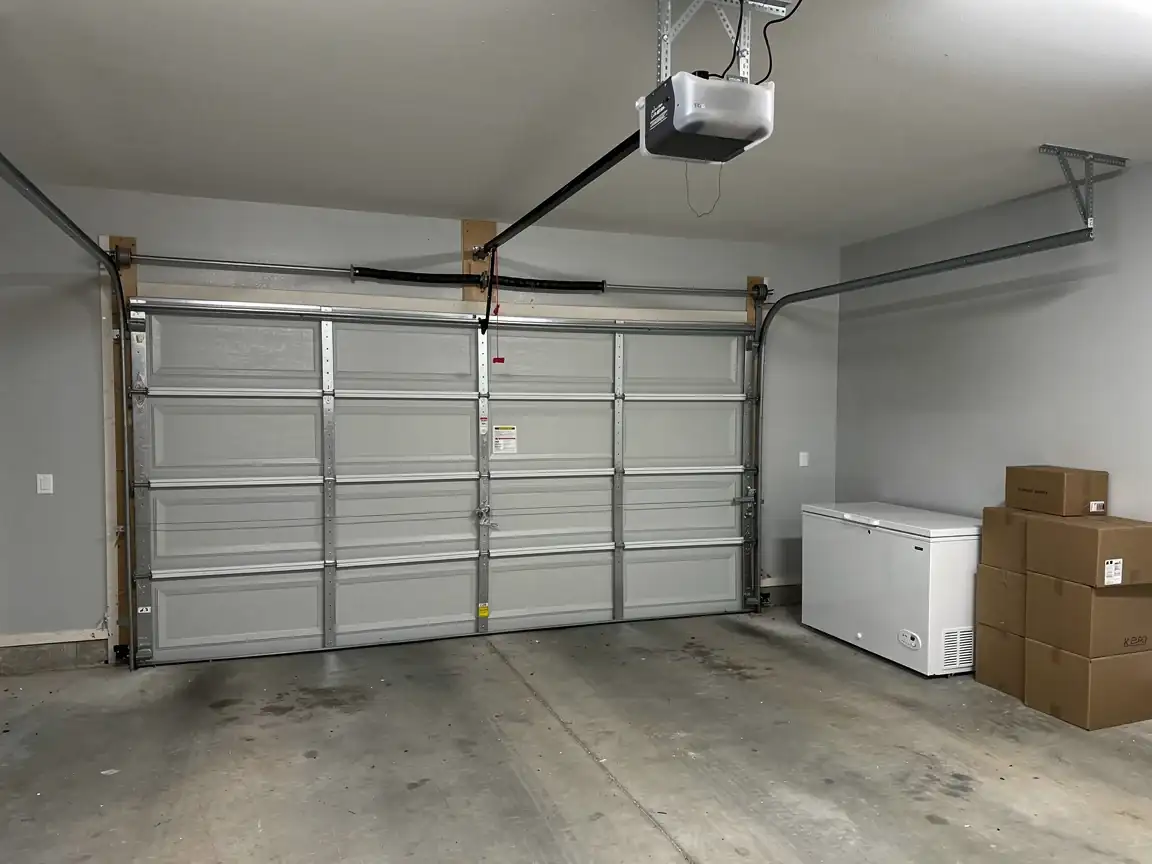
You can buy a opener box at a hardware store and bolt it to the ceiling yourself. The wiring isn't the hard part. What trips people up is matching the opener to the door and the house behind it. A lot of the homes in this service area were built between 1951 and 2012, with the bulk going up in the 1960s and 70s, and those doors vary a lot in weight and balance - some still run on original one-piece hardware, others have been swapped for insulated steel at some point along the way. Put a 1/2 HP chain drive on a heavy older door with worn springs and you'll burn out the opener motor inside a couple years, not because the opener is bad but because it's fighting a door that isn't balanced right anymore. The other piece people skip is the safety sensor alignment and the force settings - get those wrong and the door either won't close or it'll come down on a bumper before it should. If you're comfortable with a ladder, a drill, and reading a manual twice, you can do a straightforward swap on a door that's already balanced well. If your door predates the opener by twenty years, have it looked at first.
Why It Happens Here
Opener failures cluster around a few causes, and the mix we see tracks straight back to the age of the housing stock. With median construction around 1977 and a good share of homes from that 60s-70s run across the 18 named communities in this area, you've got a lot of openers that are on their second or third replacement cycle, often installed by whoever owned the house before without upgrading the drive gear to match a heavier replacement door. The cold-moderate climate here doesn't freeze openers solid the way a harder winter would, but the seasonal swing still stiffens grease in the gear housing and tightens chain tension on the coldest mornings, which is when a marginal opener finally quits instead of just running slow. We also see openers paired with doors that were replaced for insulation or style without anyone recalculating spring tension, so the opener ends up doing lifting work it was never sized for.
Booking a Visit
We come out, look at the door itself first - spring tension, track condition, panel weight - before we talk opener model, because sizing the opener to the door is the whole job. If the door's balance is off we'll say so before you spend money on a motor that's going to struggle against it anyway. We cover installs across this service area, roughly 48,457 households and 21,635 owner-occupied houses, with a median income of $73,075, so we see a wide range of door ages and setups, not one standard house. Call or book through the site and we'll get a time on the calendar.