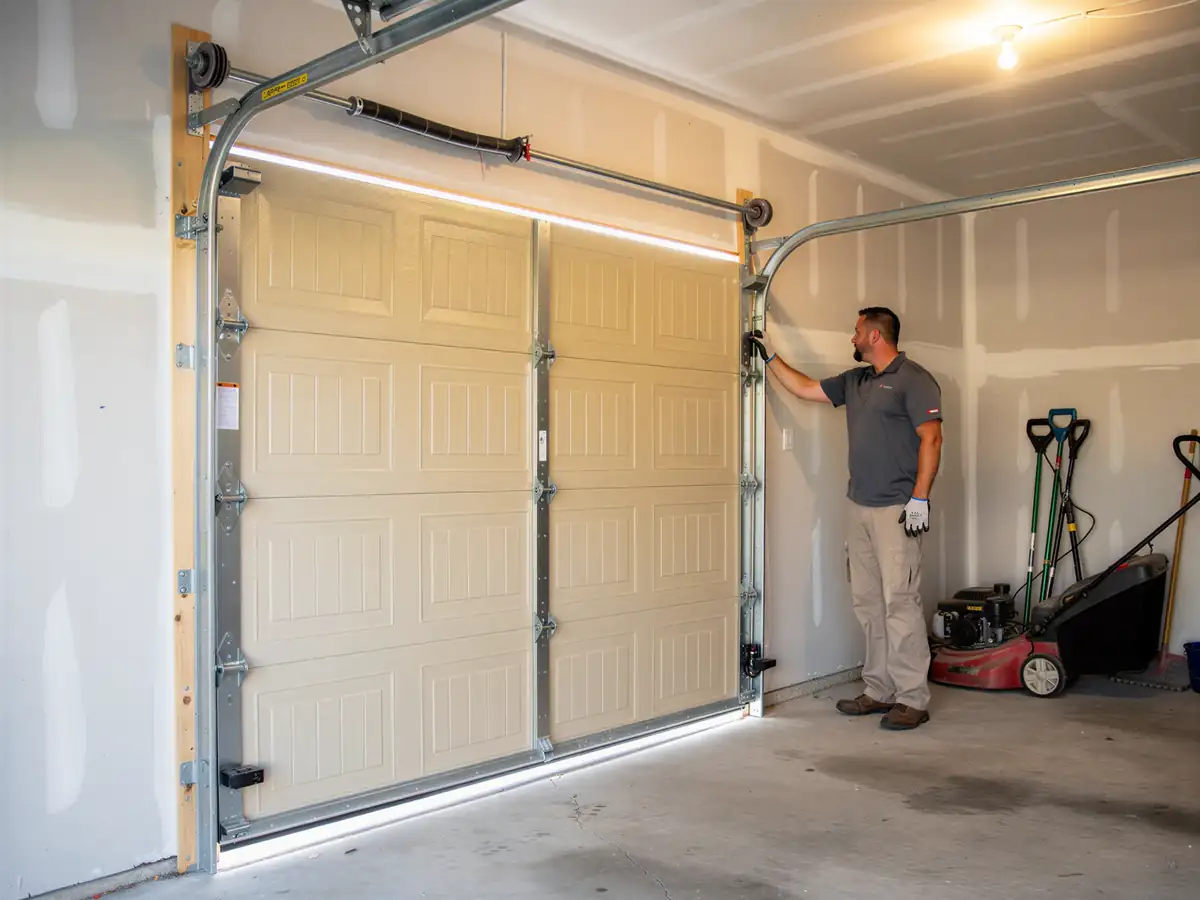
The DIY Question
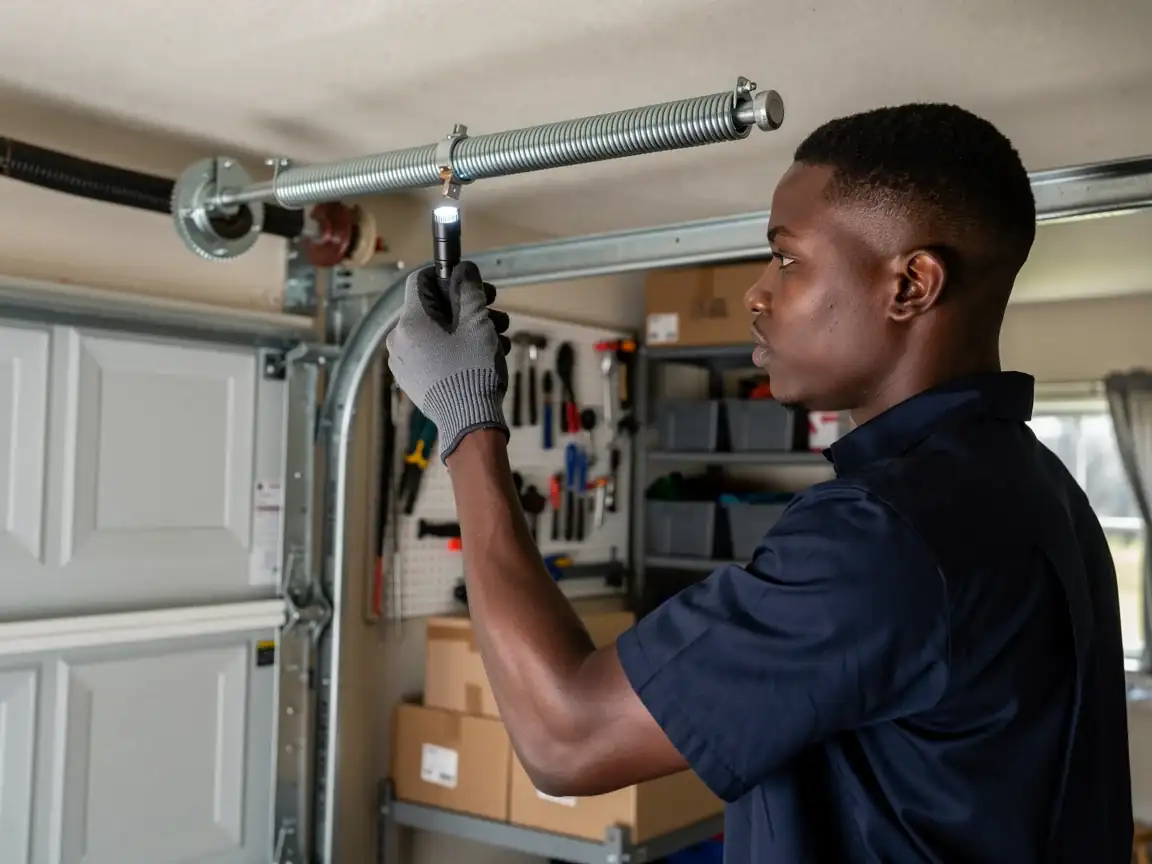
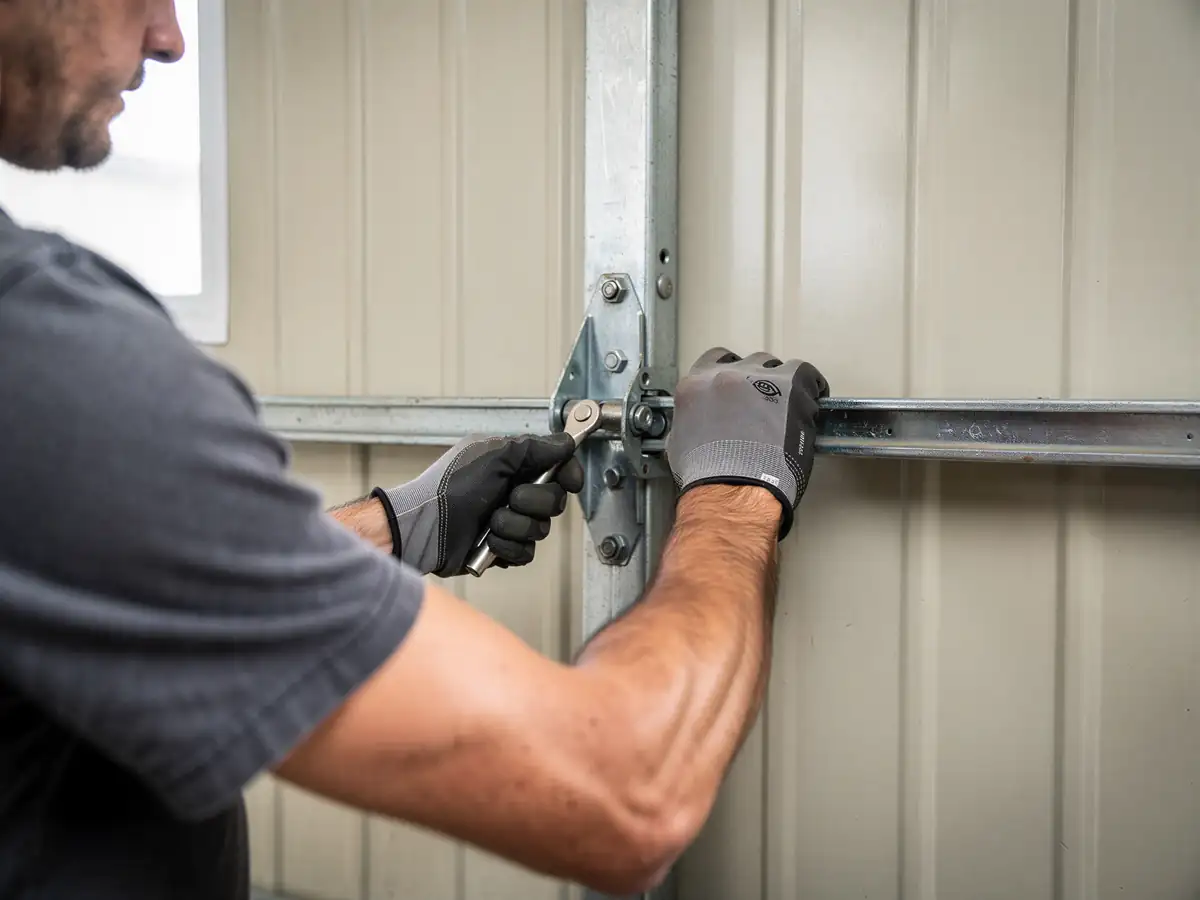
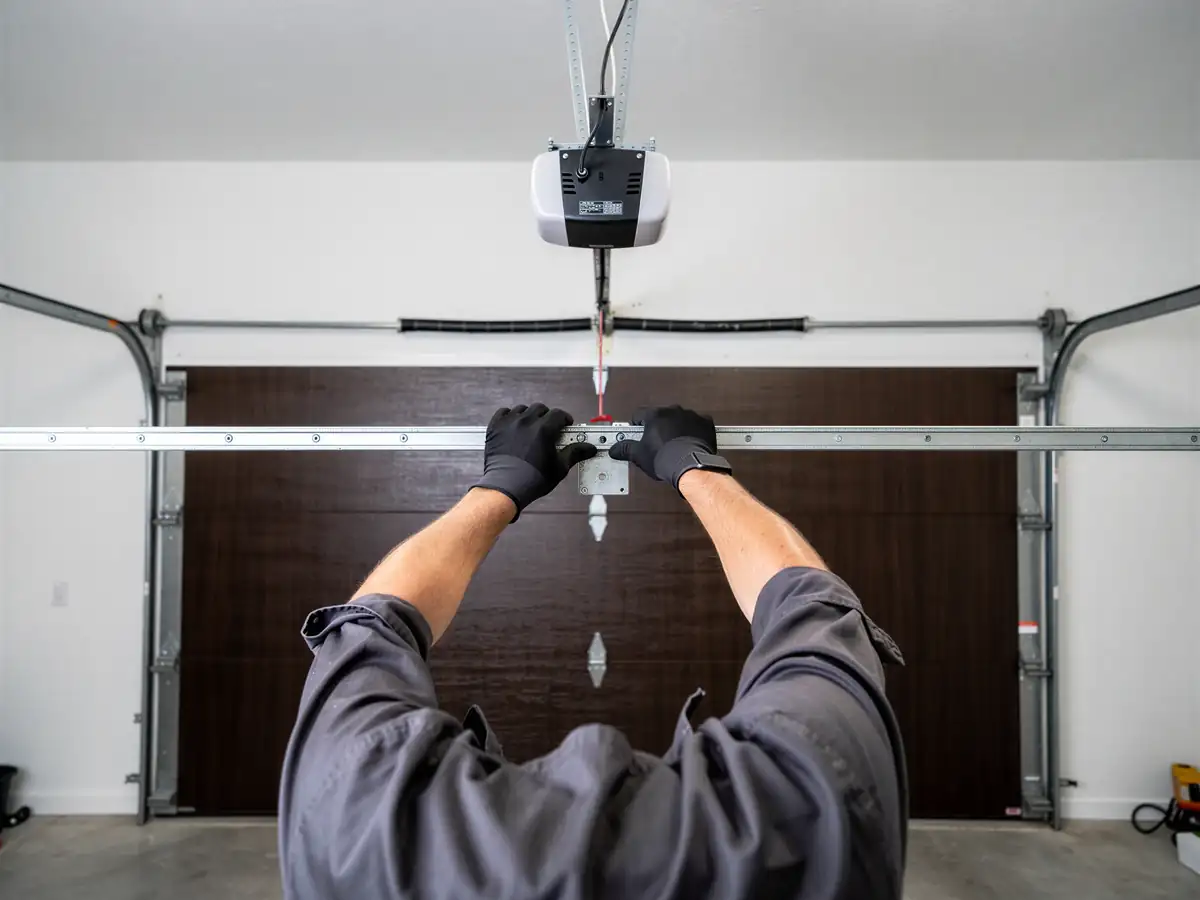
You can buy a door kit from a box store and put it up yourself, and plenty of people have. But installation is where most of the comeback calls in this trade start. A new door has to match the opening, the track has to run true to the framing, and the spring has to be wound to the actual weight of the panel you chose, not the weight printed on the box of a different model.
In a service area where housing runs from 1951 up through 2012, with a lot of stock dating to the 1960s and 70s, openings are not standardized the way they are in a new subdivision. Framing settles, slabs shift a little over fifty or sixty years, and the opening you're measuring today is rarely square. A kit built for a perfect rectangle goes in hard, binds on one side, and wears out its rollers and cables in a fraction of the time it should.
We're not against homeowners doing their own work. Some jobs - weatherstrip, a new keypad, lubing hardware - are fine to tackle yourself. Full door replacement with spring conversion is not one of them. The honest version of "you can DIY this" is "you can, and about half the installs we get called to fix started that way."
Why It Happens Here
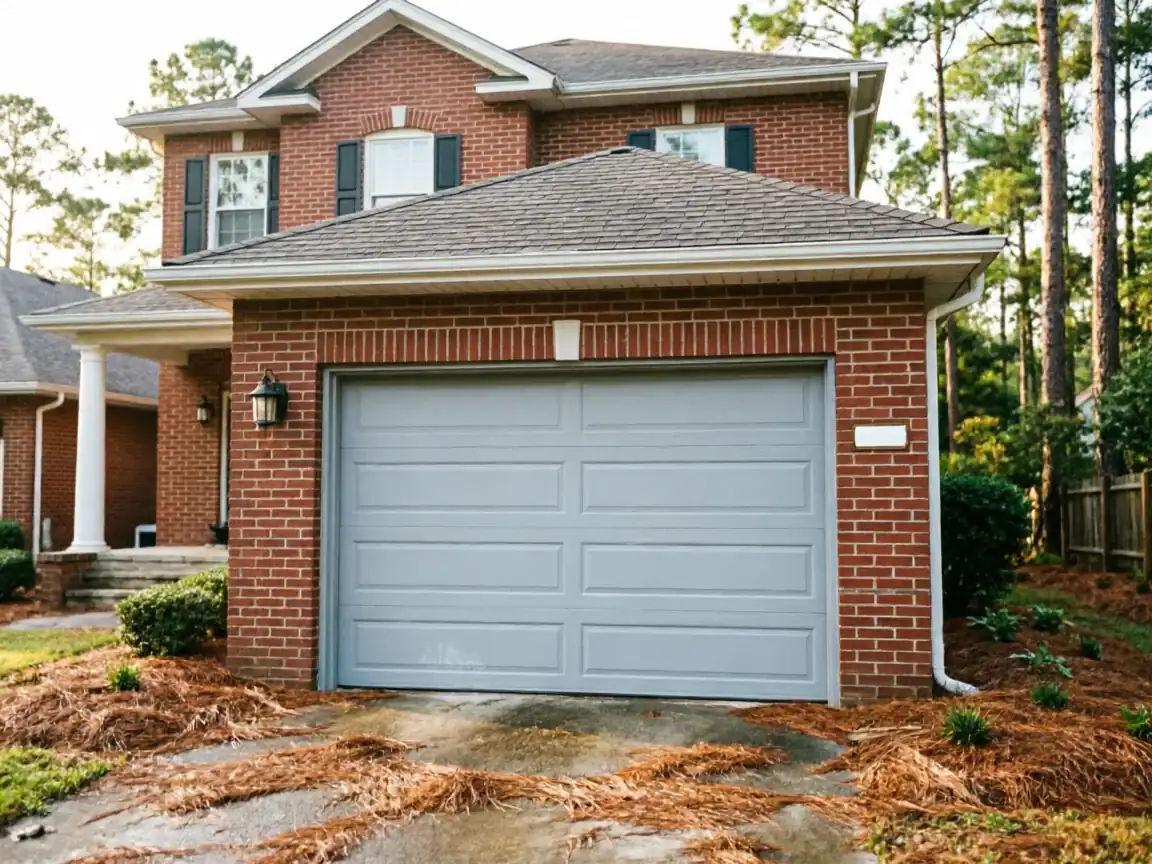
Norcross and the surrounding area sit in a cold-moderate climate band - real winter cold spells, humid summers, and the kind of seasonal swing that makes wood and old steel panels expand and contract more than people expect. Houses built in the 1960s and 70s, which make up a large share of the 18 named areas we work across, often still carry their original door or a one-for-one replacement installed decades ago on hardware sized for that era.
That combination - older framing plus real temperature swing - is why so many installation calls here aren't about a door that broke overnight. They're about a door that's been fighting its opening for years: a track that was never quite plumb, a jamb that settled an inch since the Carter administration, weatherstrip that's hardened and cracked from enough winters.
When we quote a new door, we're not just matching paint color to the house. We're accounting for an opening that's had fifty-plus years to move, and a header that may need new jamb blocking before a square, properly counterbalanced door will sit right in it. Skip that step and the new door inherits the old problem on day one.
The Symptom
The giveaway isn't always a door that won't open
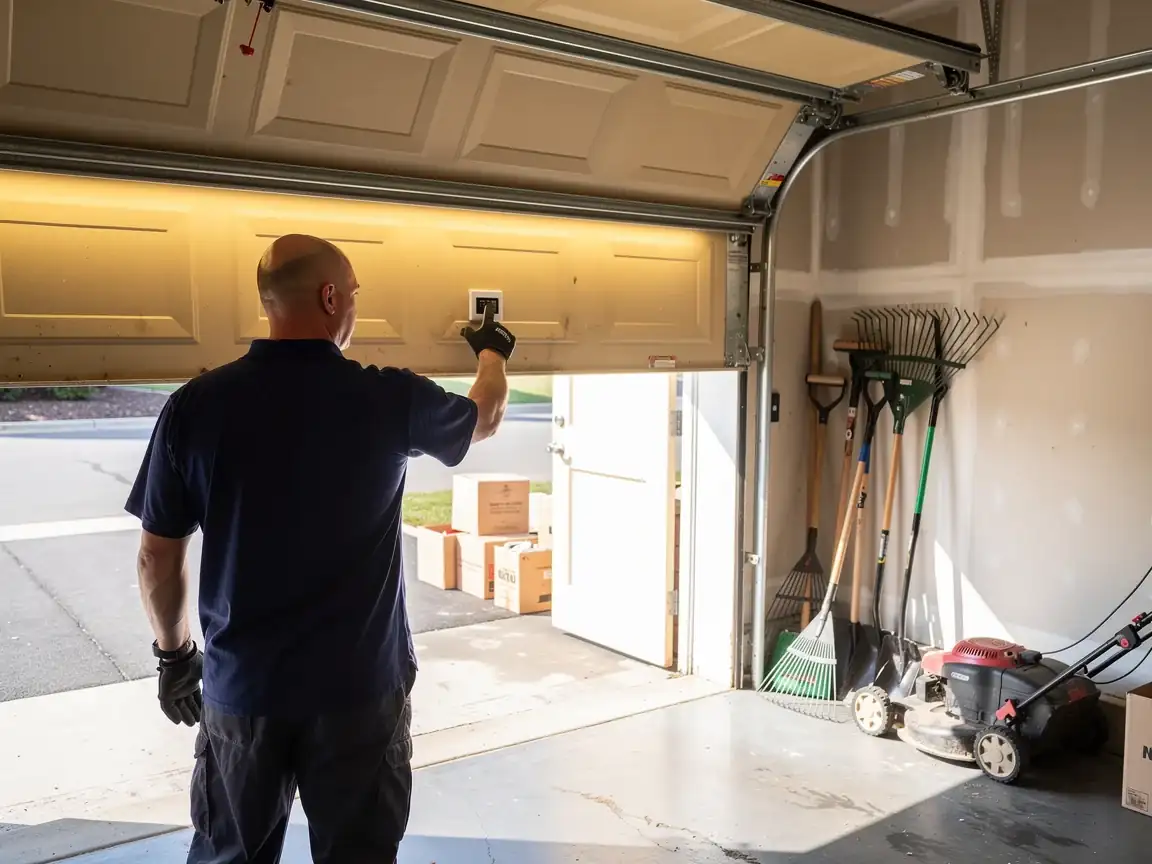
More often it's smaller things stacking up: the door closes unevenly, dragging on one side before the opener finally forces it shut; daylight shows along the bottom seal even with new weatherstrip; the panels have started to bow or dent at the same spot every winter when the cold tightens the steel.
On the older end of the local housing stock
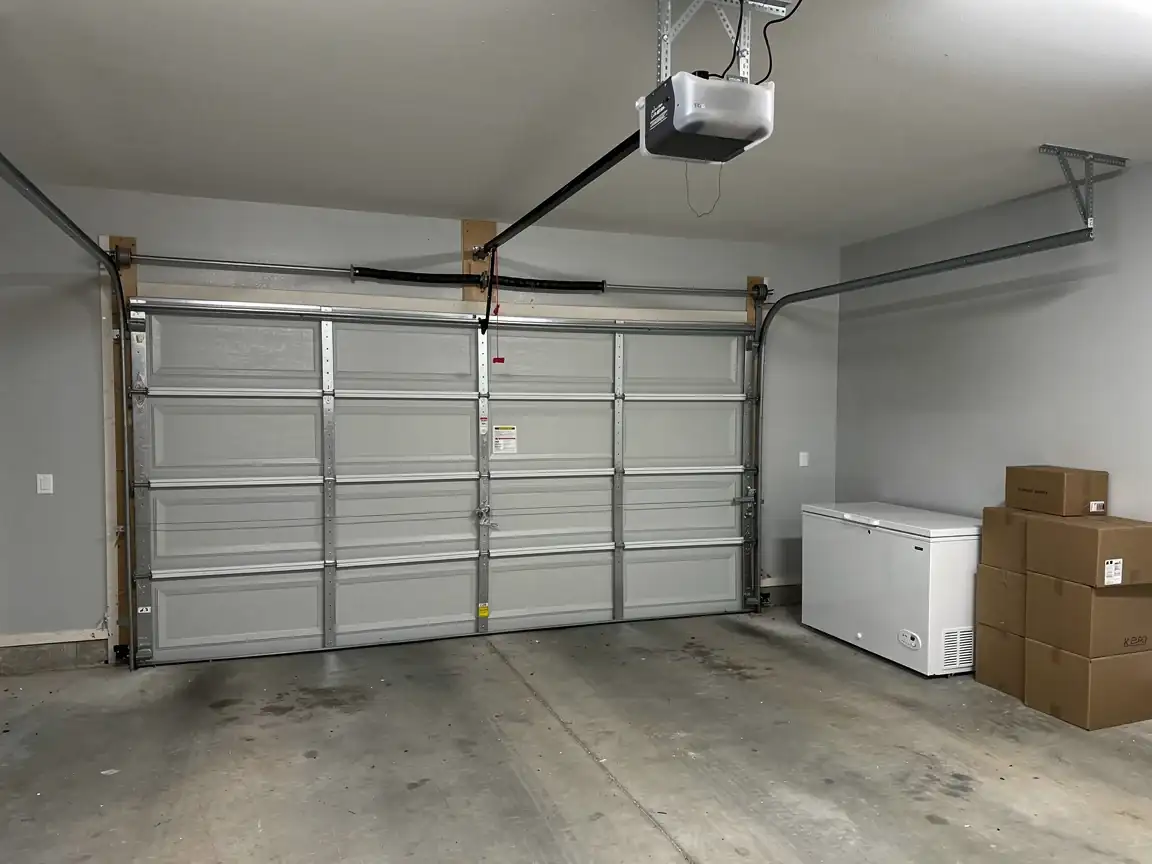
Homes going back toward 1951, and plenty from the 1960s and 70s median - we also see doors where the track was mounted for hardware that hasn't been made in years. Repairing piece by piece stops making sense once you're chasing parts for a door that's outlived its design life. At that point, a full installation with new track, new spring sized for the actual door, and hardware rated for current loads costs less over five years than another round of patch repairs.
We'll tell you straight if your door is a repair job, not a replacement job
We don't sell installations to people who don't need one - a tune-up and a new cable is a fraction of the cost, and we'd rather do that job right than talk you into a bigger one.
Booking a Visit
We cover Norcross and the surrounding area, including places like Berkeley Lake, three miles out, and Doraville, about four miles away, out to Stone Mountain and Clarkston nine miles off and Scottdale and Pine Lake around ten. Median household income across this area runs near $73,000, with roughly 48,000 households and about 21,600 owner-occupied houses - a mix wide enough that no two installs look exactly alike.
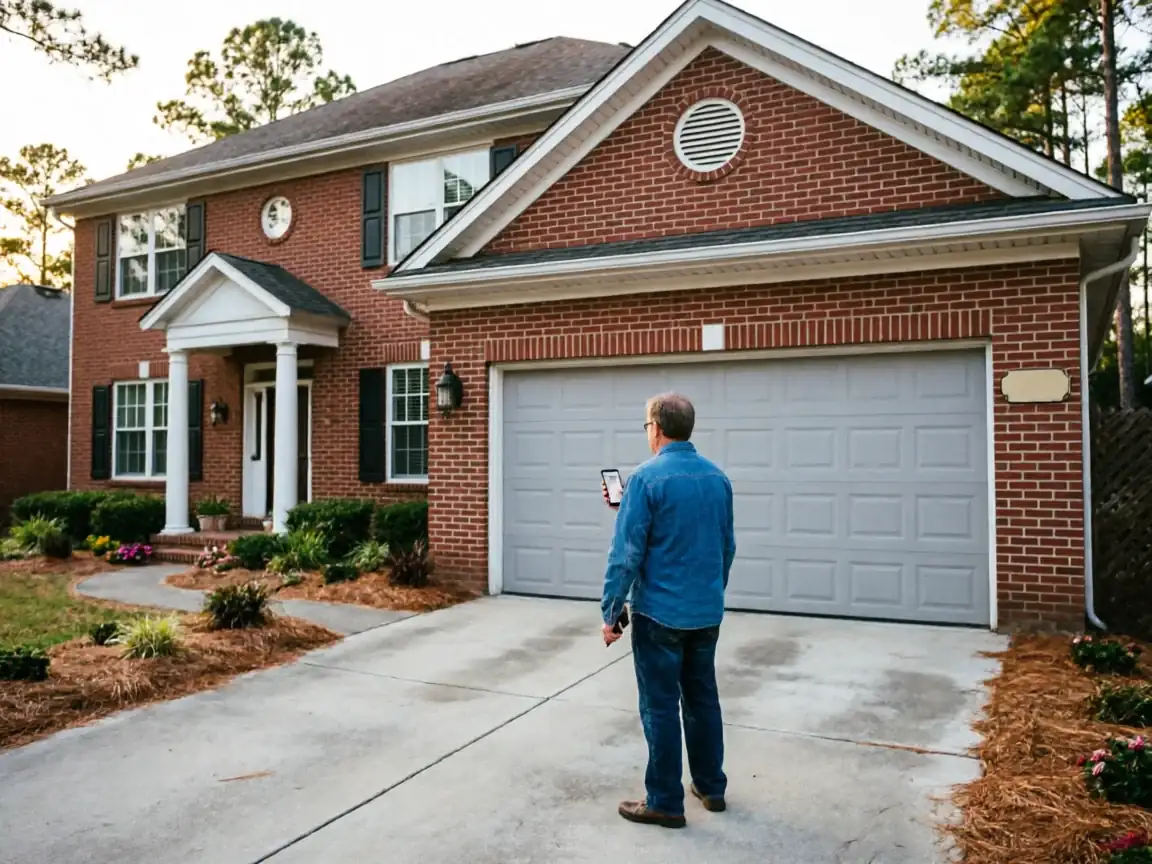
When you call, we ask for the age of the house if you know it and a couple of photos of the current door and track. That tells us most of what we need before a truck ever shows up: whether you're looking at a straightforward swap or a job that needs jamb work first. We'll give you a real number on-site, not a phone estimate that changes once we open the garage.
We don't install on openings we haven't measured in person, and we won't quote sight unseen. If that means waiting a day for a visit instead of a same-day guess, that's the trade-off we'll always make.