The DIY Question
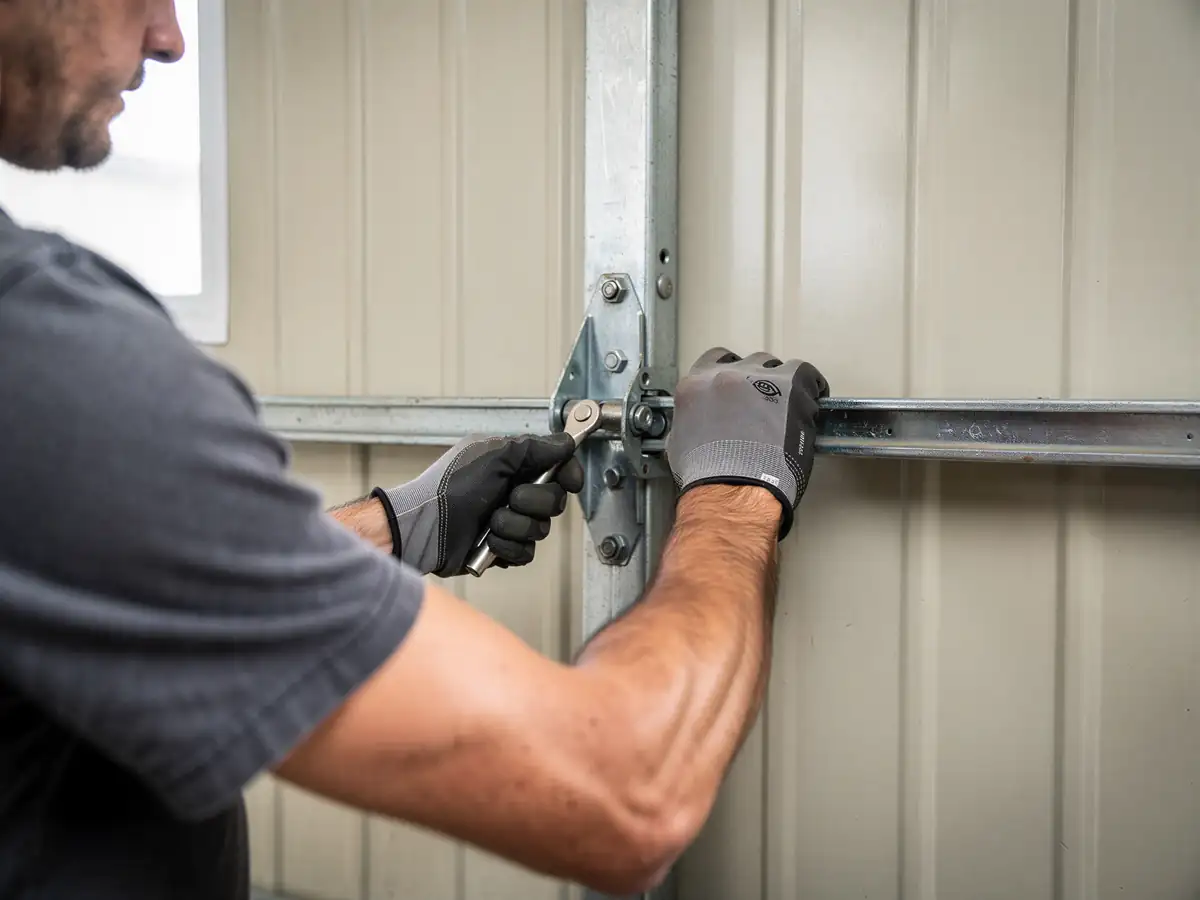
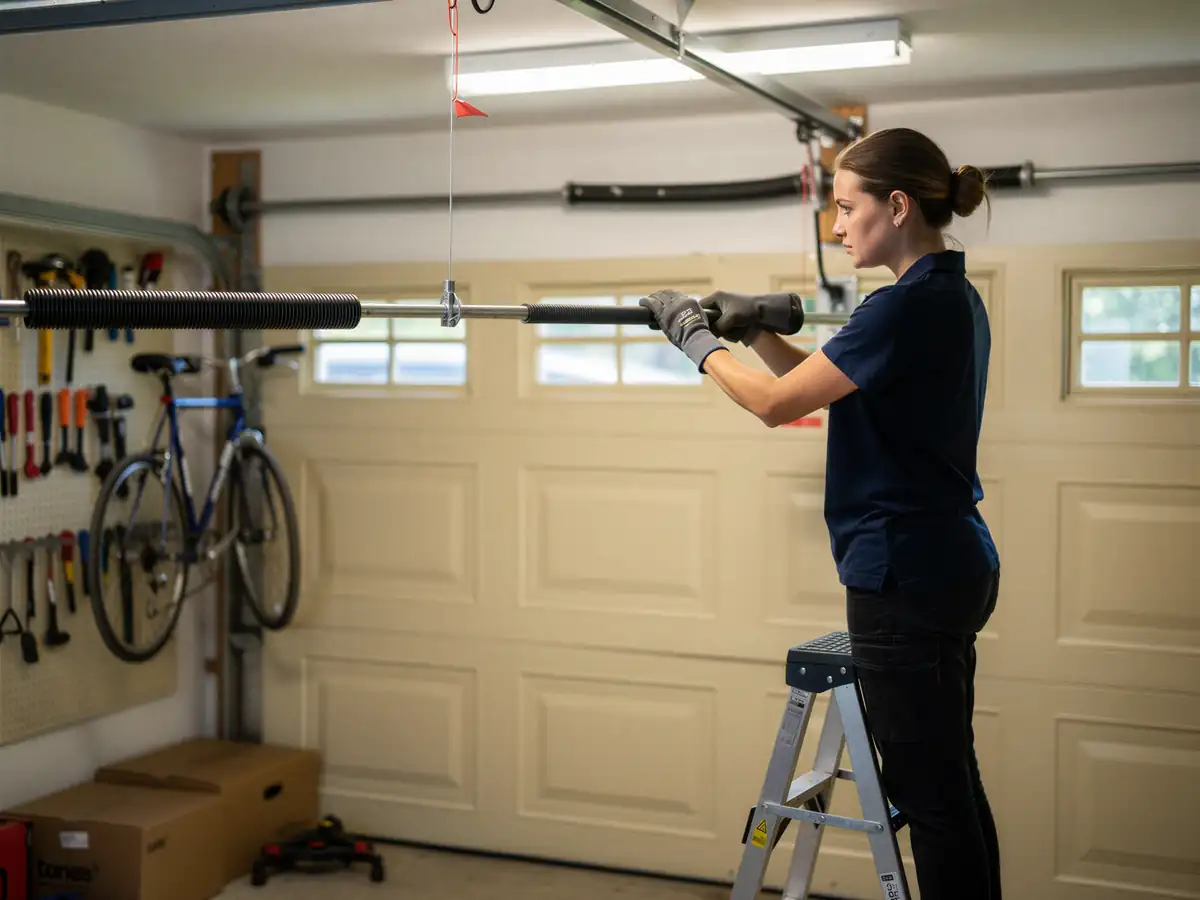
A broken torsion spring is not a job to teach yourself on a Saturday. The spring over your door is wound tight enough to store real force, and the tools to release that force safely (winding bars, a properly sized cone, a vice grip on the shaft) aren't things most garages have lying around. YouTube makes it look like a wrench job. It isn't.
That said, you can diagnose it yourself before you call anyone. If the door won't budge and feels like dead weight when you pull the release cord, that's a broken spring, not a motor problem. If one side of the door looks lower than the other, or you hear a bang from the garage followed by the door refusing to open, same story. Knowing which one it is saves a diagnostic trip.
What you can do yourself: check that the opener isn't just out of alignment, clear the track of debris, and make sure the door isn't manually locked. What you shouldn't do: touch the spring itself, the cable drums, or anything under tension. Across the roughly 21,635 owner-occupied houses in this service area, torsion springs are the single most common reason a garage door stops working, and almost all of those calls are a spring swap, not a motor replacement.
Why It Happens Here
Housing in this part of Georgia went up mostly between 1951 and 2012, with the median build year sitting around 1977, and most of the stock across the service area's 18 named communities dates to the 1960s and '70s. That matters for springs specifically: a torsion spring has a rated cycle life, typically somewhere between 7 and 15 years of normal use depending on door weight and spring size, and a huge share of homes here are well past their third or fourth spring by now regardless of whether anyone's touched the opener.
Climate plays a part too. This area sits in a cold-moderate band, meaning winters bring real temperature swings even if they're not brutal by northern standards. Steel contracts in cold air, and a spring that's already near the end of its cycle life is more likely to snap on a cold morning than a mild afternoon. That's not superstition, it's just metal fatigue meeting a temperature drop at the worst moment.
Put those two things together, older average housing stock and a climate that stresses aging springs, and you get a service area where spring failure is the top garage door call, not an occasional one.
The Symptom
The classic sign is a door that won't open at all
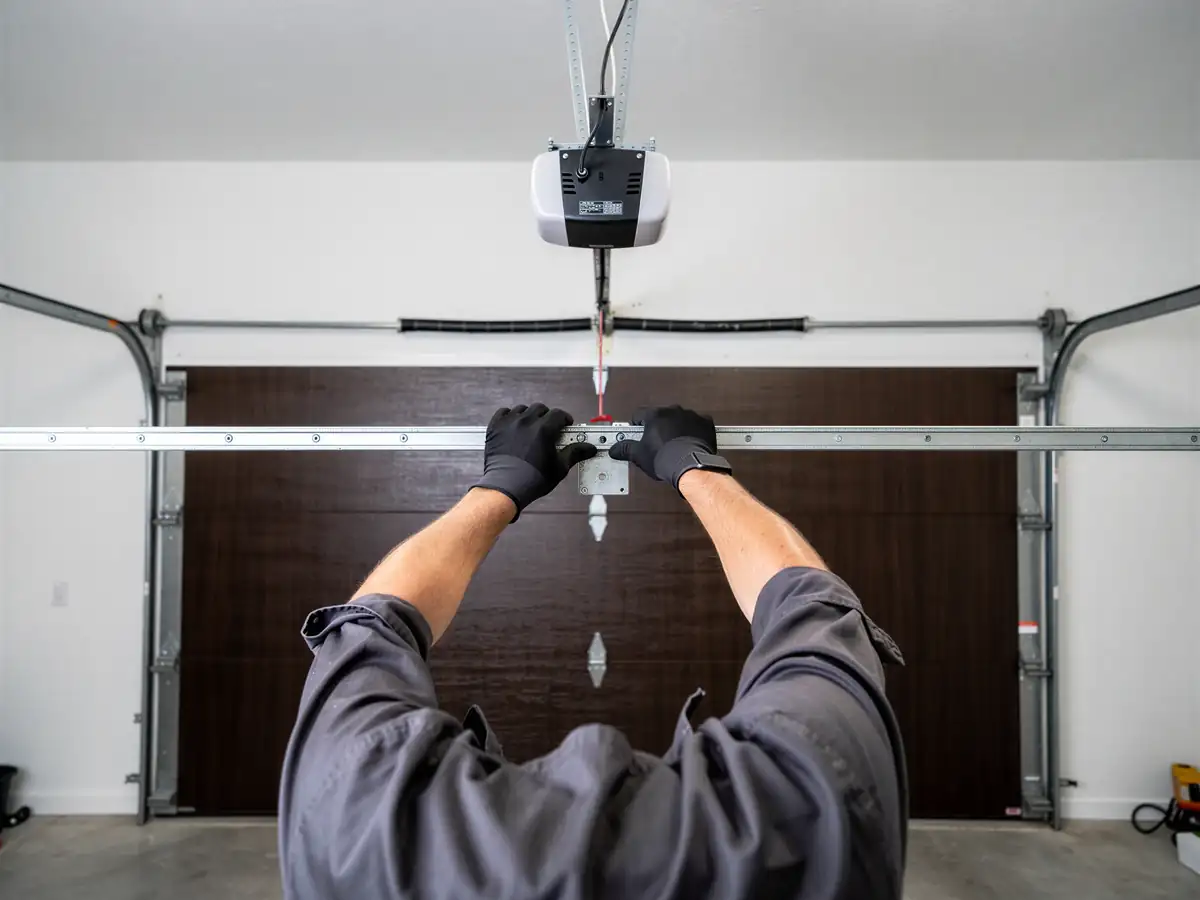
With the opener motor straining or clicking but the door not moving, because the opener was never built to lift the door's full weight on its own. The spring does that work; the opener just guides it.
A second pattern: the door opens partway, then stops or reverses
That's usually a sign the spring broke mid-cycle or has weakened enough that the opener's force sensors think something's blocking the door.
A third, less common sign on older double doors
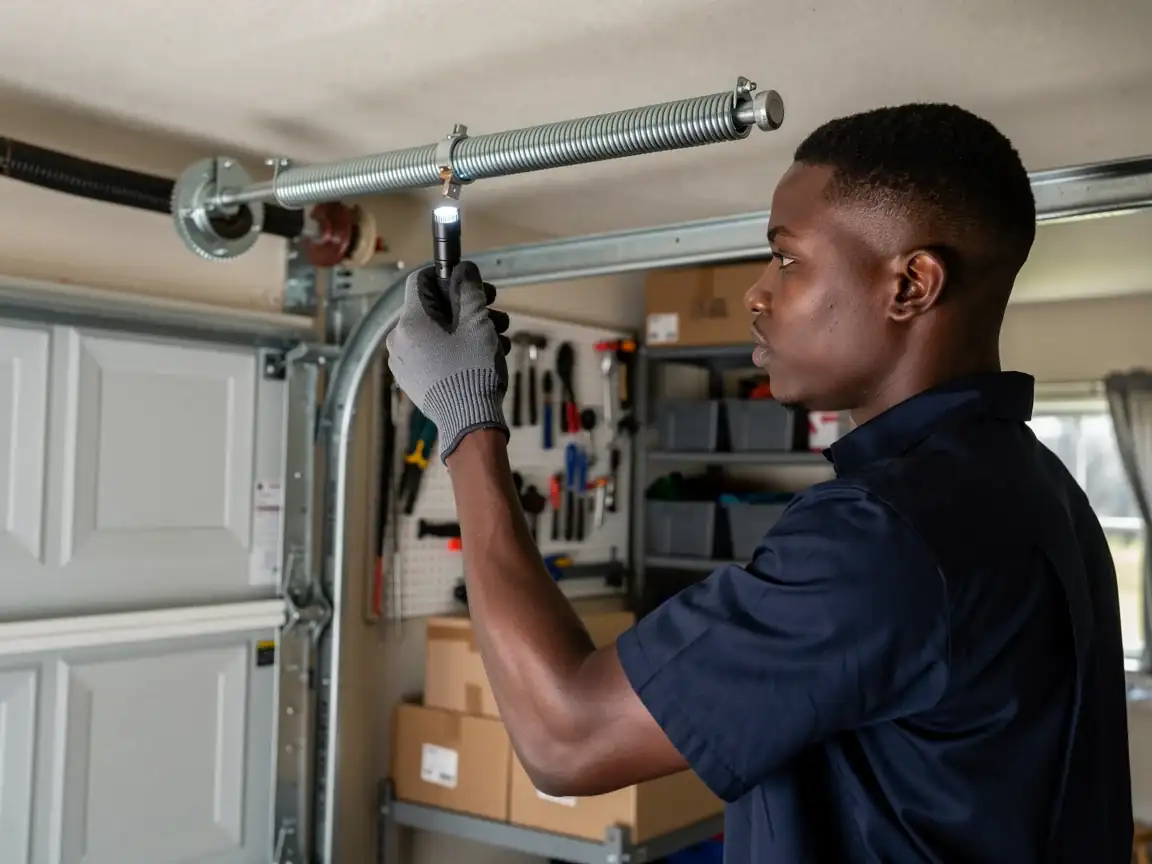
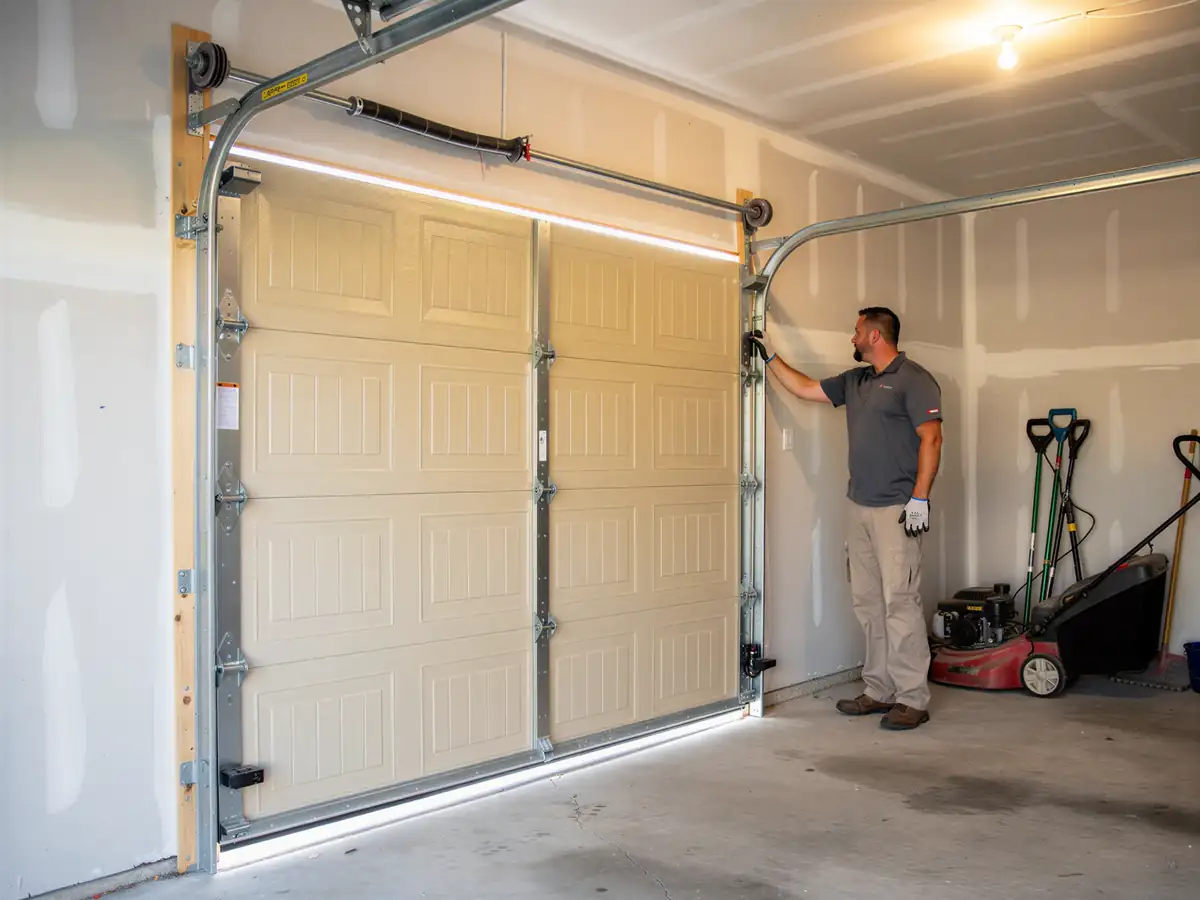
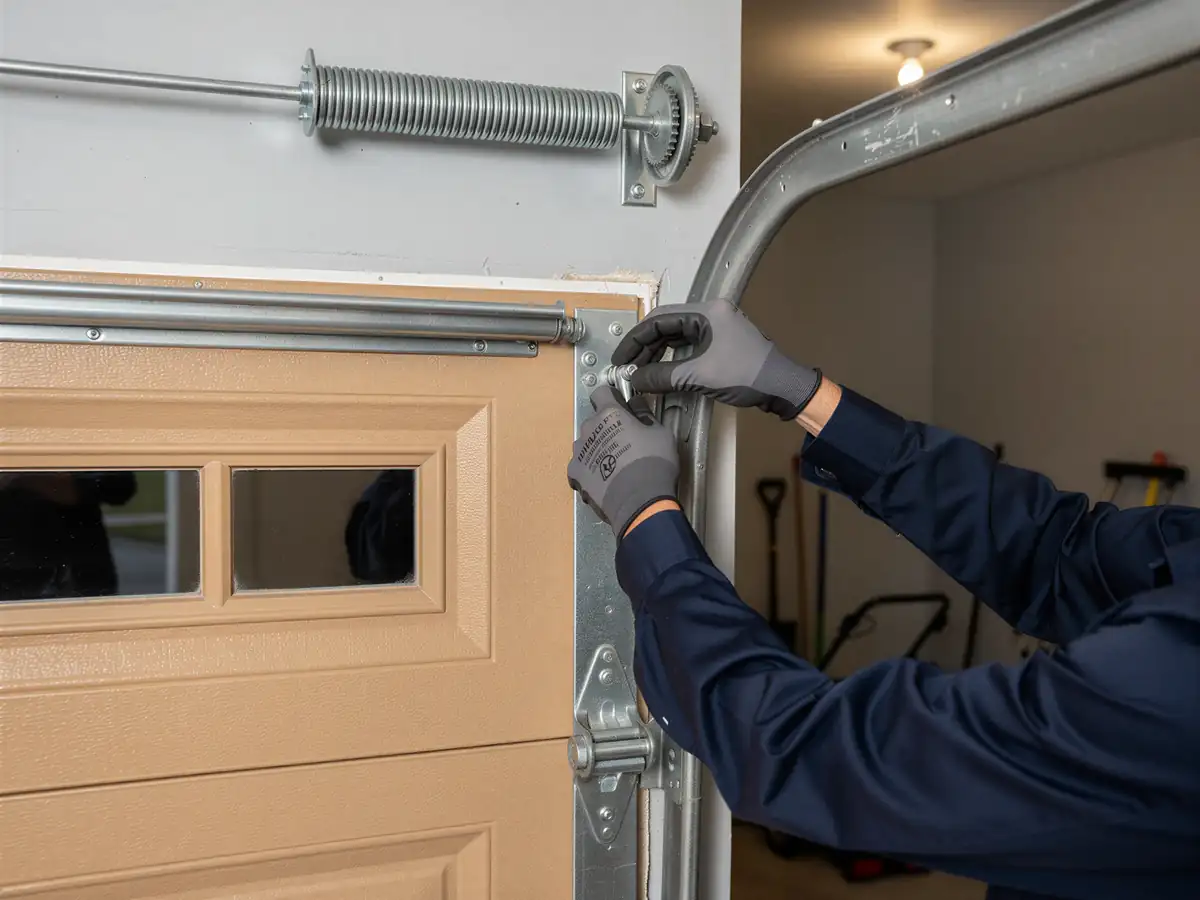
Visible gap or separation in the coils of the spring above the door, sometimes with a loud bang at the moment it let go. If you heard a bang and then the door got heavy, that's your answer.
One limitation worth saying plainly
If your opener is also failing, replacing the spring won't fix the motor, and we'll tell you that rather than selling a spring job that doesn't solve your actual problem. The two failures can look similar from the garage floor but need different fixes.
Booking a Visit
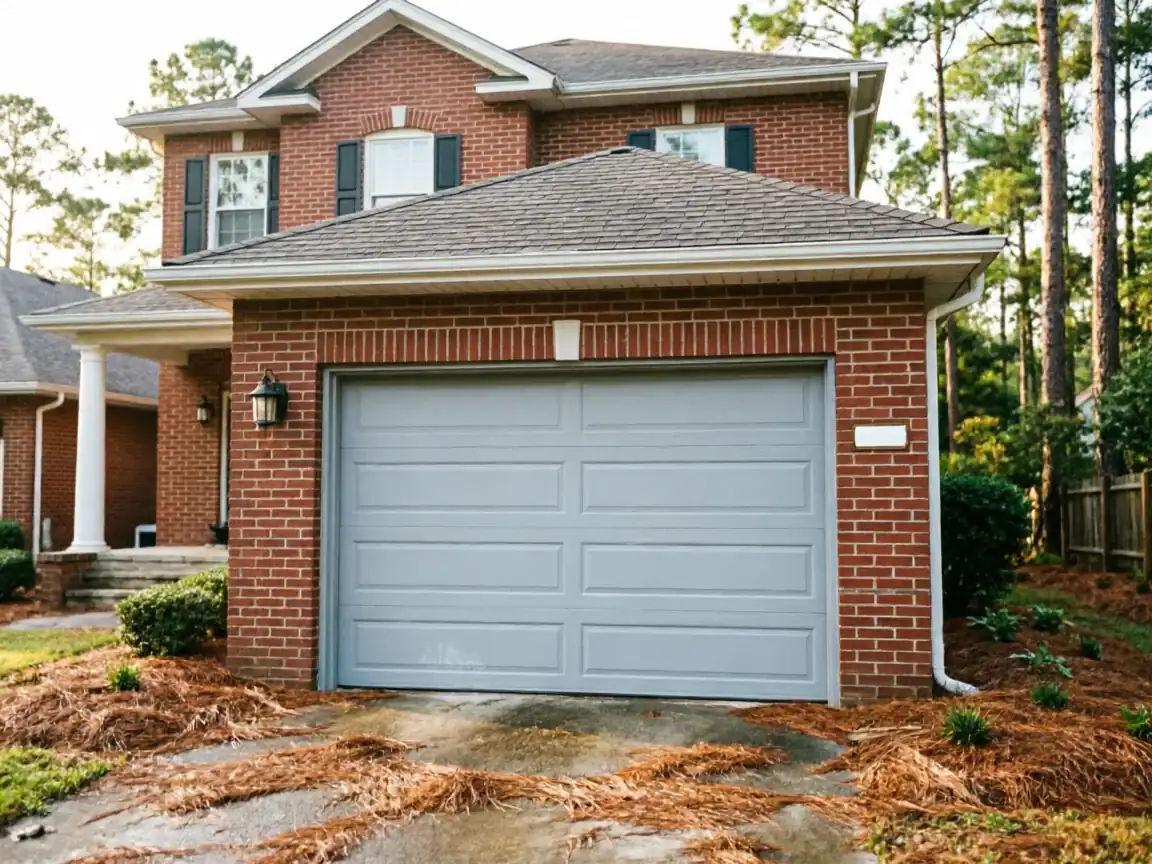
We work across the Norcross service area, including homes near Berkeley Lake, Doraville, Mountain Park, Clarkston, Stone Mountain, and the other communities within roughly a 20 mile radius. Spring repair is a same-visit job in the large majority of cases, since torsion and extension springs are stock parts we carry rather than something we order per job.
When you call, tell us the door size (single or double), roughly how old the door is if you know it, and whether you heard a bang or just noticed the door wouldn't move. That lets us bring the right spring size on the first trip instead of a second visit.
We don't push full door replacement when a spring swap solves the problem. If the door panels, track, and opener are sound, a new spring brings the system back to normal use, and that's the job we'll recommend.