Why It Happens Here
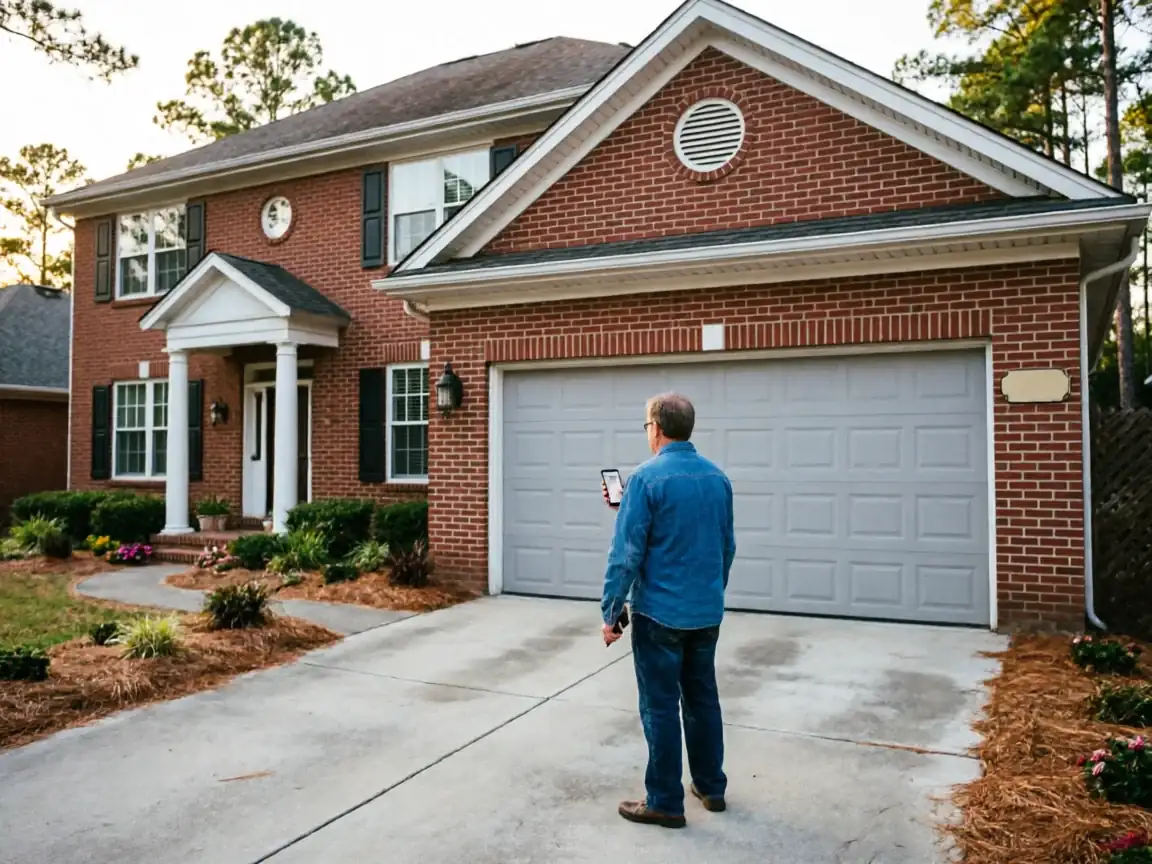
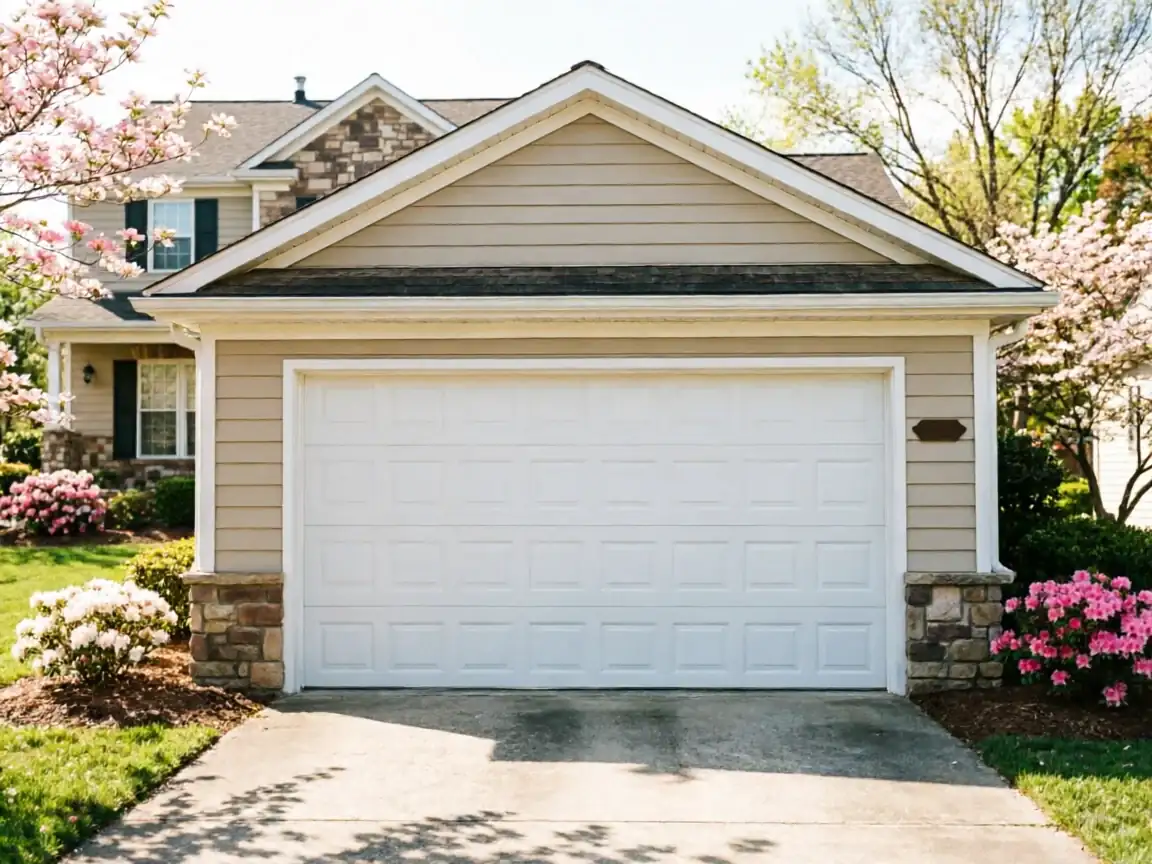
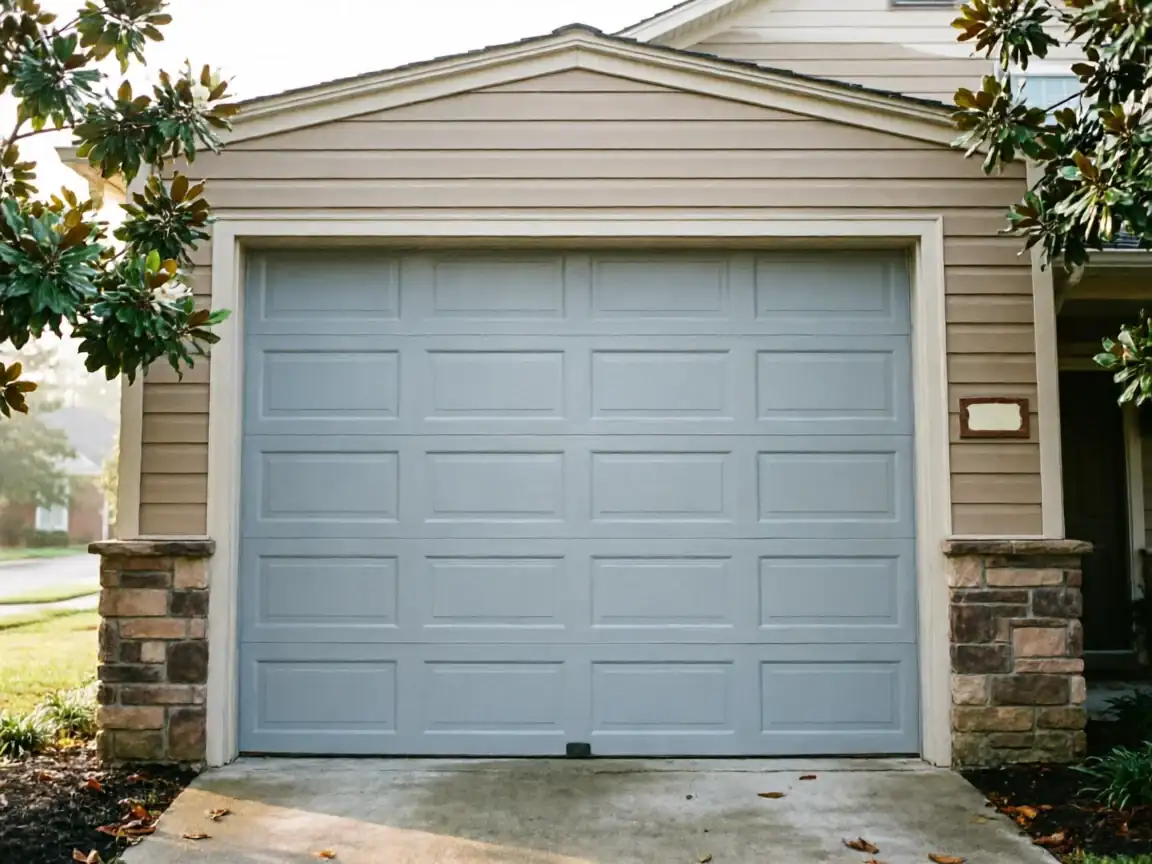
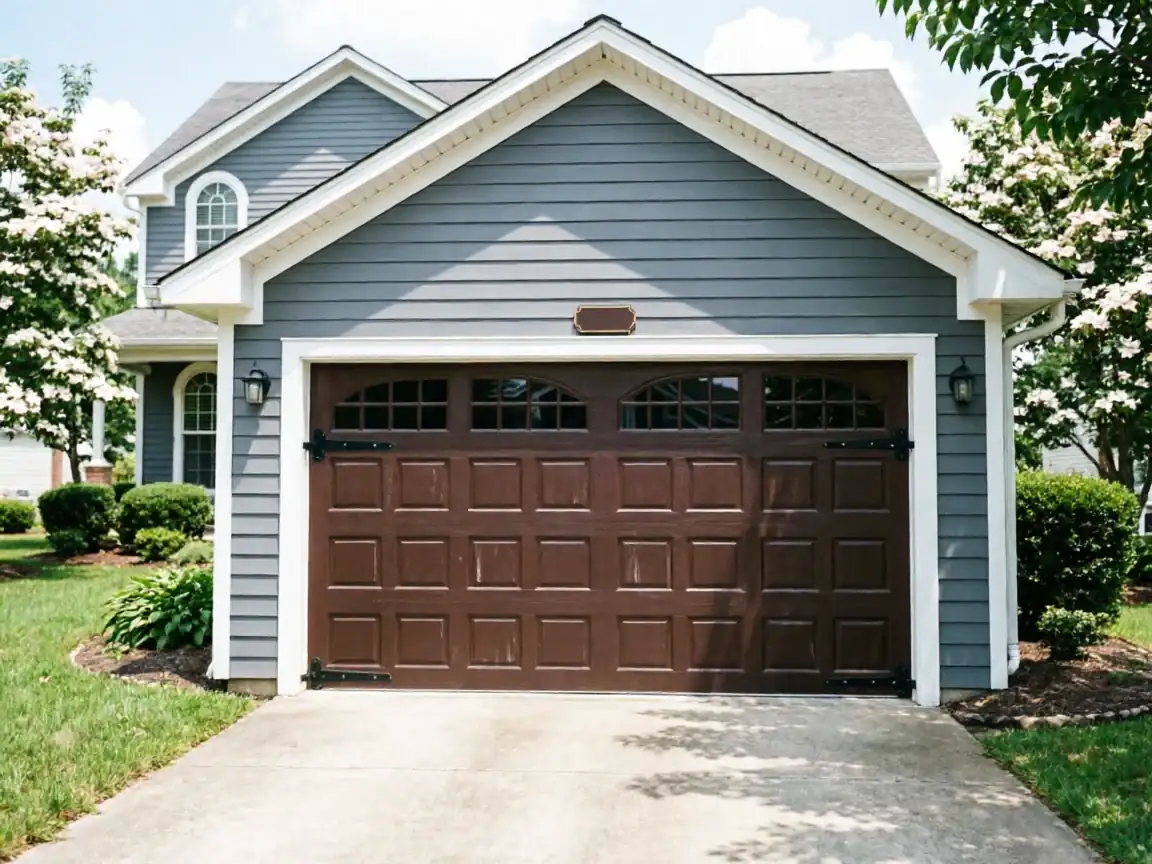
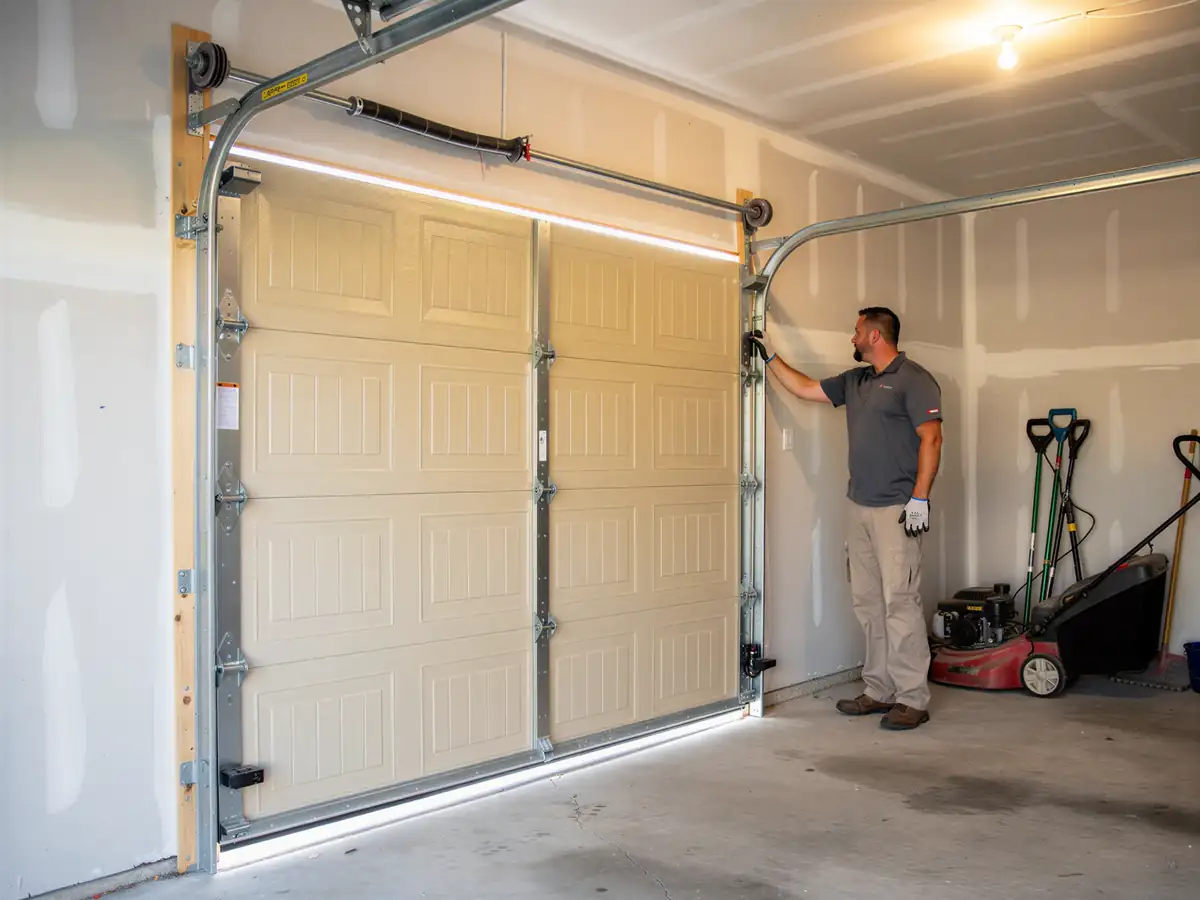
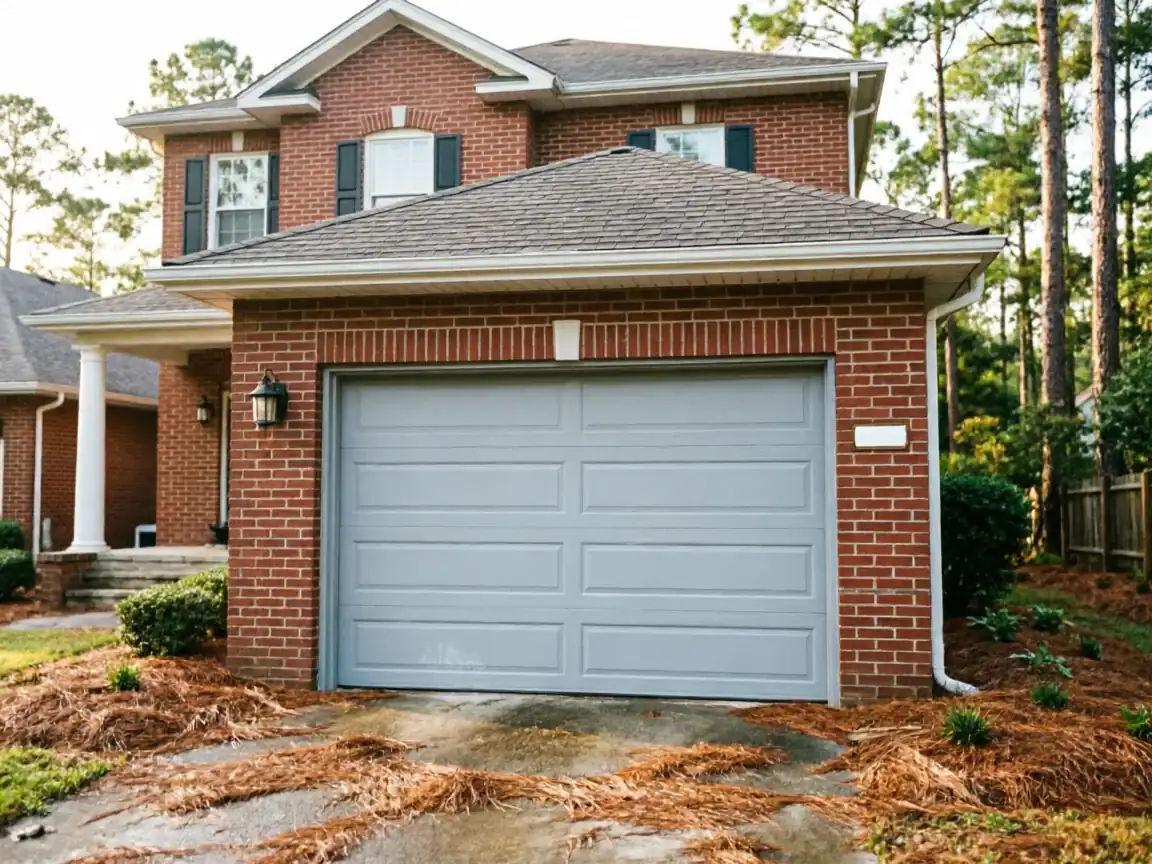
Scottdale's housing stock centers on a median build year of 1984, which puts it noticeably newer than the 1977 median across the rest of our service area. That seven-year gap matters more than it sounds. Houses built in the early-to-mid 1980s usually came with steel sectional doors in a raised-panel profile, stamped in wider sections than the flatter, flush-panel steel common on the 1960s-70s builds that make up a lot of the other 17 communities we cover. When one section on a raised-panel door gets dented - a backed-into car, a thrown branch, a mower kicking up gravel - the replacement panel has to match that wider stamped profile, not the narrower flush style.
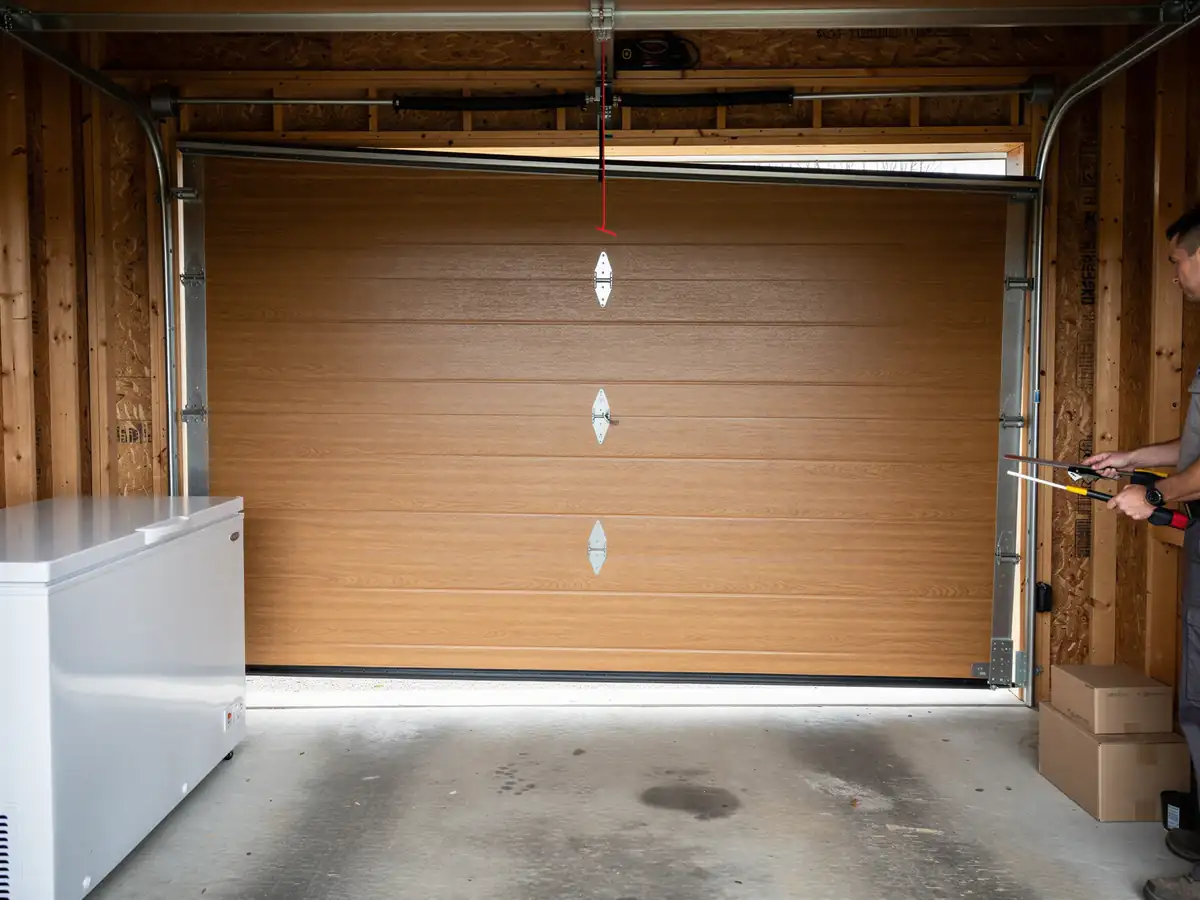
The cold-moderate climate band this area sits in also plays a role in why panels fail rather than just dent and stay. Repeated freeze-thaw cycling works at the seams between panel and track, and a section that's already dinged tends to bind or bow at the roller first. On a 1984-era door, that binding usually shows up as a panel pulling slightly away from the track on one side rather than a clean, isolated dent - which is the detail that tells us a full-panel swap is coming, not a patch job.
What the Repair Takes
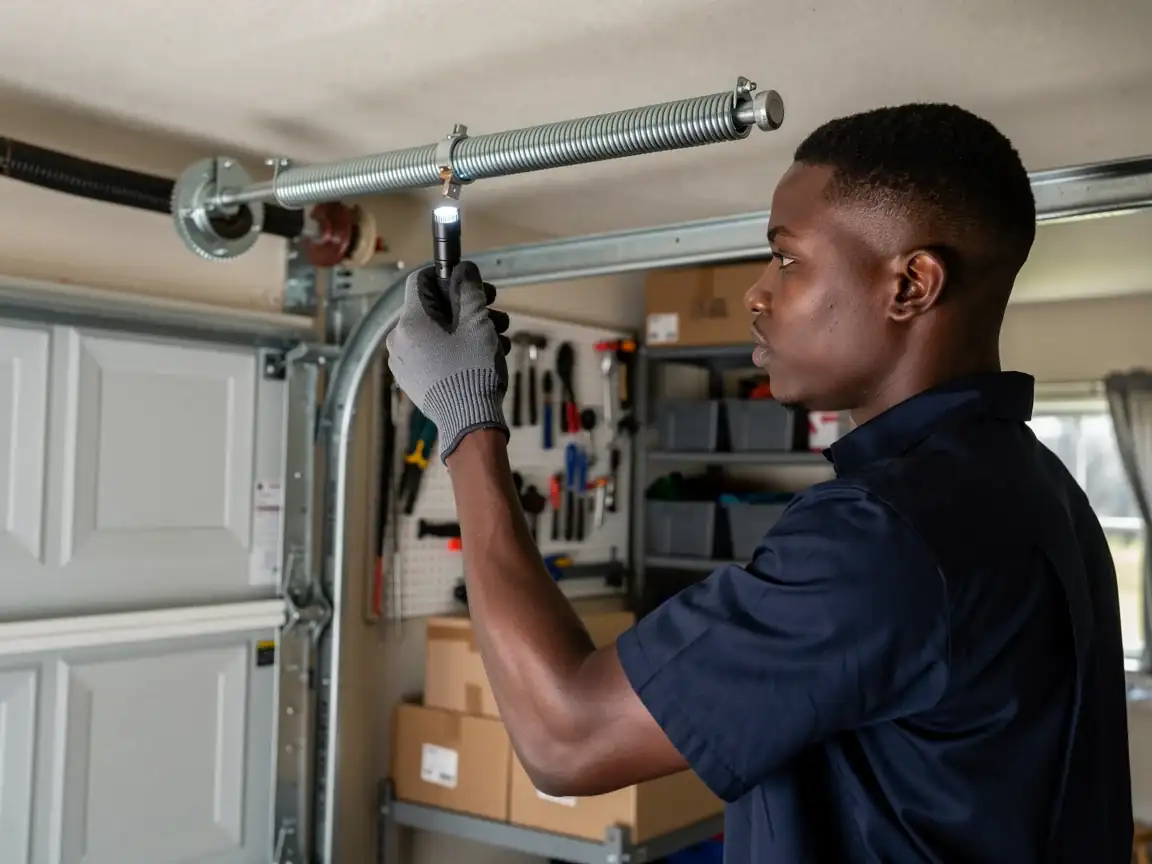
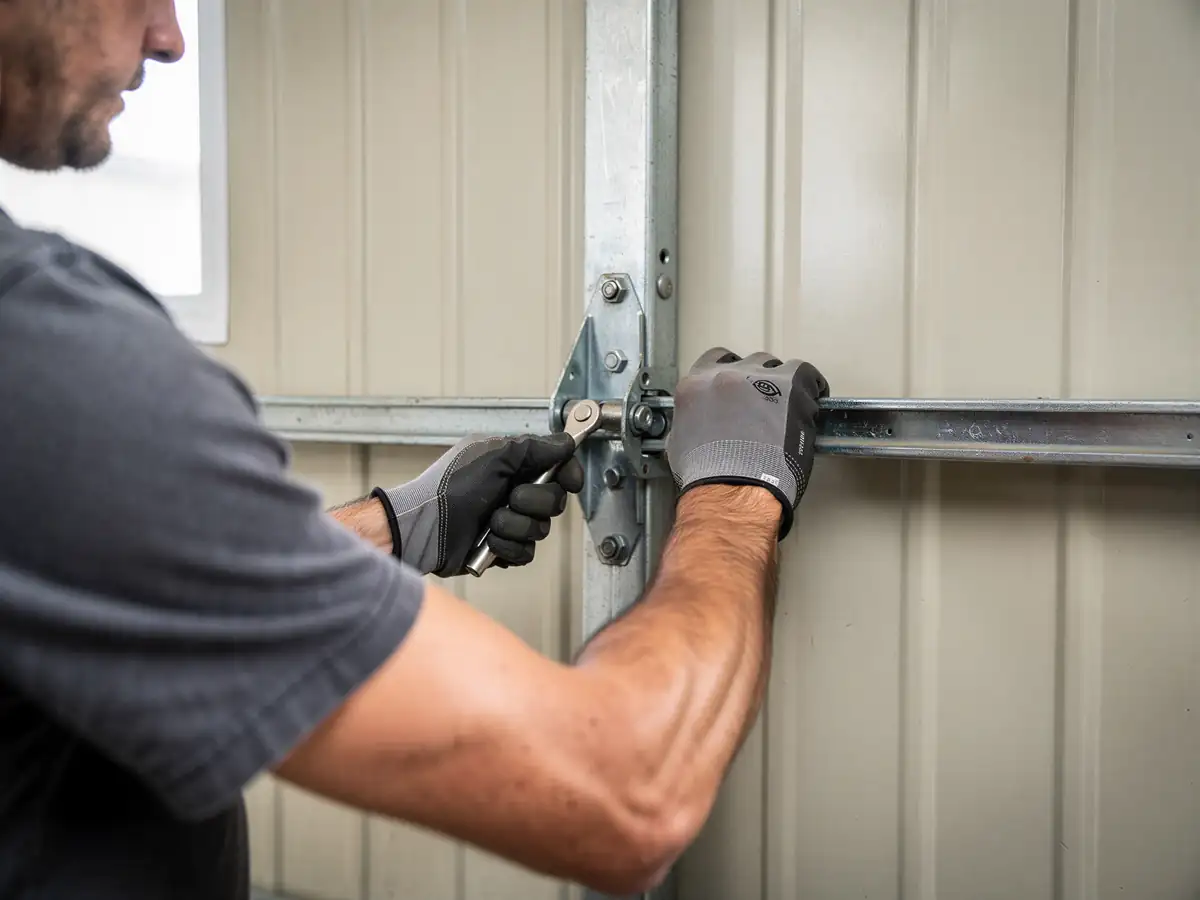
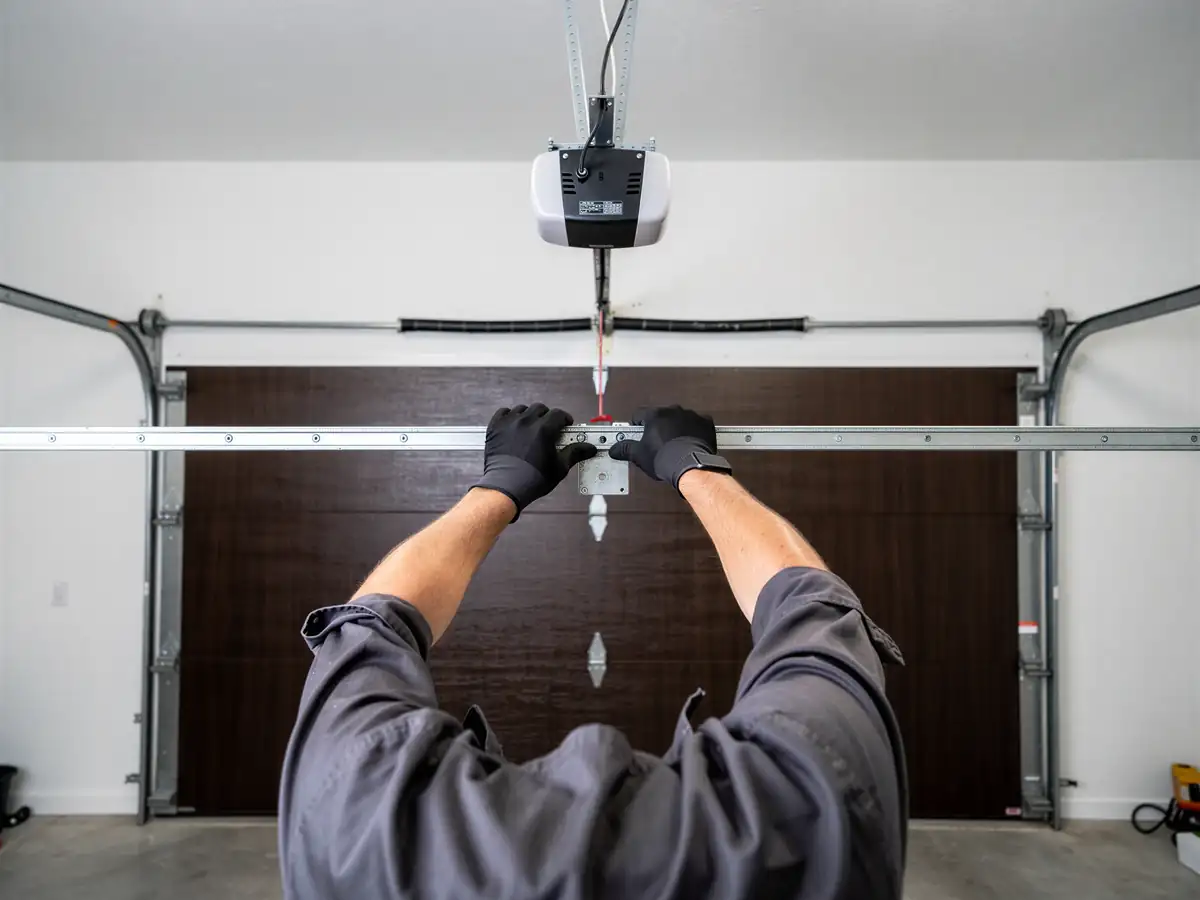
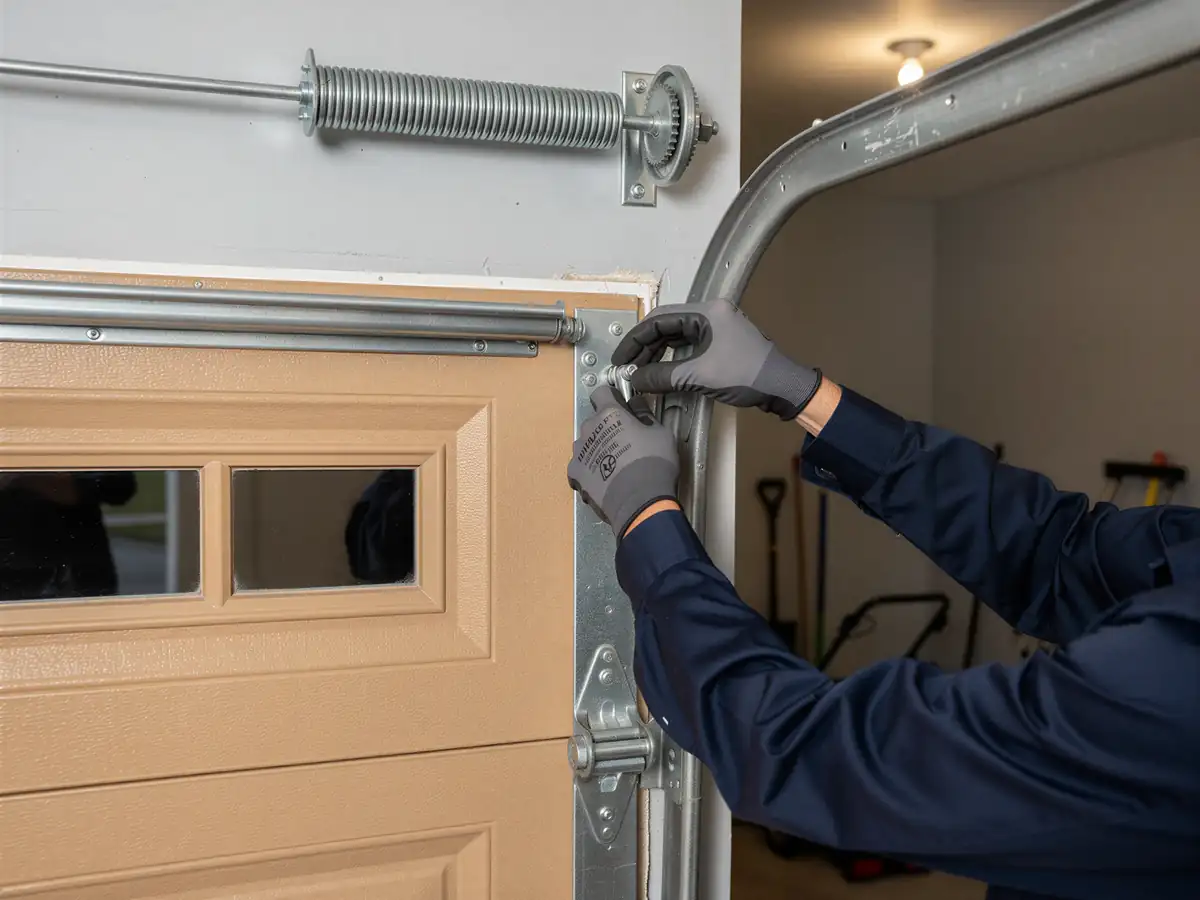
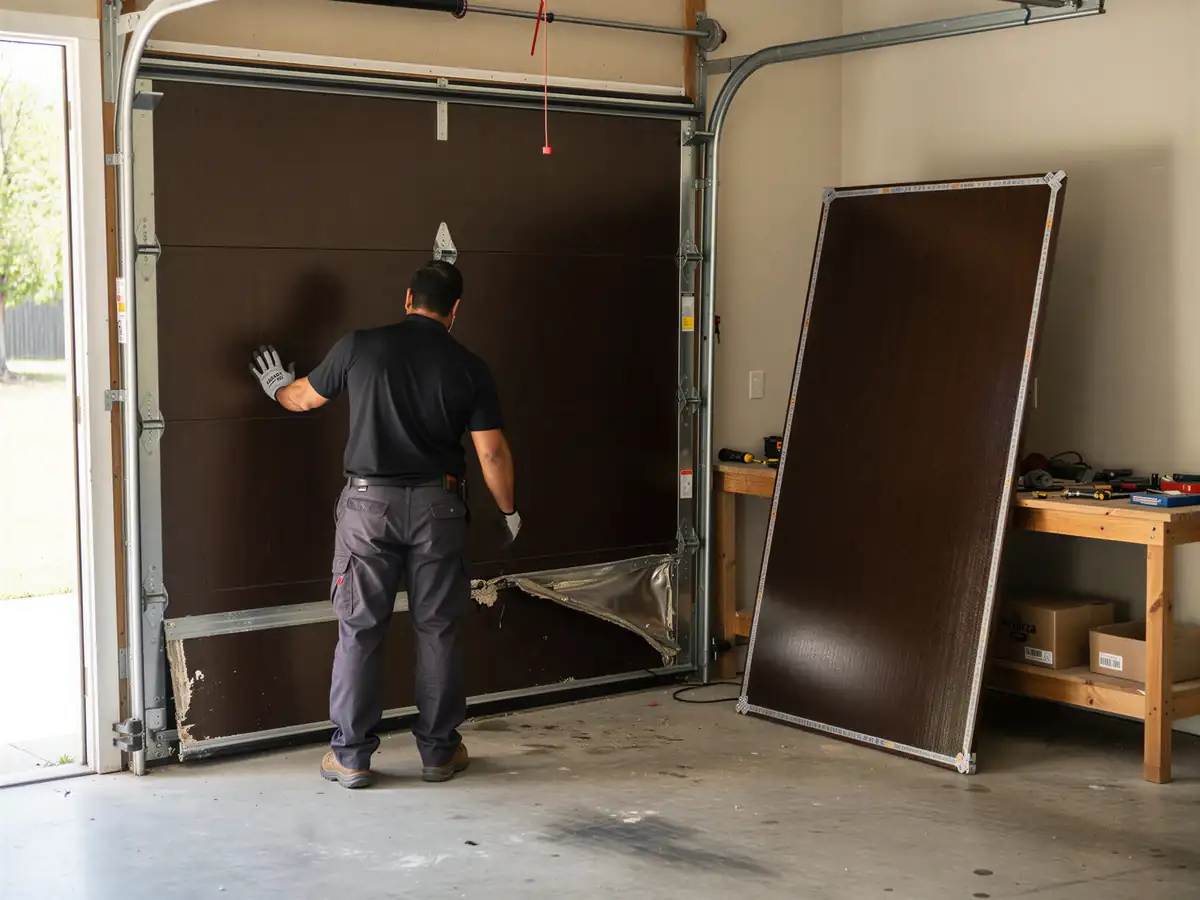
A single-panel swap on a sectional door starts with matching the panel: height, width, and the stamped pattern specific to the door's era. For Scottdale's 1984-median housing stock, that's almost always a wider raised-panel profile rather than the narrower flush panel you'd find on an older door elsewhere in the service area. We pull the damaged section, unhook it from the stiles and hinges, and set the replacement in without touching the opener, track, or the other panels - assuming those are square and undamaged.
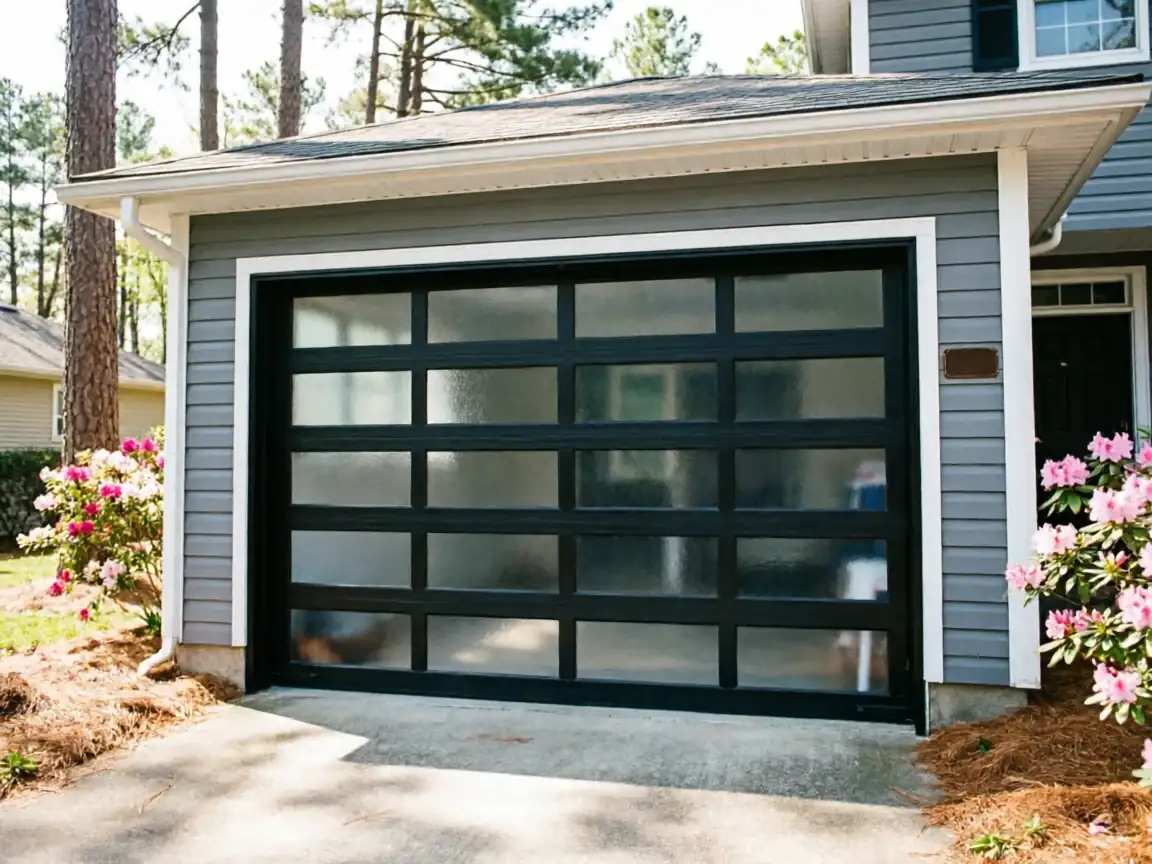
The honest limitation here: if the door is an older or discontinued line, an exact-match panel isn't always sitting on a shelf. Sometimes it has to be ordered, and if the manufacturer no longer makes that profile, panel replacement isn't the answer - full door replacement is, even though that costs more upfront. We'll tell you straight if that's where your door is instead of selling you a patch that won't hold.
How Long You Are Without the Door
If the matching panel is in stock, the swap itself is a same-visit job once the crew is on site
It's mechanical work, not a rebuild. The variable is the part, not the labor. Because we run this job out of Norcross, about 10 miles out, travel isn't the holdup; panel availability is. A common raised-panel profile from a mainstream manufacturer is usually quick to get. An older or less common stamped pattern can mean a wait measured in days, not hours, while the part ships in.
- 10 miles
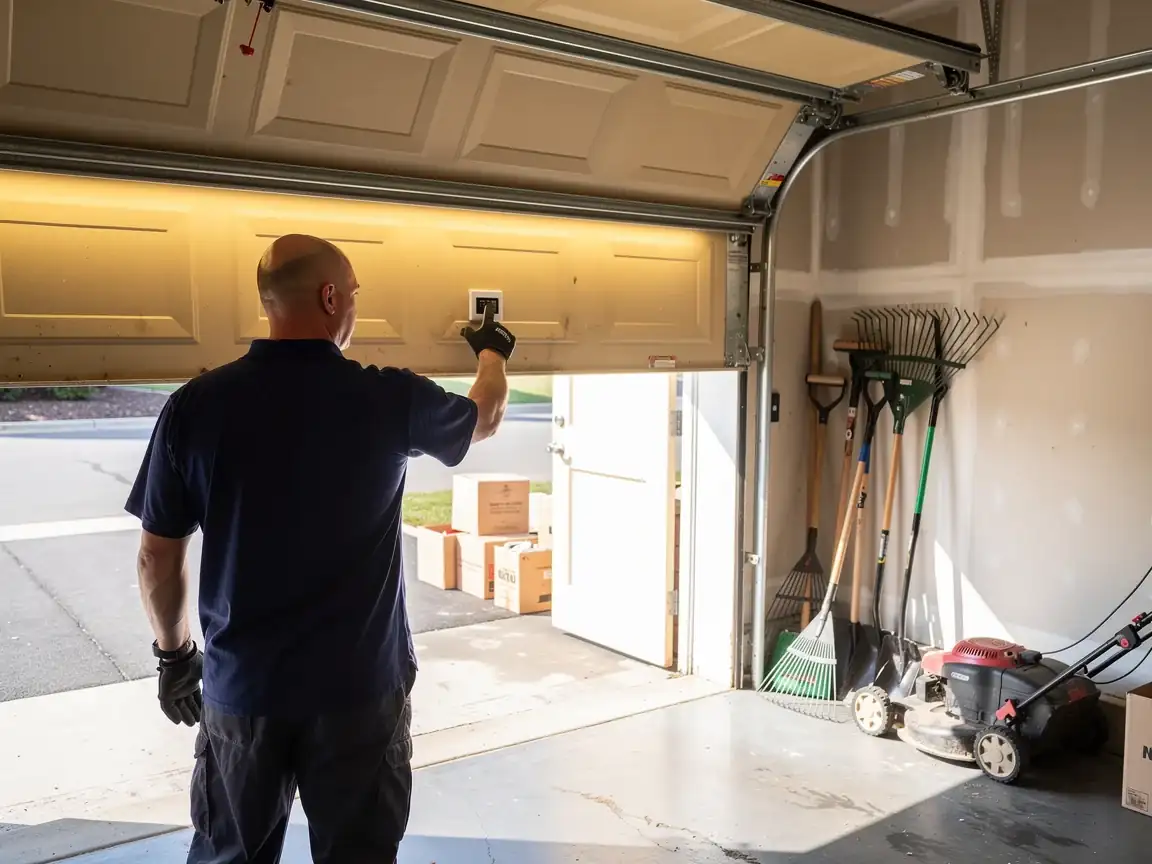
In the meantime the door stays operable on its remaining panels in most cases
It's a cosmetic and structural weak point, not necessarily a dead door, unless the damaged section has pulled off its rollers.
What It Costs
Scottdale's median household income runs $82,778 - close to $10,000 above the $73,075 median across the rest of our service area. That gap is worth knowing before you decide between a panel swap and a full door. At incomes in this range, the math on a single-panel repair tends to favor fixing rather than replacing, as long as the rest of the door - track, springs, opener - is in decent shape and the panel can actually be matched.
Where that flips is age and damage spread. A door that's taken hits on two or more panels, or one where the matching panel for an older stamped pattern has to be custom-ordered, starts closing the price gap between a panel repair and simply replacing the whole door. We don't have a flat number to quote you here without seeing the door - panel pricing depends on the manufacturer and profile - but we'll walk you through both numbers side by side before any work starts.