Why It Happens Here
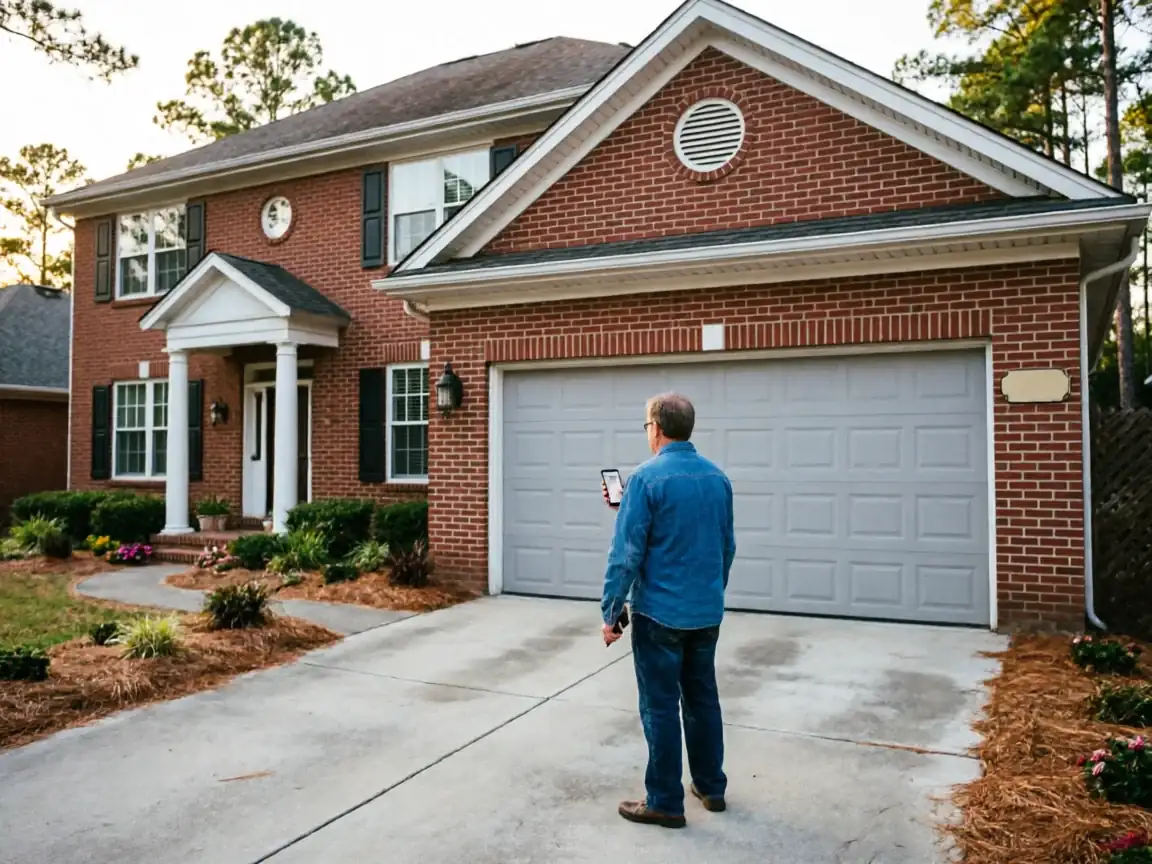
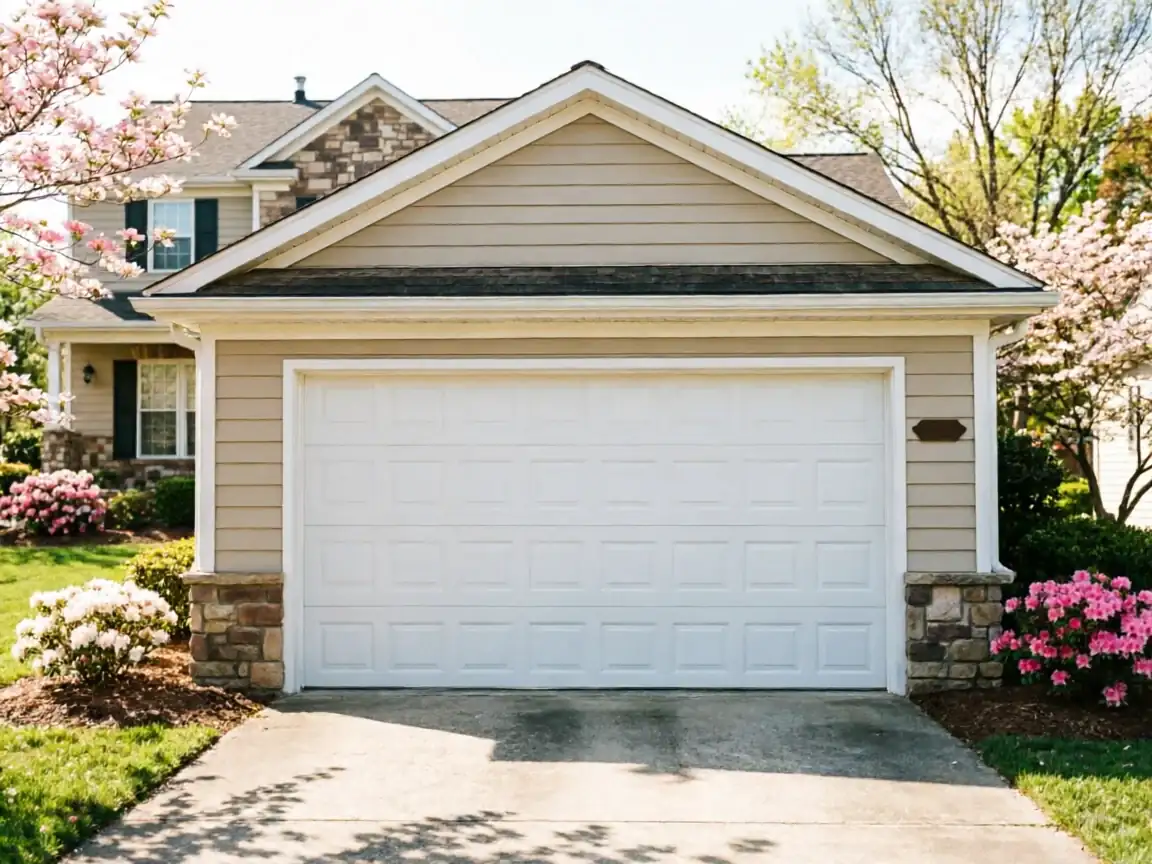
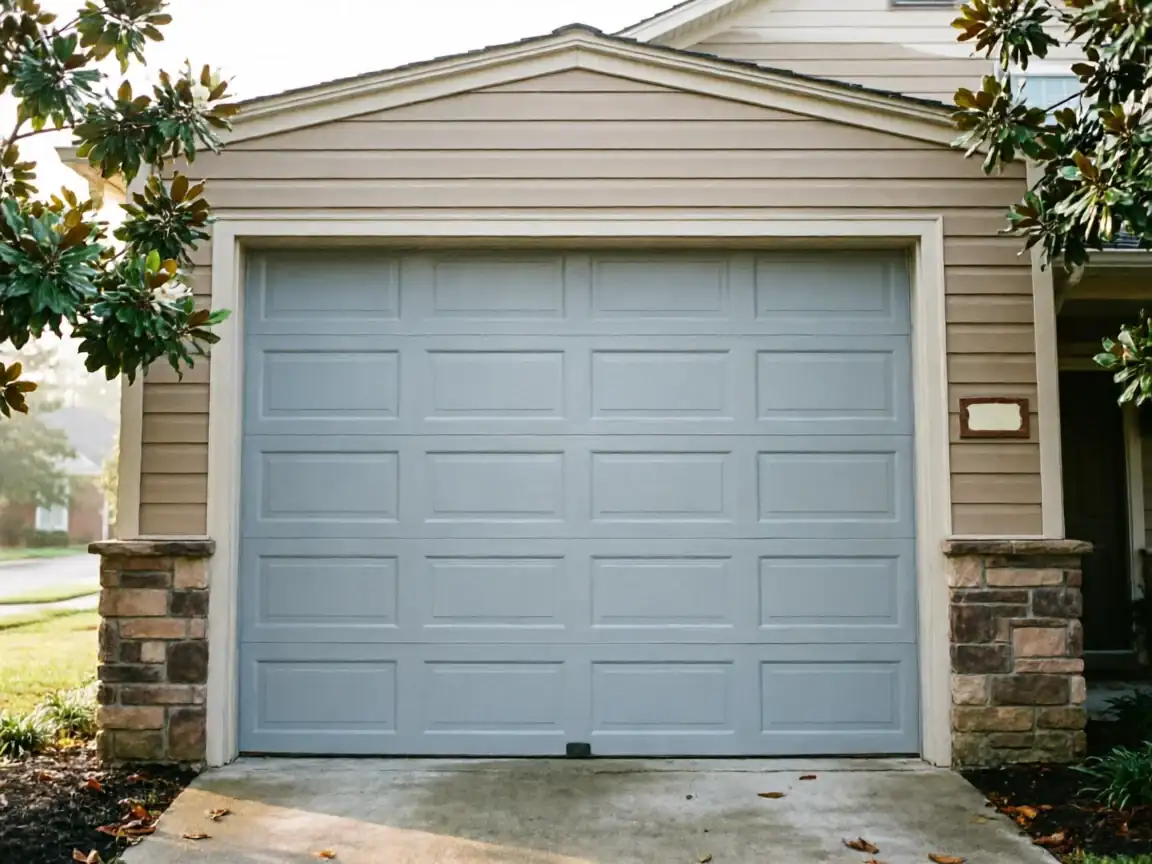
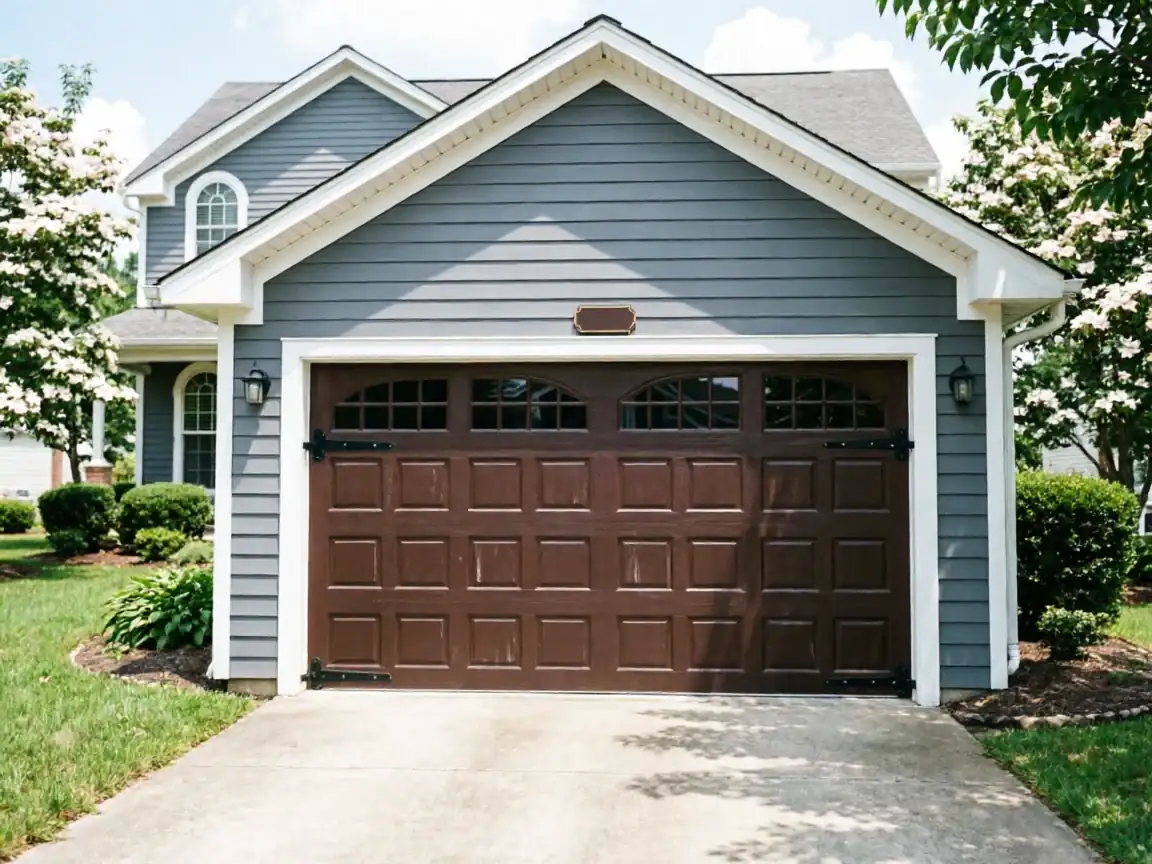
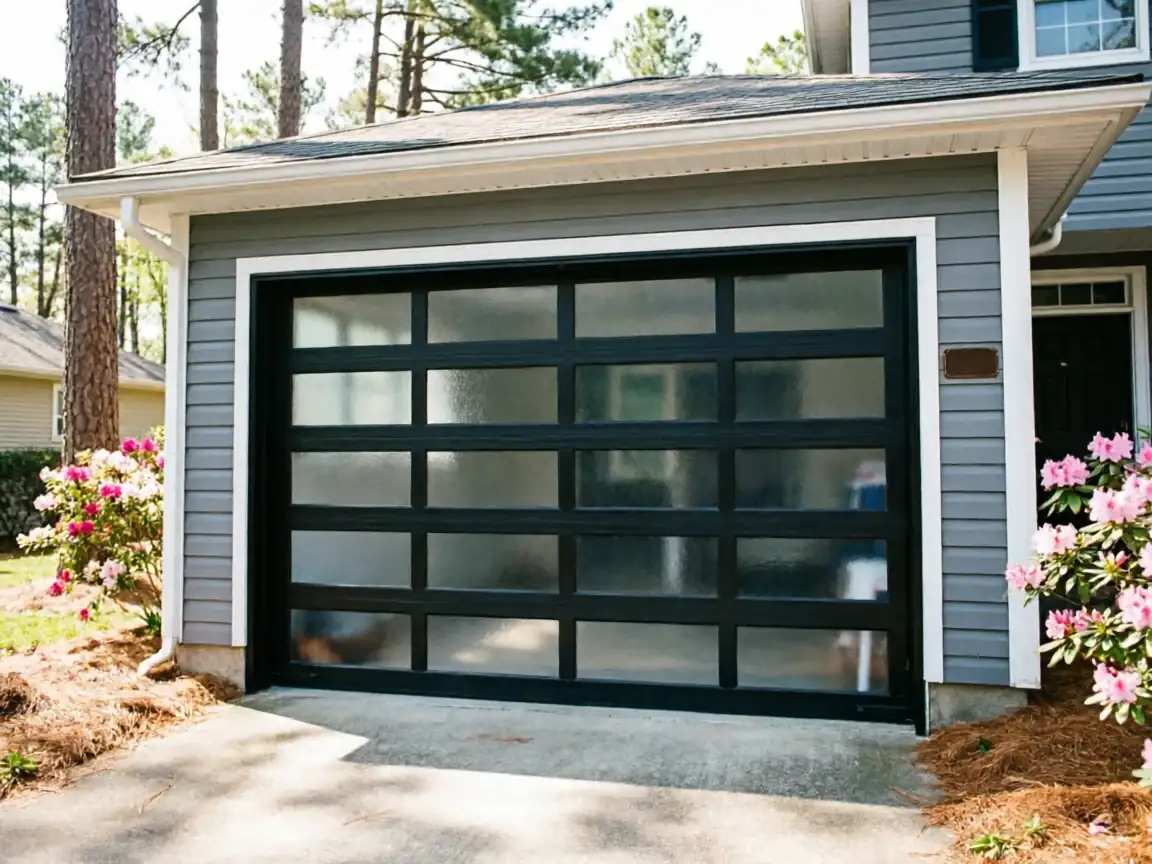
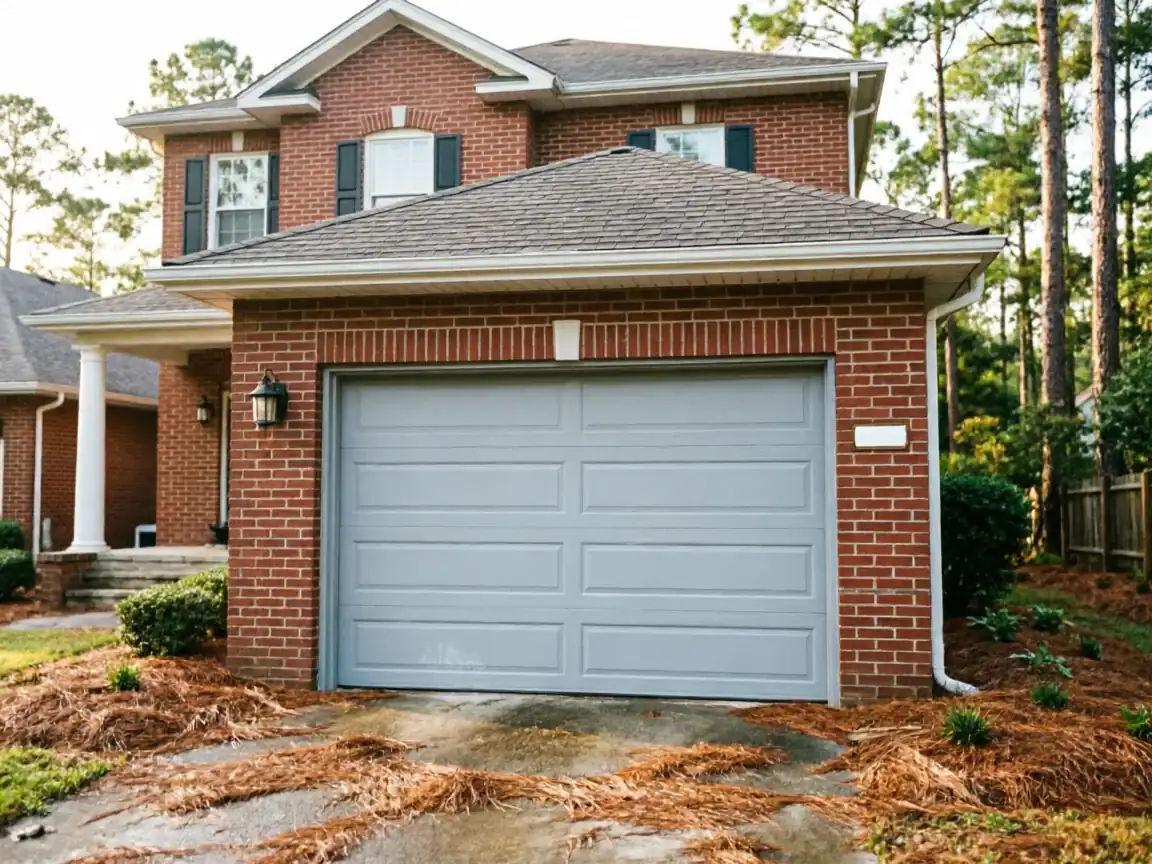
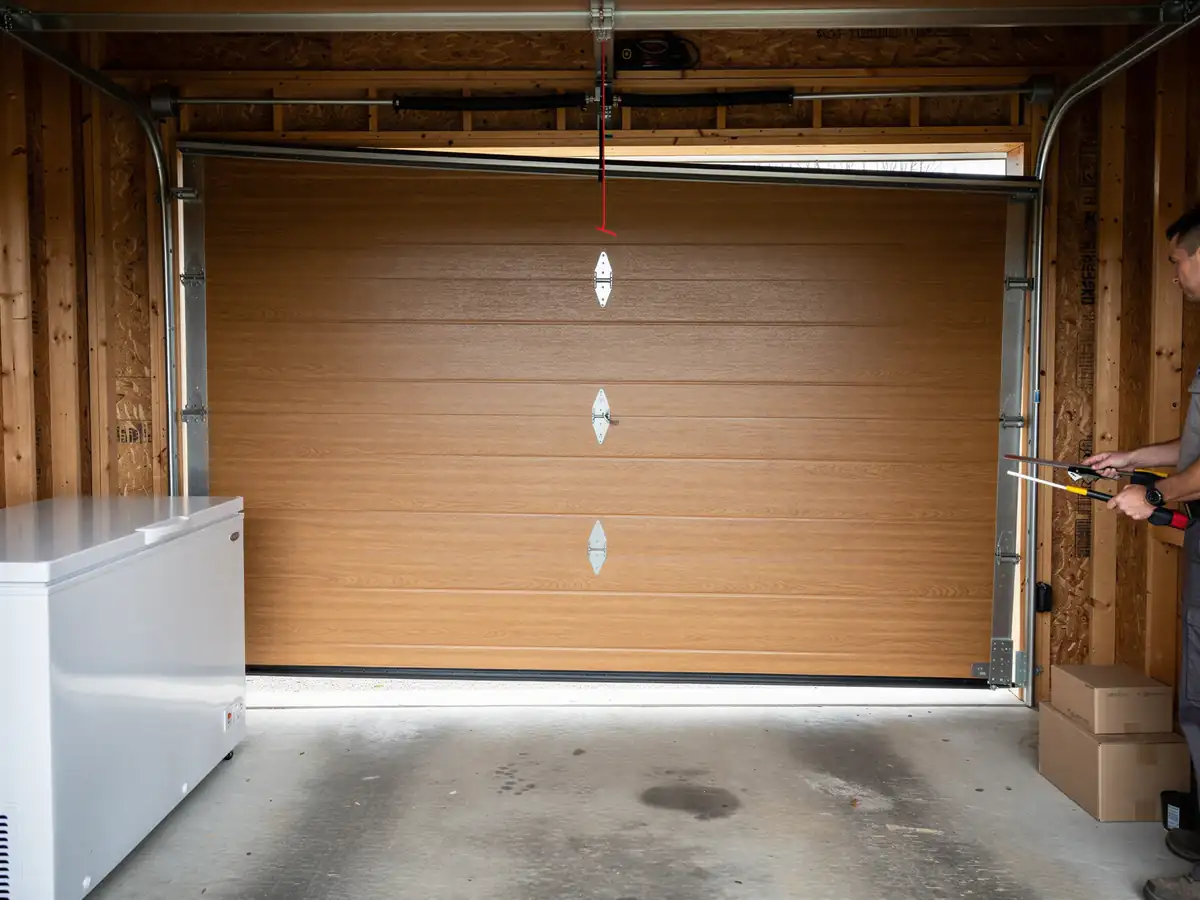
Most houses in Scottdale went up around 1984, give or take a few years either side. That's a specific kind of door: a single-layer steel panel, usually 16x7 for a double bay or 9x7 for a single, hung with little or no insulation because nobody was pricing energy codes into a garage door back then. No foam core, no vinyl backing, often a thin baked-on finish that's been through four decades of Georgia summers and winters. By now the steel has usually dented or rusted along the bottom panel where water sits, and the hardware - hinges, rollers, the track itself - has outlived its design life even if the door still looks fine standing still. That's the door you're replacing, not a modern one. We're not patching a five-year-old door here; we're pulling out a unit that was built before double-layer insulated steel was standard, and putting in one that actually is. The fault that brings most Scottdale homeowners to a new install isn't one dramatic break - it's thirty-plus years of a door doing exactly what it was built to do, and that build was thinner than what's sold today.
What the Repair Takes
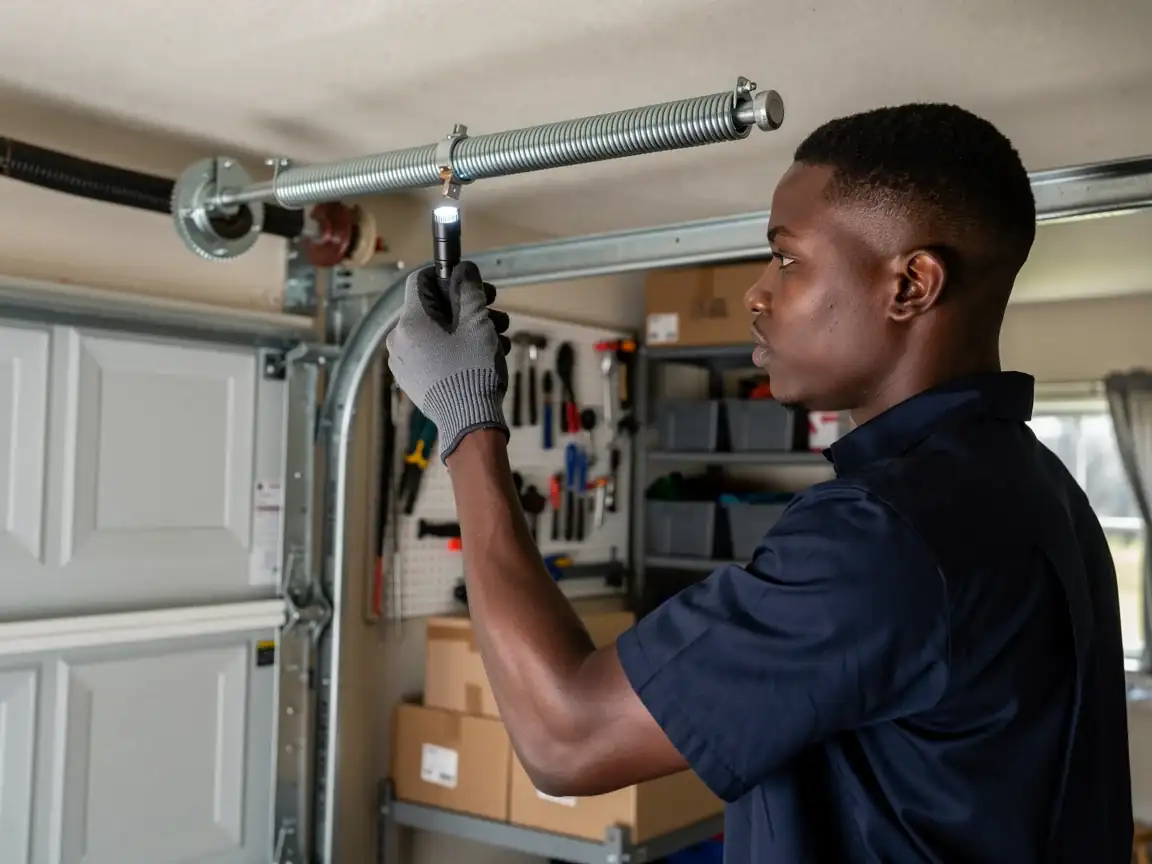
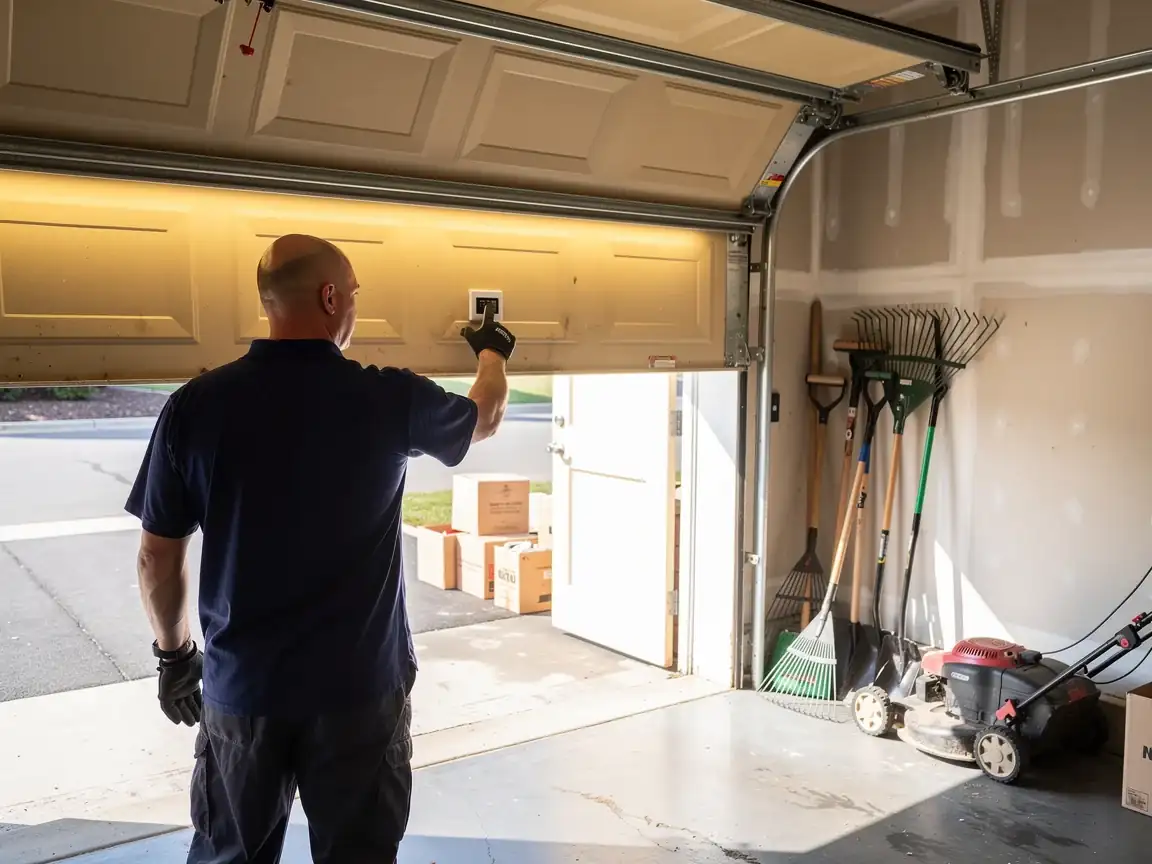
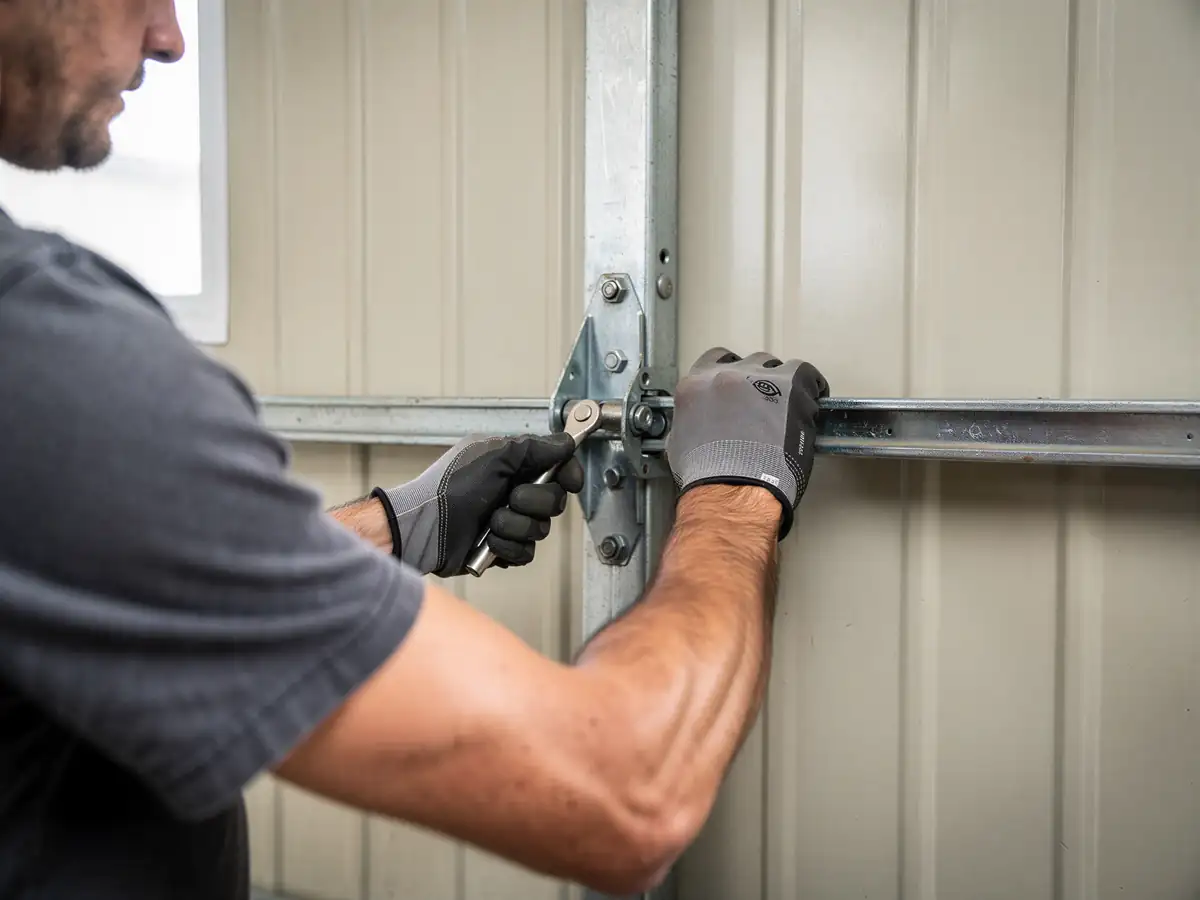
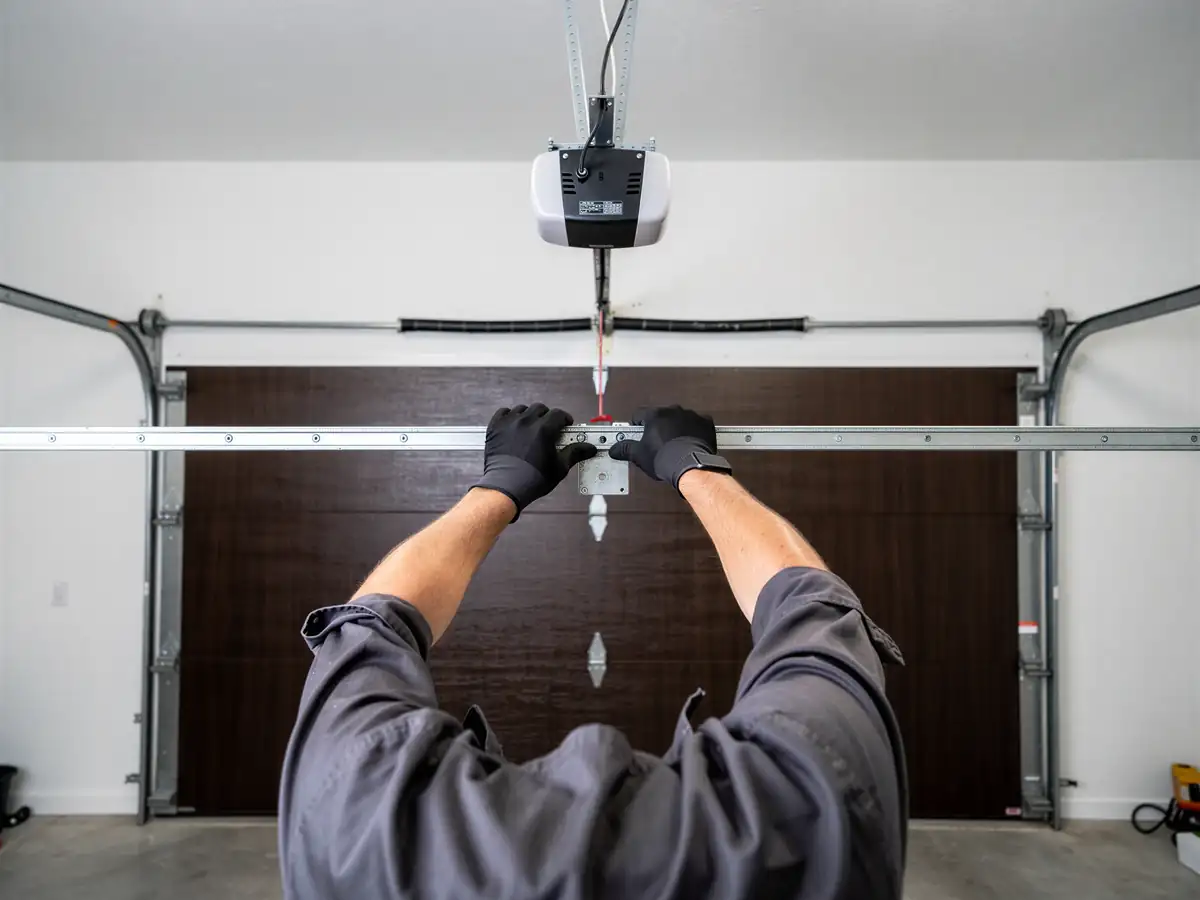
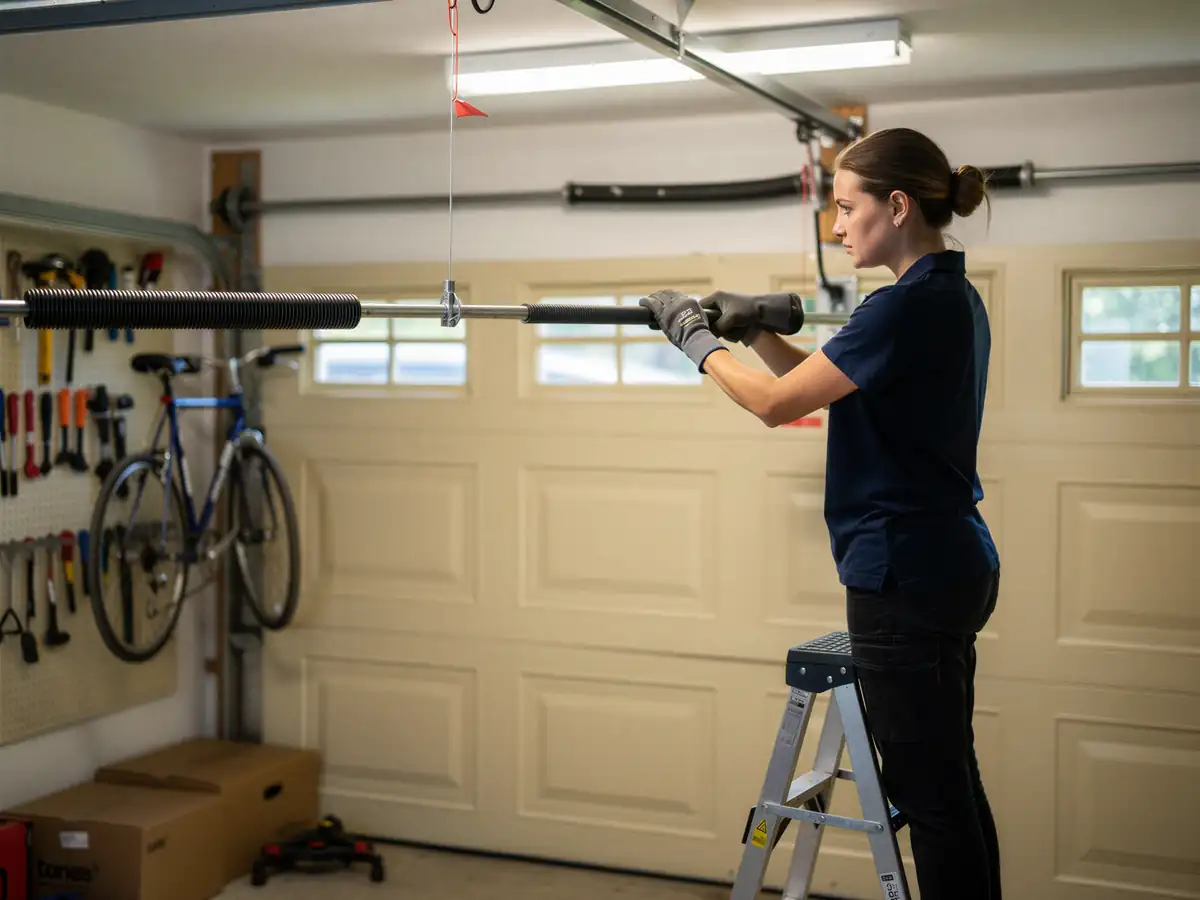
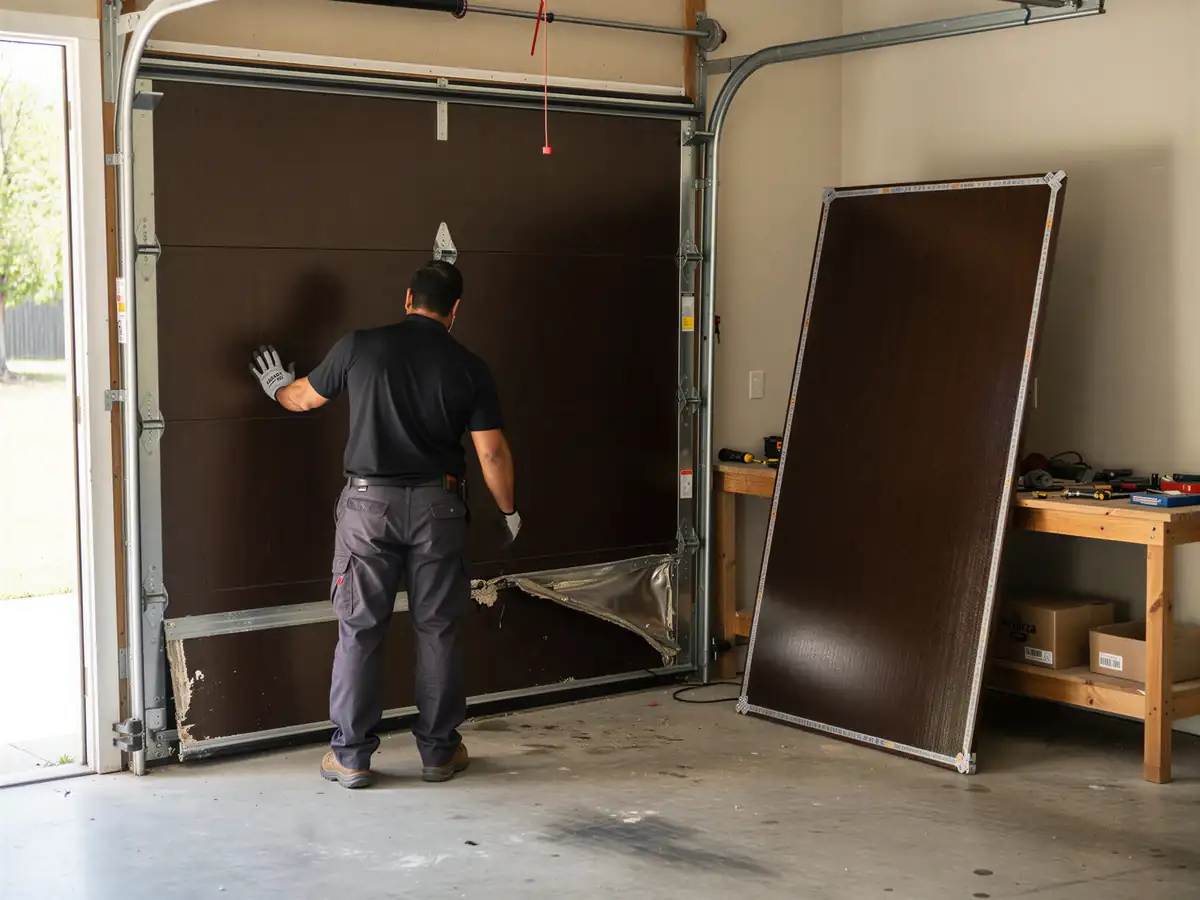
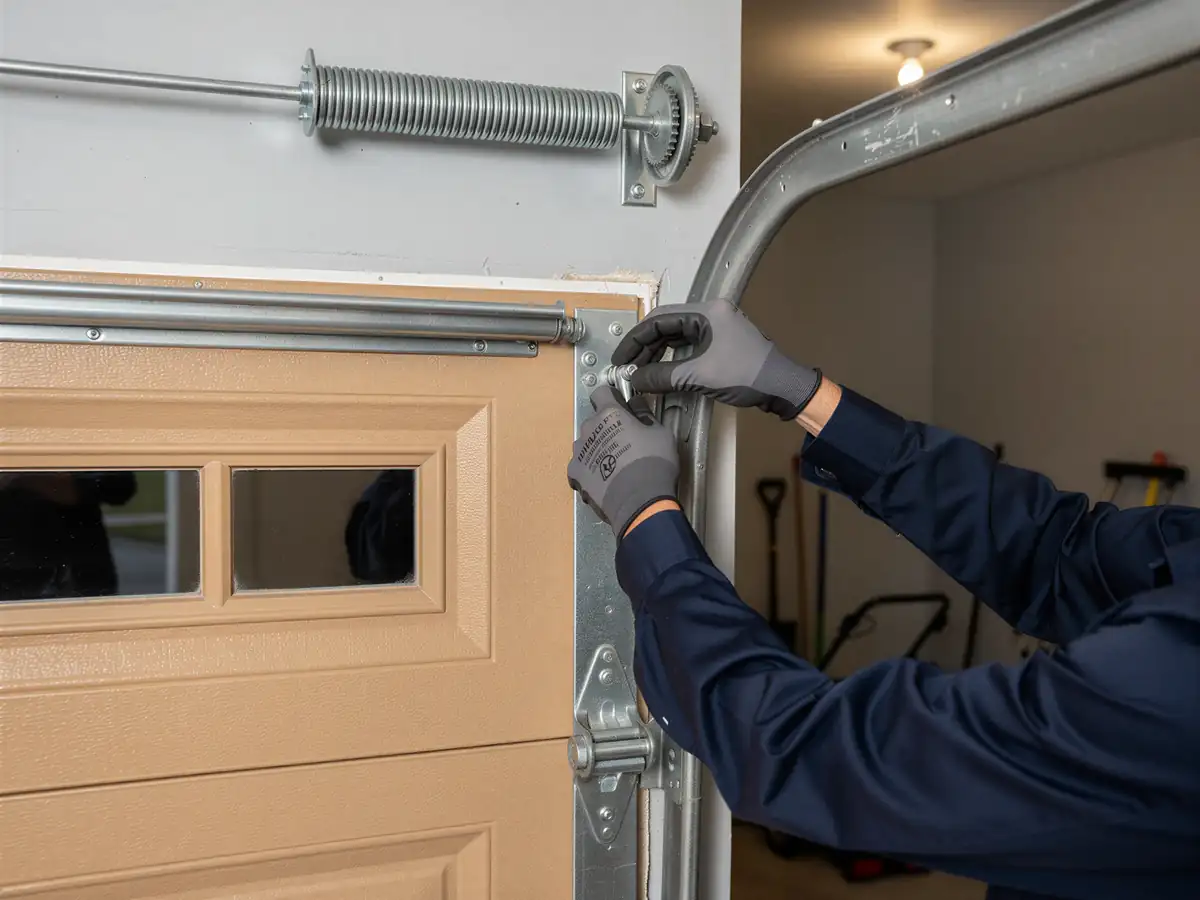
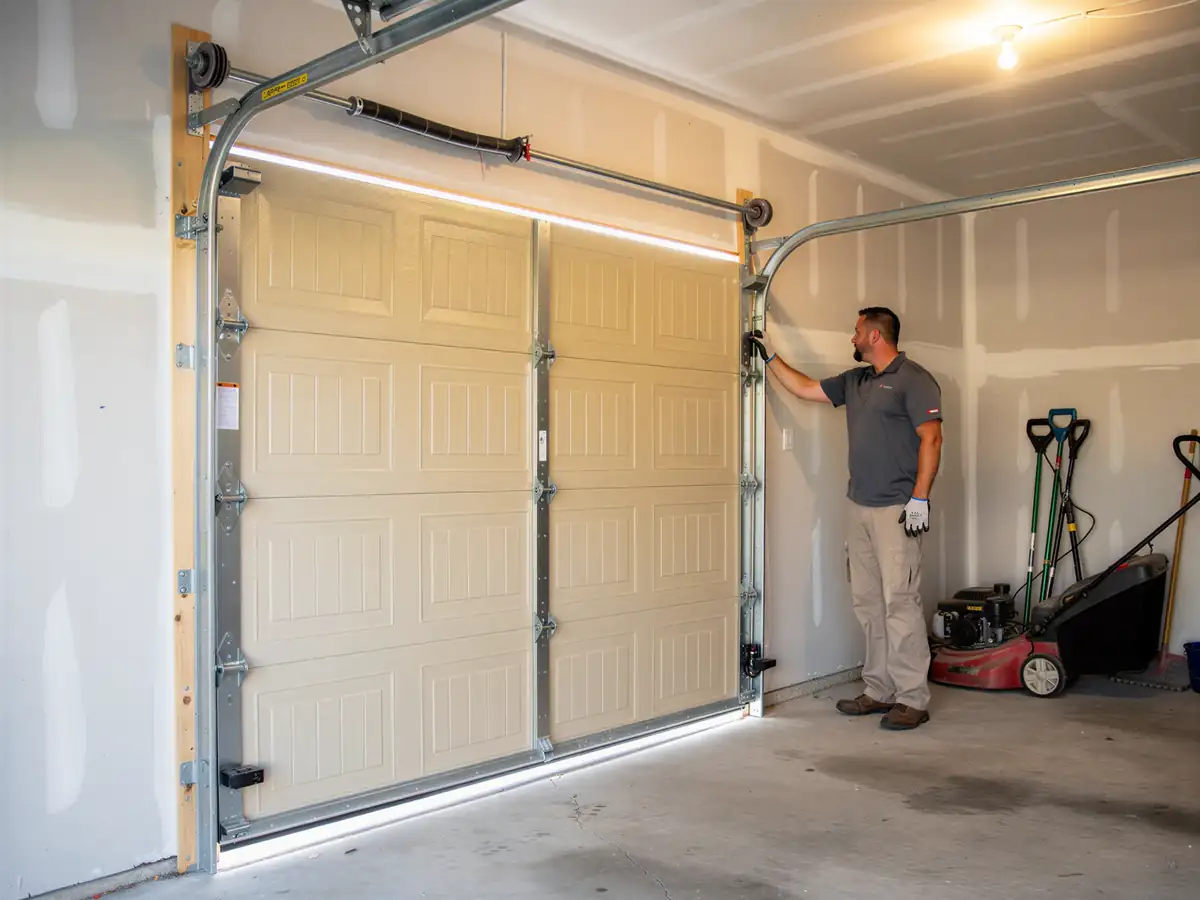
Installing a new door on a 1984-era opening means dealing with an opening that was framed for the old door's dimensions and track geometry, not today's. We pull the old panels and track, check the jambs and header for square - older framing shifts over the decades, and if it's out of square the install takes longer because we're shimming and adjusting rather than just bolting new track to old lines. Springs get replaced as a matched pair regardless of which one looks original, since the other side is just as old even if it hasn't failed yet. On a double-car opening that's standard in this part of the service area, the torsion setup and cable routing has to be sized to the new door's actual weight, which is usually heavier than the thin steel it's replacing - insulated panels weigh more. One honest limit: if the opening itself has settled or the header's compromised, that's carpentry work beyond a door install, and we'll tell you before we quote the job rather than after.
What It Costs
Cost on a new install comes down mostly to the door itself - size, insulation, material - and what the opening needs beyond the door. Scottdale's median household income runs higher than the broader Norcross service area average, and we see that reflected in homeowners here more often opting for insulated steel over the bare minimum, which changes the number on the quote. A straight double-door swap with no framing work costs less than one where the jambs need squaring or the track needs re-routing for a heavier panel. We don't publish a flat number because the age and condition of a 1984 opening varies house to house even on the same street - what we can do is walk the opening with you and give a number before any work starts, not after.