The DIY Question
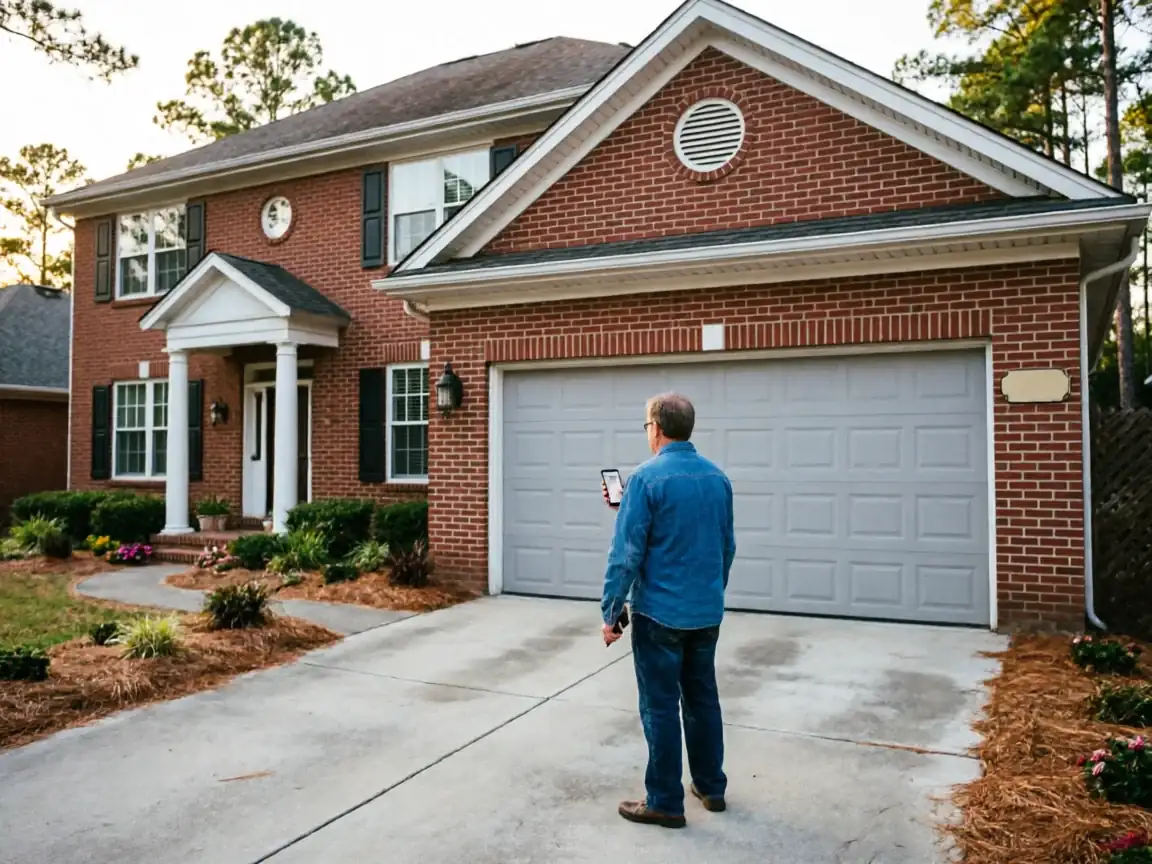
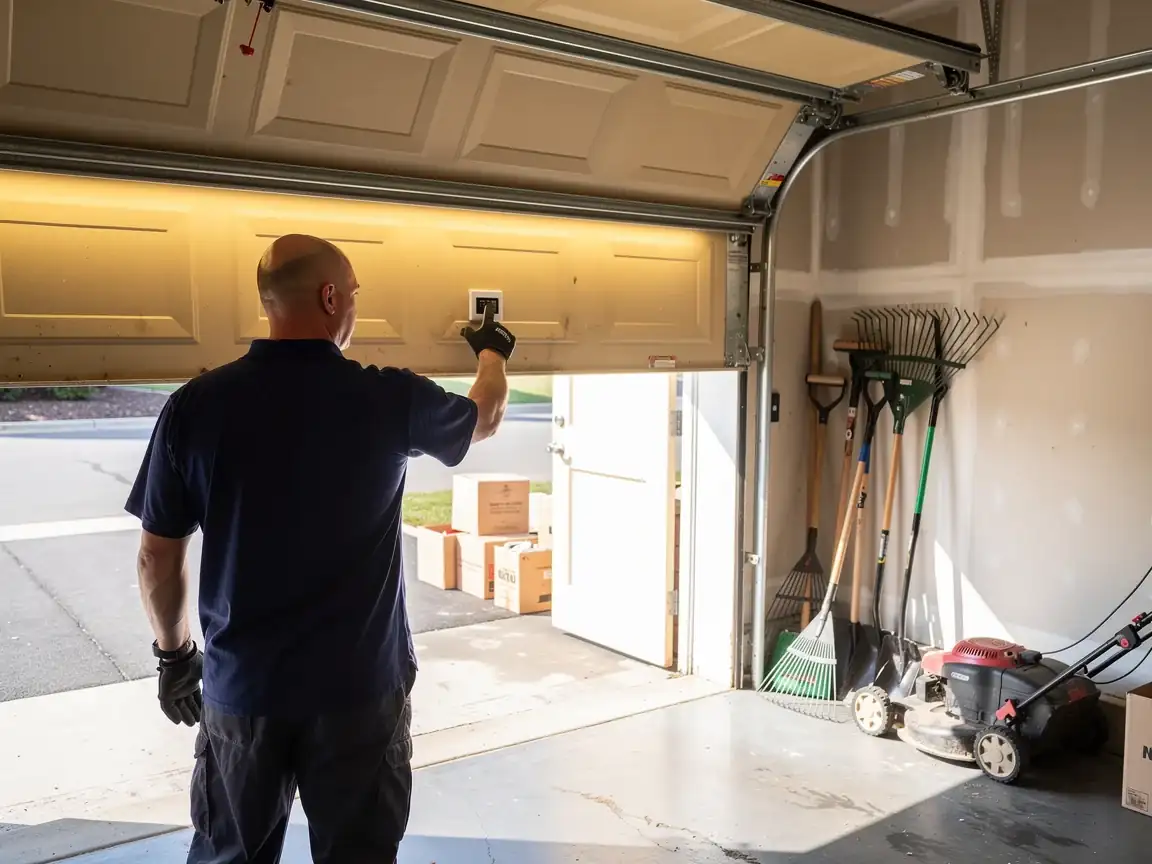
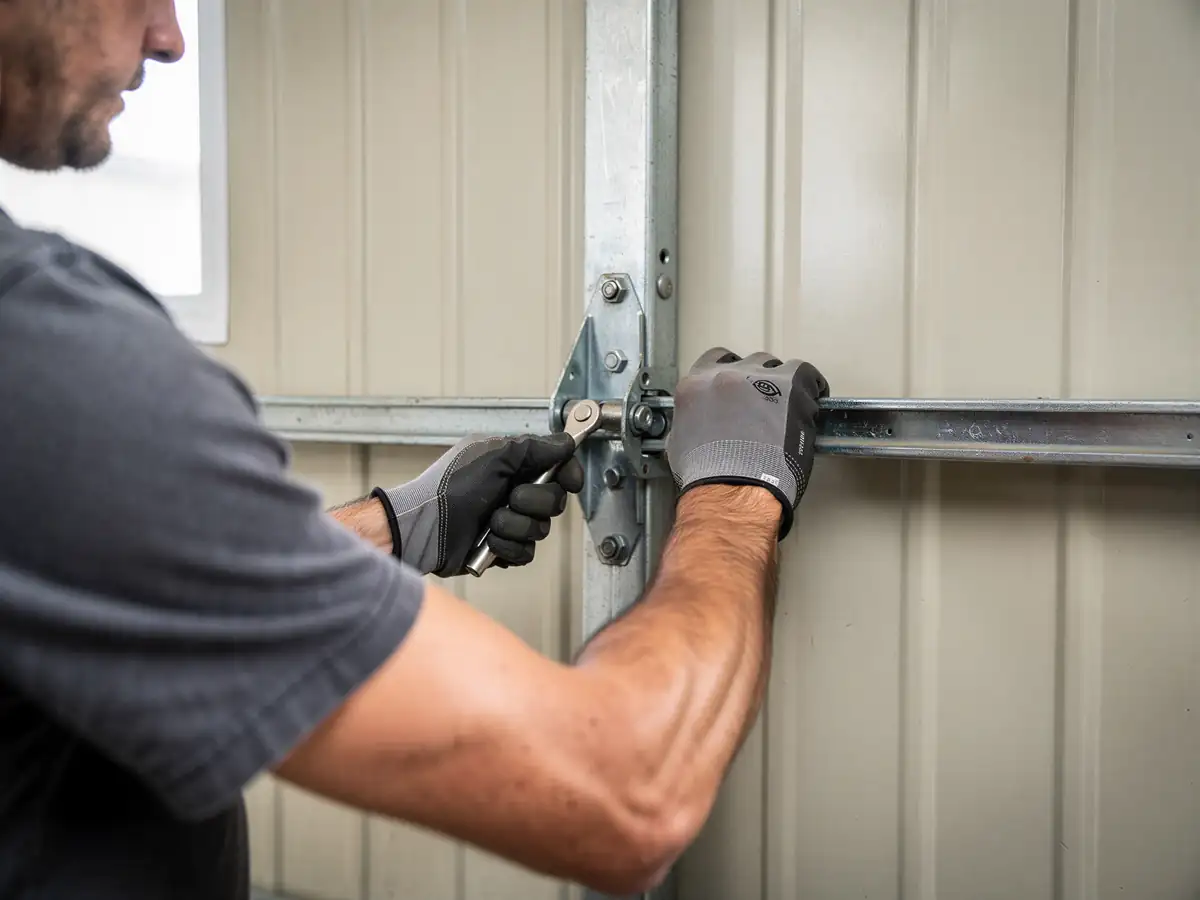
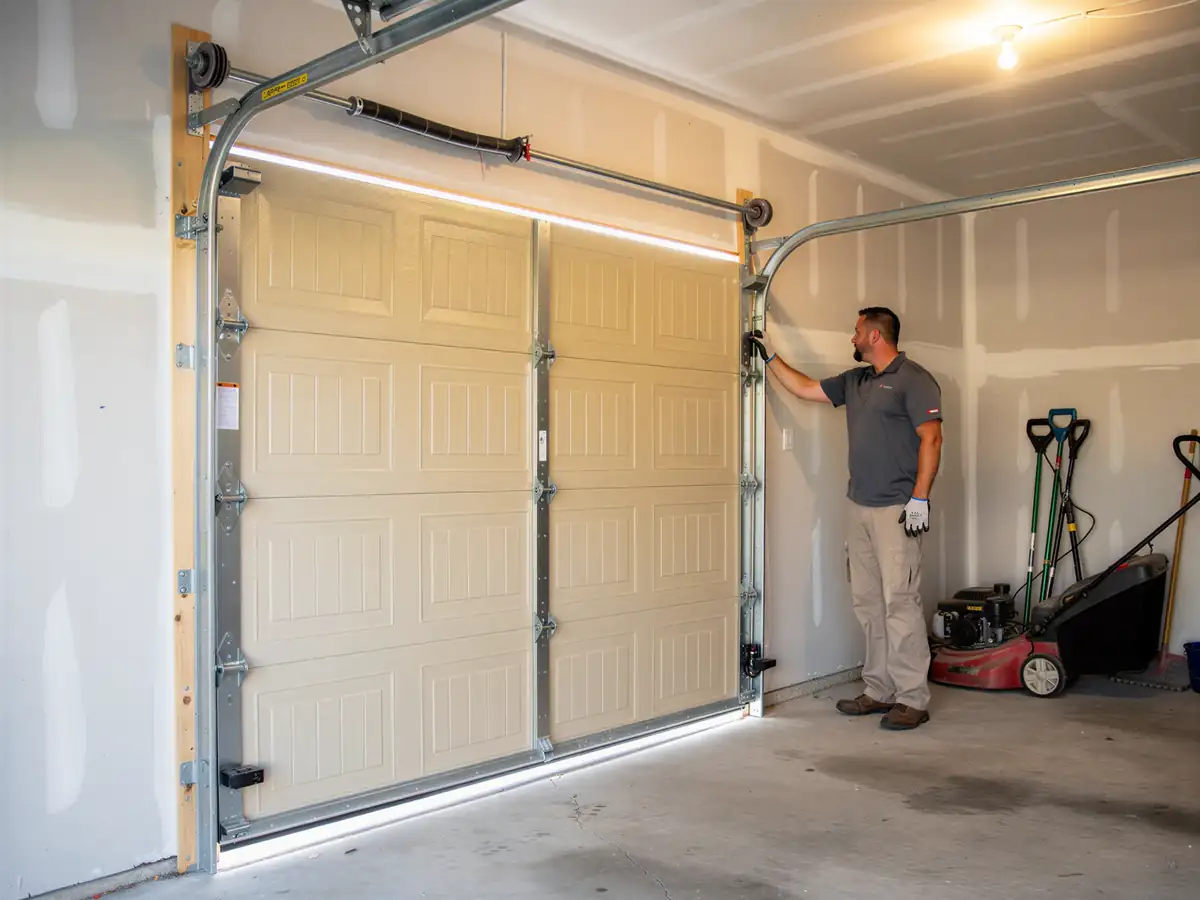
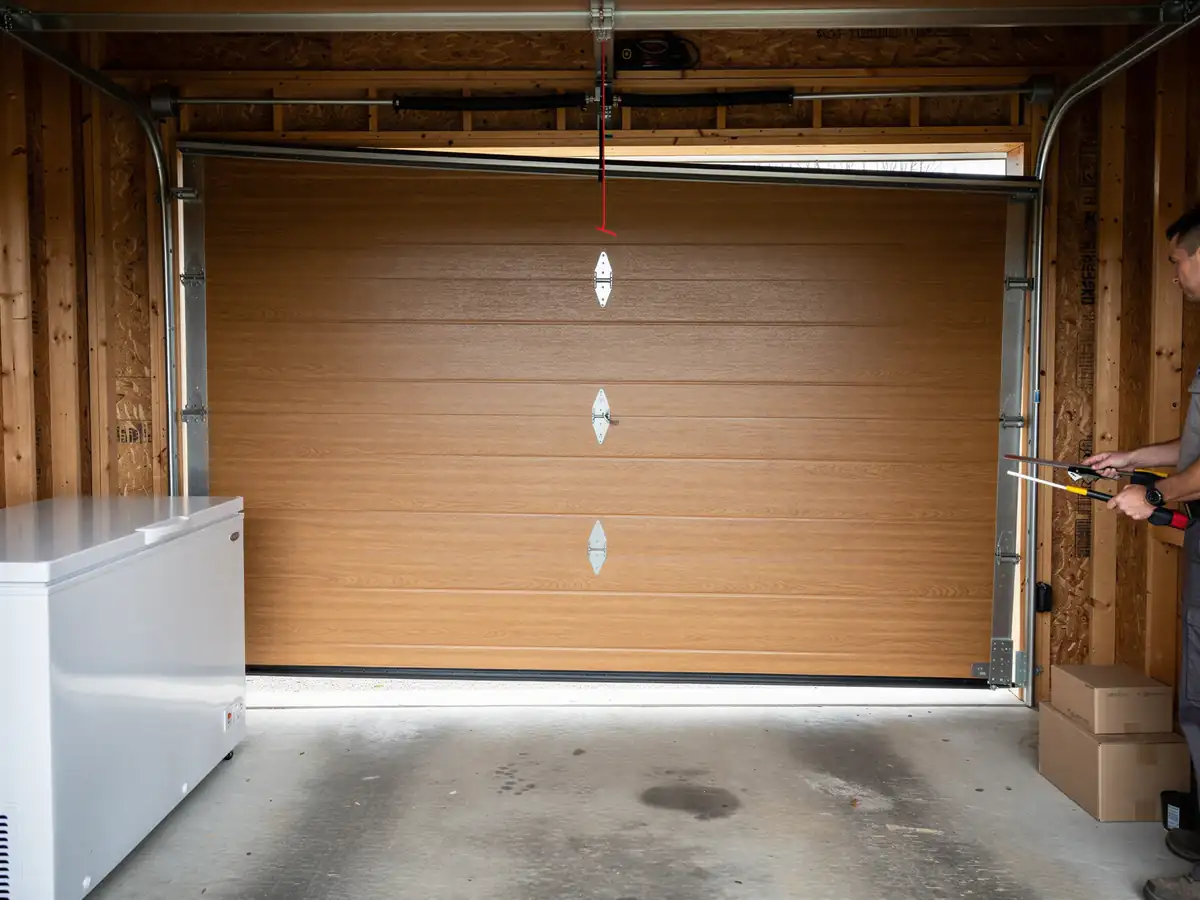
A door that's jumped track looks like something you can muscle back into place, and sometimes you can - if the door is still mostly square in the opening and only one roller popped a few inches out of the rail. Push the car out of the way, kill the opener, and look at where the roller actually sits before you touch anything.
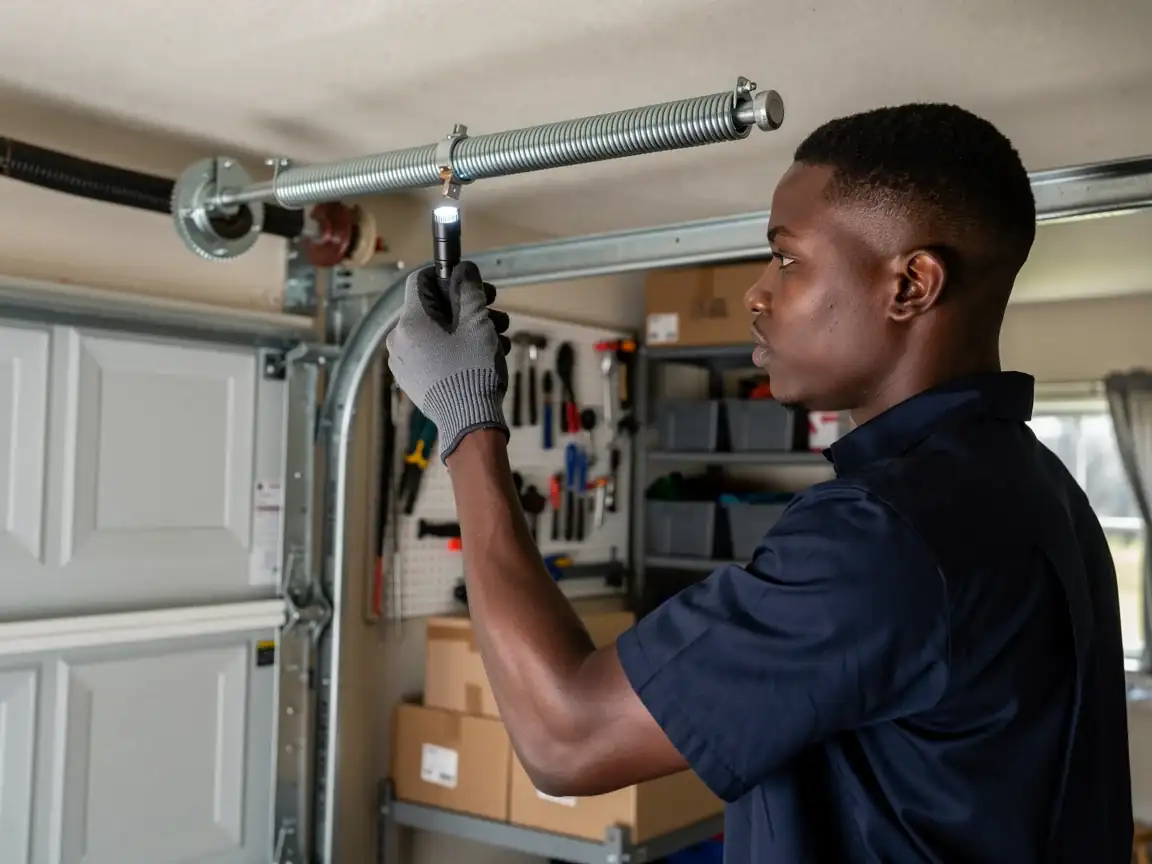
What you should not do is yank on the door with the springs still under tension. If the door is crooked, hanging at an angle, or one cable has gone slack and is hanging loose, the spring is doing something it isn't built to do and the whole assembly can come down. That's not a DIY repair, that's an ER visit waiting to happen.
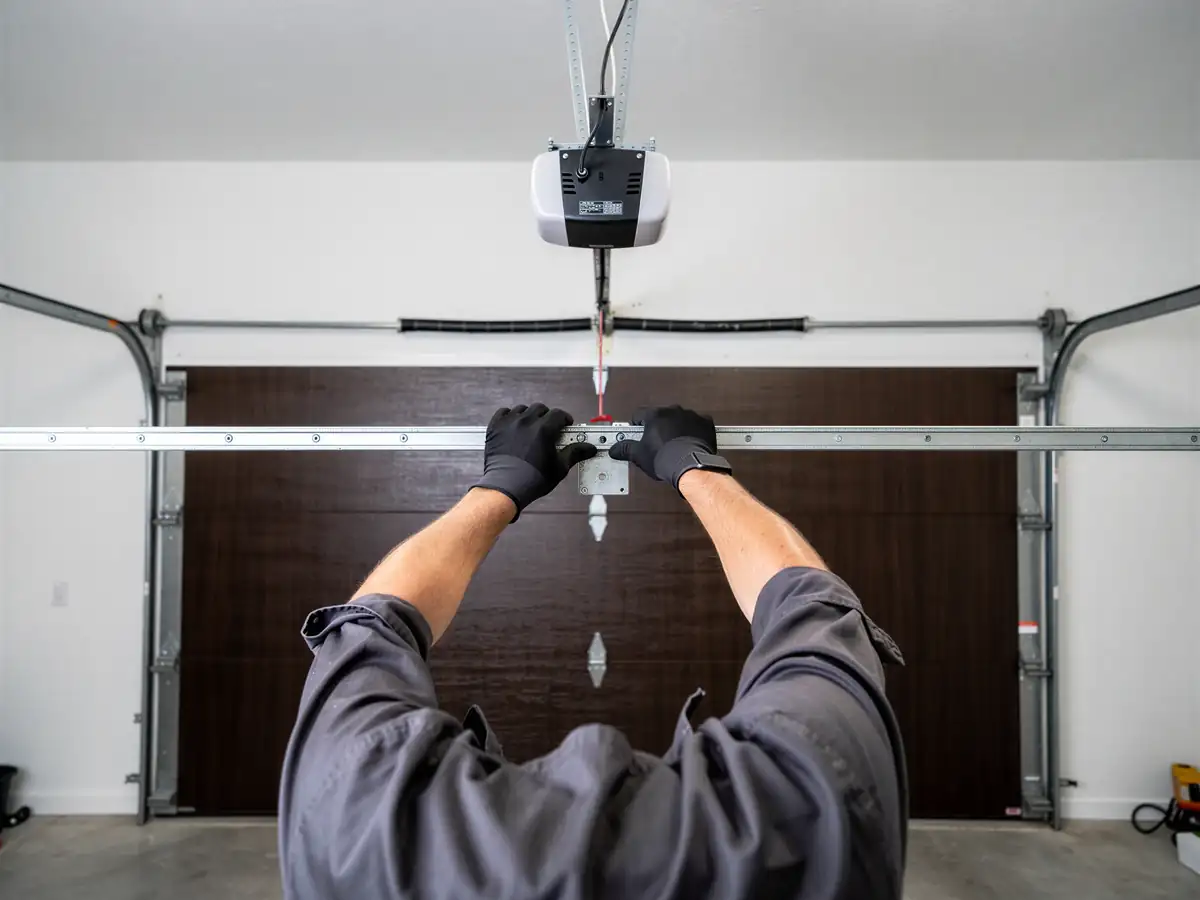
Here's the honest limit: if the track itself is bent - not just the roller out of the channel, but the metal rail actually kinked - bending it back rarely holds. Replacing that section of track is usually less work in the long run than fighting a track that keeps throwing the roller every few weeks. We'll tell you straight which one you're looking at before we quote anything.
Why It Happens Here
Norcross sits in a cold-moderate climate band, and the yearly freeze-thaw cycle works the lag screws in track brackets loose a little more every winter. Nothing dramatic happens in any single cold snap - it's the repetition, year over year, that walks a bracket screw out of the stud just enough for the track to flex when the door runs.
Housing age plays into it too. In Norcross, the median home was built in 1977, so plenty of garage doors here are still running on their original steel track, sized for the lighter panel doors that were standard back then. Swap that out for a heavier insulated door later - which a lot of owners did - and you've got more weight riding on hardware that was never rated for it.
Across the 18 communities we serve from Norcross, housing spans 1951 to 2012, which is why track widths and bracket spacing vary more than you'd expect in a single service area. There's no single fix that applies everywhere; what's loose on a 1960s ranch isn't what's loose on a 2000s build.
The Symptom
An off-track door doesn't usually announce itself with one dramatic event
More often it's a door that's started running rough for a week or two - a scrape on one side going up, a roller that rattles louder than the others, a door that stops and hangs for a half second before continuing. Then one day it comes all the way off the rail.
Of the roughly 21,635 owner-occupied houses in the Norcross service area
A large share predate the heavier insulated doors now standard, meaning the original track was sized for a lighter panel. When that mismatch finally gives, it tends to show up as the door binding on one side first, because the bracket on that side has walked loose further than the other.
- 21,635 owner-occupied
If you catch it at the rough-running stage
It's a bracket tightening and roller swap, usually a short visit. If you catch it after the door has already jumped and come down crooked, we're also checking the cables and the spring before we touch the track, because a door that falls off track under tension can take a cable with it.
Booking a Visit
Berkeley Lake sits just 3 miles from Norcross, and Doraville about 4 - close enough that a torsion spring snap or a jumped track on either side of town often traces back to the same era of bracket and track hardware. If your door has come off the rail, don't keep running the opener trying to force it through; that's how a bent track turns into a bent track plus a stripped opener gear.
Call and describe what you're seeing - which side came off, whether the door is sitting crooked, whether you hear a cable slapping. That tells us whether to bring spring tools on the first trip or just track hardware and rollers. Visit our home page for the full range of what we handle beyond this one repair.