Why It Happens Here
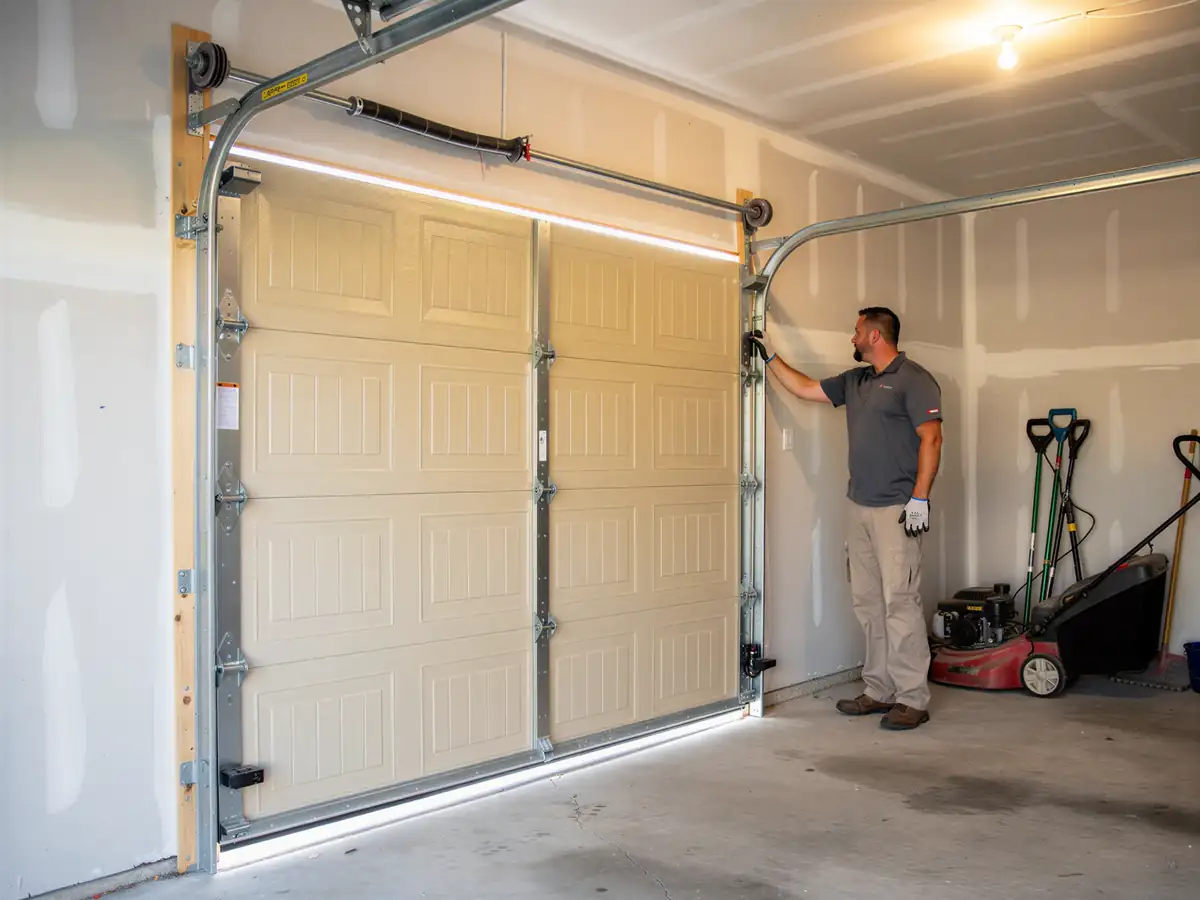
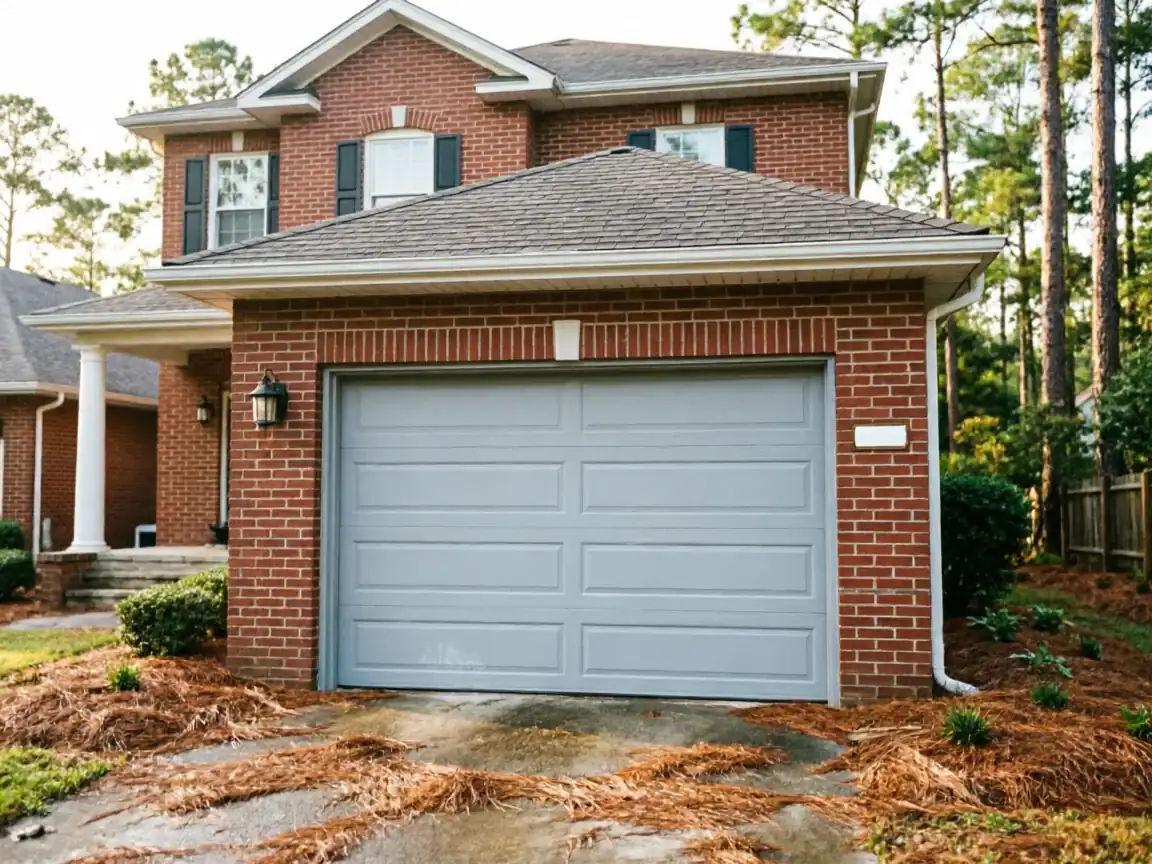
Across the Norcross service area, the median house dates to 1977, but Scottdale's own median build year runs later, around 1984. That seven-year gap matters more than it sounds. Houses from the late 1970s and earlier often still carry the original single torsion spring on a steel shaft that was never upgraded. Scottdale's stock, being a bit newer, is more likely to have come with a double-spring setup or at least a torsion system sized for a slightly heavier insulated door, which was becoming standard by the mid-1980s.
That doesn't mean Scottdale springs last forever. A spring is rated in cycles, not years, and a door opened twice a day for four decades runs out of cycles whether the house was built in 1965 or 1984. What changes is the failure mode we see. Older torsion setups here tend to snap outright. The slightly newer stock more often shows a spring that's stretched or lost tension gradually, so the door gets heavy and the opener starts straining before anything breaks clean.
The cold-moderate climate this area sits in adds its own wear. Metal contracts in winter cold snaps, and a spring already near the end of its cycle life is more likely to fail on a cold morning than a mild one. It's not a dramatic factor, just a steady one.
What the Repair Takes
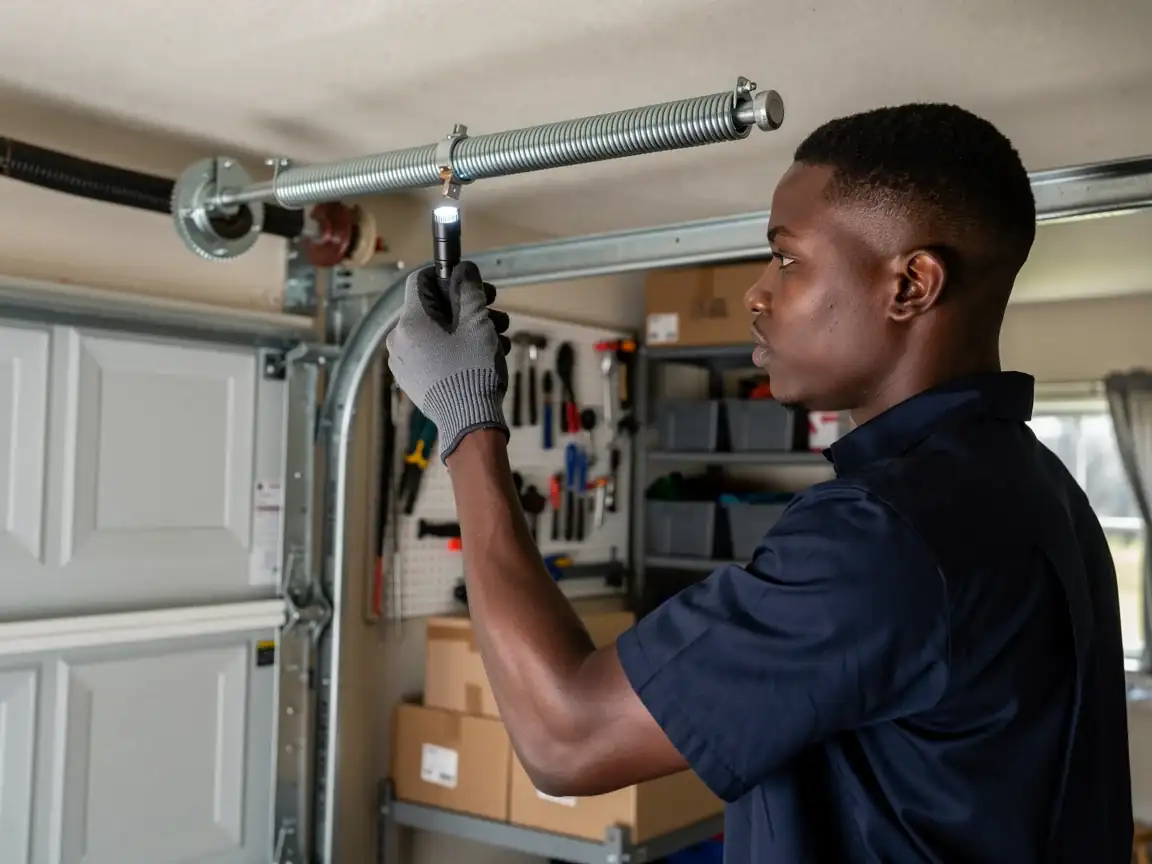
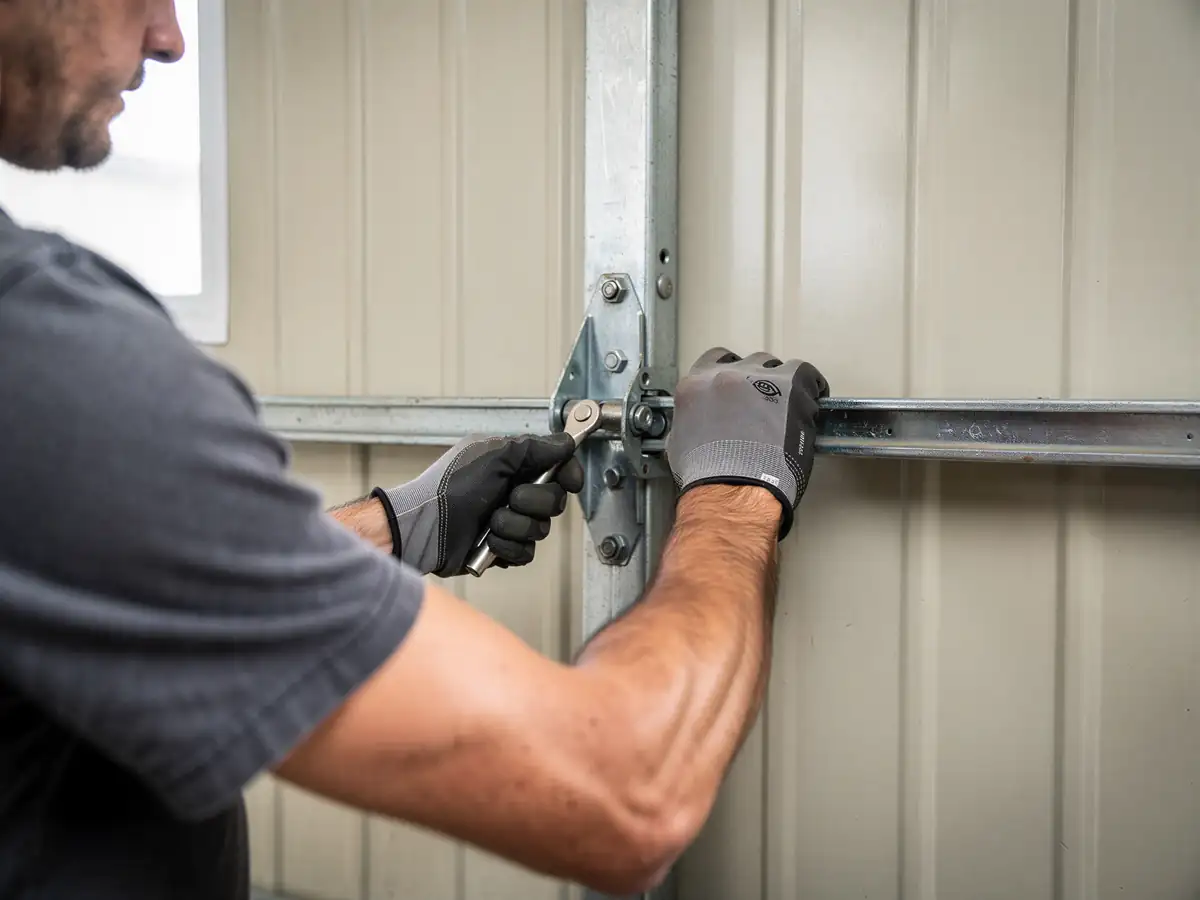
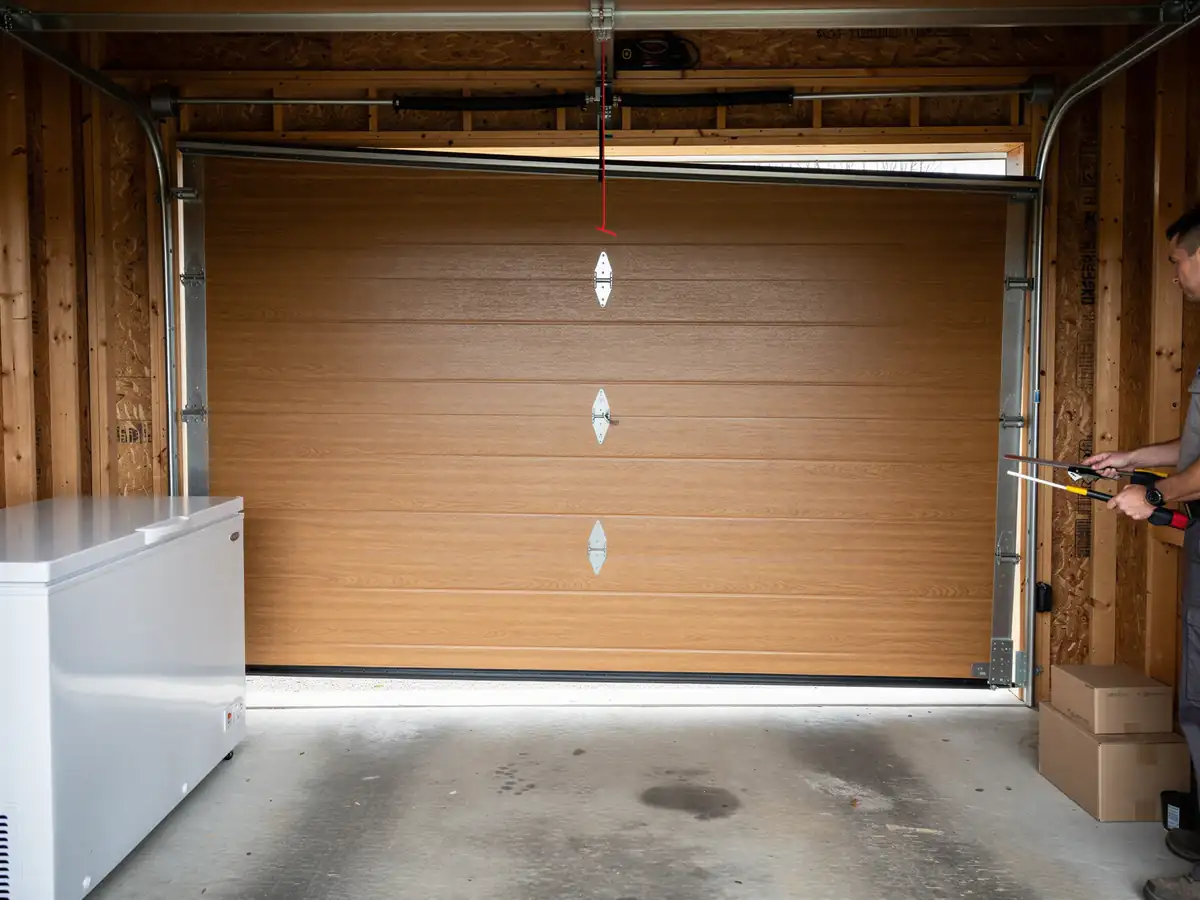
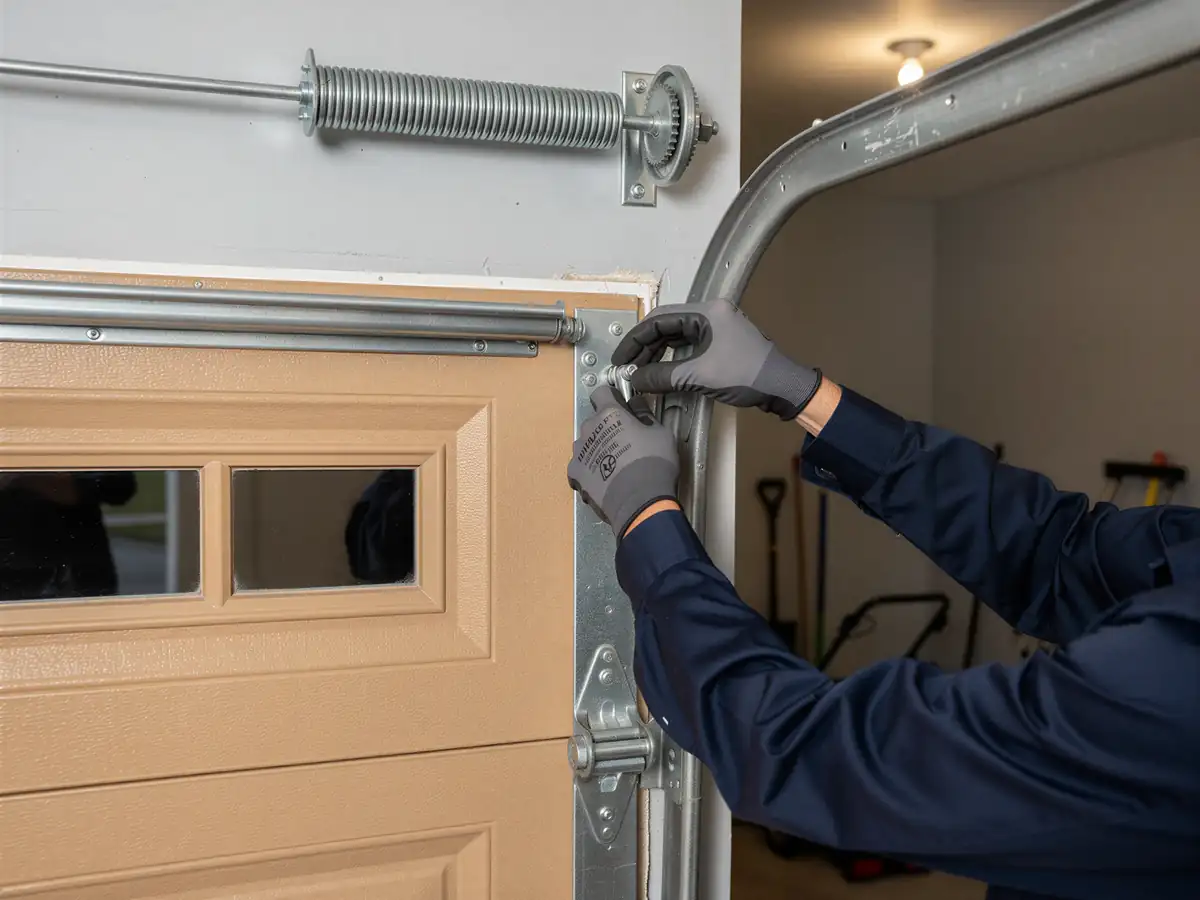
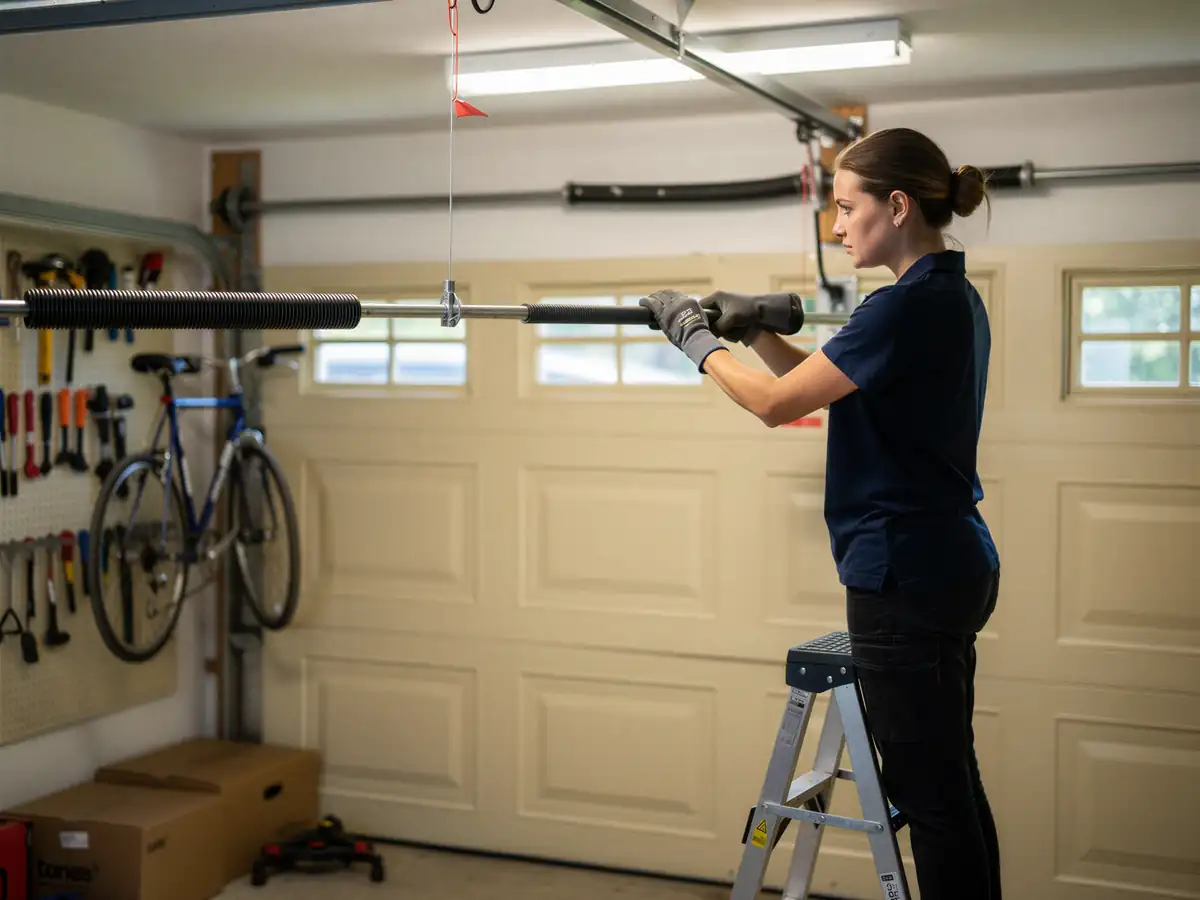
Most jobs are a straight torsion spring swap: we match the wire size, coil diameter and length to what's already on the shaft rather than guessing off a chart, because even within Scottdale's narrower build-year range we still see mismatched springs from a prior repair. If the door has extension springs instead of torsion - more common on older single-car garages than on anything built after the late '70s - the job includes checking the safety cables, since those are often missing on older extension setups and we won't leave a door without them.
We also check the drums, end bearings and the center bearing plate while the spring is off, since a spring failure on a door this age is sometimes the second failure, not the first - a seized bearing often spent the spring's cycle life faster than it should have. We don't replace parts that aren't worn just to pad the ticket. If the drums and bearings are fine, we say so and move on.
One limitation worth saying plainly: if the torsion shaft itself is bent or the door is a size we don't stock springs for on the truck, we won't force a same-visit fix. We'd rather order the right part than install a spring that's close enough.
How Long You Are Without the Door
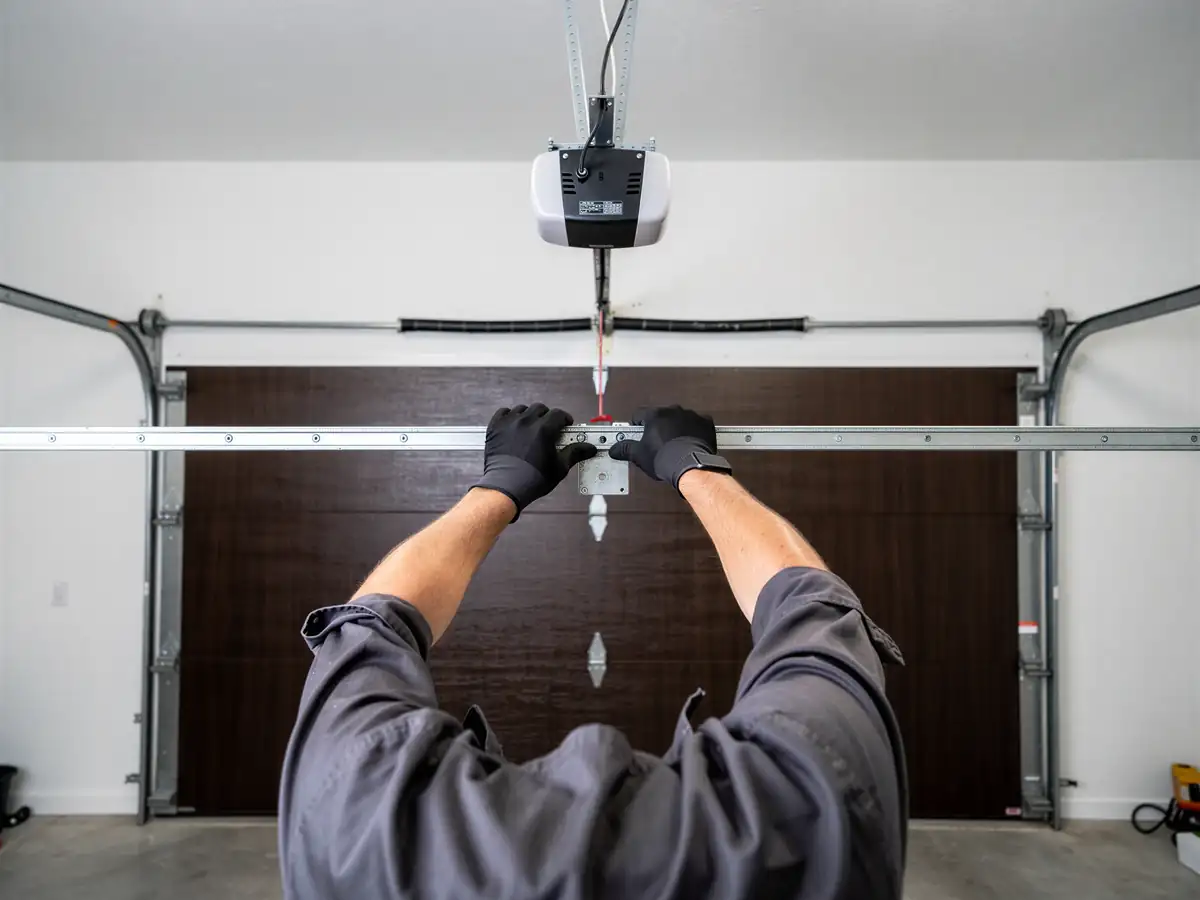
A standard torsion spring replacement on a Scottdale garage, once we're on site, usually runs under two hours door-to-door for a single spring
Longer for a double-spring torsion bar or if the drums need replacing too. We travel from Norcross, about 10 miles out, so plan for that drive time on top of the repair window rather than treating it as part of the repair itself.
- 10 miles
If you've got one broken spring on a two-spring system
The door is often still liftable by hand in the meantime, carefully, with the opener disconnected - but we don't recommend running the opener on a broken spring even once, since that's how a cable snaps or a panel gets racked. Leave the door down and the opener unplugged until we get there.
What It Costs
We don't publish a flat price here because spring jobs vary by door weight, spring count, and whether bearings or drums need replacing alongside the spring - all of which we confirm on site before any work starts. What we can tell you is that this area's household income runs higher than the service-area median of $73,075, closer to $82,778, which is less about what we charge and more context for why newer, heavier insulated doors with higher-capacity springs are more common on this side of the service area than elsewhere.
We quote the job after a look at the door, not over the phone off a guess. If a spring repair would cost close to what a full opener or door replacement runs, we'll tell you that too rather than patch something that's going to fail again in a year.