When to Get Help
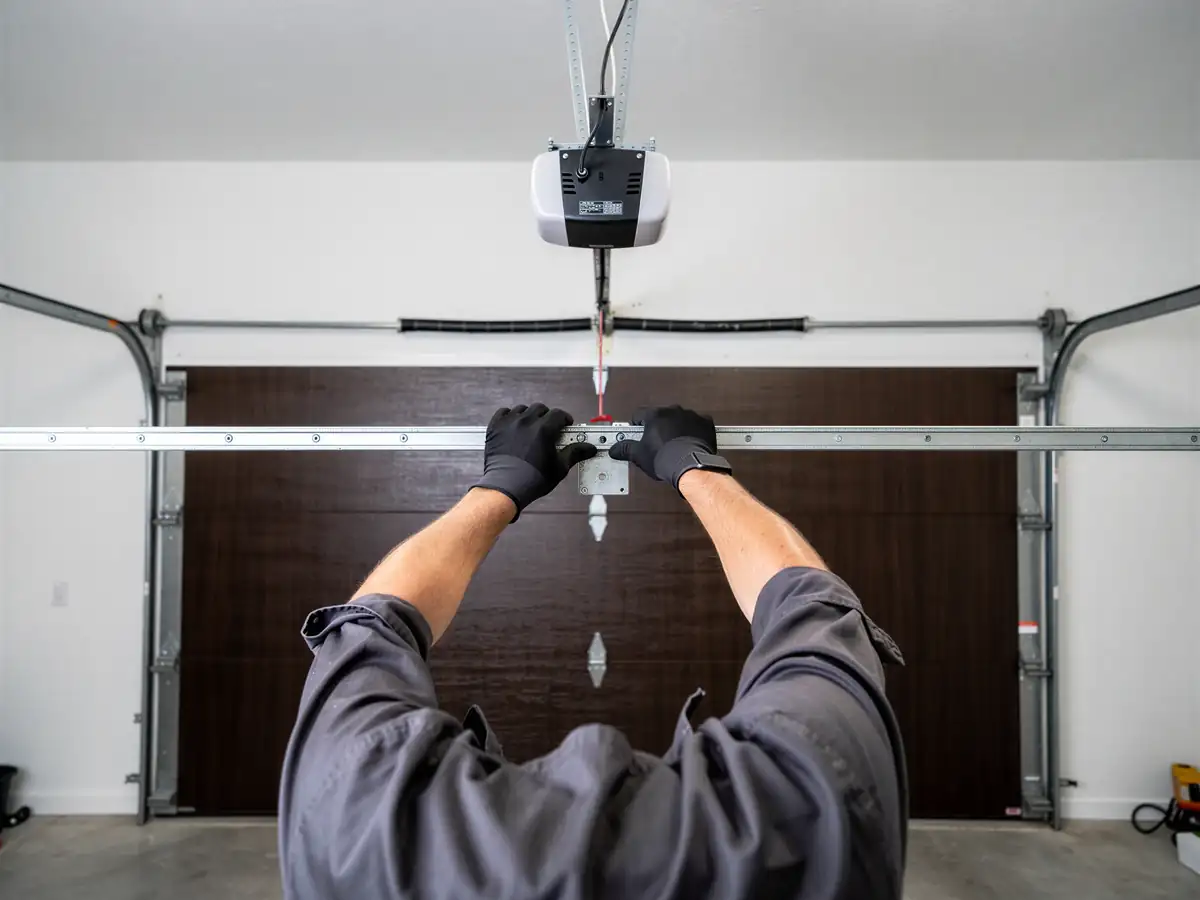
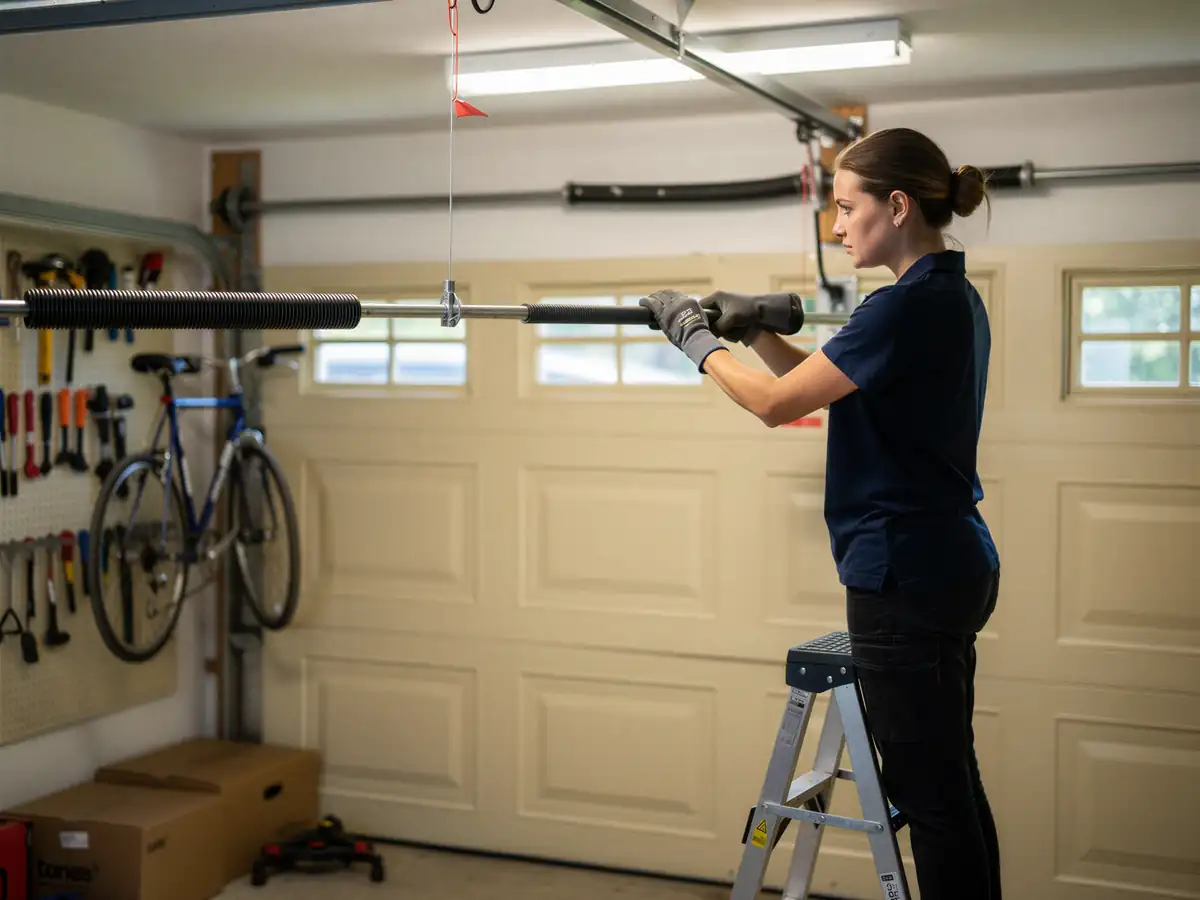
Call before the door quits on you, not after. A torsion spring that's starting to sag shows itself as a door that feels heavier on one side, or an opener that strains and clicks before it lifts. If you hear a bang from the garage and the door won't budge, that's almost always a broken spring, not the opener - and running the opener motor against a dead spring is how you burn out the gears too.
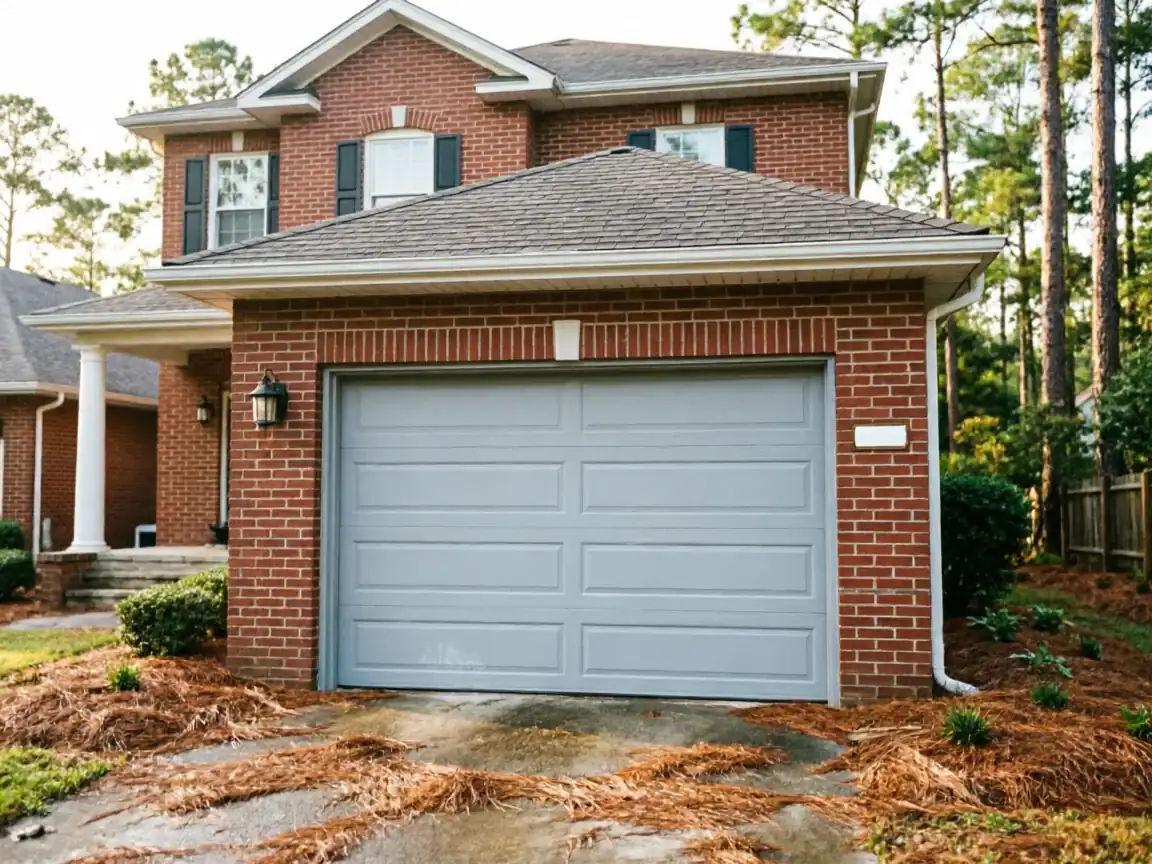
Most of the homes on a Norcross call were built between 1951 and 2012, with the bulk of that stock going up in the 1960s and 70s. That means a lot of original torsion assemblies that have been cycling for five decades. If your door is original to a house from that era and you've never replaced the spring, don't wait for it to snap on a morning you need the car out. A cable fraying at the drum, a track pulling loose from the jamb, or rollers that have gone from steel to crumbling nylon are all signs the hardware is at the end of its run, not just due for a tune-up.
The Problem
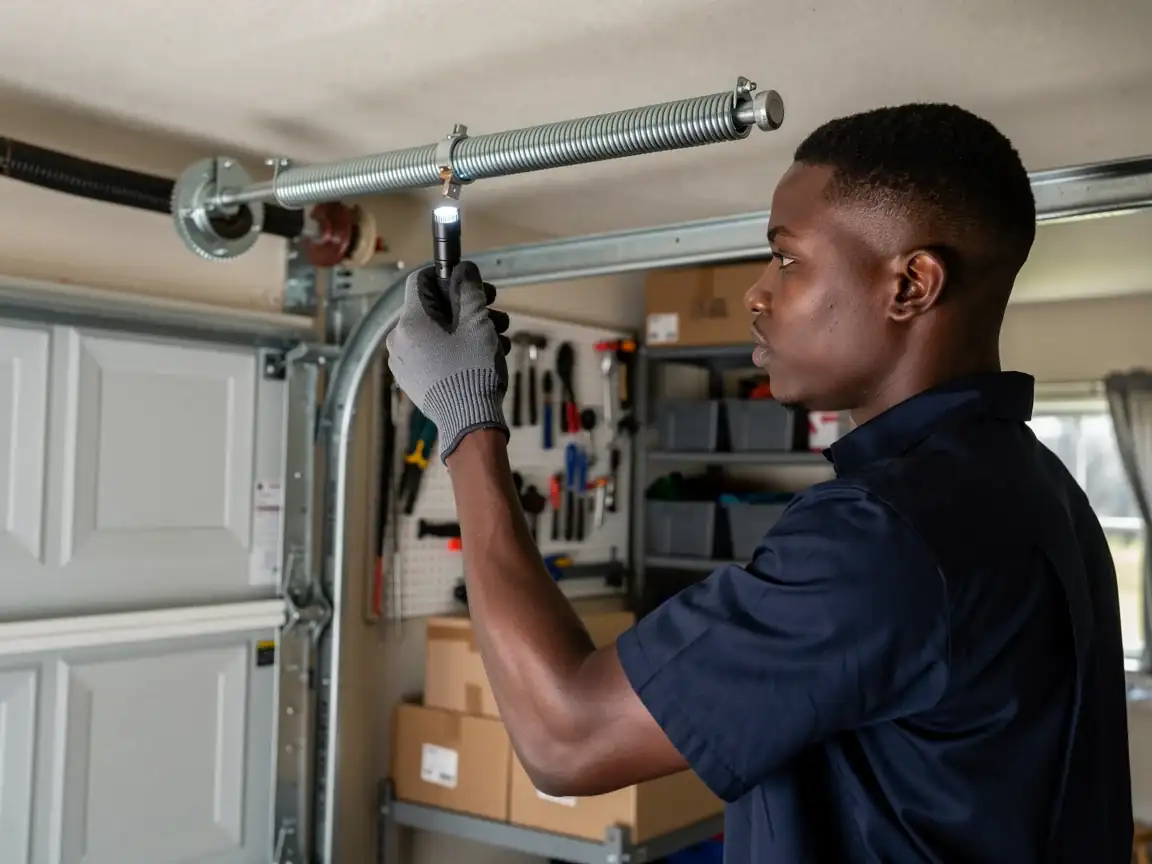
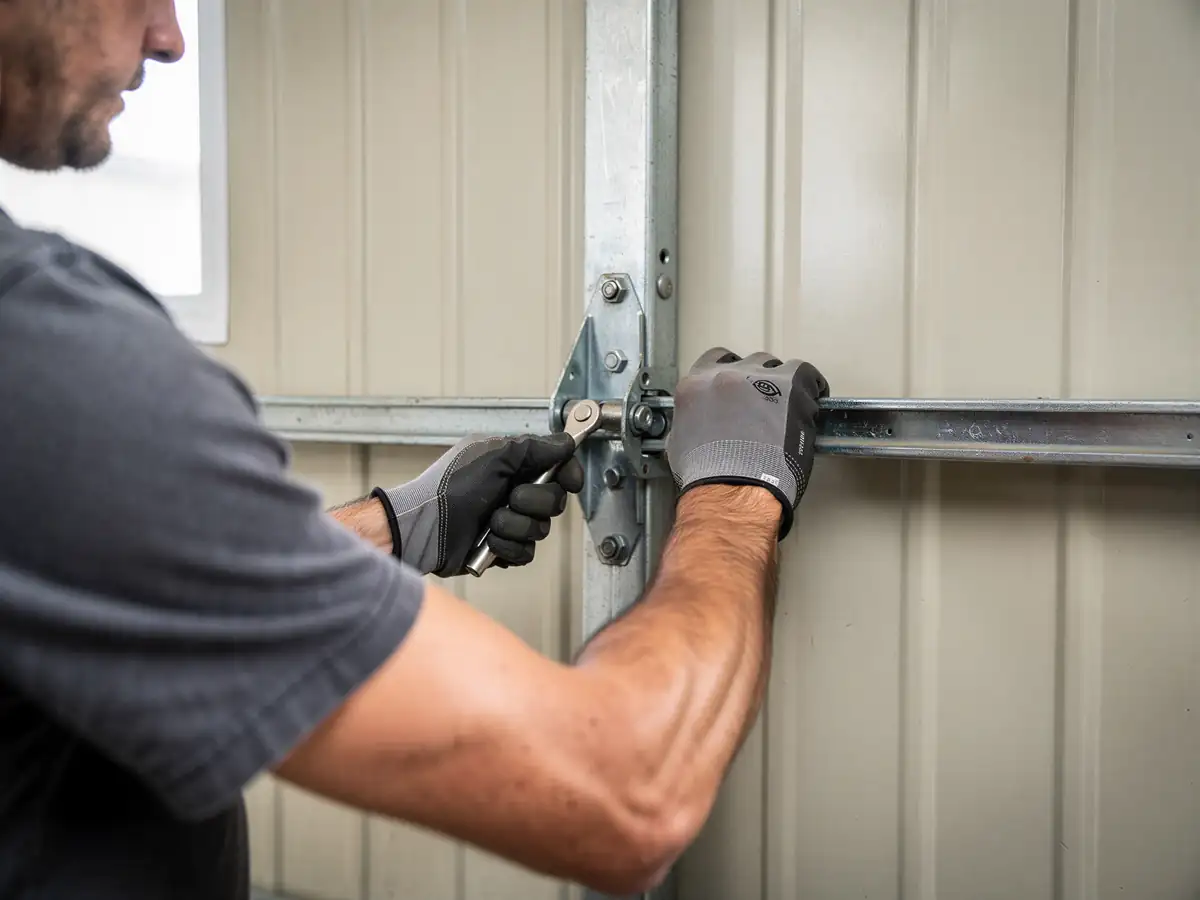
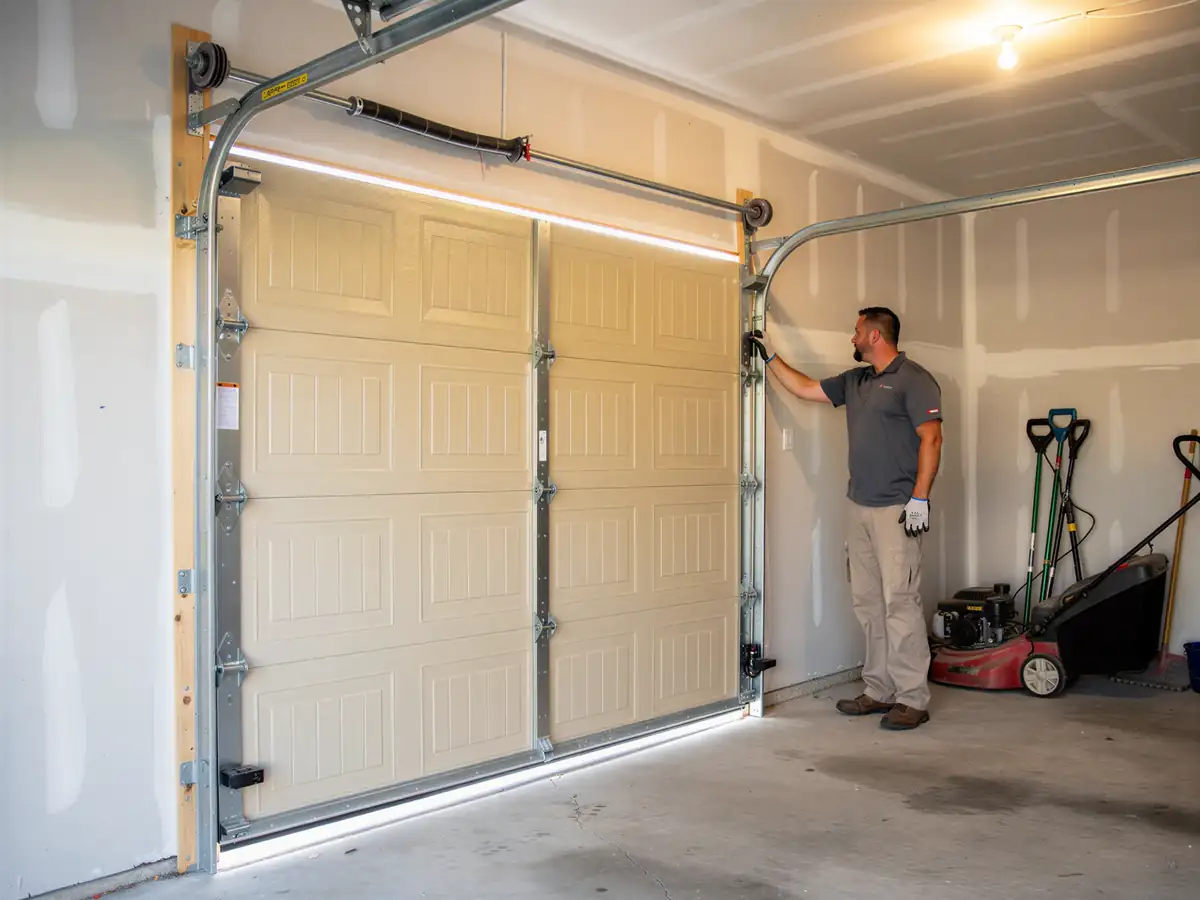
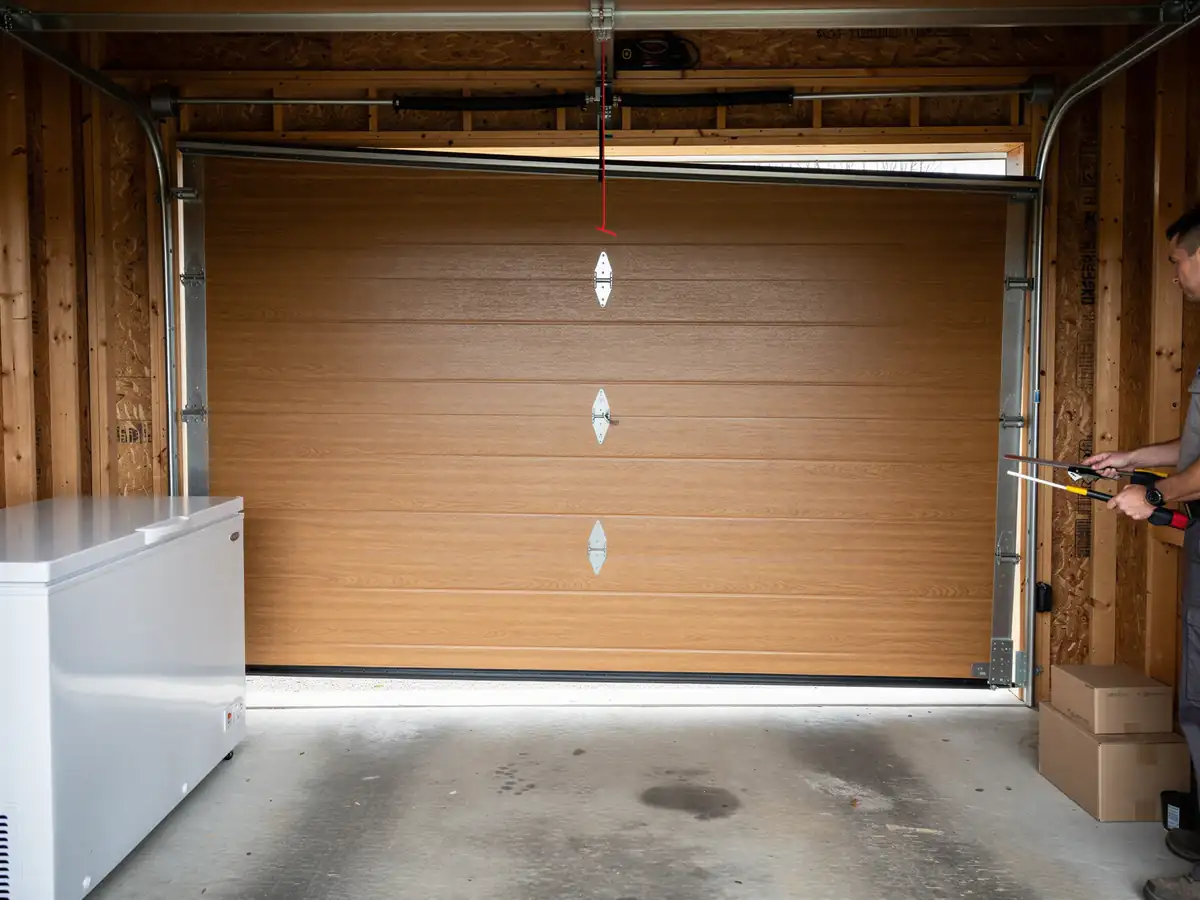
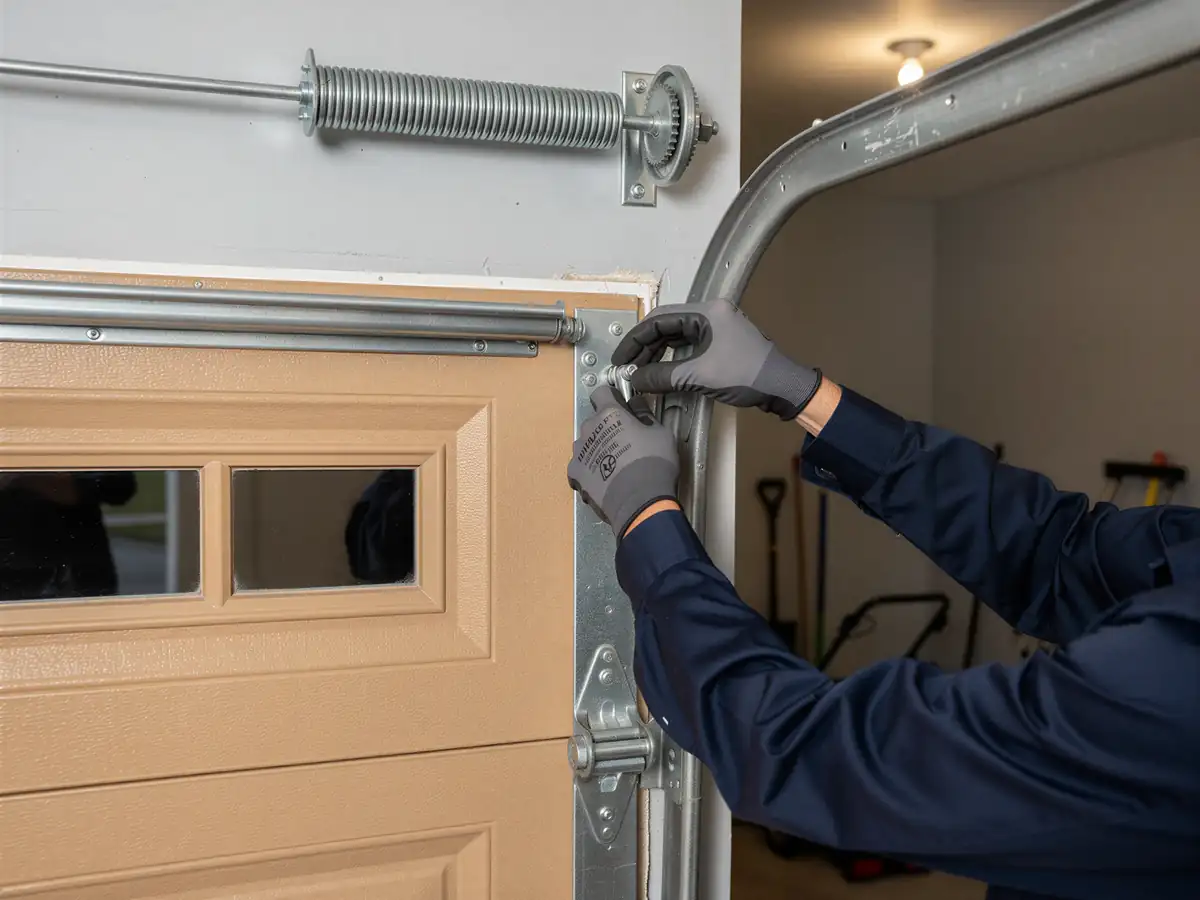
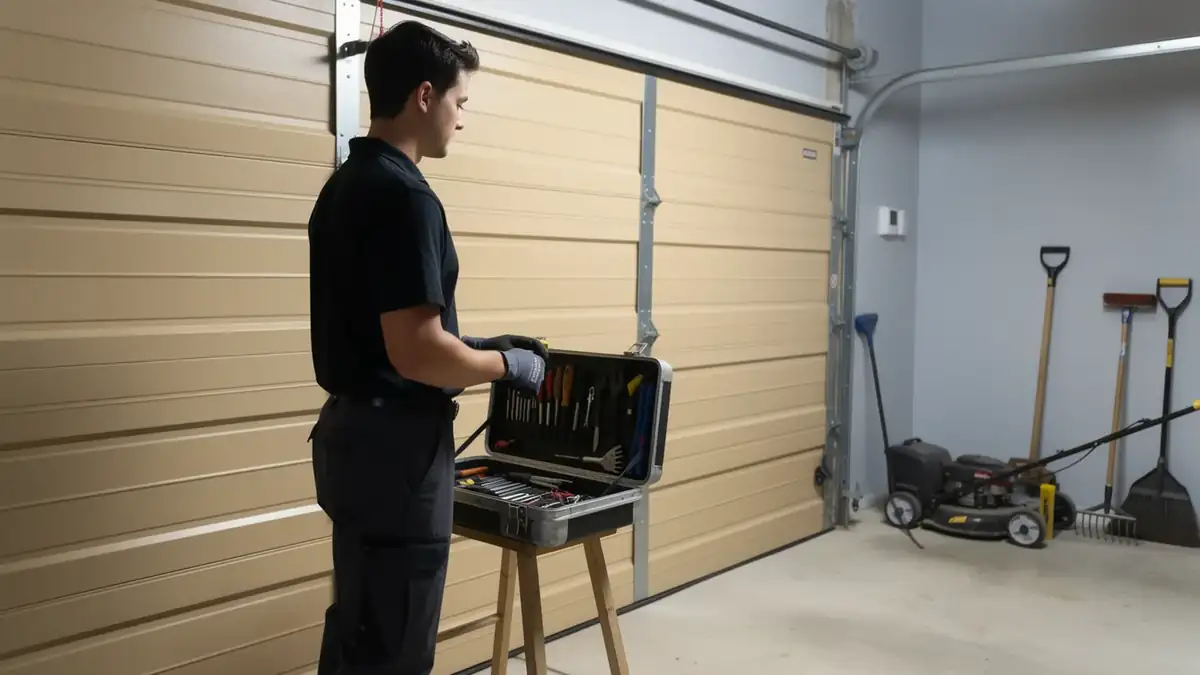
Here's what a service call is actually for: finding which part failed and whether the rest of the system is still good enough to build on. On a house from the 1977 median build year for this area, that usually means a torsion spring rated for a door weight nobody makes anymore, wound onto a shaft that's pitted from decades of use. We check spring tension, cable condition, the track alignment, hinge wear at the panel seams, and whether the opener's force settings are even close to safe.
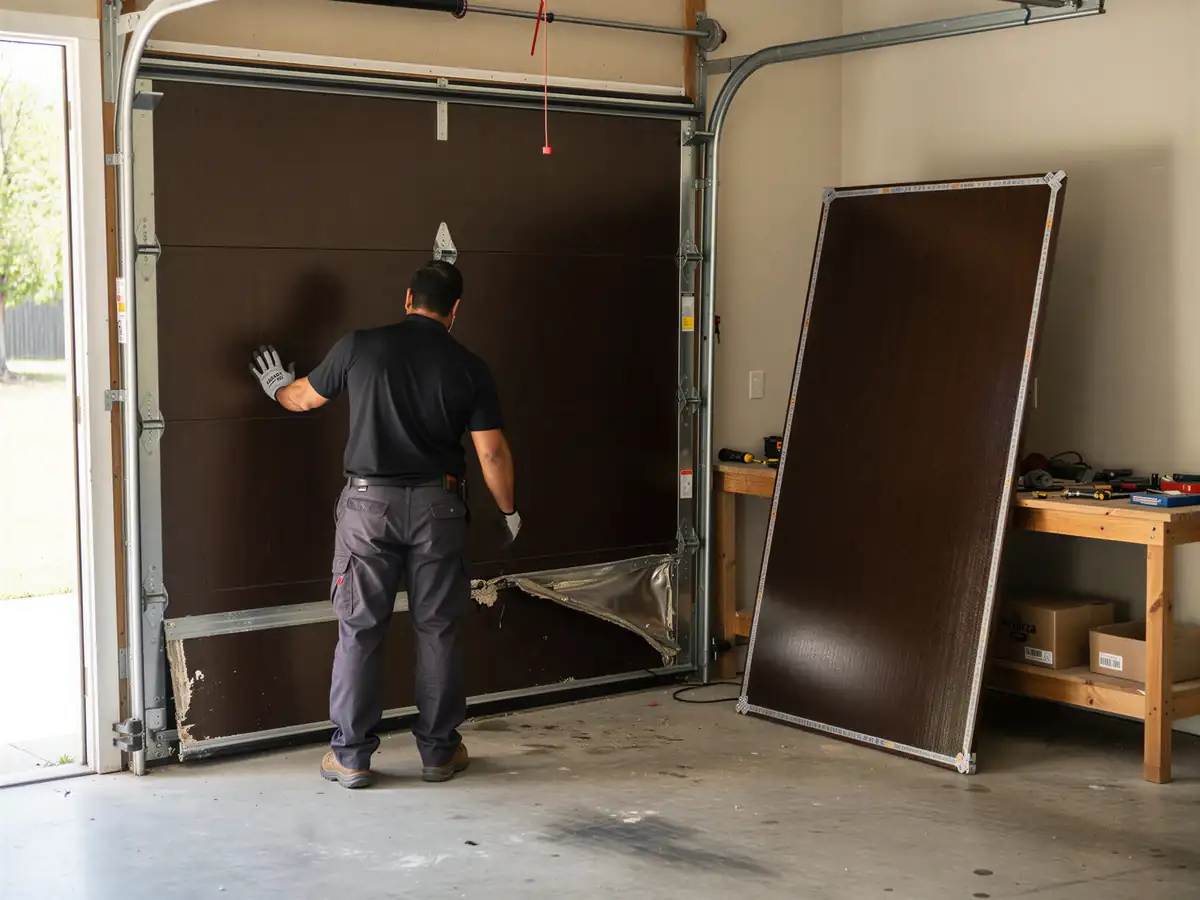
The honest limitation: if the door is a one-piece swing-up or an early sectional from that 1960s-70s wave, some of that original hardware simply isn't stocked anymore. We can often adapt a modern torsion spring to old drums, but a cracked original panel on a door that age usually means sourcing a full replacement door rather than a patch panel. We'll tell you straight when a repair is the right call and when it's throwing money at a door that's done.
How Local Conditions Play In
Norcross sits in a cold-moderate climate band
Which matters more for a garage door than most people expect. Steel torsion springs expand and contract with temperature swings across a winter, and on a cold morning a spring that's already fatigued from forty-plus years of cycling will show its weakness first - that's why we get more spring-failure calls in the cold months than the warm ones. Track alignment drifts the same way; a garage that isn't insulated sees more movement in the door's metal components over a season than a conditioned space would.
Across the eighteen named areas that make up this service territory
The dominant housing stock is that same 1960s-70s generation, so the wear patterns repeat house after house: original torsion hardware, steel or early-composite panels, and openers from whatever decade the garage got converted to power. A service call here isn't guessing at what's inside the door - it's confirming which stage of that same aging process your particular door has reached.
What It Costs
We're not going to put a number in writing that doesn't hold up once a tech is standing in your driveway, because the honest range depends on what's actually broken and whether original parts from a 1960s-70s door can be matched or need a full swap. What drives the cost on most calls: whether it's a single spring versus a matched pair, whether the drum and shaft are salvageable, and whether the track needs full replacement or just realignment.
With 21,635 owner-occupied houses among 48,457 households in this service area, most of the doors we work on belong to a long-term owner rather than a rental turnover - which usually means the door has been lived with and patched piecemeal for years before the call comes in. At a median household income of $73,075, most owners here choose a full torsion conversion once the original hardware finally fails, rather than keep patching a fifty-year-old system one part at a time. We'll give you the real number after we've looked at the door, not before.