Why It Happens Here
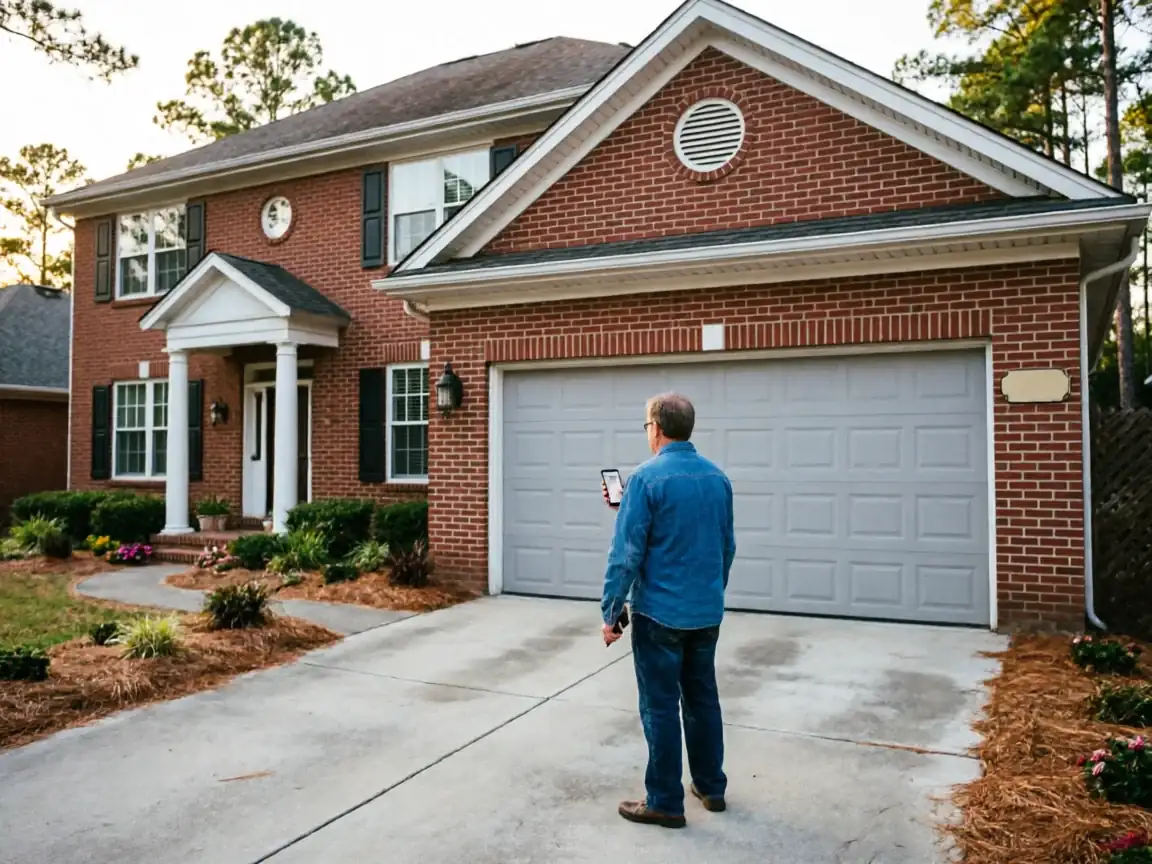
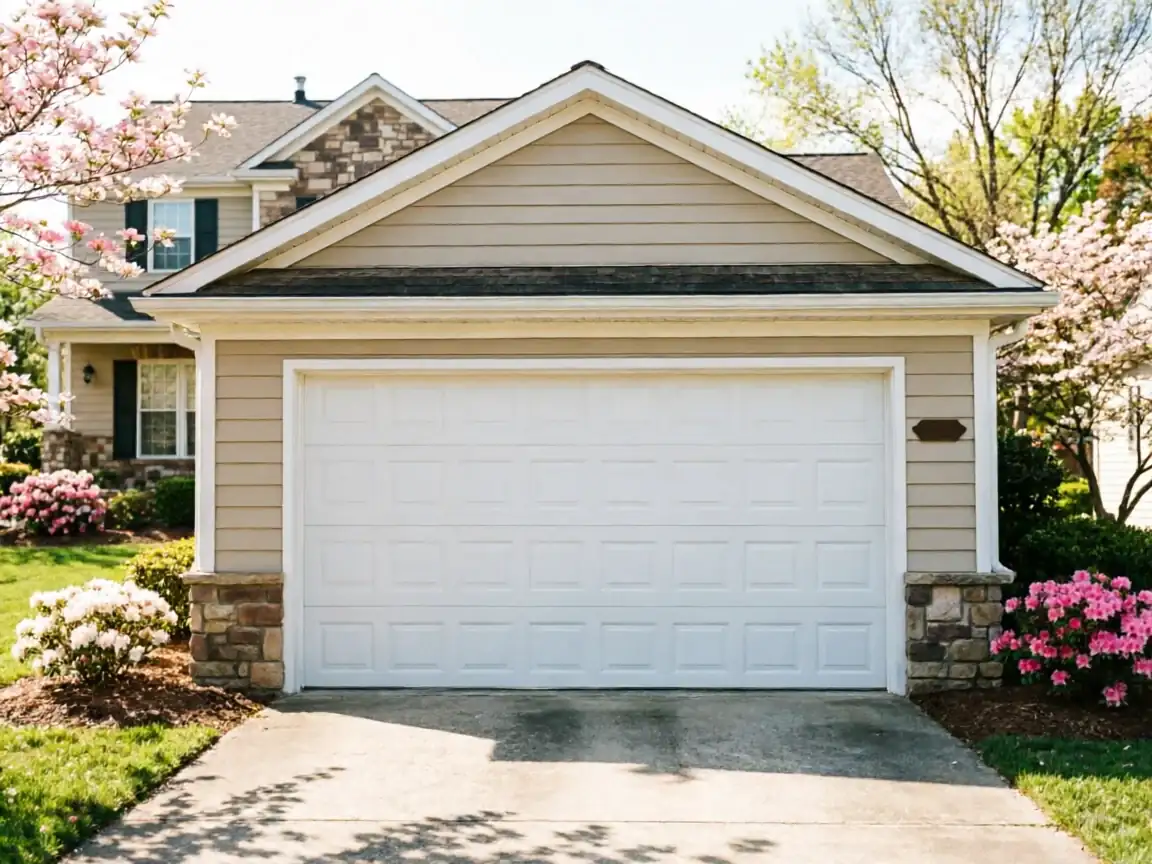
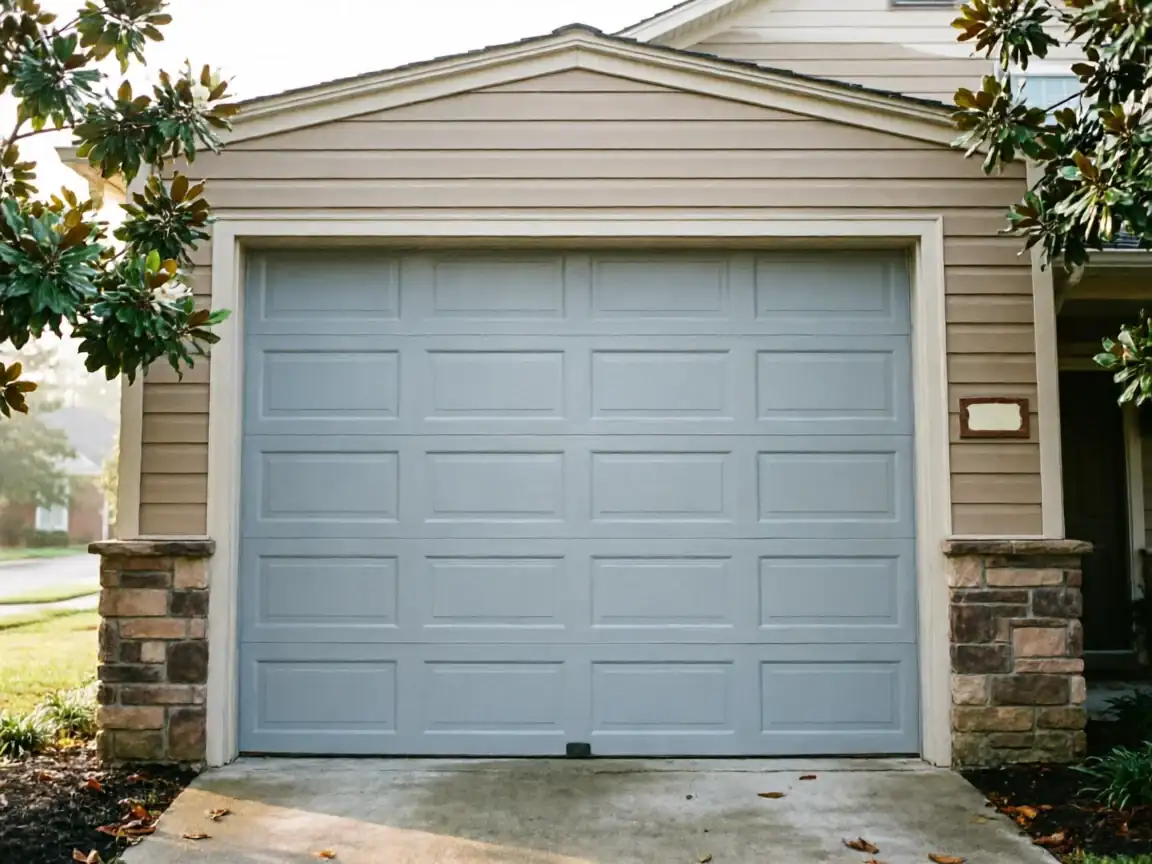
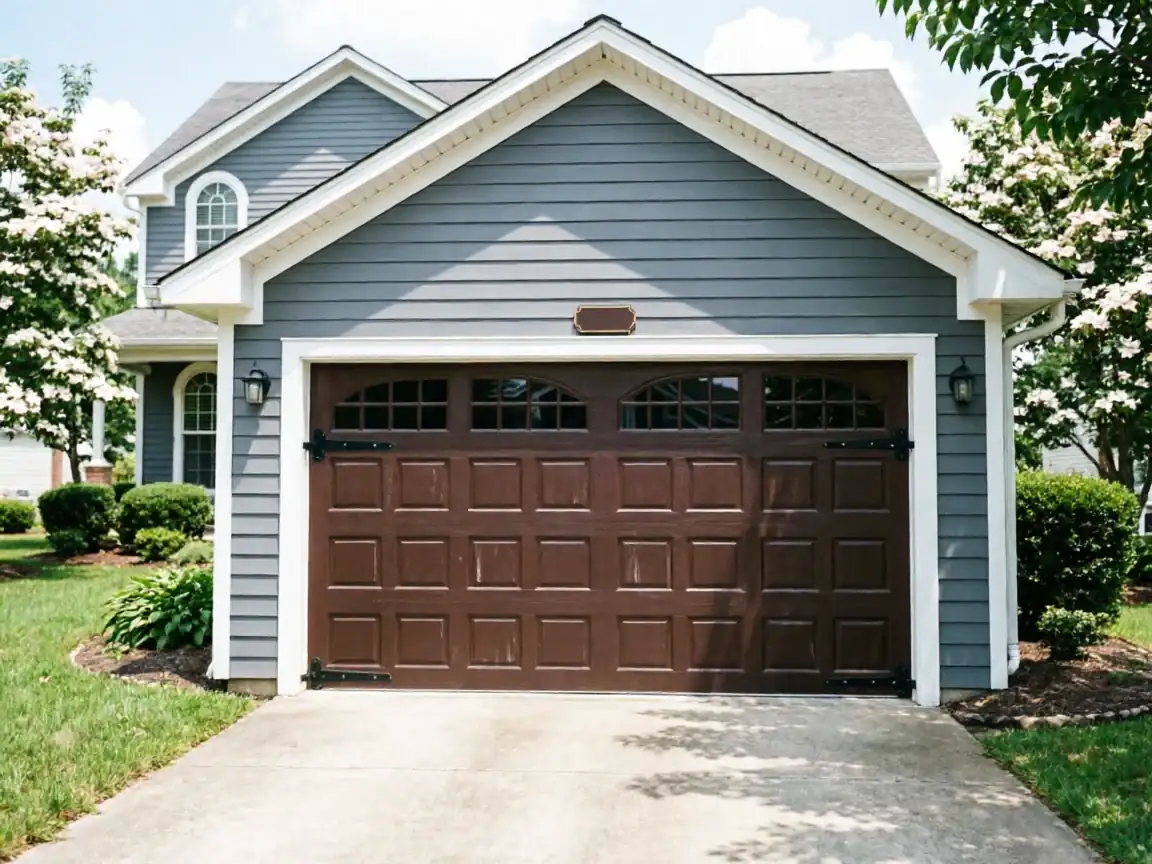
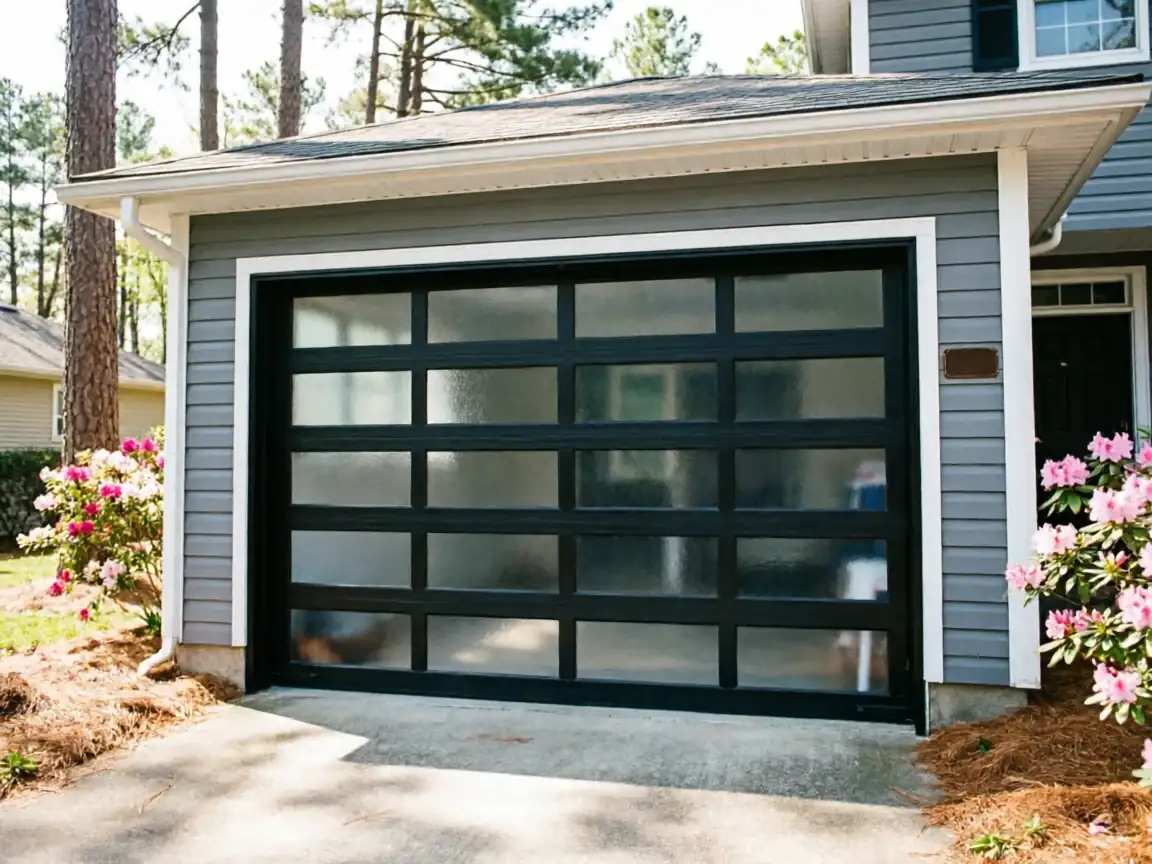
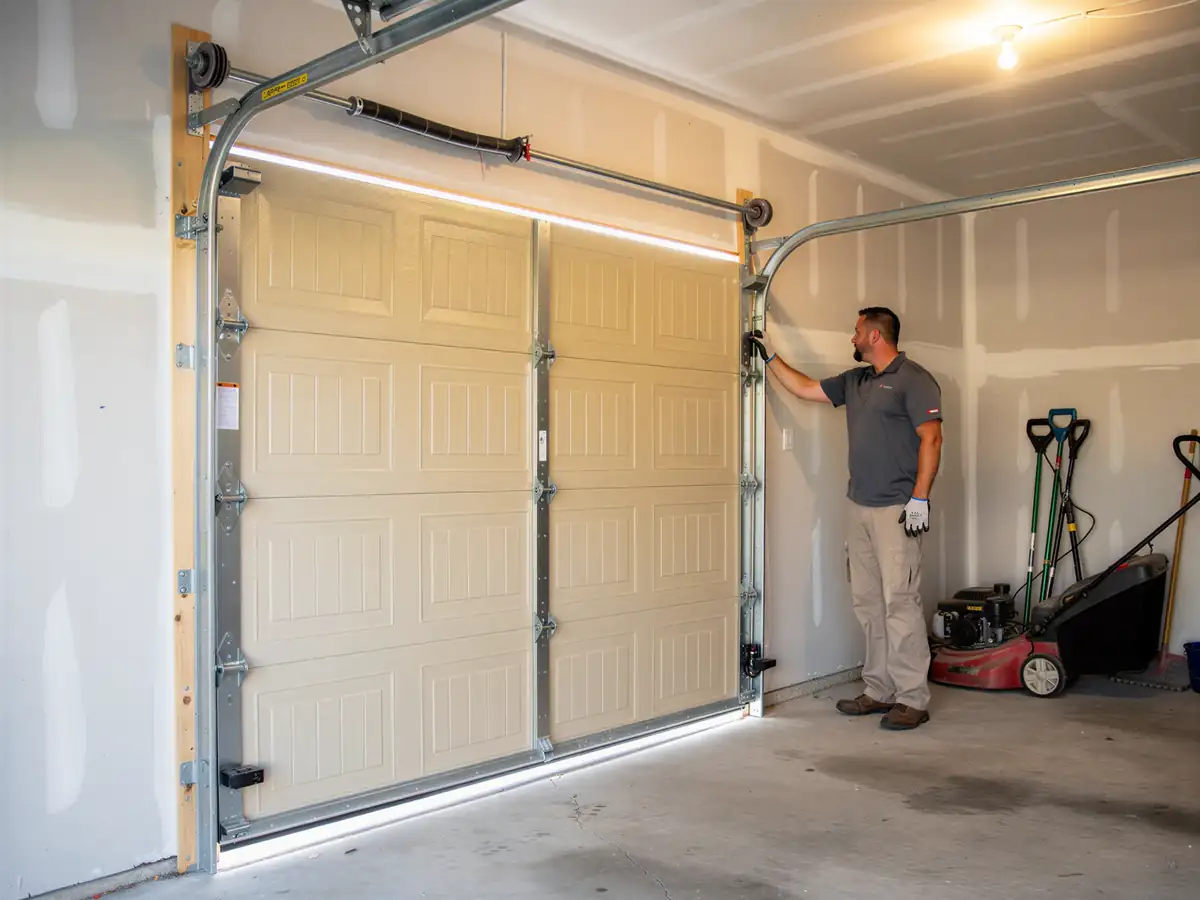
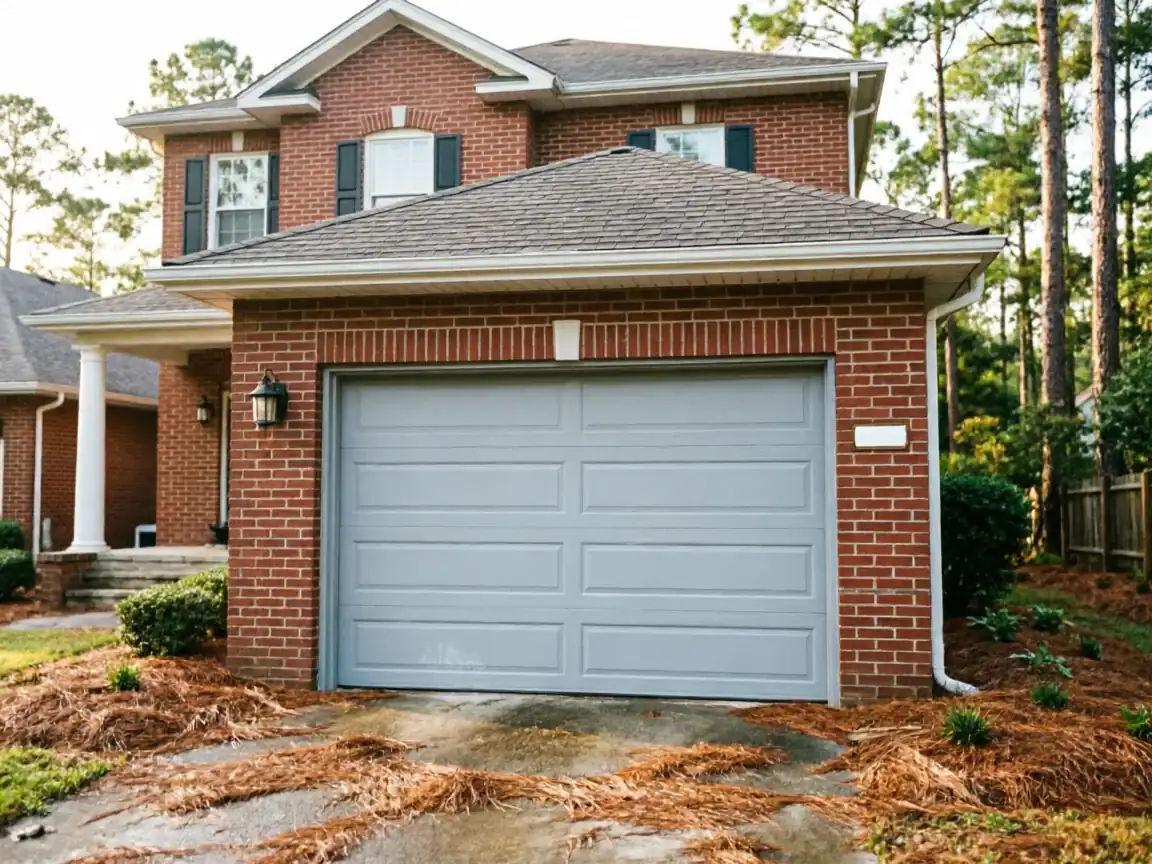
Scottdale sits about 10 miles from our Norcross shop, which matters less for how fast we show up than for how we plan the trip - a tech heading out this way brings a wider range of track hardware on the truck because the housing mix out here doesn't match what we see closer to home. Scottdale's homes were mostly built around 1984, a good deal newer than the 1977 median across the broader area we cover. That later build date usually means pre-fab steel track sections and roller brackets rather than the heavier built-up tracks found in 1960s and 70s construction nearby.
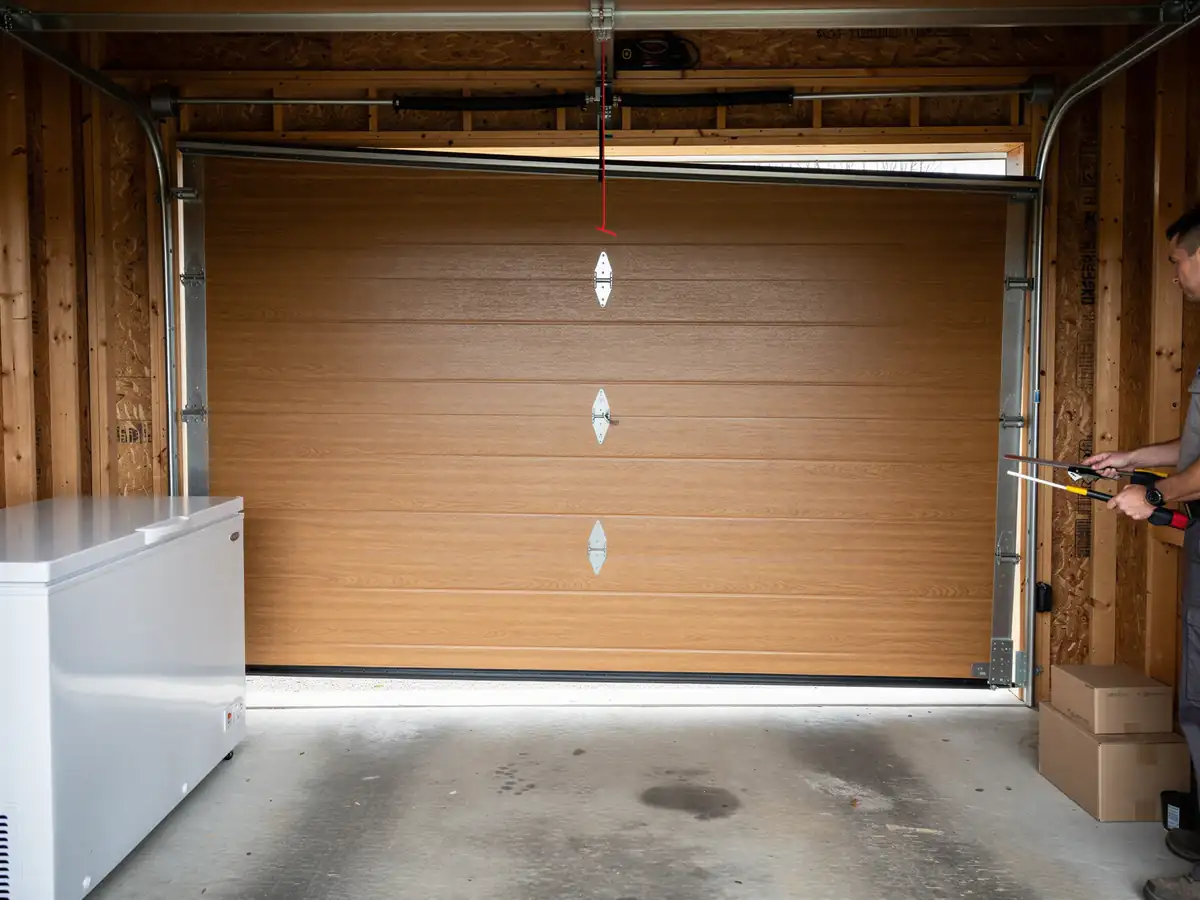
Off-track failures in houses from this era tend to come from one of two places: a bent track section from something backing into the door, or a bottom roller that's worn out of its channel and let the panel walk sideways. Both show up more in winter, since this area sits in a cold-moderate climate band - a track that's a few degrees out of plumb grips worse when the metal contracts, and a door that was riding rough all summer finally jumps the track on a cold morning.
We don't see rust-through track failure here the way we might in older stock, because the hardware simply hasn't had 50-plus years to corrode. The failures in Scottdale are more often mechanical - alignment and impact - than age.
What the Repair Takes
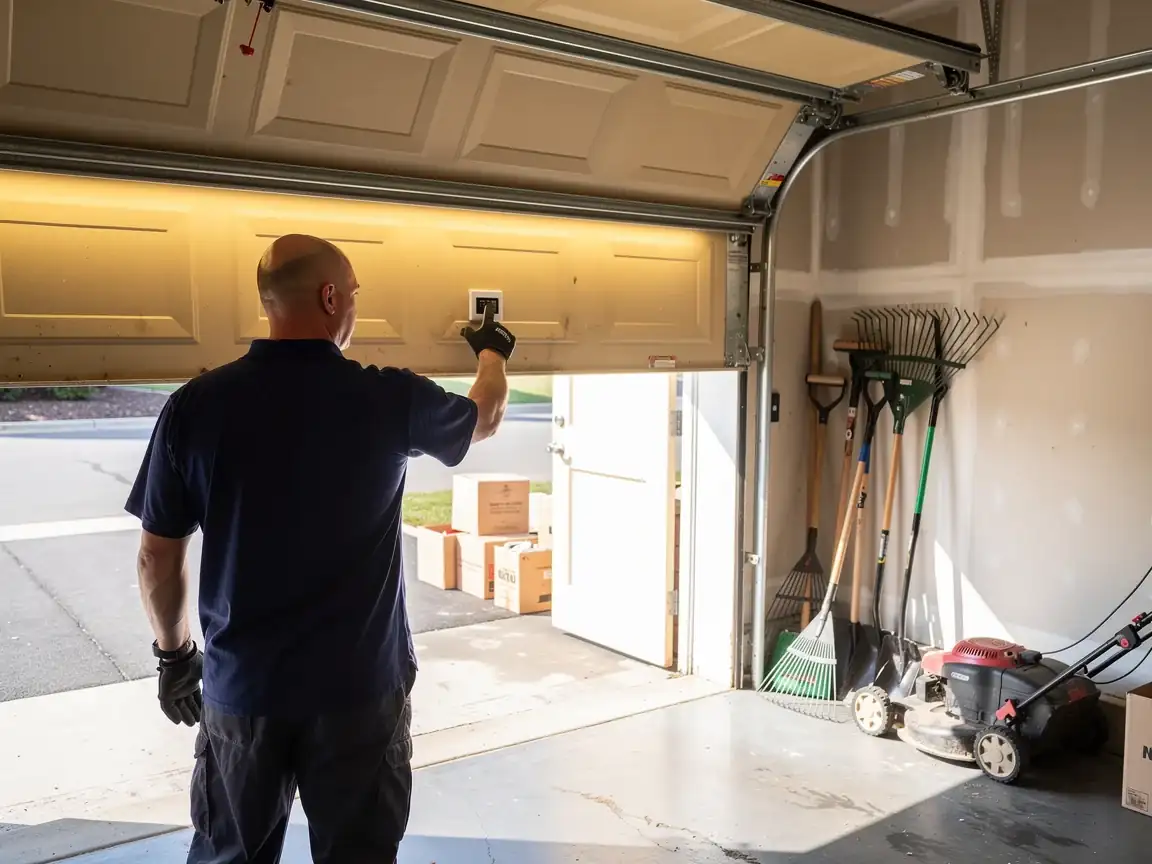
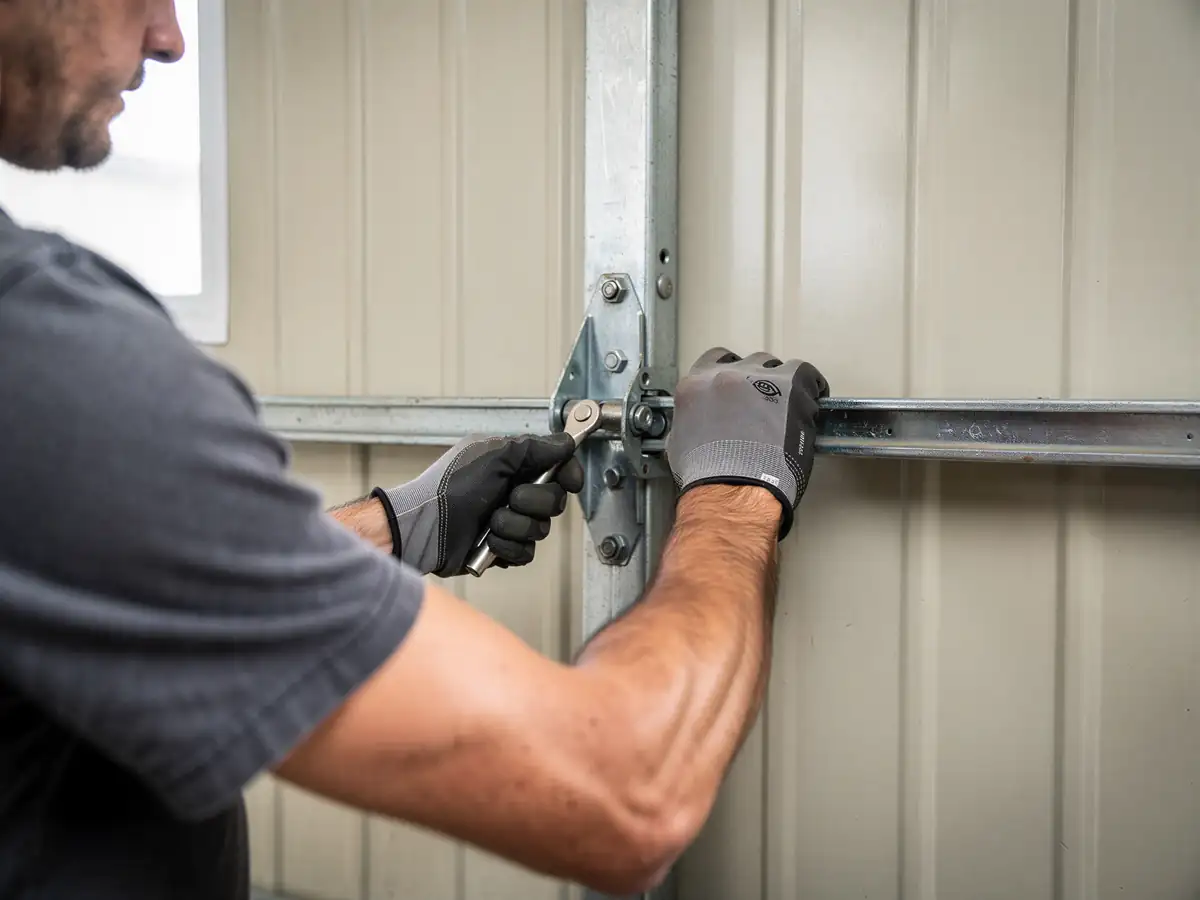
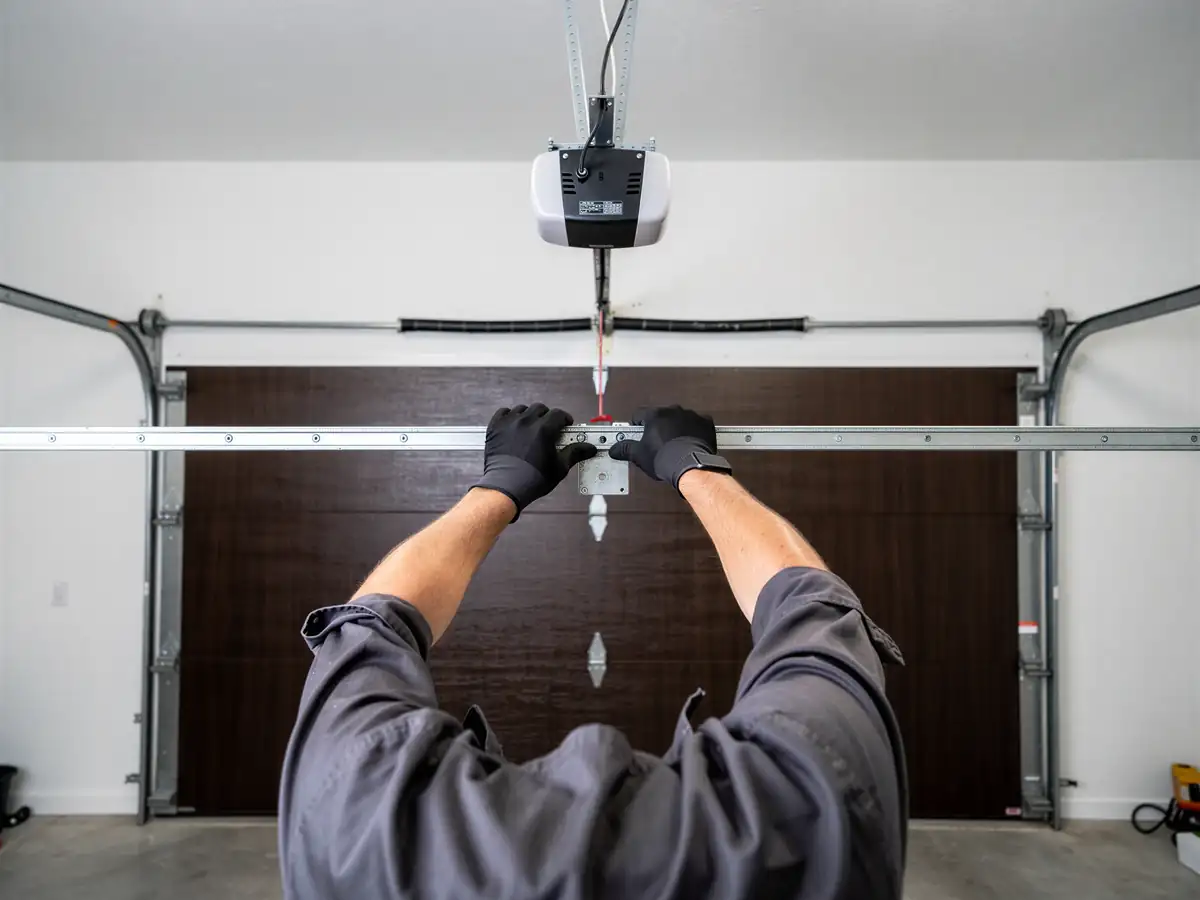
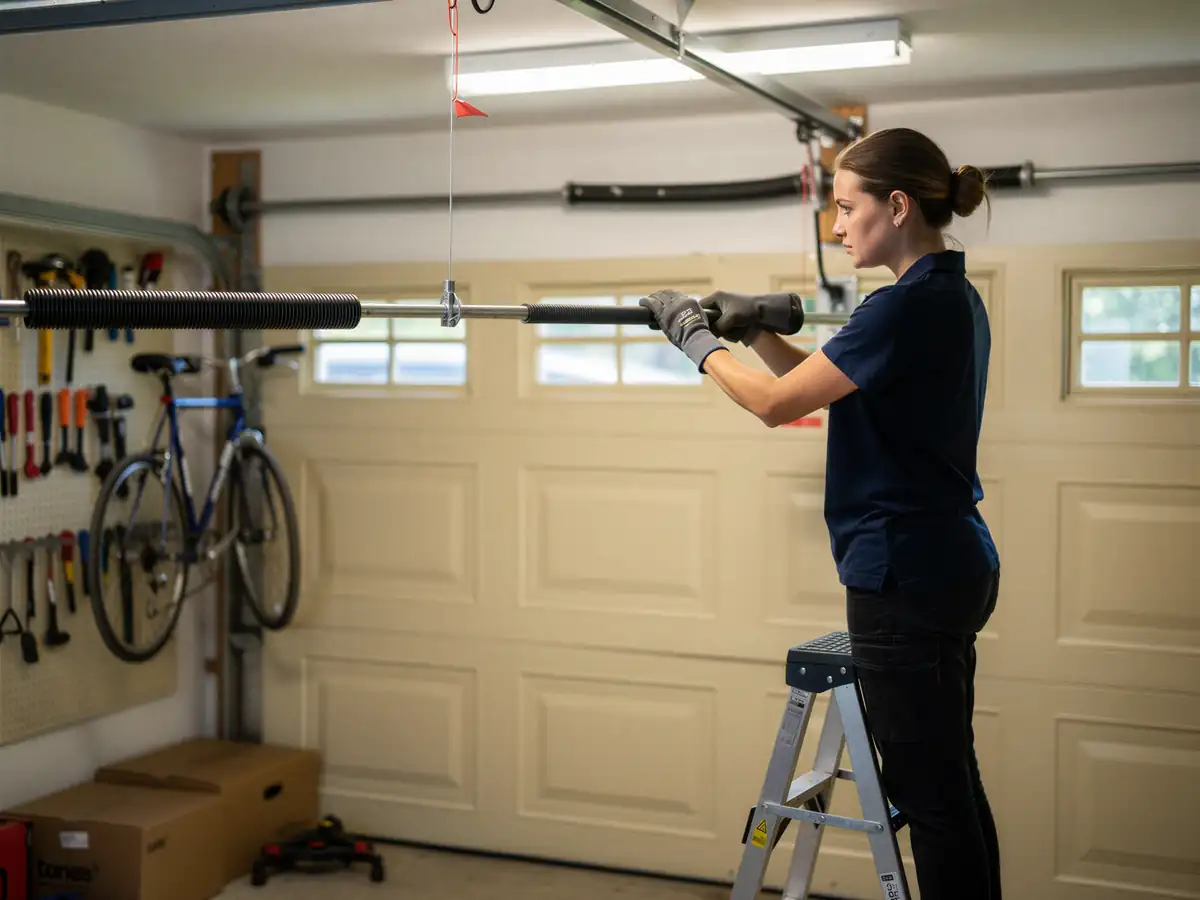
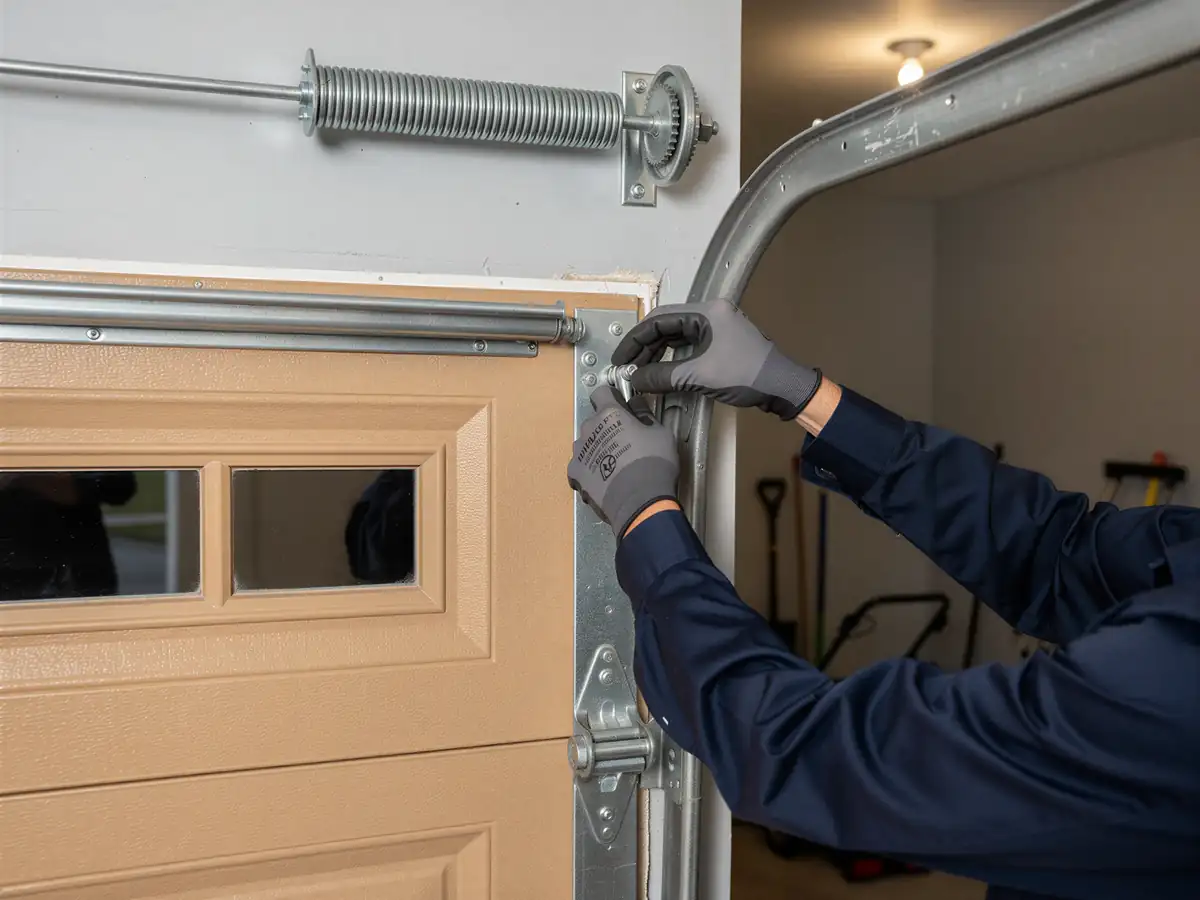
Most off-track jobs on a 1980s-era door come down to re-seating the rollers, checking the track brackets for bent or loose mounting, and shimming or replacing a section of track if it's kinked rather than just knocked loose. On newer steel track like what's common in Scottdale, a section that's bent more than a small amount usually gets replaced outright rather than hammered back into shape - bending it back weakens the metal at the crease and it'll jump again within a season.
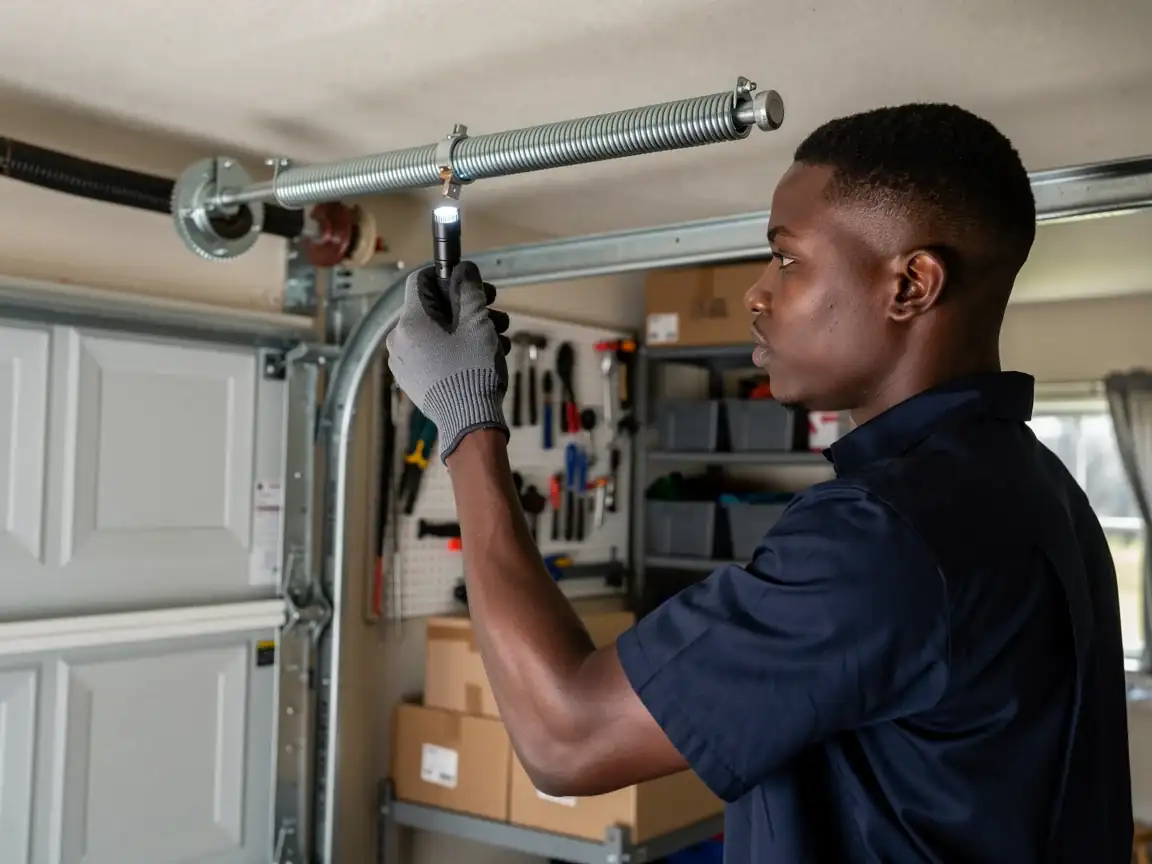
We also check the cables and the bottom brackets while the door is off its hinges, since a loose cable is a common reason a door comes off track in the first place and it's cheap to catch now. If the opener forced the door while it was off track, we check the drive gear and the trolley too - that's a separate conversation from the track repair and we'll tell you plainly if that's what's going on rather than bundling it in.
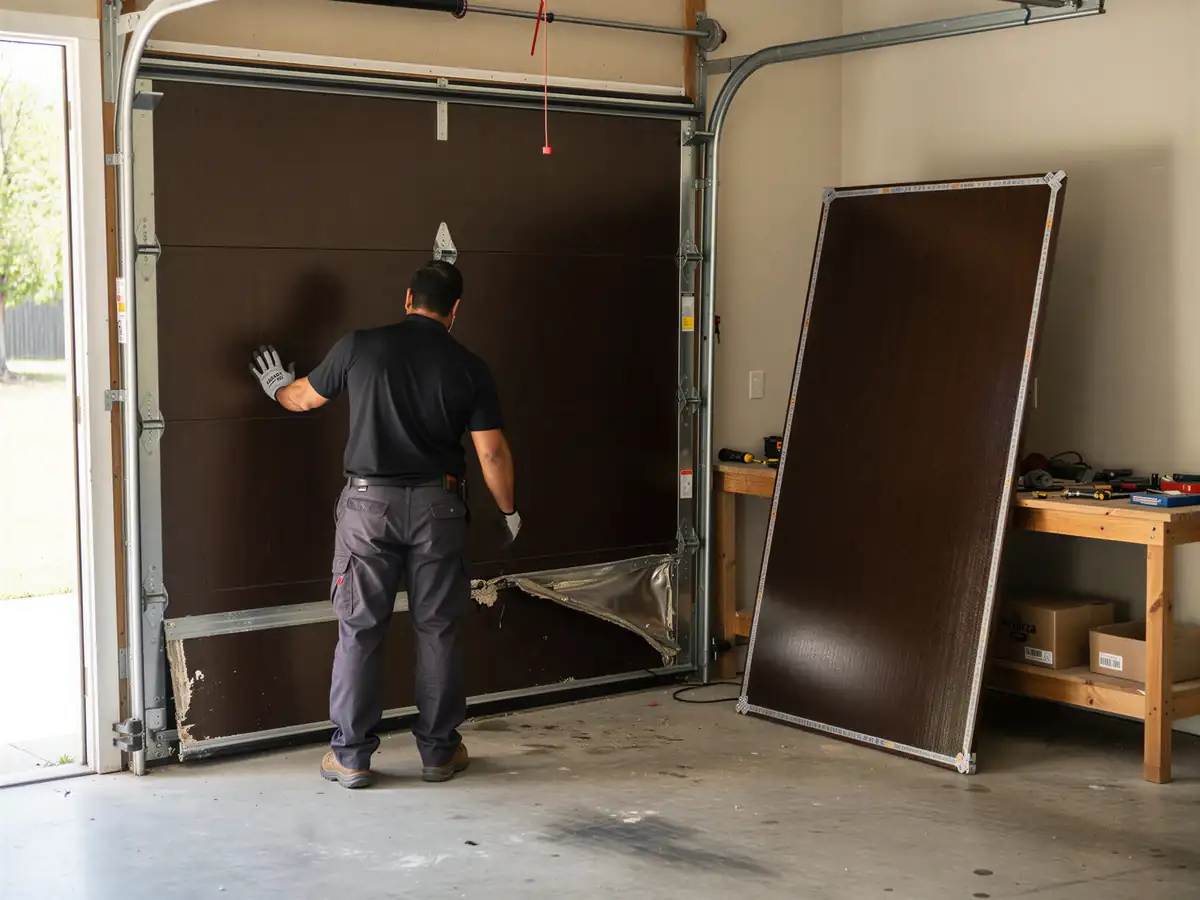
One limitation worth saying up front: if the track is bent in more than one place, or the door panel itself took the impact and is bowed, re-aligning the track alone won't fix it. That's a panel or door conversation, not a track repair, and we won't pretend otherwise just to close out a smaller job.
How Long You Are Without the Door
A straightforward off-track repair
Rollers reseated, track realigned, mounting brackets tightened - is usually a same-visit fix once the tech is on-site, since it doesn't require ordering parts. Where it stretches out is when a section of track needs replacing rather than just adjusting; that part isn't something we carry in every size on the truck for every house, so there can be a short wait for the right piece.
Given the 10-mile run from Norcross, we plan the visit around having the likely parts for an 1980s-build door already loaded
Since that's the era this area runs. That cuts down on the chance of a second trip. It's not a guarantee - if the track size or bracket style on your door is unusual, we'll say so on-site and give you a real number instead of a guess.
What It Costs
We don't post flat prices for off-track repair because the range between a quick roller reseat and a track section replacement is wide, and quoting one number for both would be misleading. What we can tell you is what drives the cost: whether the track needs replacing or just adjusting, how many rollers are shot, and whether the cables or bottom brackets need attention while things are already apart.
Scottdale's median household income runs higher than the wider area we serve - around $82,778 against a broader service-area median of $73,075 - but that doesn't change what the repair itself costs; parts and labor are priced the same across every stop on the route. What it does mean is more of these homes carry the original opener and track hardware rather than a patchwork of prior repairs, which usually keeps the job simpler and the estimate tighter once the tech has eyes on it.