Serving Norcross, GA & nearby
(770) 230-5982
Norcross, GA

Why So Many Norcross Garage Doors Leak Heat

Norcross homes built before insulation codes often have garage doors with no foam core, letting cold air into the house through steel panels nobody retrofit.

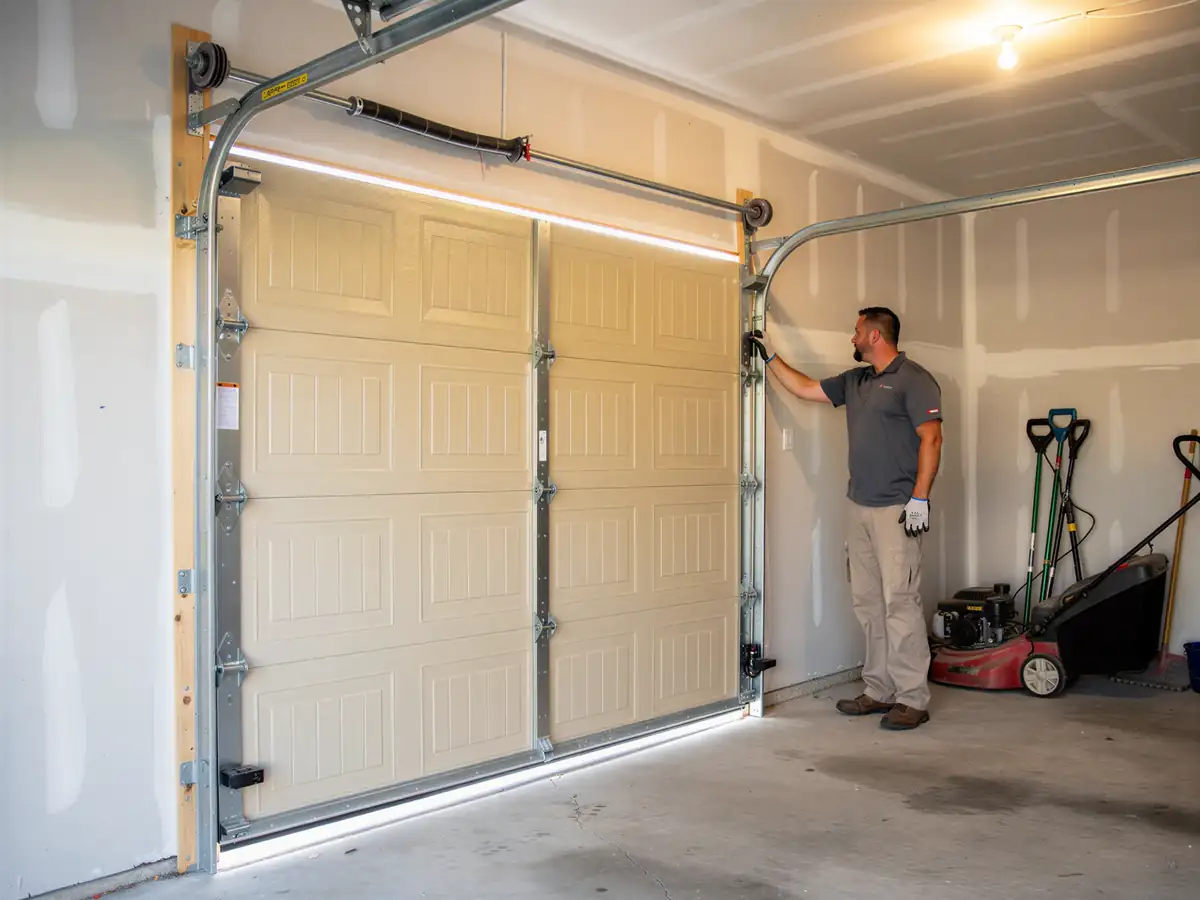
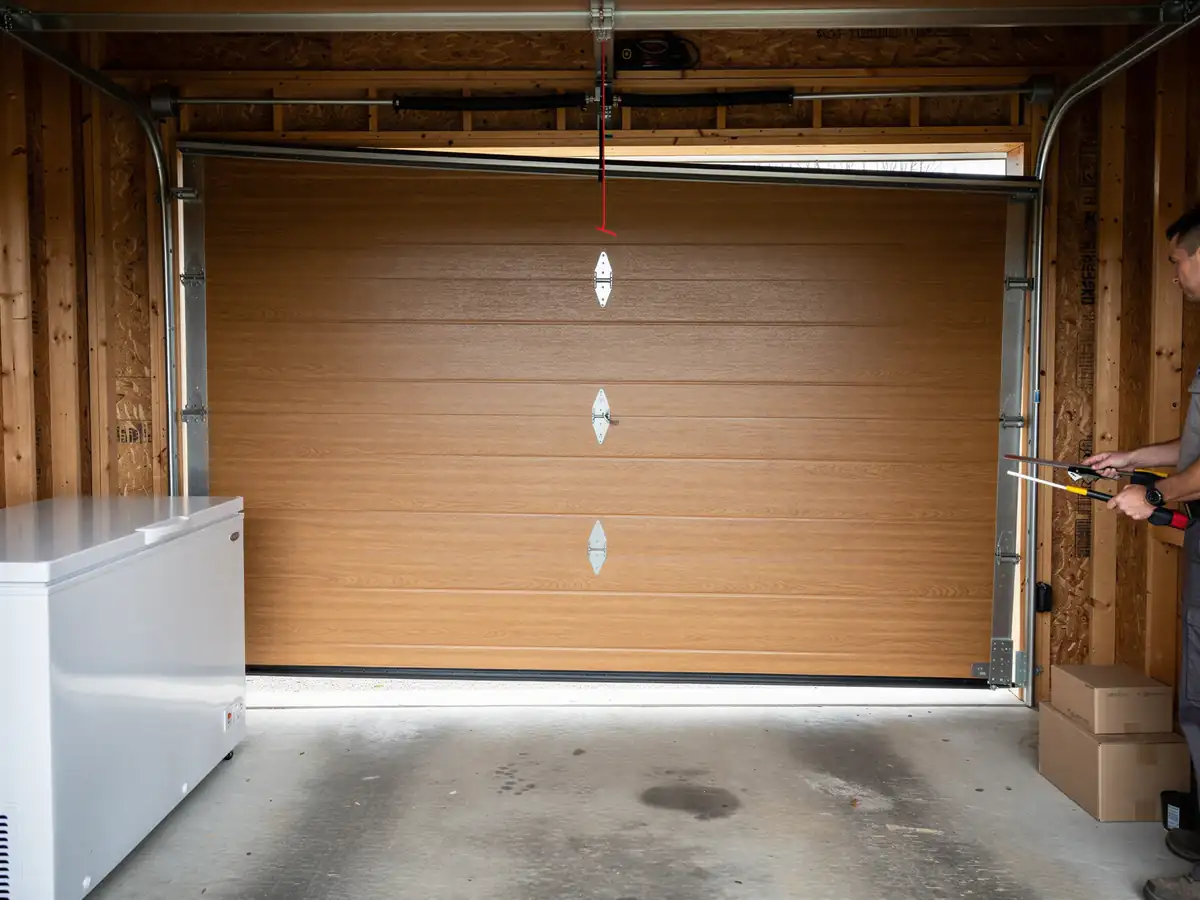
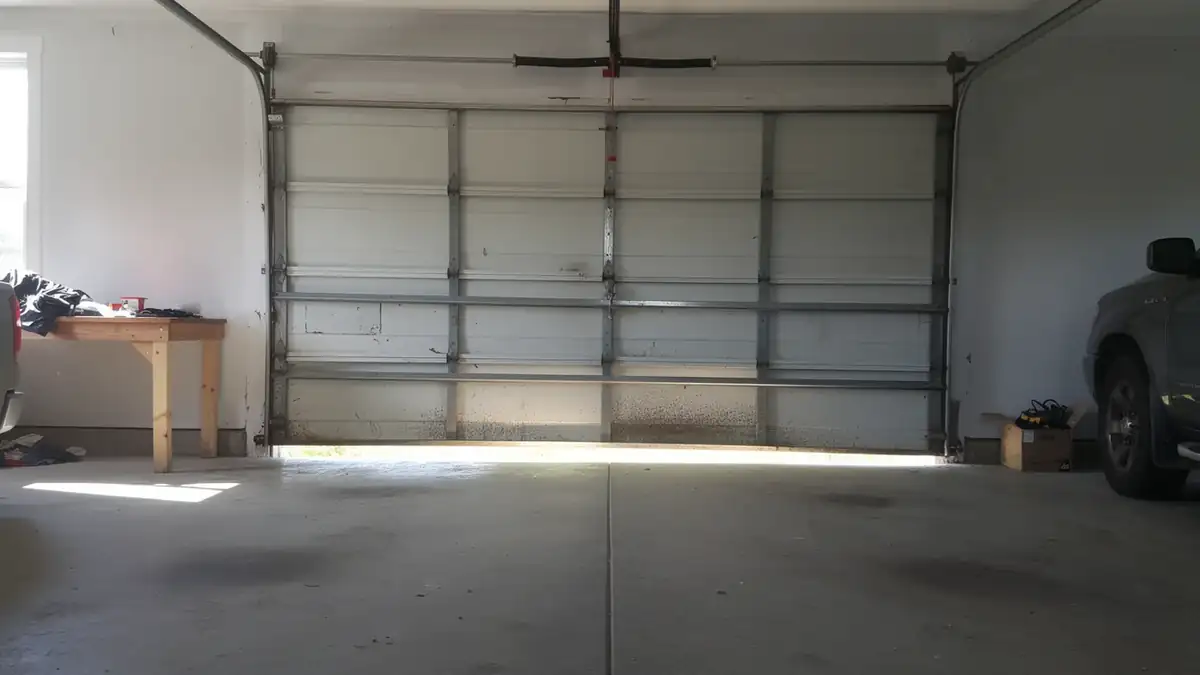
The white garage door is partially open, showing the torsion spring and tracks.

When to Get Help

If the wall your garage shares with the house feels cold in January, or the floor on the other side of that wall is noticeably colder than the rest of the house, the door is probably part of the problem. Look at the bottom seal first - if you can see daylight along the edge, or feel air moving past it with your hand, that's a door built for an era when nobody expected a garage door to hold heat. Condensation beading on the inside panel on a cold morning is another sign; a bare steel skin with no thermal break sweats the same way a cold glass of water does. None of this is an emergency the way a snapped spring or a cable off a drum is - you're not going to get trapped or have a panel fall on you. But if you're running the numbers on a heating bill increase, or you've noticed the garage is the coldest room in the house every winter, that's worth a look before the weather gets worse, not after.

The Problem

A lot of houses around here were built in the 1960s and 70s, with the broader stock running from 1951 up through 2012 and a median year of 1977. That matters because insulation requirements for garage doors weren't part of standard residential construction in that window. The door that came with a house built in 1968 or 1974 is very likely a single layer of steel, or in some of the older cases a wood panel door, with no foam core and no real R-value. It was never meant to do anything but keep weather and people out - nobody was pricing in energy loss through a garage door when these were installed. Thirty, forty, fifty years on, the weatherstrip has hardened or cracked, the bottom astragal has flattened, and the gaps that were small on installation day are a lot bigger now. The honest limitation here: insulating an old door after the fact with a retrofit kit helps some, but it doesn't fix a door that's already warped, out of square, or has hardware worn past adjustment. Past a certain point you're better off replacing the door than layering foam board onto a door frame that doesn't seal right anymore.

How Local Conditions Play In

This area sits in a cold-moderate climate band - not the brutal winters of the upper Midwest, but cold enough, often enough, that an uninsulated door costs you real heat over a season. The service area covers 48,457 households, with 21,635 of them owner-occupied, and that pre-insulation-code housing stock runs across all eighteen of the named communities nearby, from Berkeley Lake and Doraville a few miles out to Grayson and Dacula further off. This isn't a problem specific to one subdivision or one builder - it's the age of the housing itself. A door that was fine for the climate expectations of 1975 is doing double duty now, holding back cold snaps it wasn't designed for while the rest of the house has had insulation upgrades over the decades that the garage never got. The door is often the single largest uninsulated surface on the house, and in a cold-moderate climate that shows up on the heating bill even if nobody in the house has ever thought about the garage door as an energy problem.

What It Costs

I'm not going to put a number here that I can't back up - what a job runs depends on the door size, whether you're insulating an existing door or replacing it outright, and what condition the track and hardware are in once we're actually looking at it. What I can tell you is how the decision usually breaks down: a door that's structurally sound but cold just needs an insulated retrofit kit and new weatherstrip. A door that's warped, has a bent panel, or hardware that's seized up from forty-plus years of use is past the point where insulating it makes sense - you're paying to improve a door that's going to need replacing soon anyway. At a median household income of $73,075 in this area, replacement is within reach for most owners, which is often the better long-term call once a door is past a certain age, rather than spending money twice.
How it works

From “it’s stuck” to “it’s fixed”

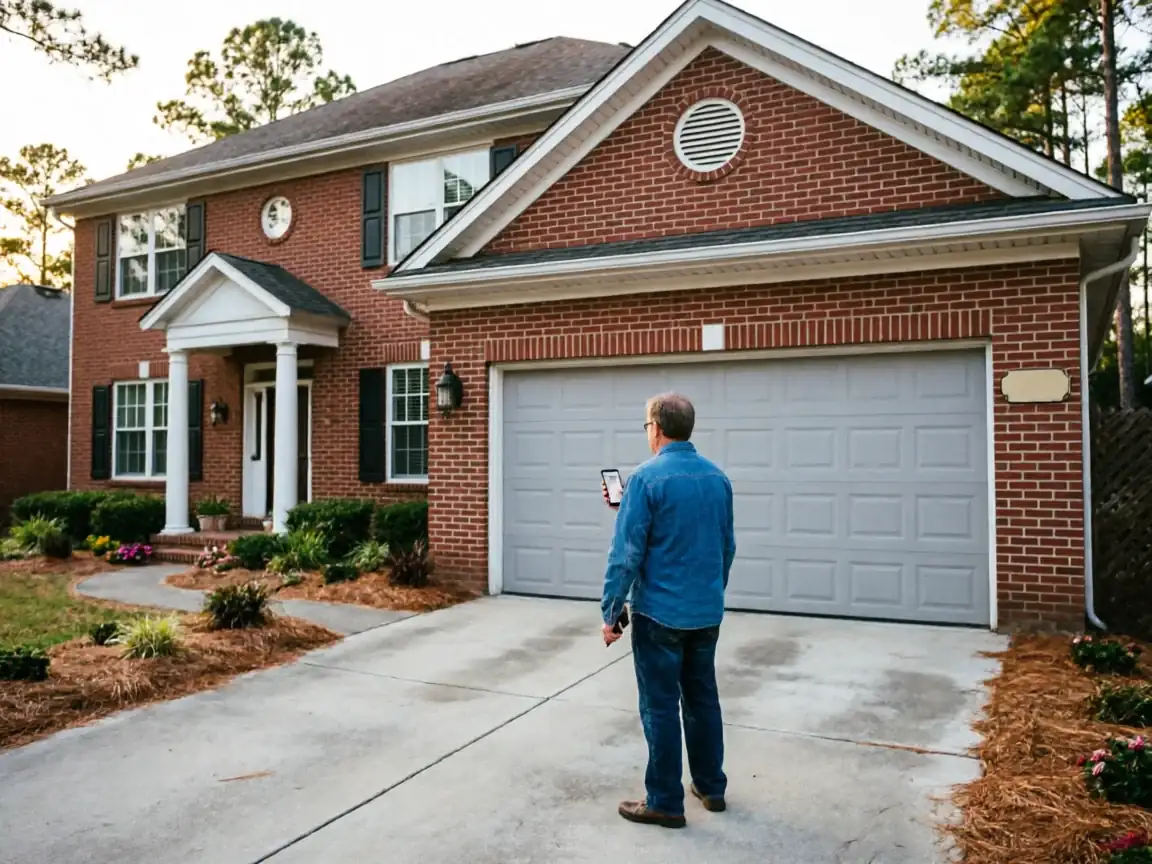
A man stands in a driveway holding a phone, facing a gray garage door.
1

Tell us what’s wrong

Describe the symptom - won’t open, loud bang, opener runs but the door won’t move.

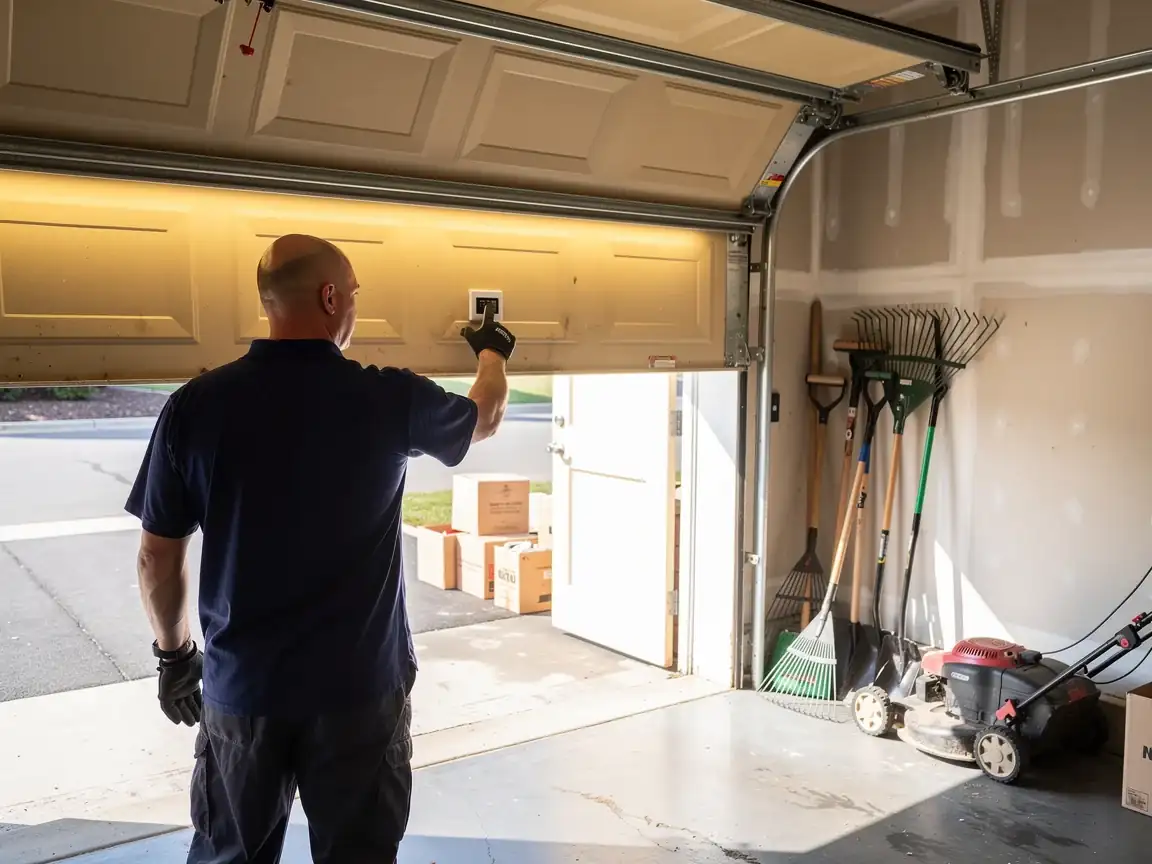
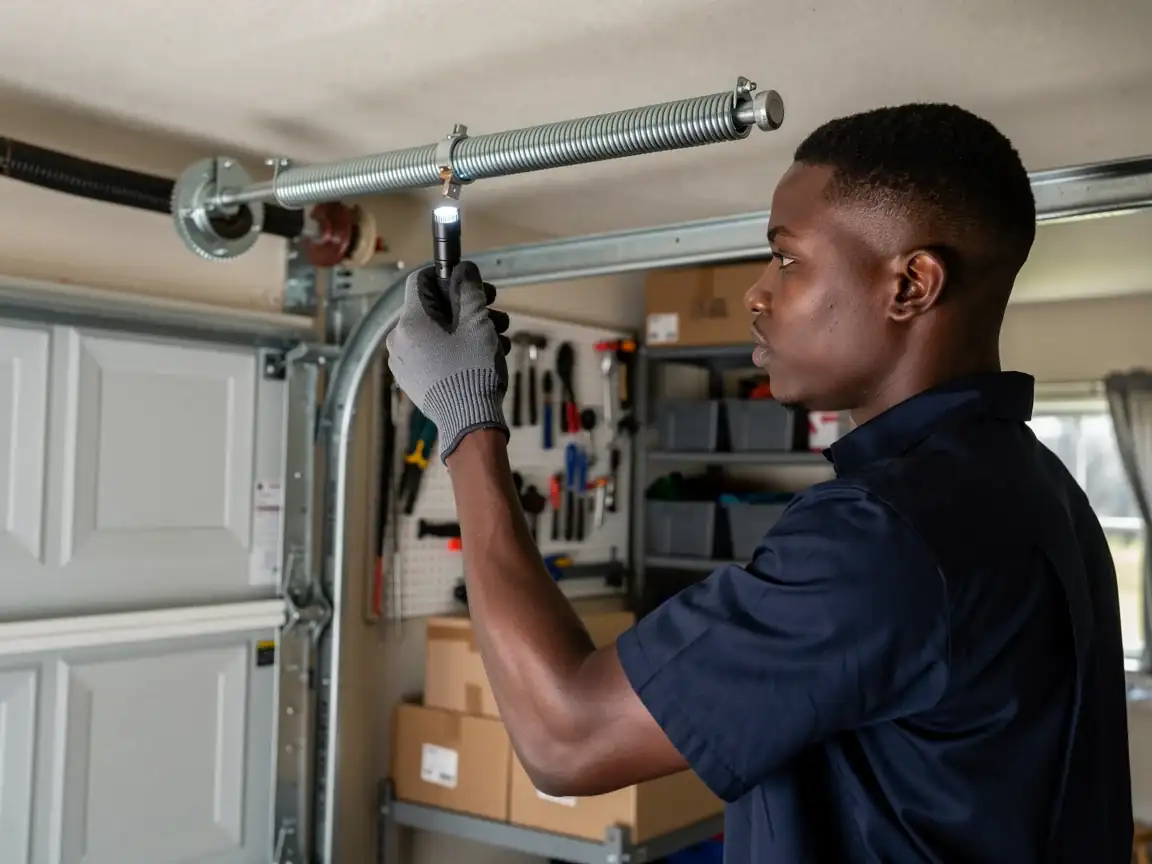
A technician in a dark blue shirt inspects a garage door torsion spring with a flashlight.
2

On-site diagnosis

A technician tests the door under power and by hand and finds what actually failed.

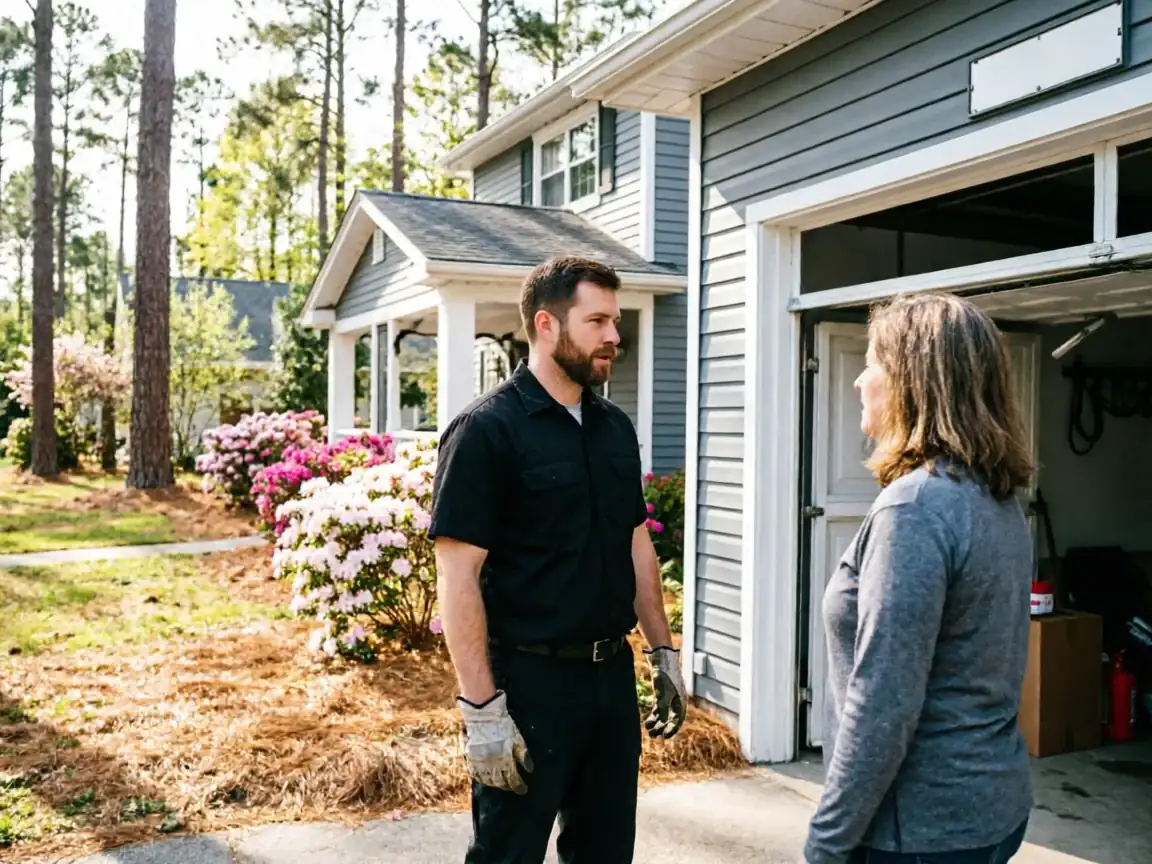
A technician in a black shirt talks to a woman in front of a garage.
3

Clear, up-front plan

You get the fix that’s needed and what drives the cost - before any work starts.

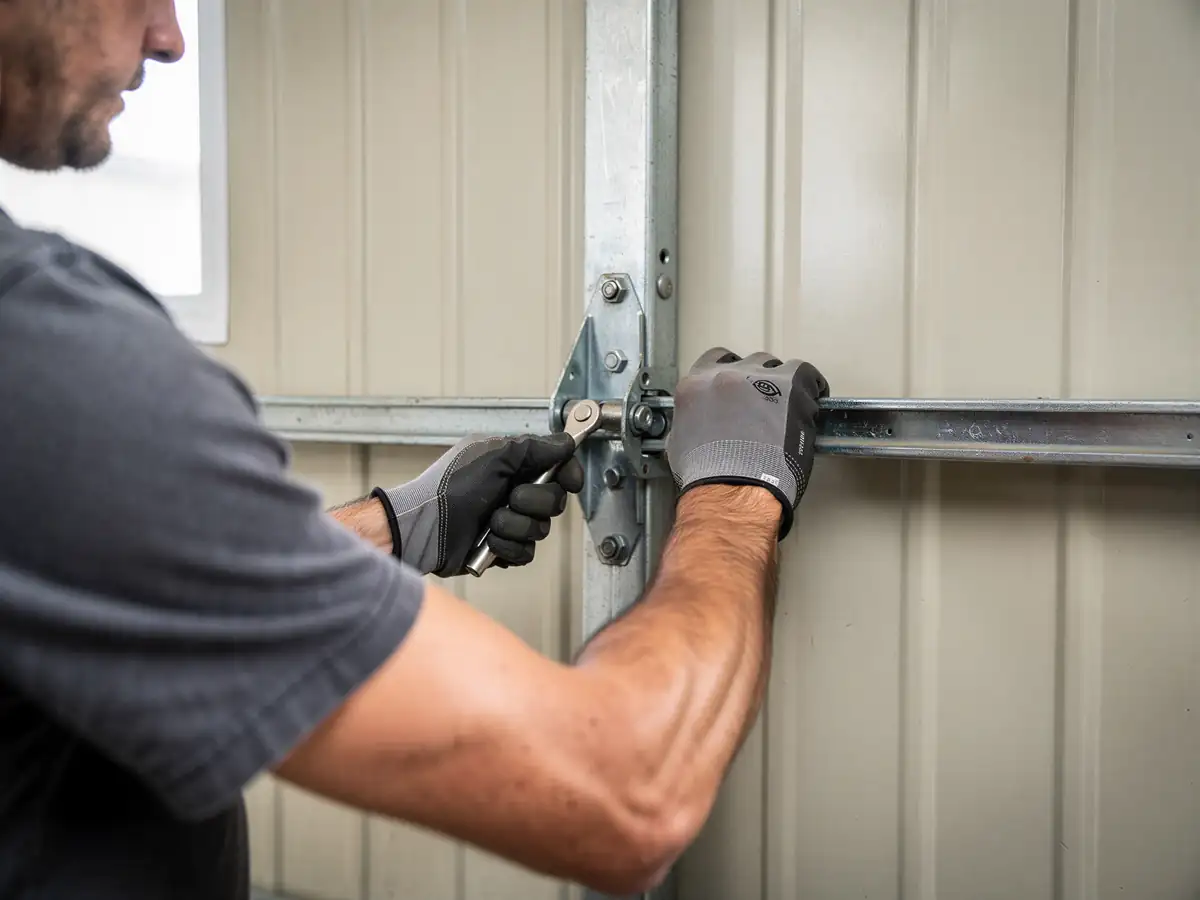
A technician in gloves adjusts a light strip on an open garage door.
4

Repaired & tested

The repair is done, the door is set true and tested, and the work area left clean.

Not sure which repair your door needs in Norcross, GA? Describe what it’s doing - every job starts with a diagnosis.

7areas covered
How we work

What to expect

Diagnosis firstEvery visit starts by finding what actually failed - not a pre-written parts list.
The right part for the doorSprings and openers matched to the door’s weight and age, so the fix holds up.
Straight answersWhen a repair makes more sense than a replacement - or the reverse - you hear it plainly.
Clean, careful workTension released safely, hardware set true, the door tested under power before we leave.
What we do

Garage Door Services

Repair and installation work for Norcross homes and businesses.

Questions

Frequently asked

Straight answers about garage door repair in Norcross. Still unsure? Ask us directly.

Is my garage door actually losing heat, or is it just cold because it's a garage?

Both can be true, but if the wall or floor next to the garage is noticeably colder than other interior walls, or you feel air moving at the bottom seal, the door itself is contributing. Houses built in the 1960s-70s stock common around here almost never have insulated doors unless a prior owner upgraded, so a cold garage usually means a bare steel or wood panel with no foam core.

Can I just add a retrofit insulation kit to my old door?

Sometimes, yes - if the door panels are flat and square and the weatherstrip just needs replacing, a kit helps. But if the door is warped, the bottom seal is cracked past flexing, or the hardware is worn from decades of use, insulating it is money spent on a door that needs replacing soon regardless.

Does the cold climate here really matter for a garage door?

This area sits in a cold-moderate climate band, so you're not dealing with extreme winters, but cold snaps are common enough that an uninsulated steel door - standard on houses built around the median year of 1977 here - loses noticeable heat each winter, especially if the garage shares a wall with living space.

Ready to get your garage door sorted?

Tell us what it’s doing and where you are in Norcross - we’ll take it from there.

Request a QuoteCall