The DIY Question
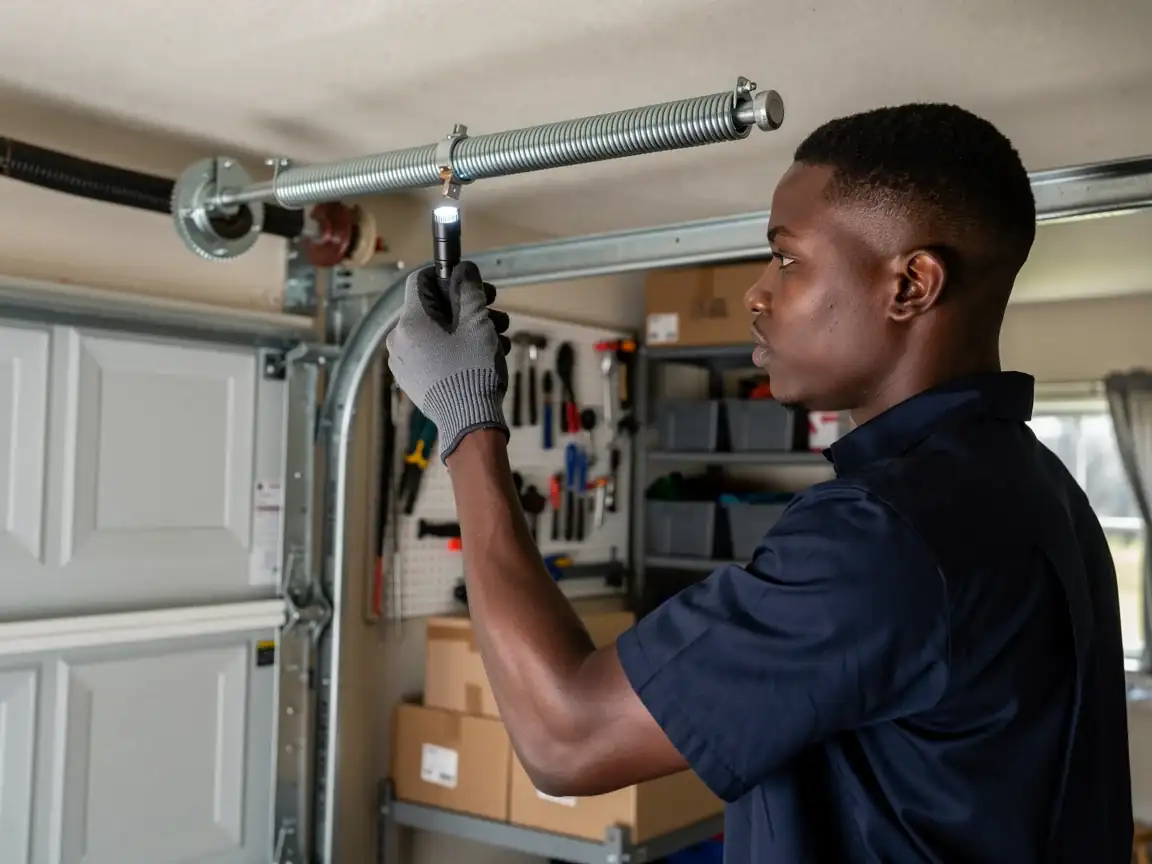
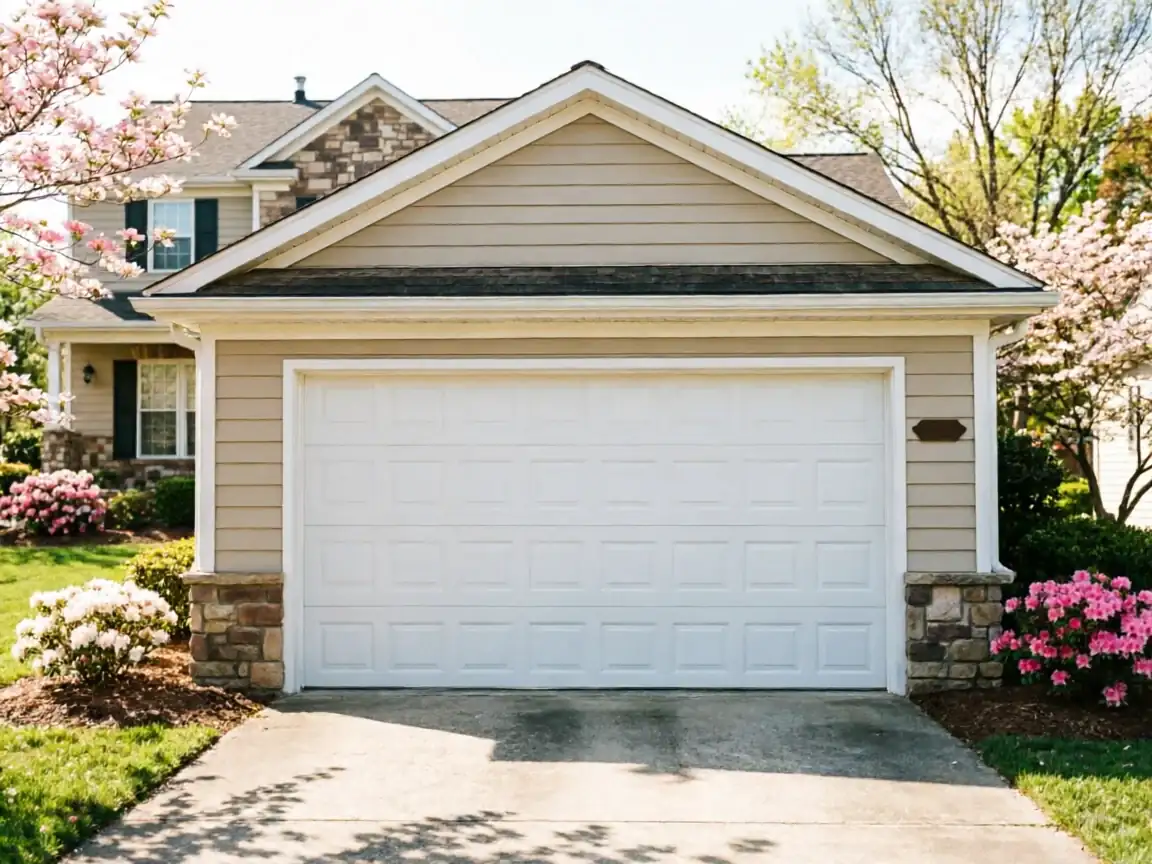
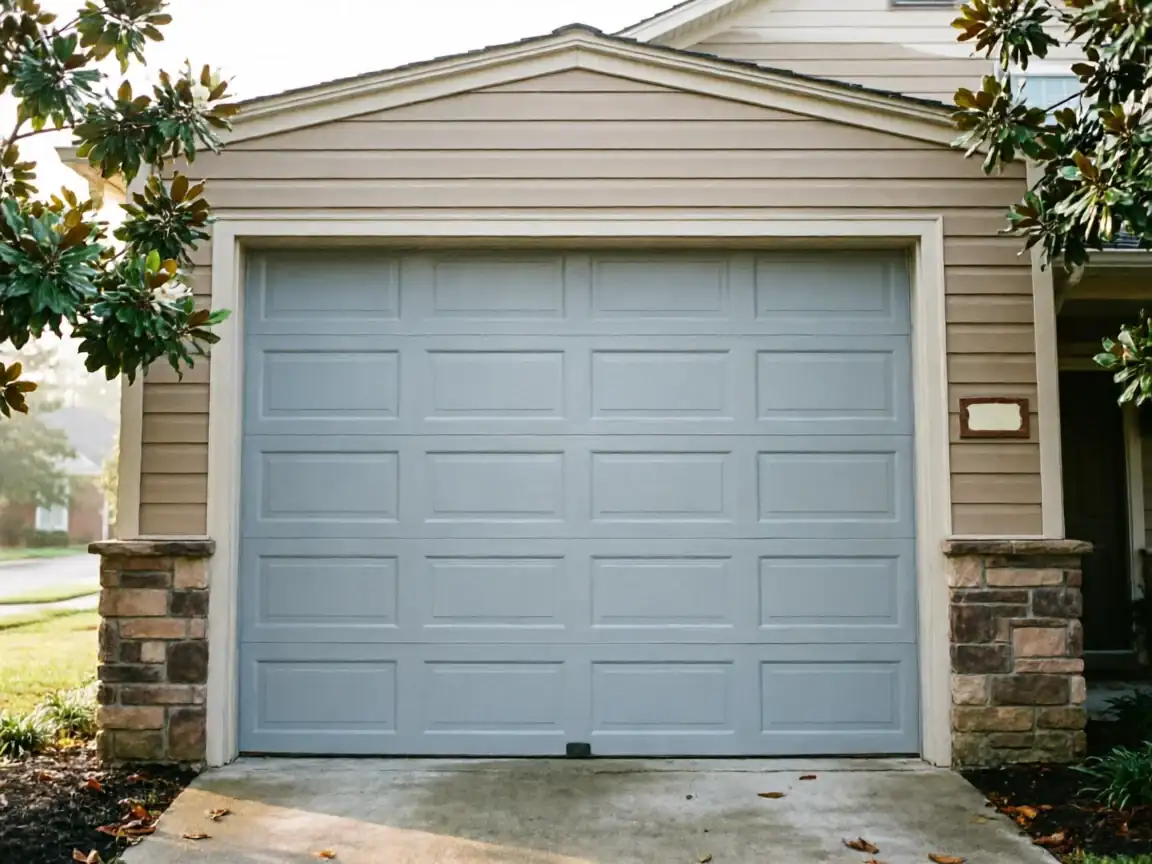
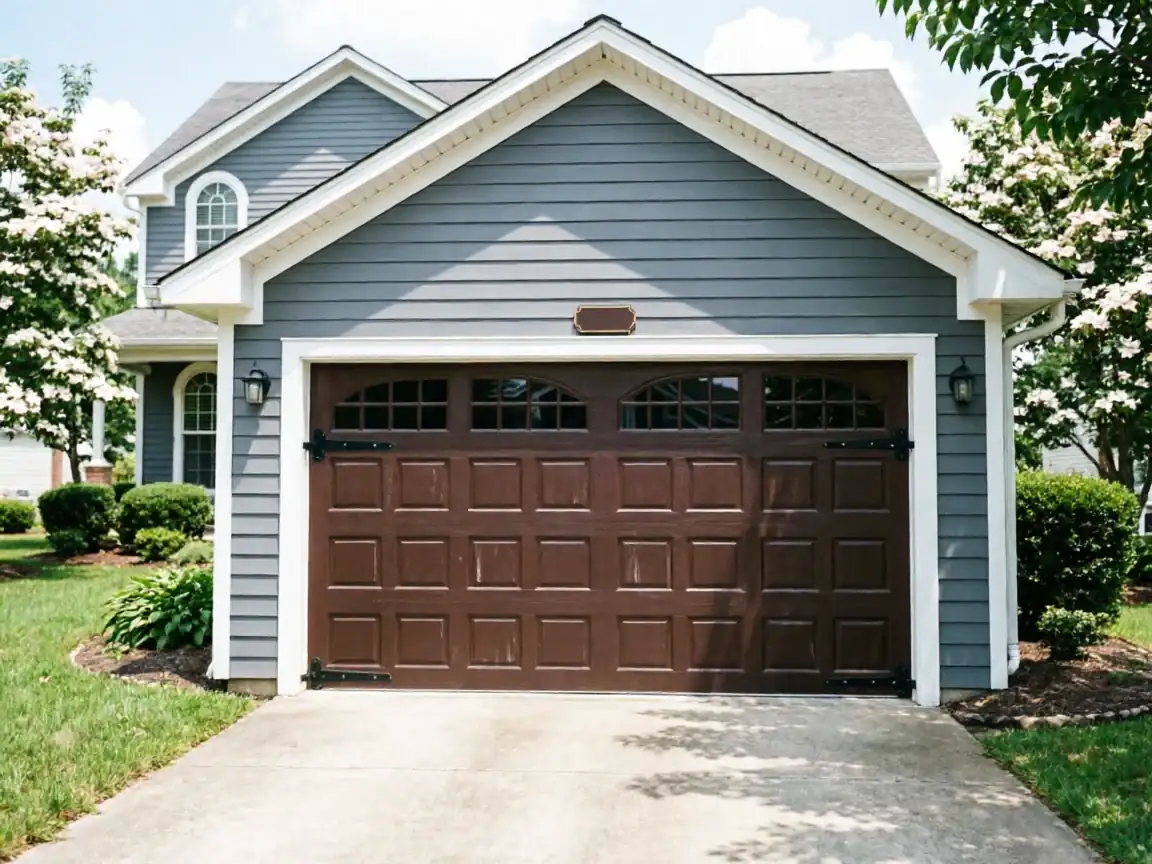
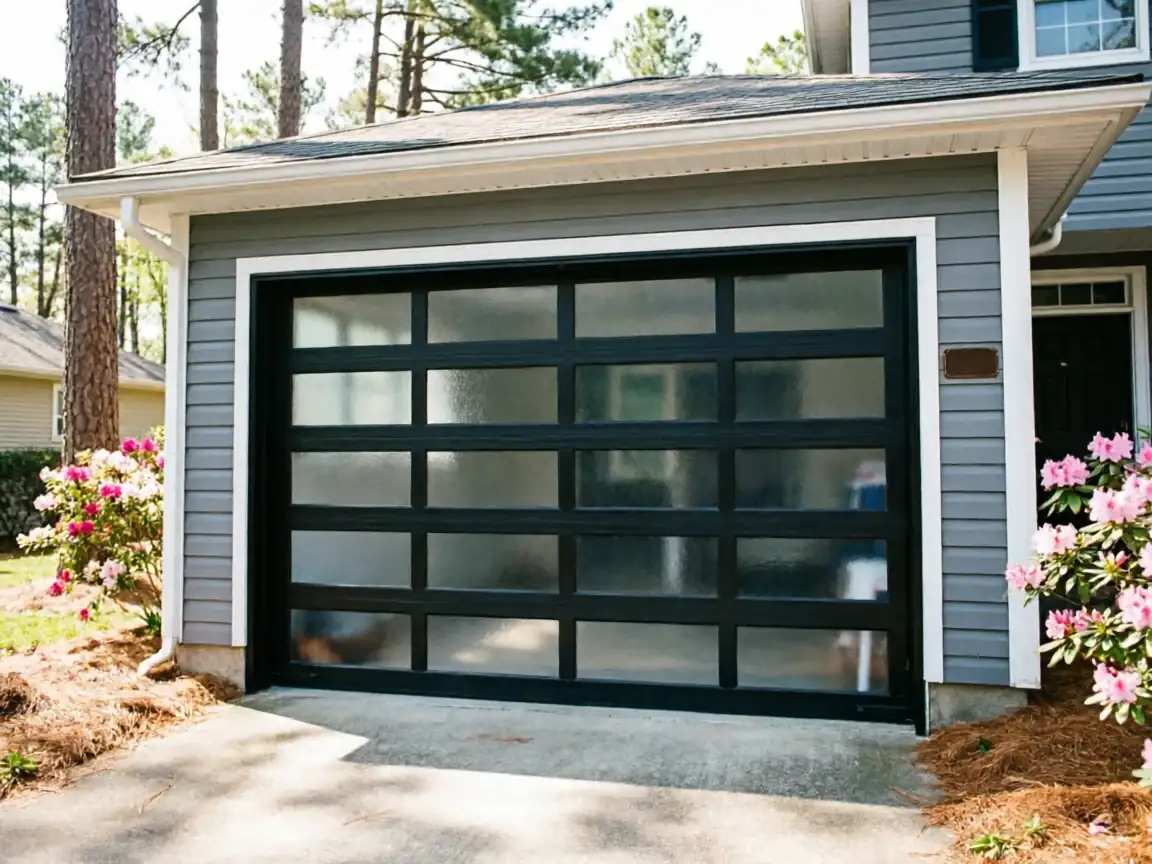
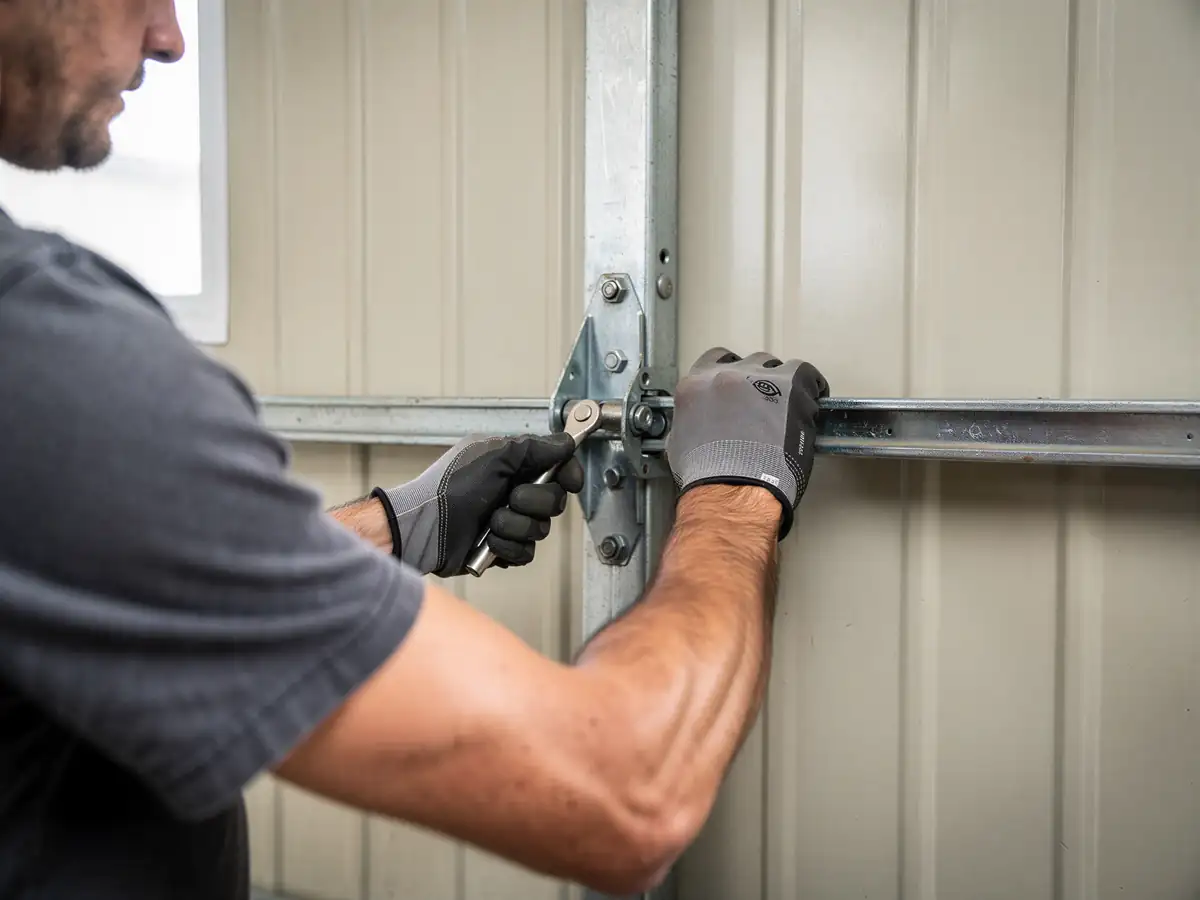
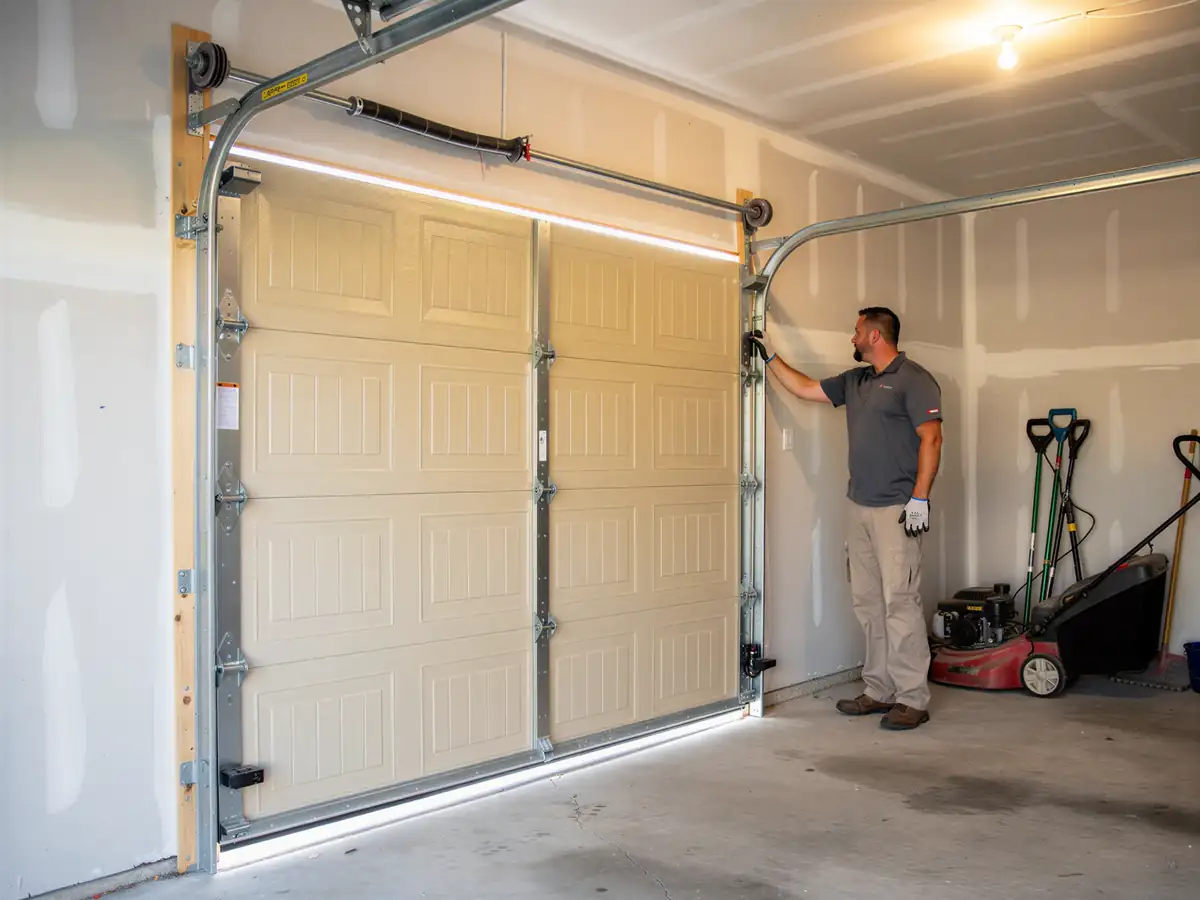
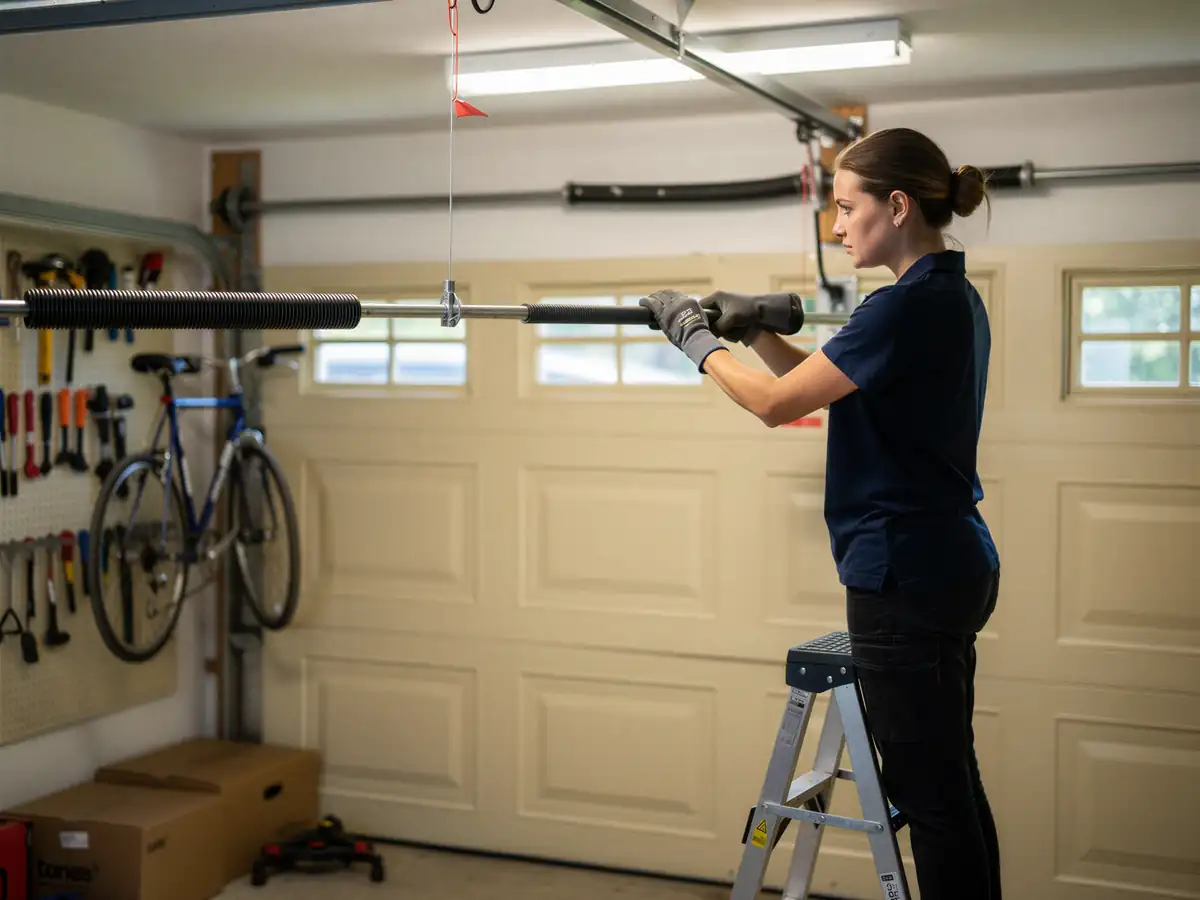
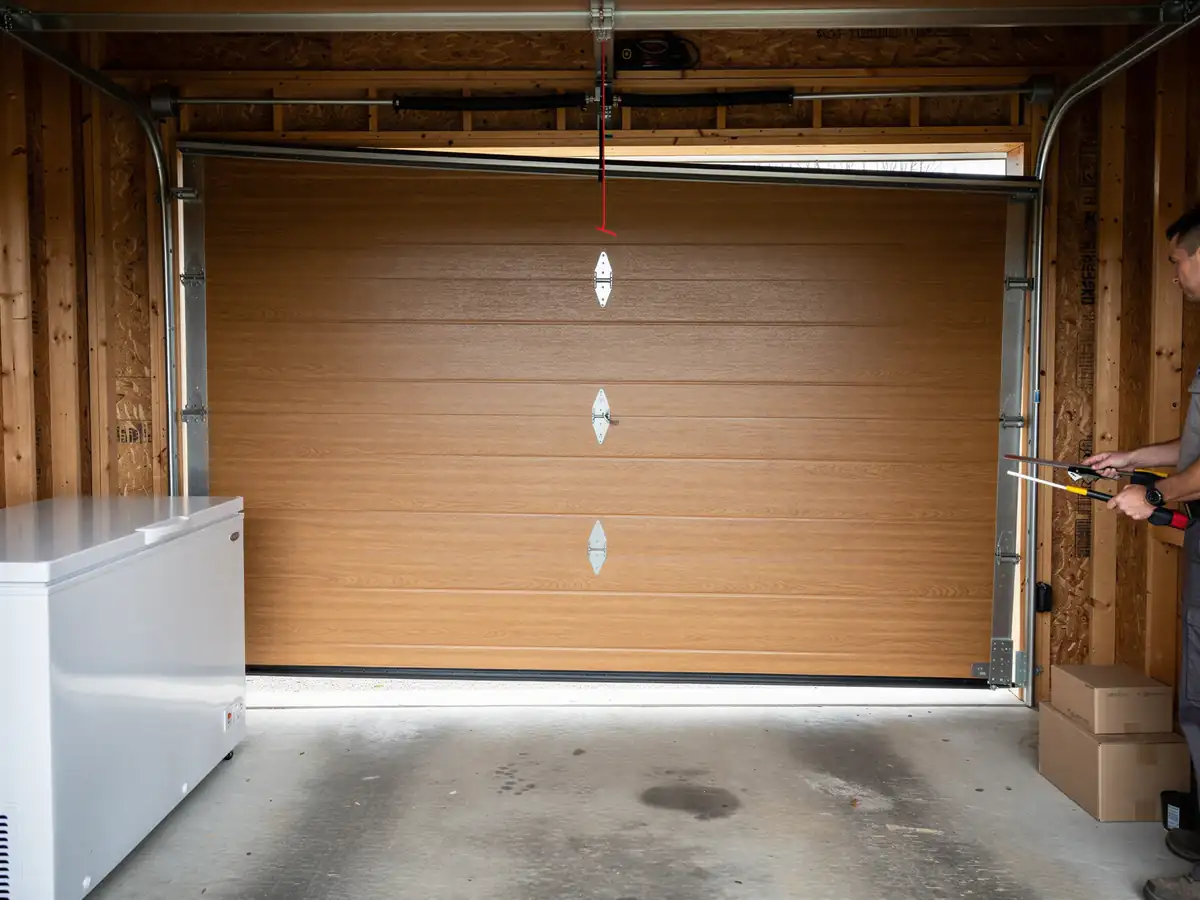
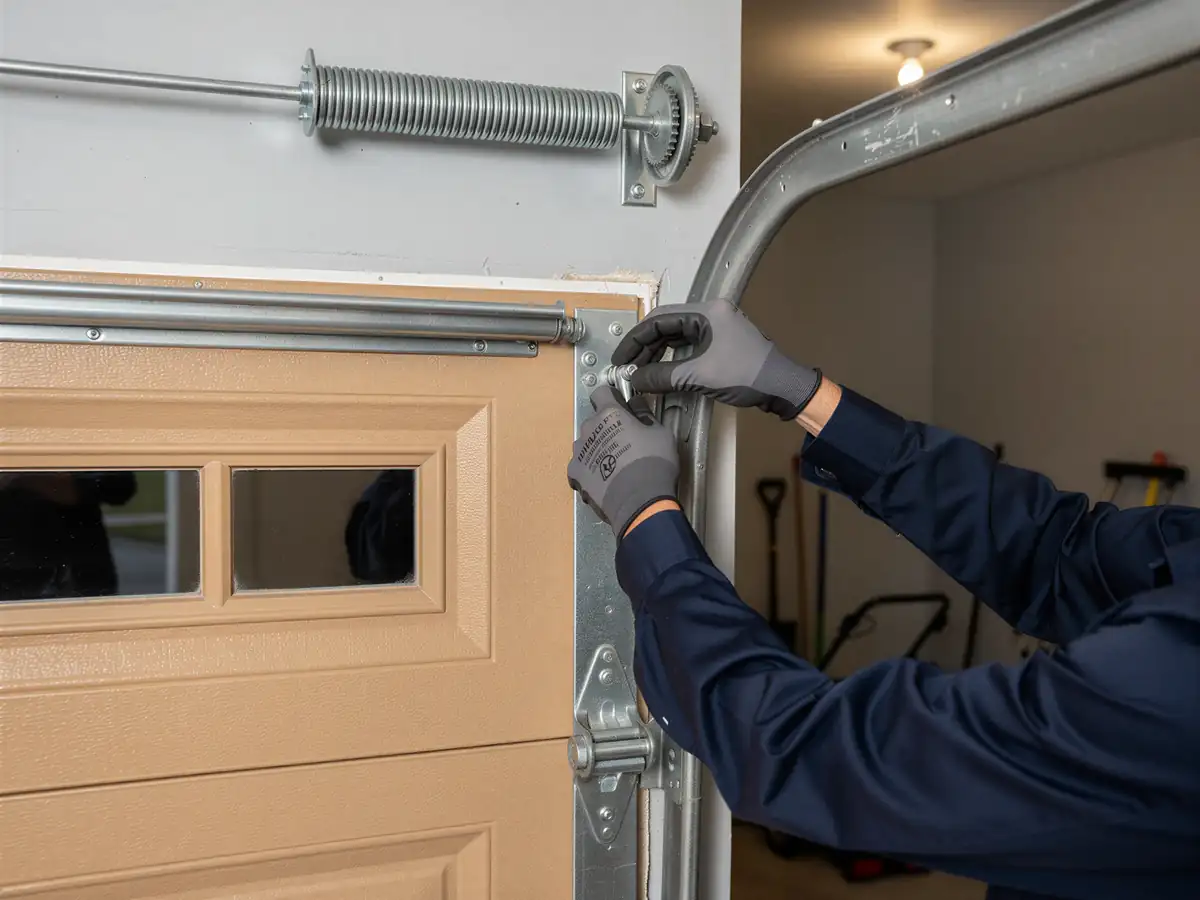
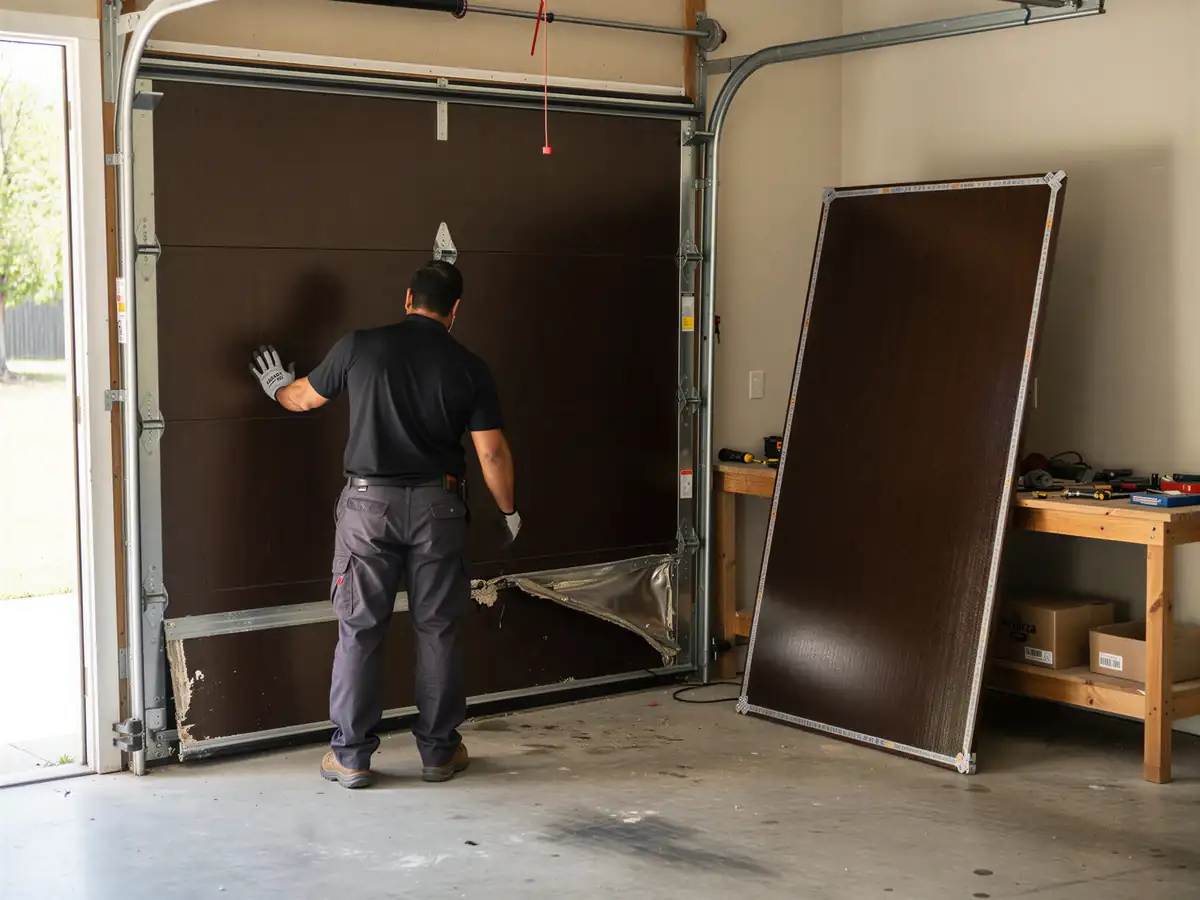
A cracked or caved-in panel looks like a weekend job, and sometimes it is. If the dent is cosmetic and the panel is still flat enough to track straight, you can sometimes pull it and swap in a replacement section bolted to the same hinges. The trouble starts when the door is old enough that the manufacturer doesn't make that panel profile anymore, which is common given that most houses across this service area went up between 1951 and 2012, with the median build year sitting around 1977. A panel from a 2010s steel door bolts on fine. A panel from a door that age often doesn't exist as a stock part, and matching the groove pattern, the hinge spacing, and the gauge of steel on a door that old usually means ordering a custom-cut section or replacing more than one panel to keep the door looking uniform. If your springs are original to the door too, pulling a panel means working next to hardware under load, and that's where DIY stops being worth the risk. We're straight about this: if the section is obsolete or the door's end-of-life anyway, a full replacement is often cheaper than chasing one panel.
Why It Happens Here
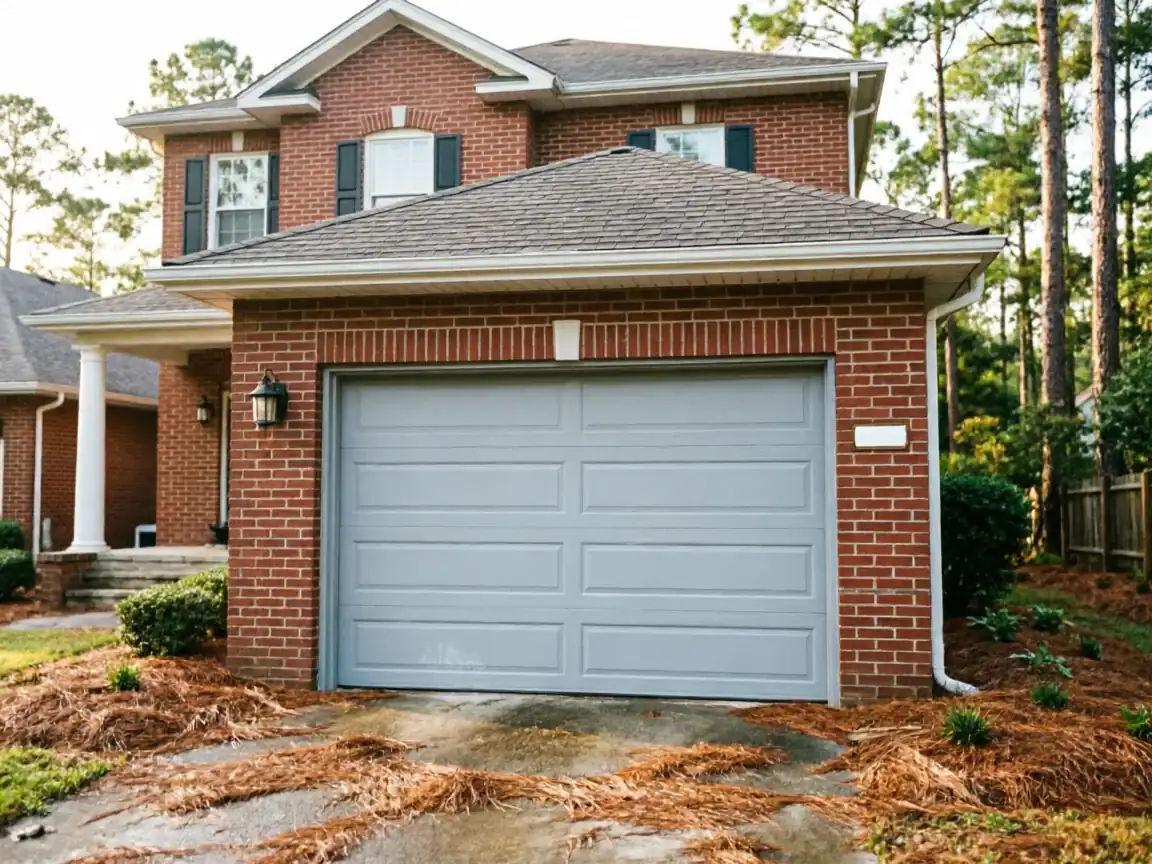
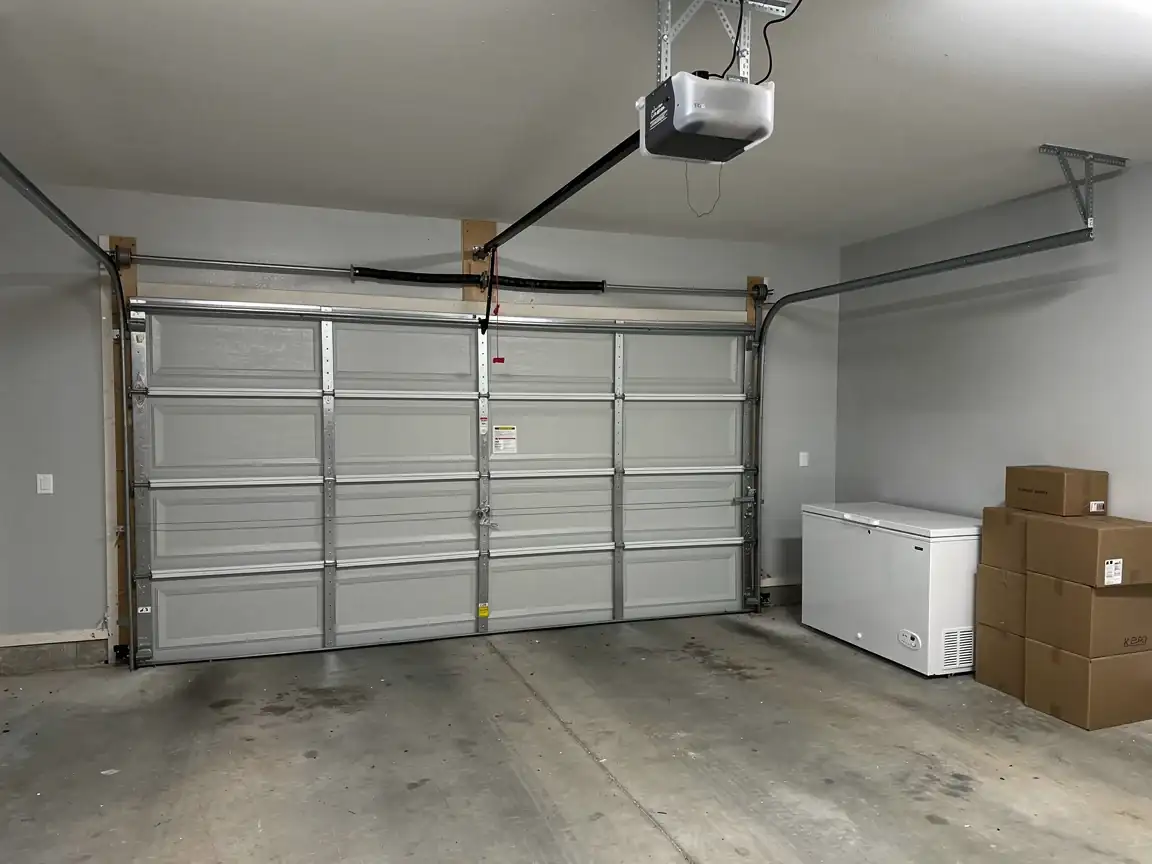
Across the 18 named areas this service area covers, the bulk of the housing stock is 1960s and 70s construction, meaning single-layer steel panels with no foam-backed insulation and thinner gauge steel than anything built in the last twenty years. That steel dents easily from a backed-up bumper or a stray basketball, and once the galvanized coating is scratched, it starts to rust from the inside out at the bottom seam where water sits after rain. The climate here runs cold-moderate, so a hairline crack that opens in fall doesn't just sit there over winter - freeze-thaw cycling works it wider each time the temperature swings, and by late winter a small chip has turned into a panel that's crumbling at the edge. On doors from the 1977 median build era, this shows up most on the bottom one or two panels, since those take the brunt of curb strikes and standing water. Newer doors with insulated steel skins resist this better, which is part of why panel failure skews so heavily toward the older half of the local stock.
Booking a Visit
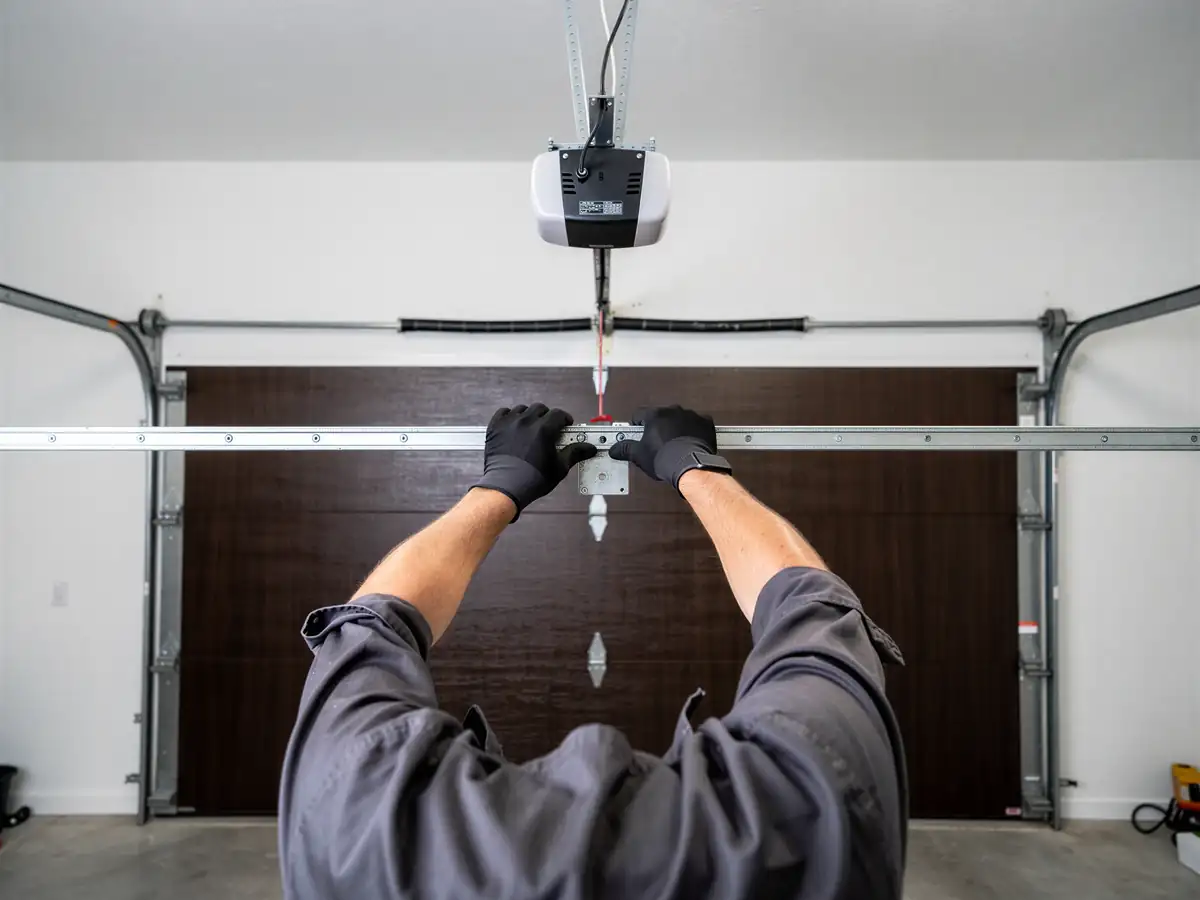
We come out, look at the actual panel, and tell you straight whether a matching section exists or whether the smarter move is a new door. That call depends on the door's age, the manufacturer, and how many panels are affected, which is something we can only judge in person. We cover the area out to roughly twenty miles, from Berkeley Lake three miles off to Fair Oaks at the far edge, so if you're anywhere in between, we can get to you. Bring us a photo of the damage and the door's brand if you can find it on the track rail, and we'll have a better idea of parts availability before we show up.