

This Area's Housing
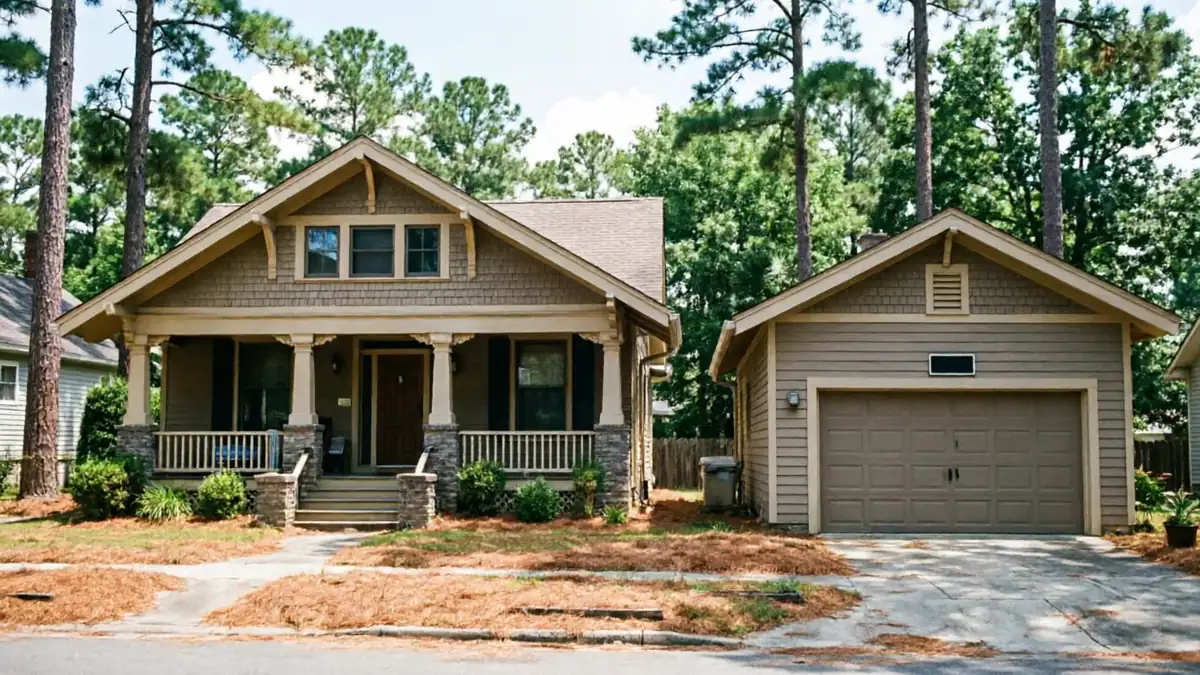
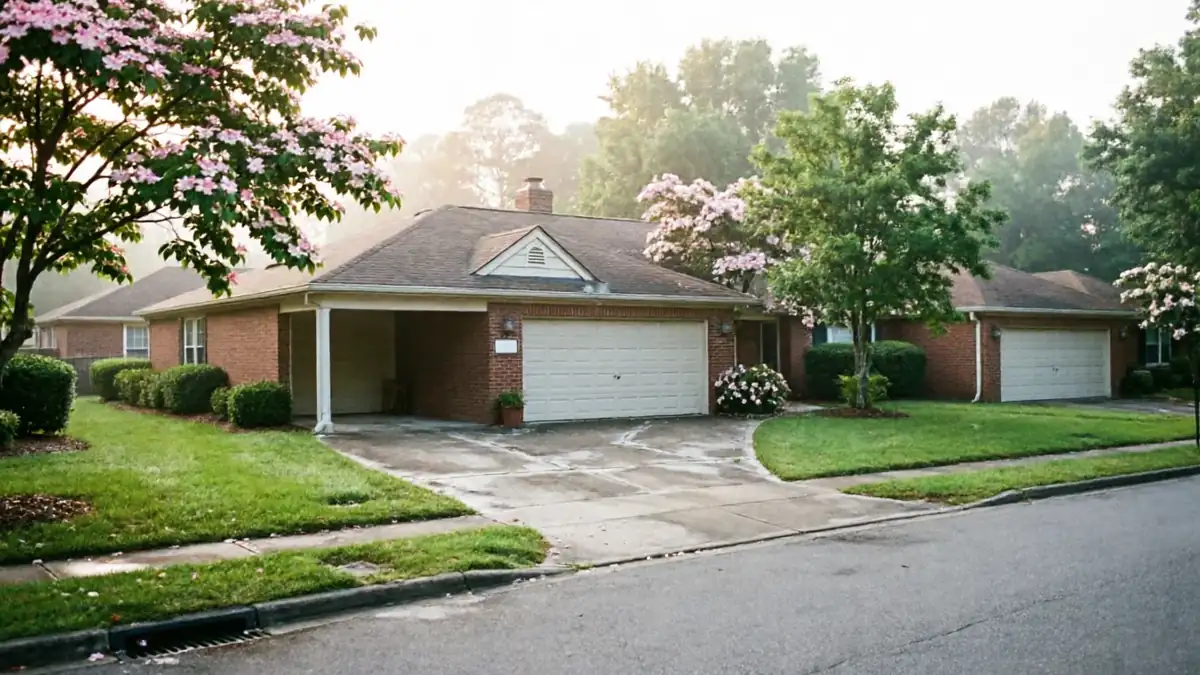
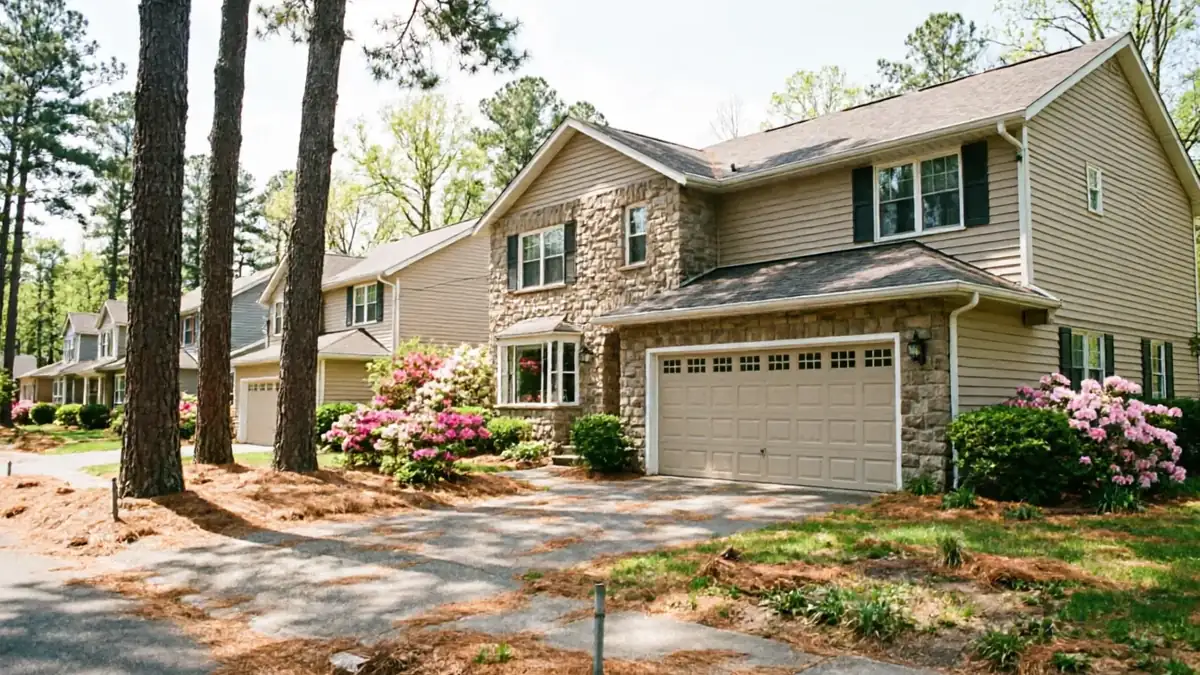
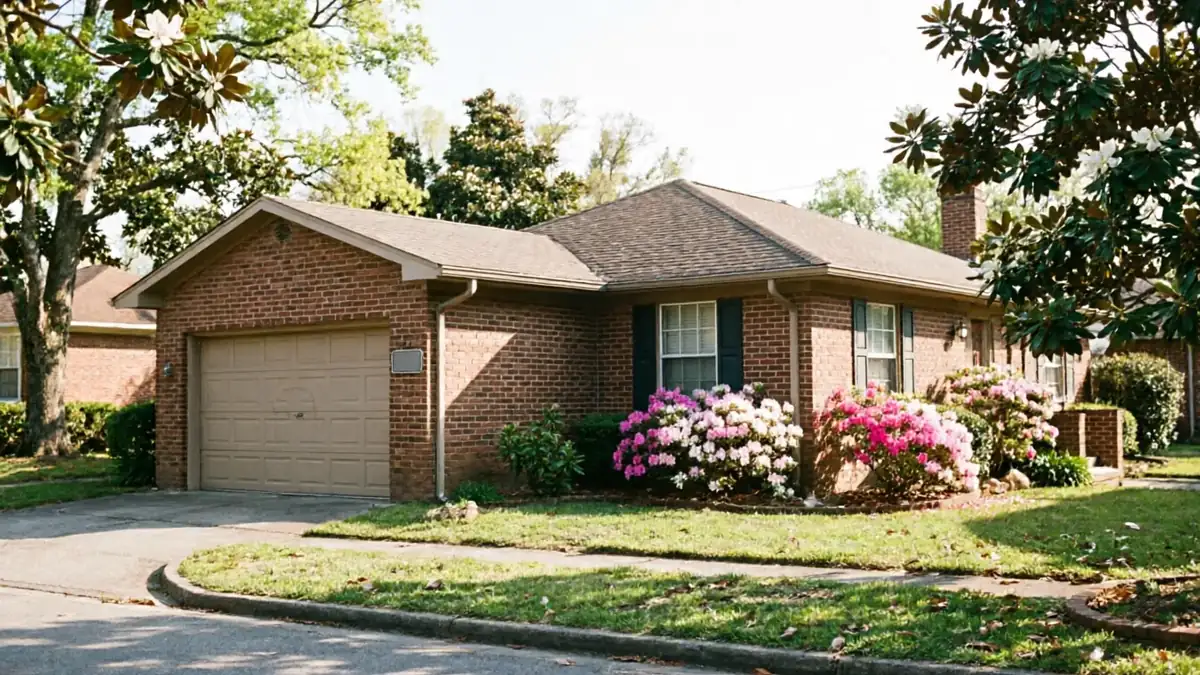
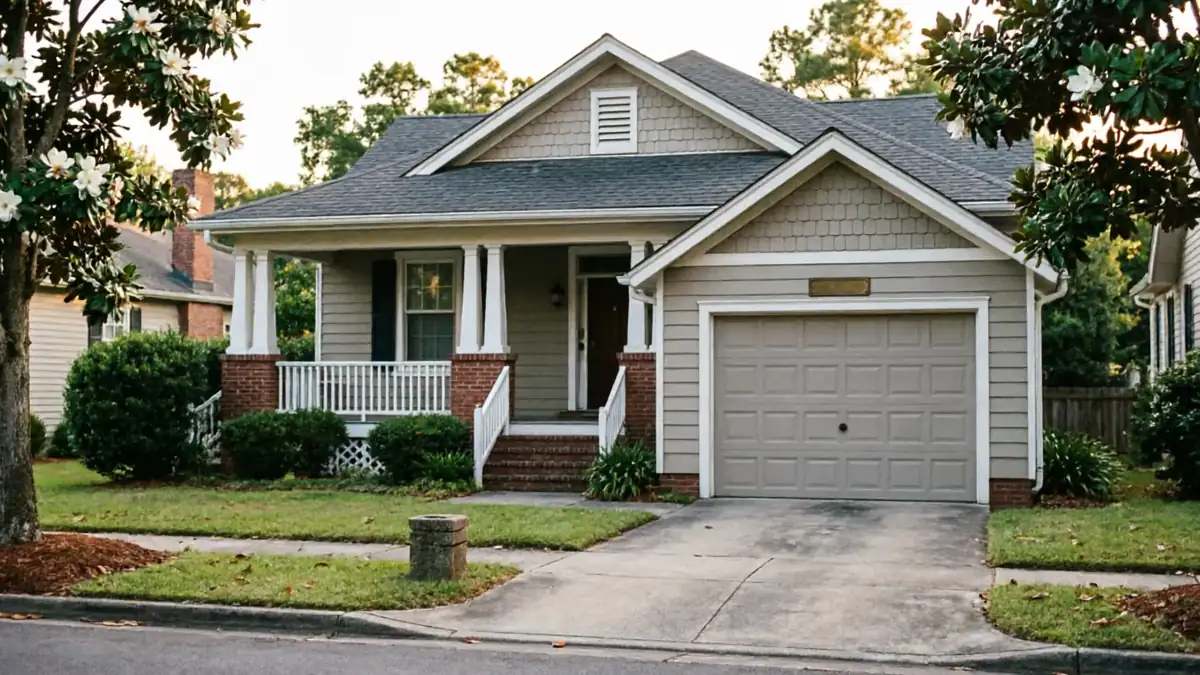
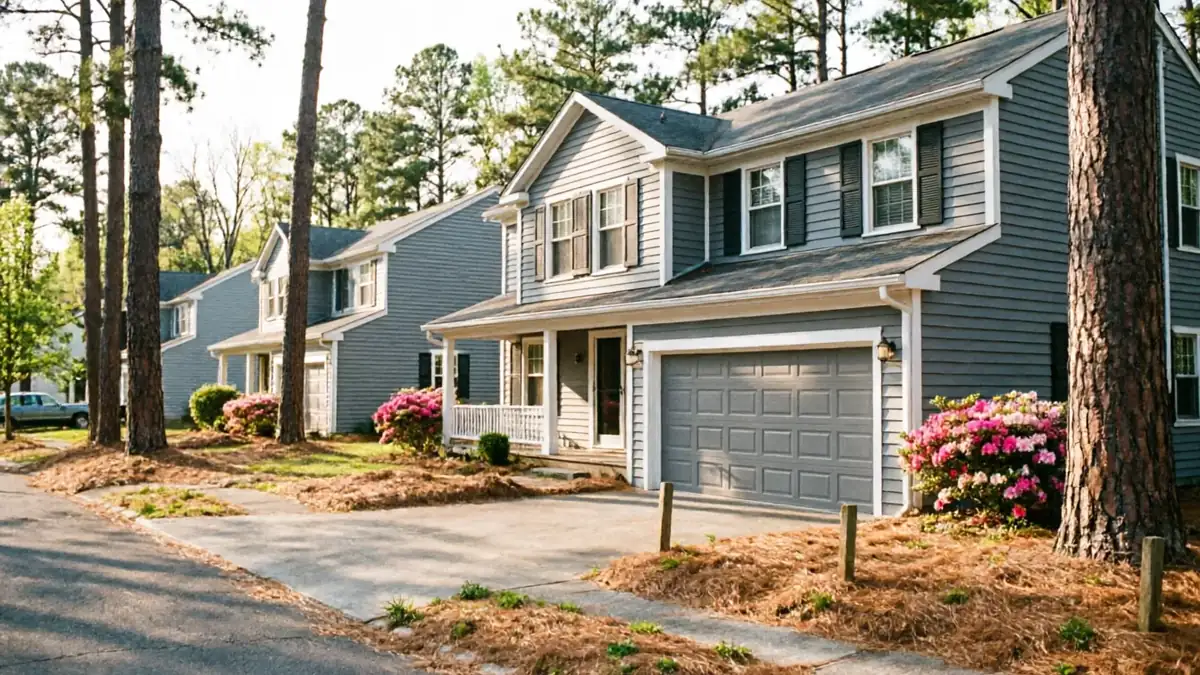
Druid Hills sits apart from a lot of the rest of our coverage area because of when it was built. The median year built here is 1964, well ahead of the broader service-area median of 1977, which runs from homes as old as 1951 to new builds as recent as 2012. That earlier build date matters more than it sounds like it should. A house framed in the mid-1960s usually has a garage opening sized and hung differently than one built in the 1980s or later - narrower headroom, older track geometry, and in a lot of cases the original hardware still bolted to the jambs.
The area has about 3,579 households, a small slice of the roughly 48,457 households across our whole coverage footprint. Median household income here runs $140,466, nearly double the area-wide median of $73,075. That combination - older housing stock, higher household income - tends to mean owners who've already put real money into the house but have left the garage door alone because nothing visibly broke. It usually keeps working right up until a cable or spring lets go without warning.
How We Get to You
We run out of Norcross, and Druid Hills is about 13 miles from there. We don't have a depot or a drop point in the neighborhood - every job here means a truck making that drive, same as it would for any of the other communities we cover. That's worth saying plainly: we're not a local shop with a storefront on your street, we're a Norcross-based crew that comes to you.
We mention the distance because it's relevant to scheduling, not because it changes what we can fix. A spring job or an opener swap takes the same amount of truck time to prep whether the drive is three miles or thirteen. What does change is that we try to route Druid Hills calls alongside other stops in this part of the coverage area rather than sending a truck out solo for a single call, which is also true for the other outlying spots on our list - Stone Mountain, Pine Lake, Avondale Estates, and the rest.
What the Housing Means for Your Door
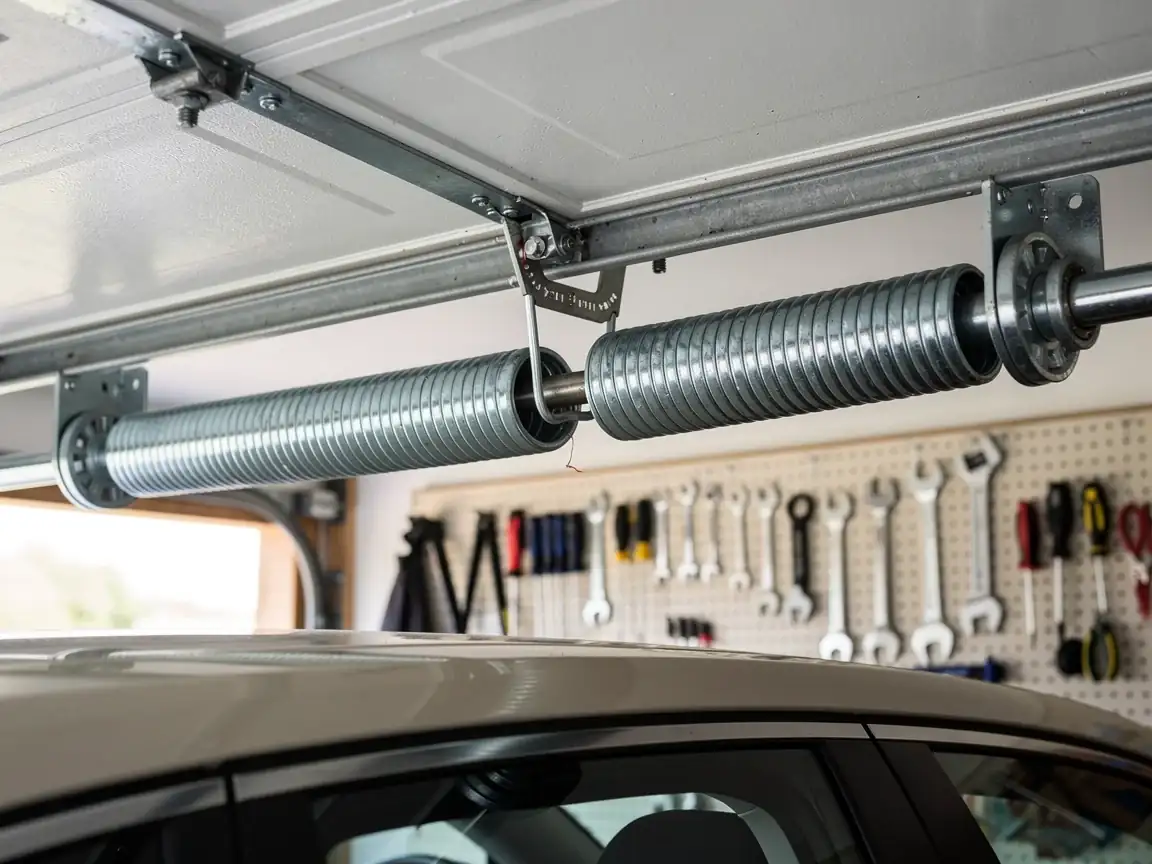
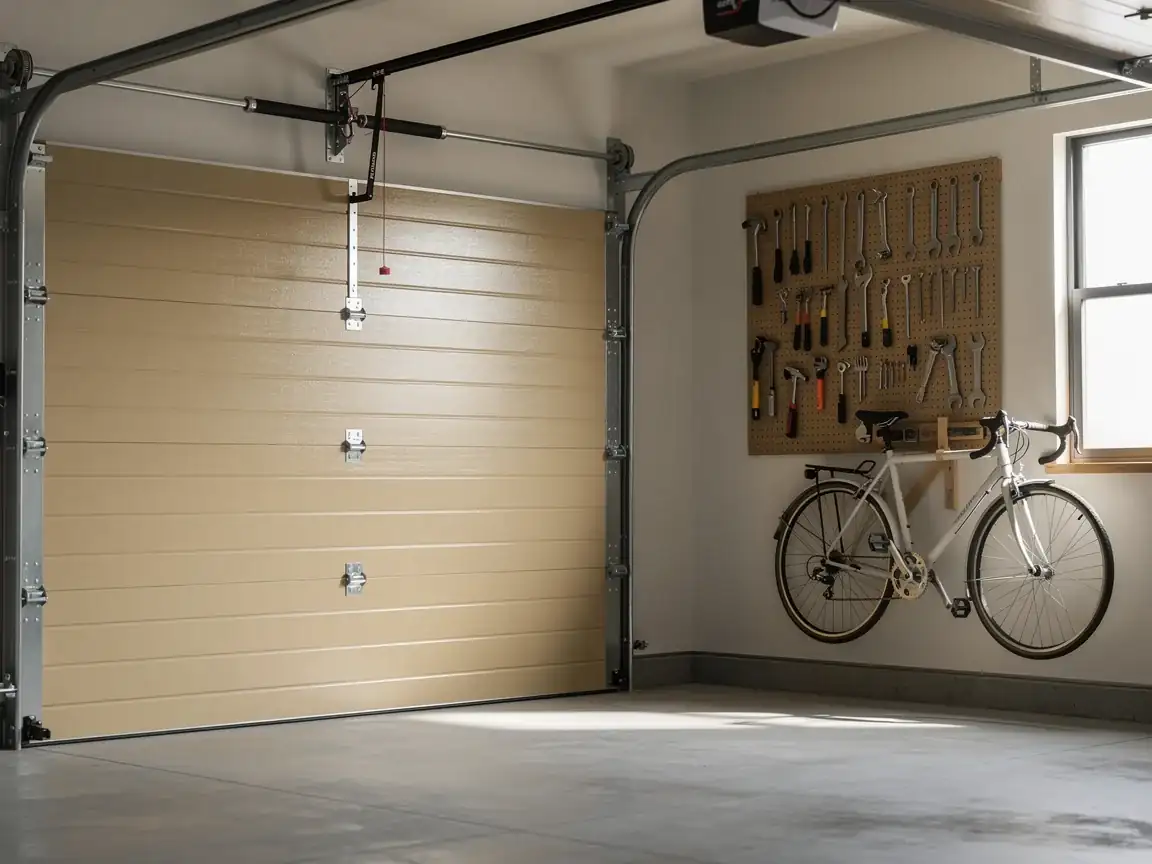
With a median build year of 1964, a lot of garages in Druid Hills were framed for single-layer steel or wood doors on hardware that predates the sectional torsion springs you'd find in anything built after the 1980s
The climate band here is cold-moderate, which isn't brutal but it's enough freeze-thaw cycling over sixty years to work on old lift cables, rust out roller shafts, and dry out weatherstripping that was never replaced.
The common faults we see on houses this age aren't exotic
Springs that have simply outlived their wind cycles. Rollers worn oval instead of round. Center-mounted torsion bars on brackets that were adequate for a 1964-era wood-panel door but never rated for the heavier insulated steel doors a lot of owners have since swapped in. If your door is original to the house or close to it, the hardware behind it is almost certainly original too, even if the door face itself has been replaced once or twice over sixty years.
What We Do Not Do
We don't stock or install garage doors sized for openings outside standard residential dimensions - if your garage was modified or has a nonstandard opening, that's a conversation before it's a job, not an assumption. We also don't try to rebuild hardware that's past the point of being worth it: if a torsion system on an original 1964-era door has multiple failure points at once, we'll tell you straight that replacement costs less over time than patching the same door again next year.
We don't keep an inventory depot in Druid Hills, so same-day parts availability depends on what's already on the truck headed out from Norcross - unusual spring sizes or discontinued panel styles sometimes mean a second trip. That's the honest tradeoff of covering a wide area from one base: we get to you, but we're not around the corner.







