Why It Happens Here
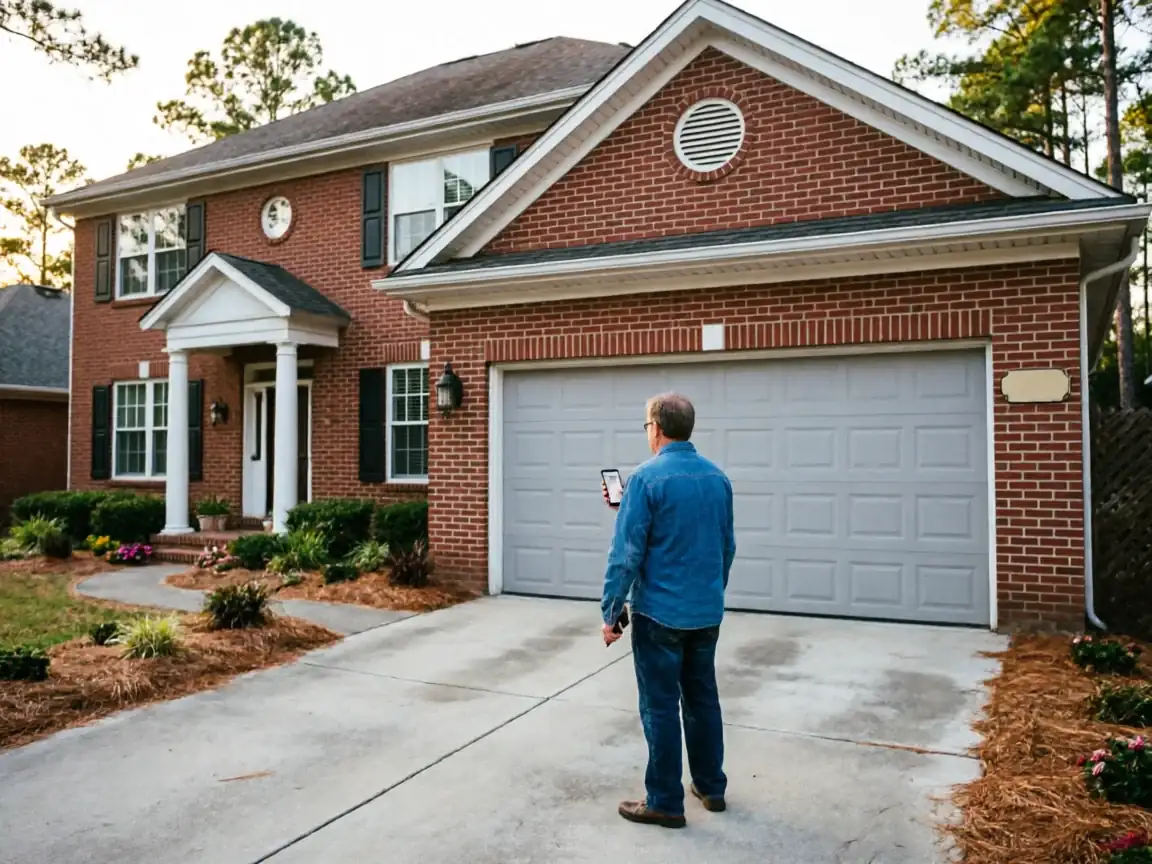
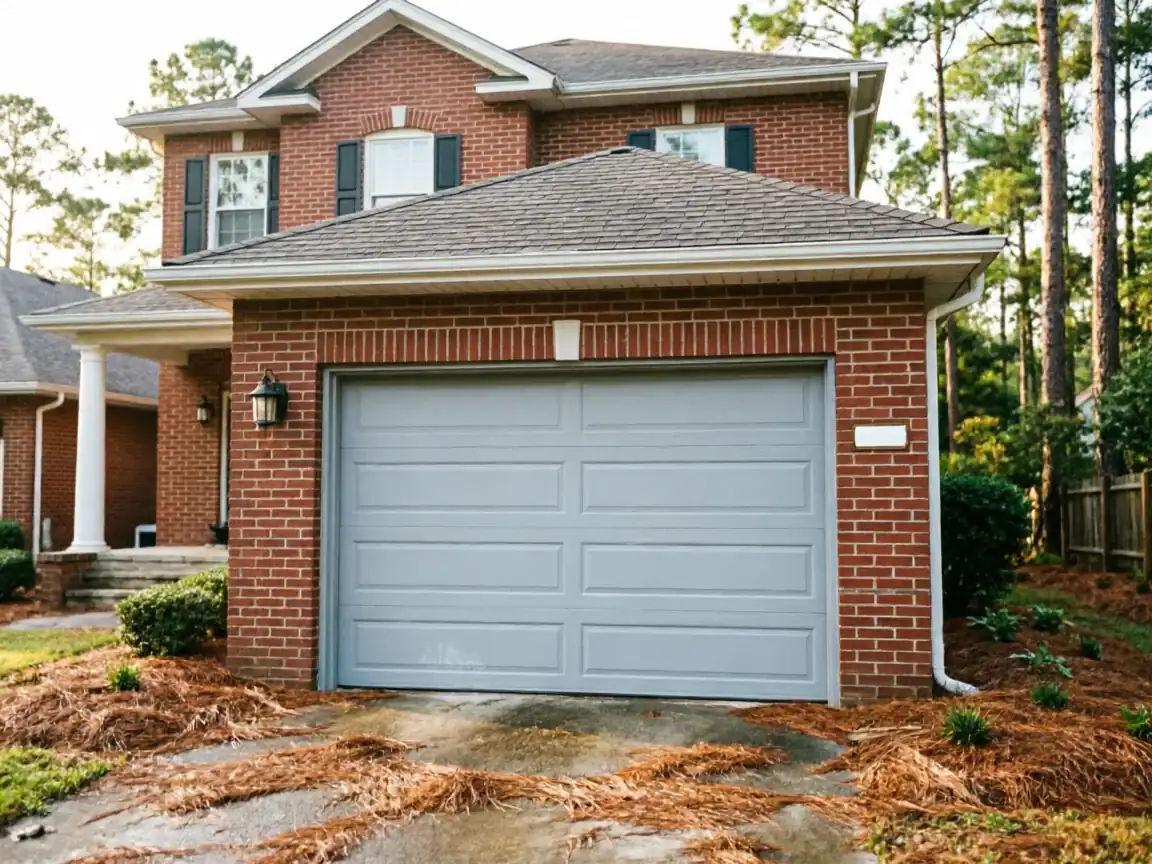
Most houses in Druid Hills went up around 1964, a decade before the overall median of 1977 across the rest of the territory we cover. That matters because a door built for a 1964 house is not the door you'd put on a house from 1985. A lot of these homes were framed with a single 9-foot opening and a narrow masonry jamb, not the 16-foot double-wide opening that shows up in later subdivisions nearby. The original door was likely a single-layer steel or wood panel door, no insulation, mounted on hardware sized for a lighter load than what's standard today.
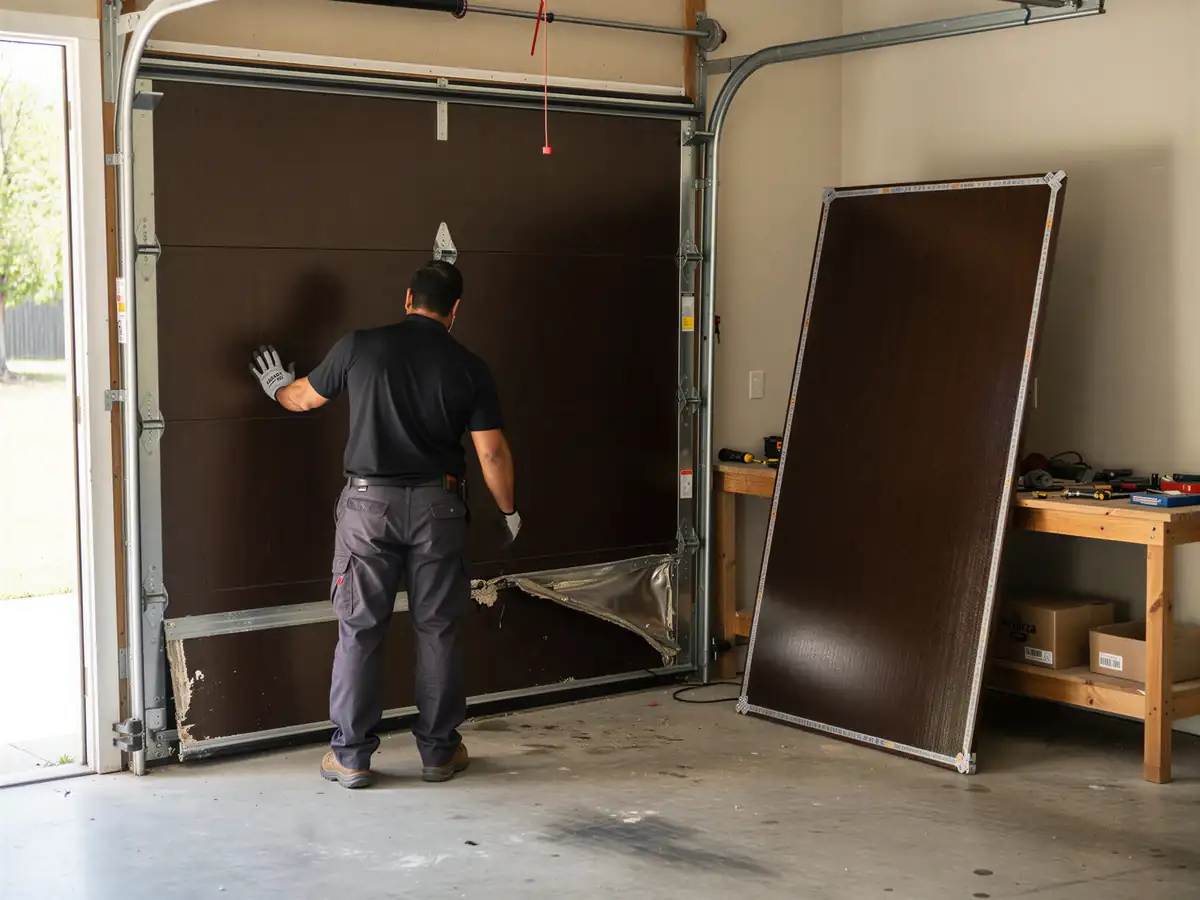
Druid Hills' median household income of $140,466 runs nearly double the $73,075 median across the rest of the service area, and that shows up in what owners here choose to replace with - insulated steel or composite doors with upgraded hardware, not the builder-grade option. The climate here is cold-moderate, which means insulation value actually pays back on heating bills, unlike in a mild climate where it's mostly noise control. When a door from this era finally gives out, the fix usually isn't patching the old panel - it's replacing the whole unit to match an opening that predates current standard sizing.
What Can Go Wrong
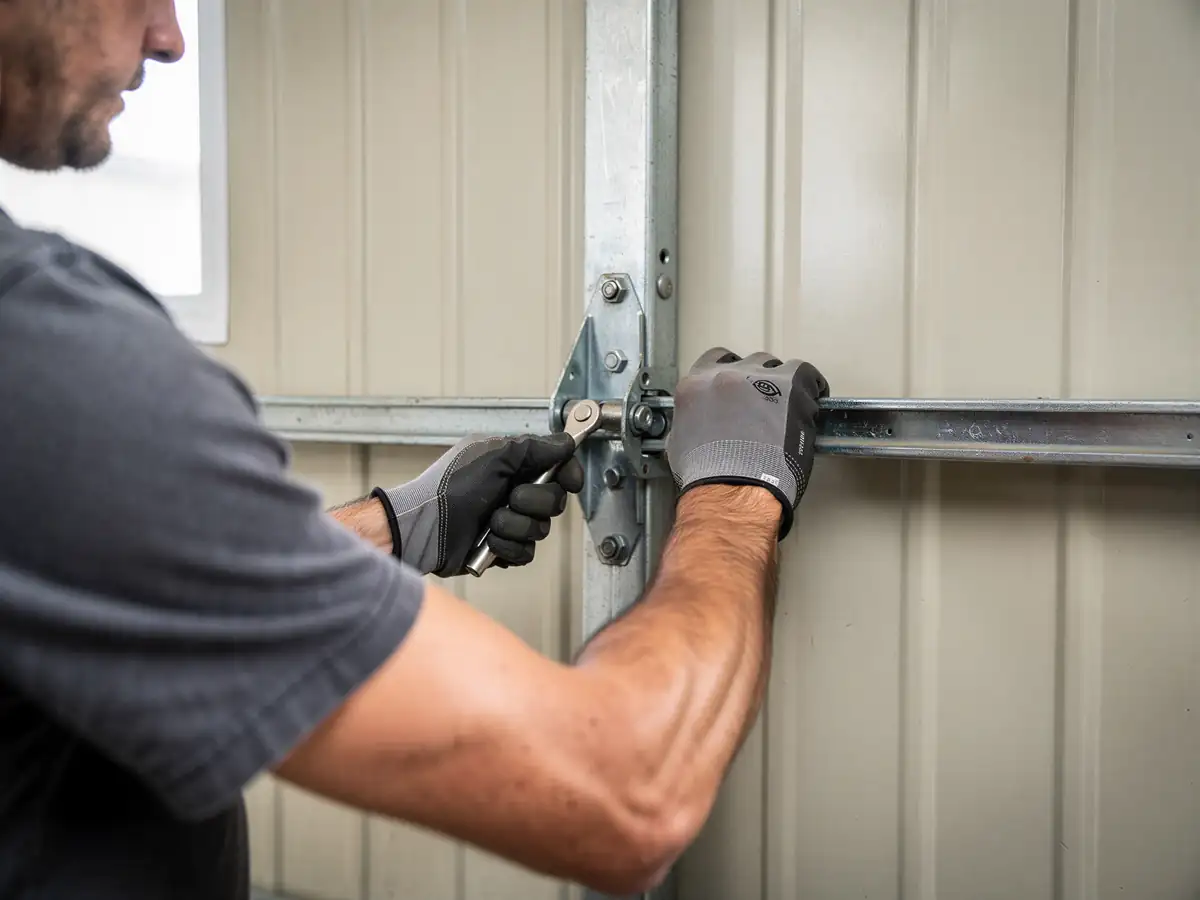
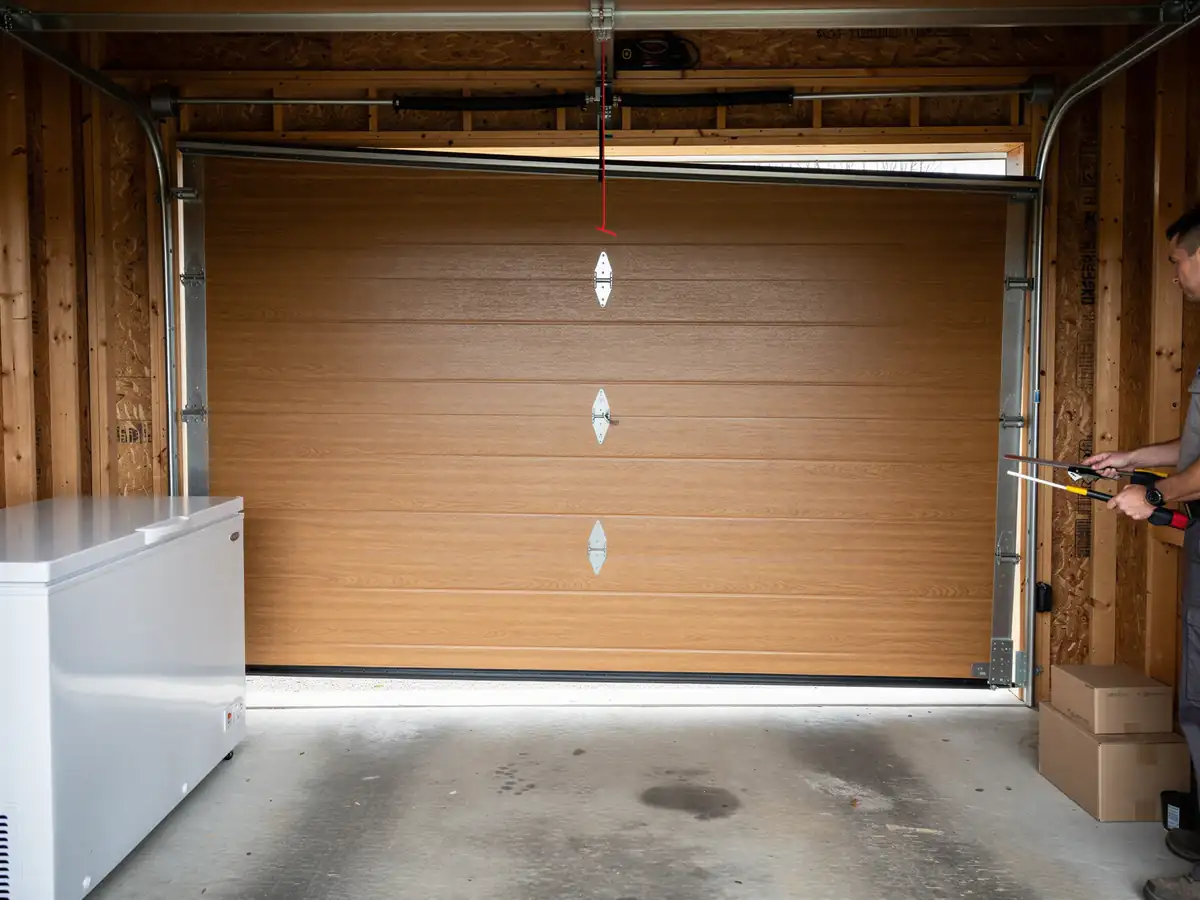
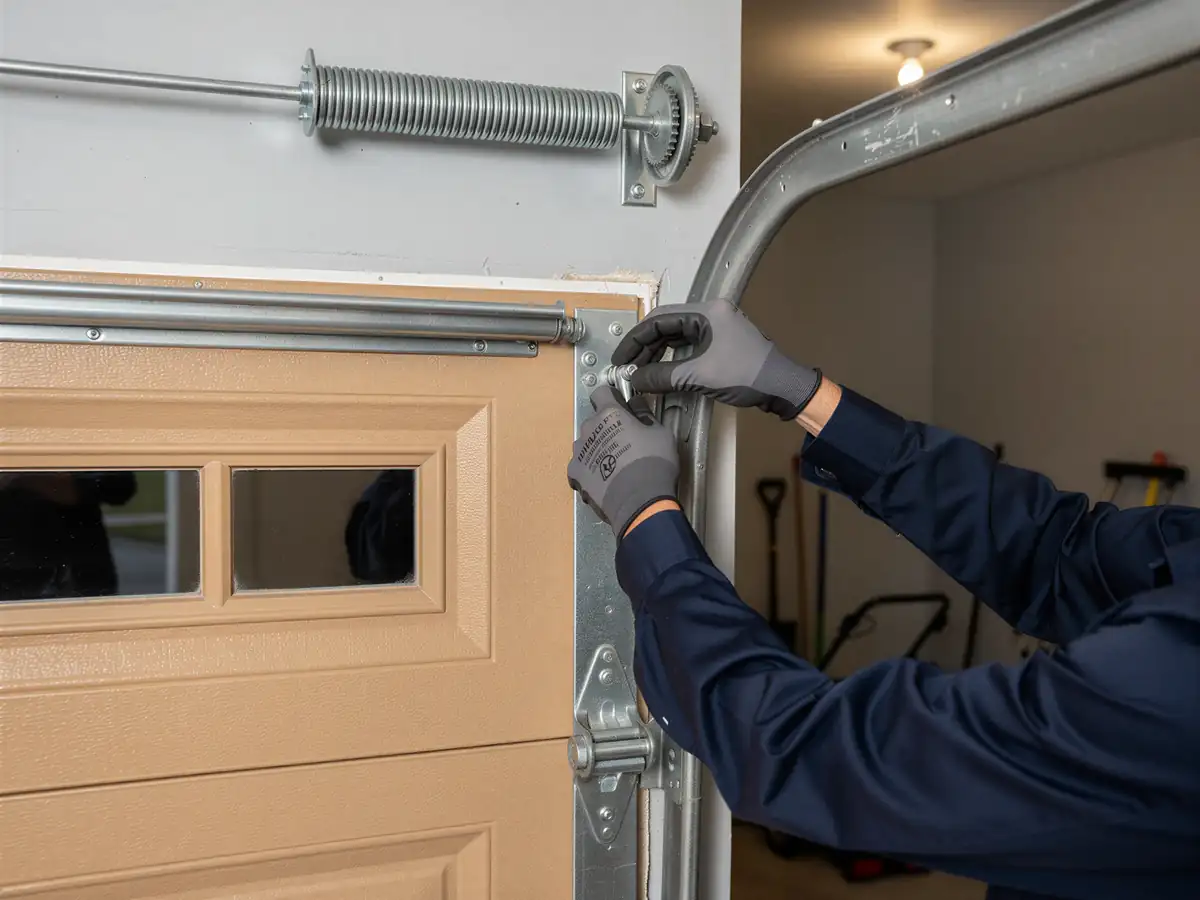
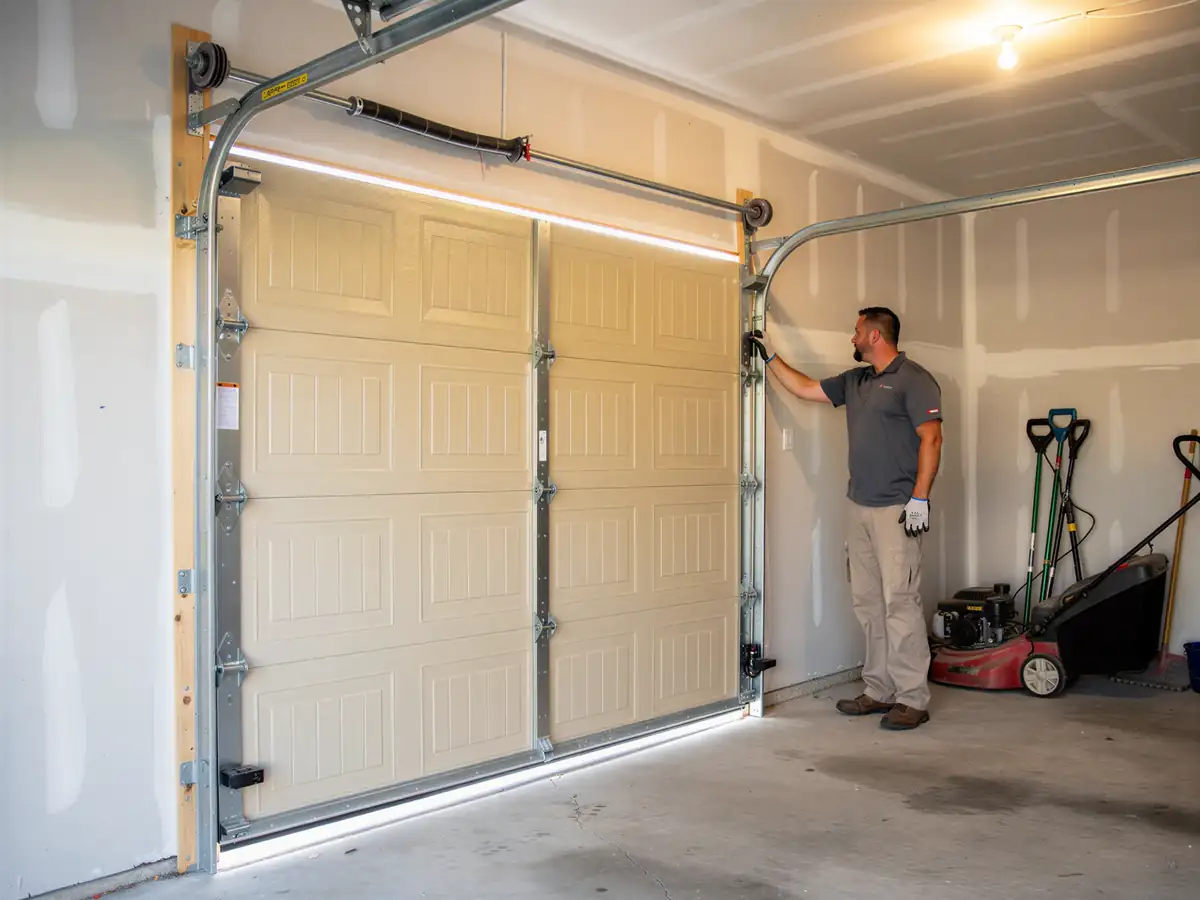
A single 9-foot steel door from 1964 on a narrow masonry jamb is a different install than the double-wide most newer houses in the area call for. The track and hinges on these older doors were sized for a lighter panel, so when a homeowner swaps in a heavier insulated door without upgrading the torsion spring and track hardware to match, the new door binds, sags at the corners, or won't seat square against the jamb. We also see jambs that have settled or shifted slightly over sixty years, which means the new door frame has to be shimmed and squared on site rather than bolted straight in.
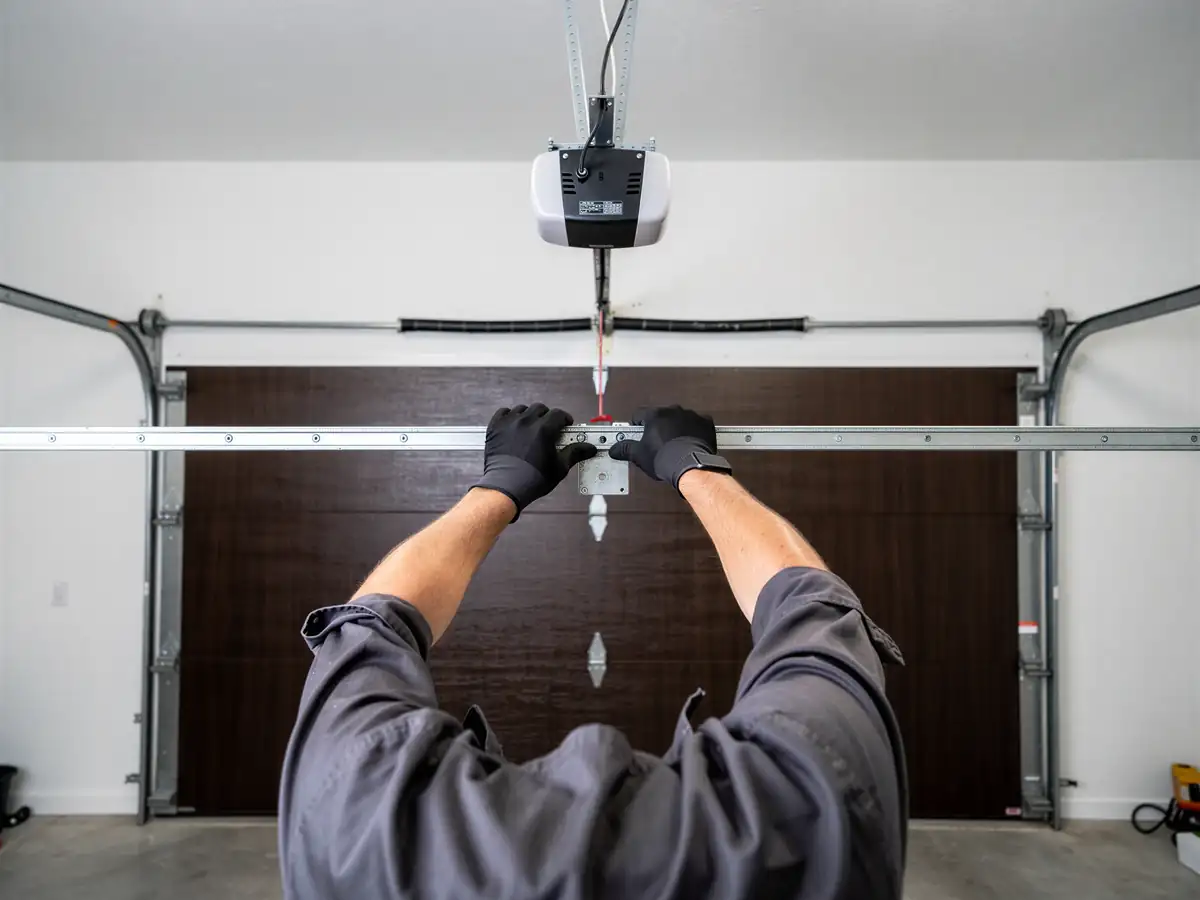
Opener compatibility is the other common miss. A heavier insulated door needs more lift than the original light steel panel did, and an opener sized for the old door will strain, run hot, or just stop lifting partway. Any new install here should spec the door and the opener together, not treat the opener as something to reuse by default.
How Long You Are Without the Door
We're driving from Norcross, 13 miles out to Druid Hills
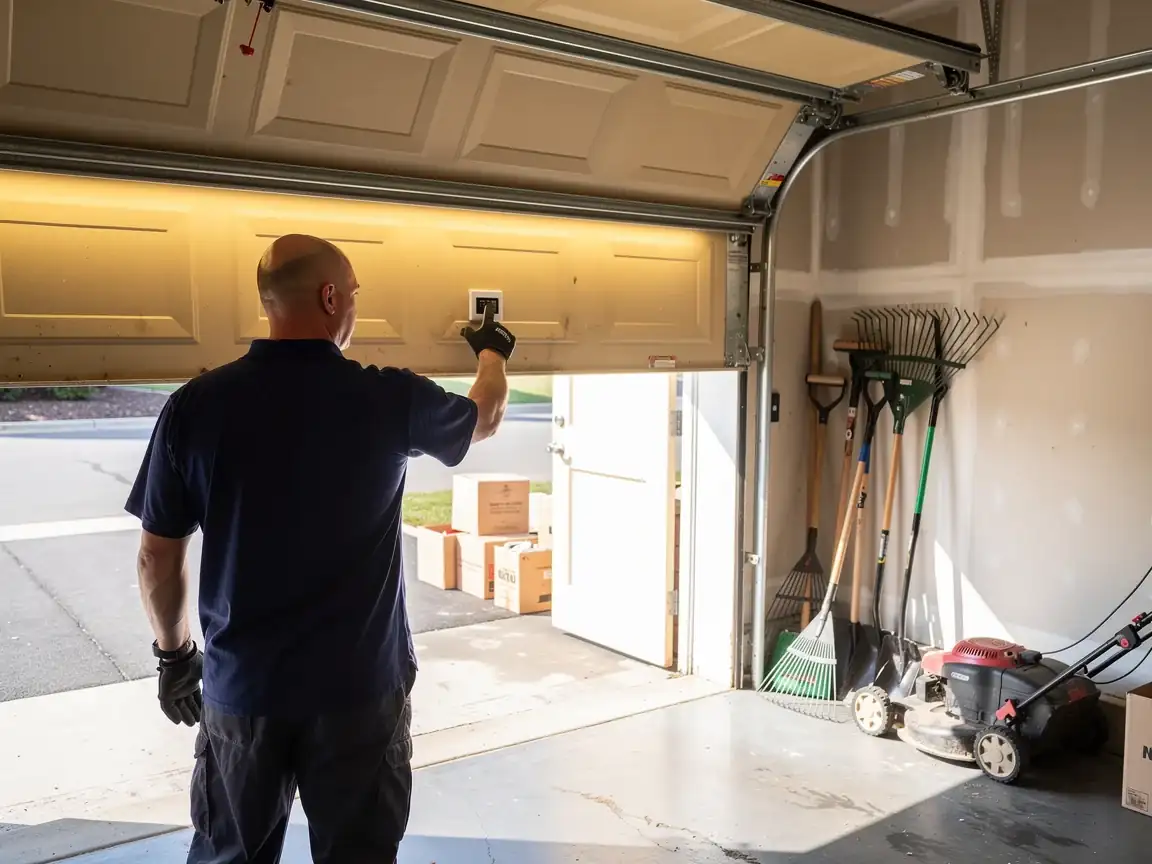
Longer than the run to closer spots like Berkeley Lake or Doraville, which does factor into scheduling but not into how long the actual install takes once we're on site. A standard single-door swap on an existing jamb runs a few hours. Where the jamb needs squaring or reframing because of decades of settling, or where we're matching a custom width because the original opening doesn't match a stock size, that adds time and sometimes a second visit if a part has to be ordered.
- 13 miles
We won't pretend every Druid Hills job is a same-day turnaround
Custom-width panels for a non-standard 1964 opening aren't something we keep on the truck, and if the jamb needs carpentry work before the door goes in, that's not a job we rush through to hit a number.
What It Costs
We don't have a Druid Hills-specific price list to publish here, and quoting a number without seeing the opening, the jamb condition, and whether the opener needs replacing too would be a guess dressed up as a fact. What we can say: a straight swap on a standard-size single door costs less than a custom-width double, and a job that needs jamb squaring or reframing costs more than either, because that's carpentry time on top of the door itself.
With 3,579 households in Druid Hills, this is a smaller pool of homes than the larger named areas nearby, which means fewer of us have seen the exact opening size you've got - all the more reason to get it measured on site rather than quoted over the phone.
The Symptom
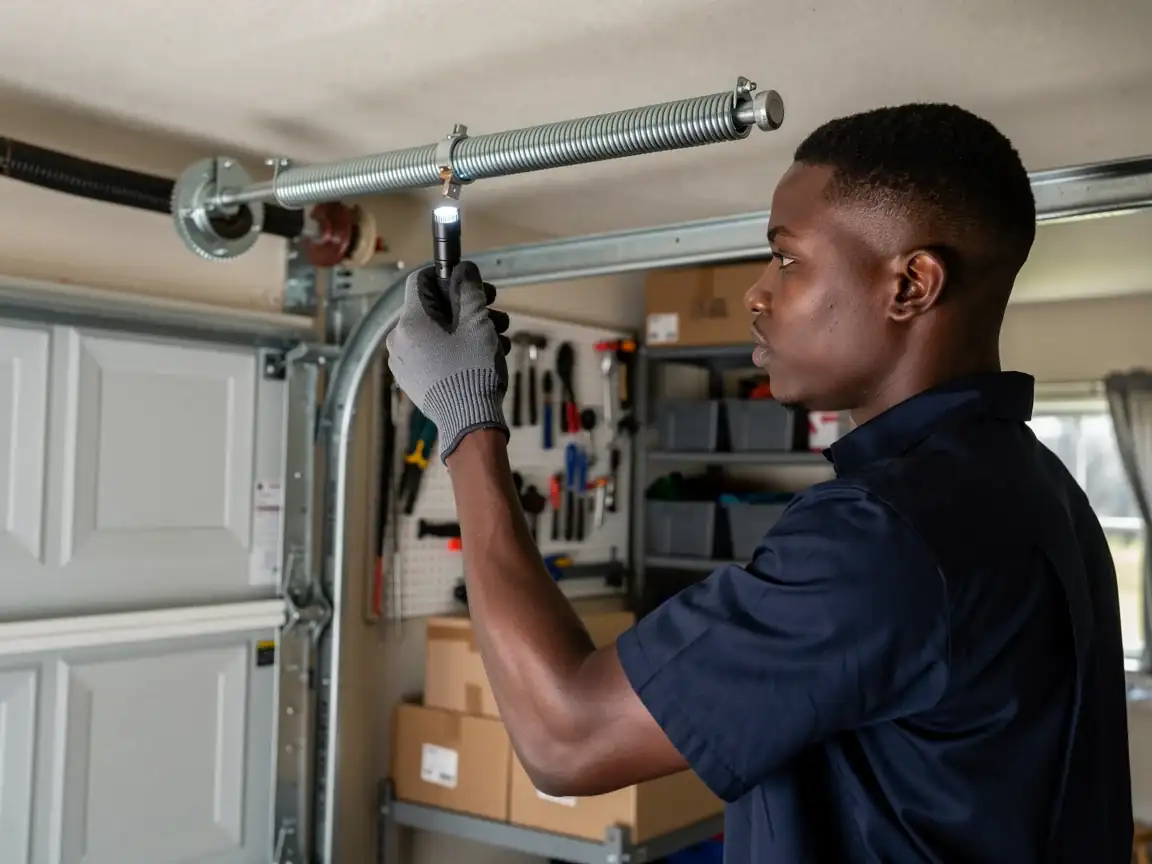
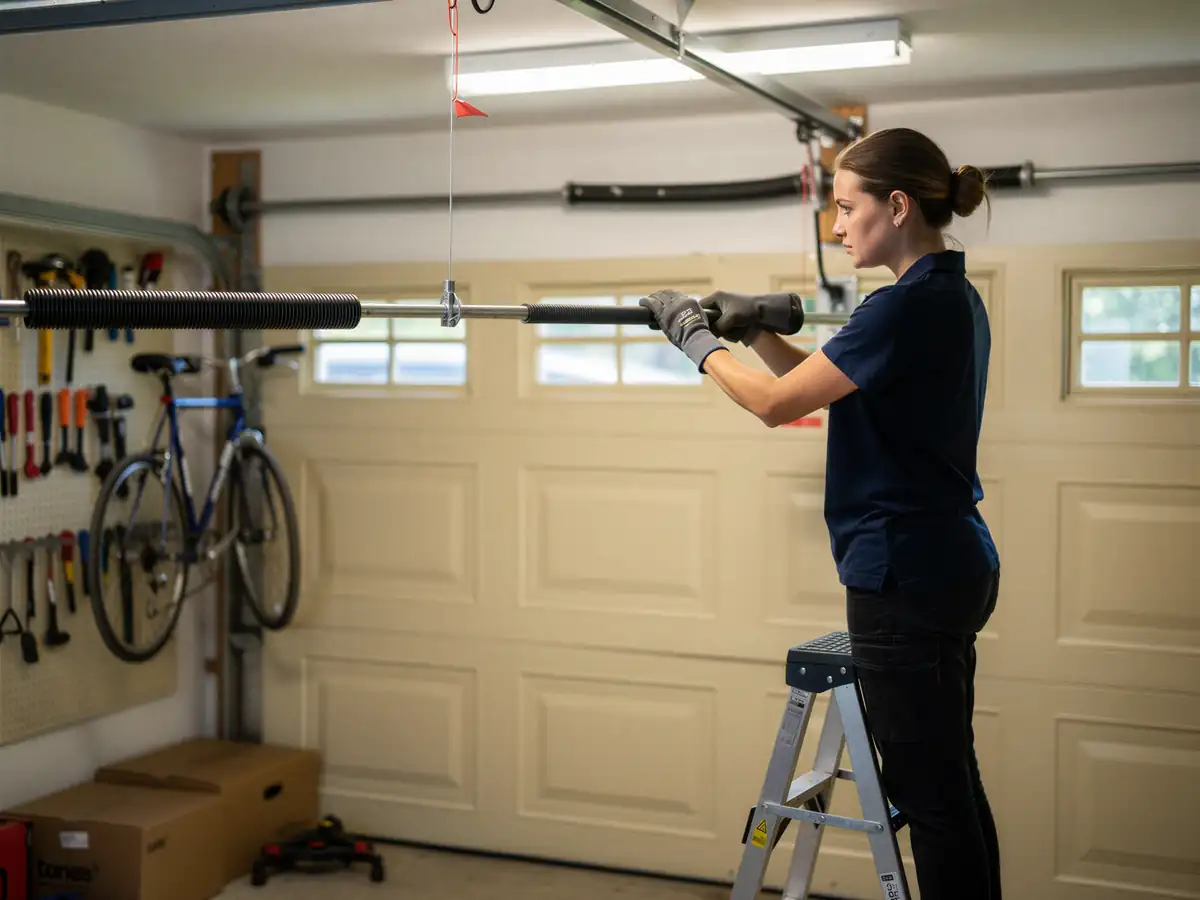
The giveaway on a 1964-era door usually isn't a dramatic failure - it's the door getting heavier to lift by hand, a grinding sound low on the track where the original hardware has worn past spec, or a door that won't sit flush against a jamb that's shifted slightly over the decades. None of that means the opener is the problem. On houses this age, the door panel itself, the track, and the spring are often original or close to it, and when one goes the other two aren't far behind.
If the door still looks fine but takes real effort to lift with the opener disconnected, that's worn spring tension, not an opener fault - and it's usually the point where replacing the whole door, rather than patching hardware from 1964, is the more honest answer.