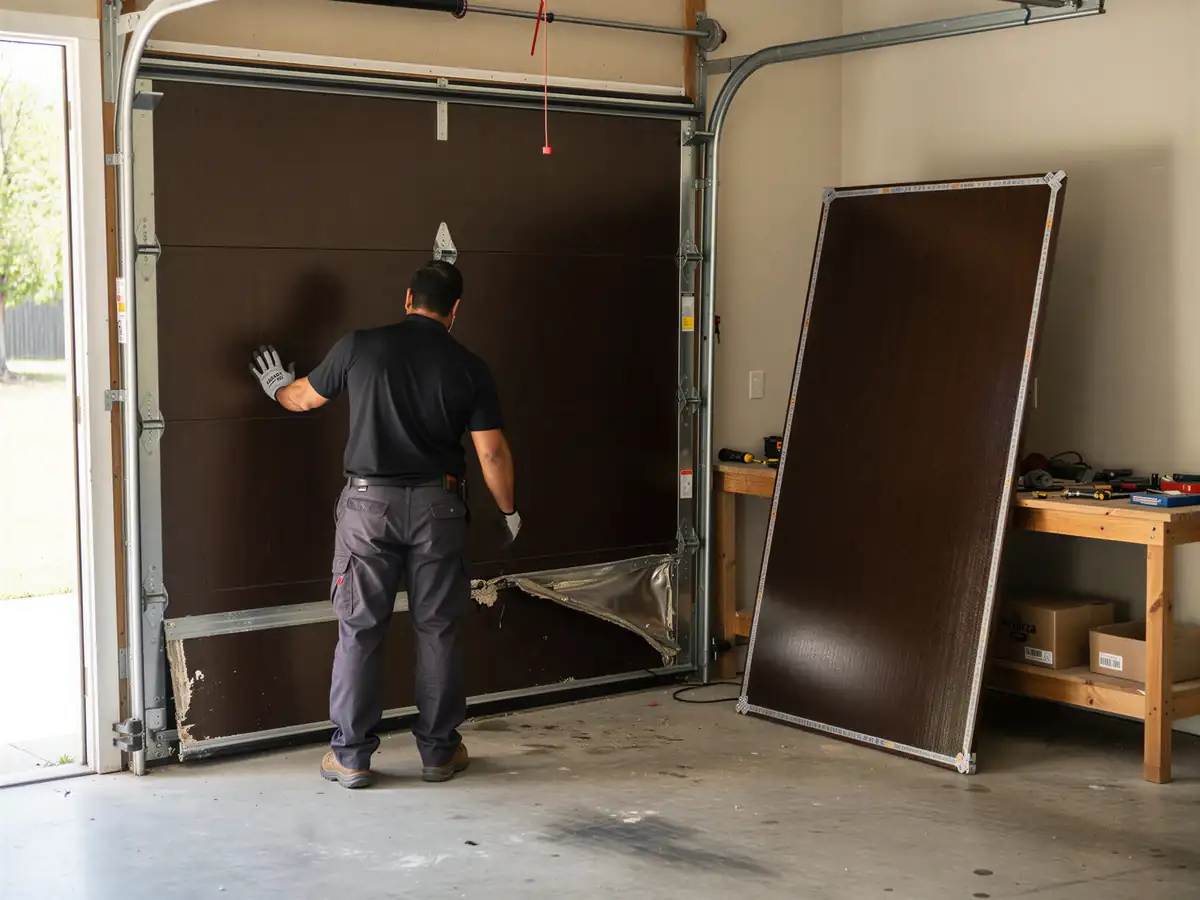
Why It Happens Here
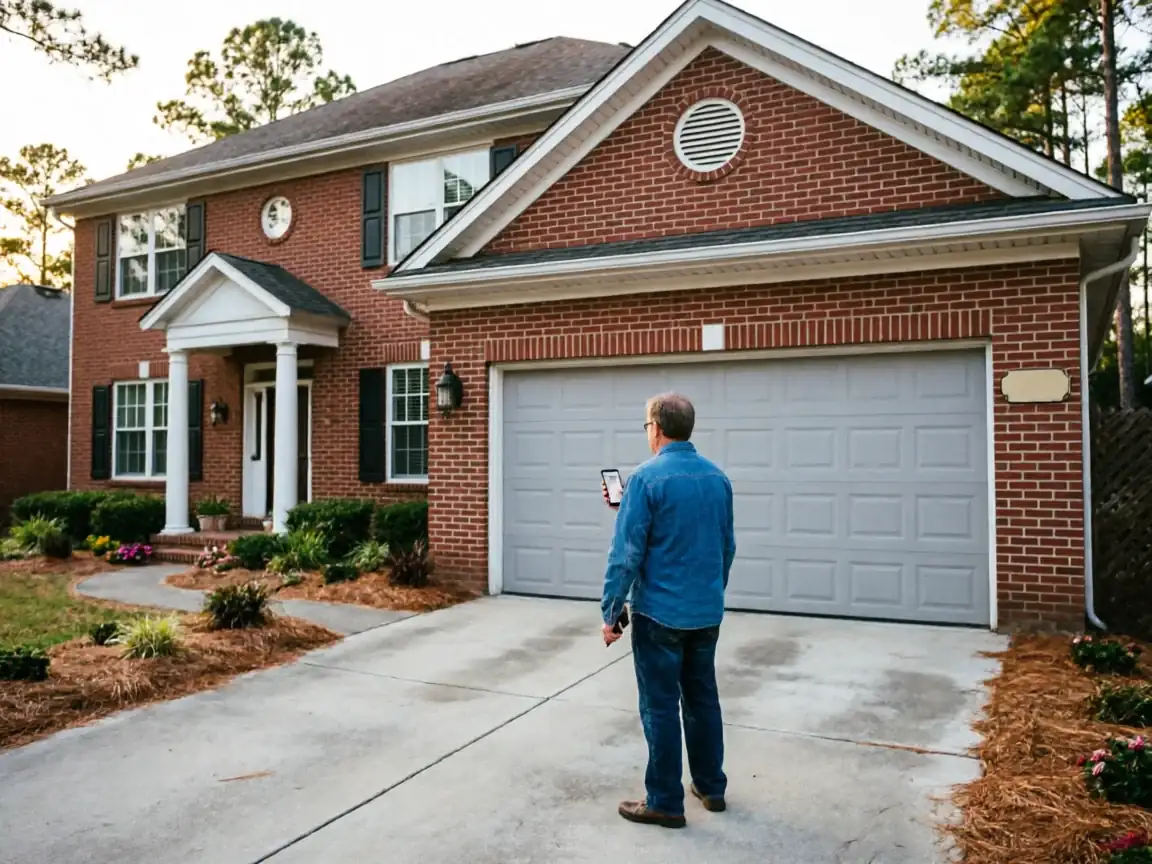
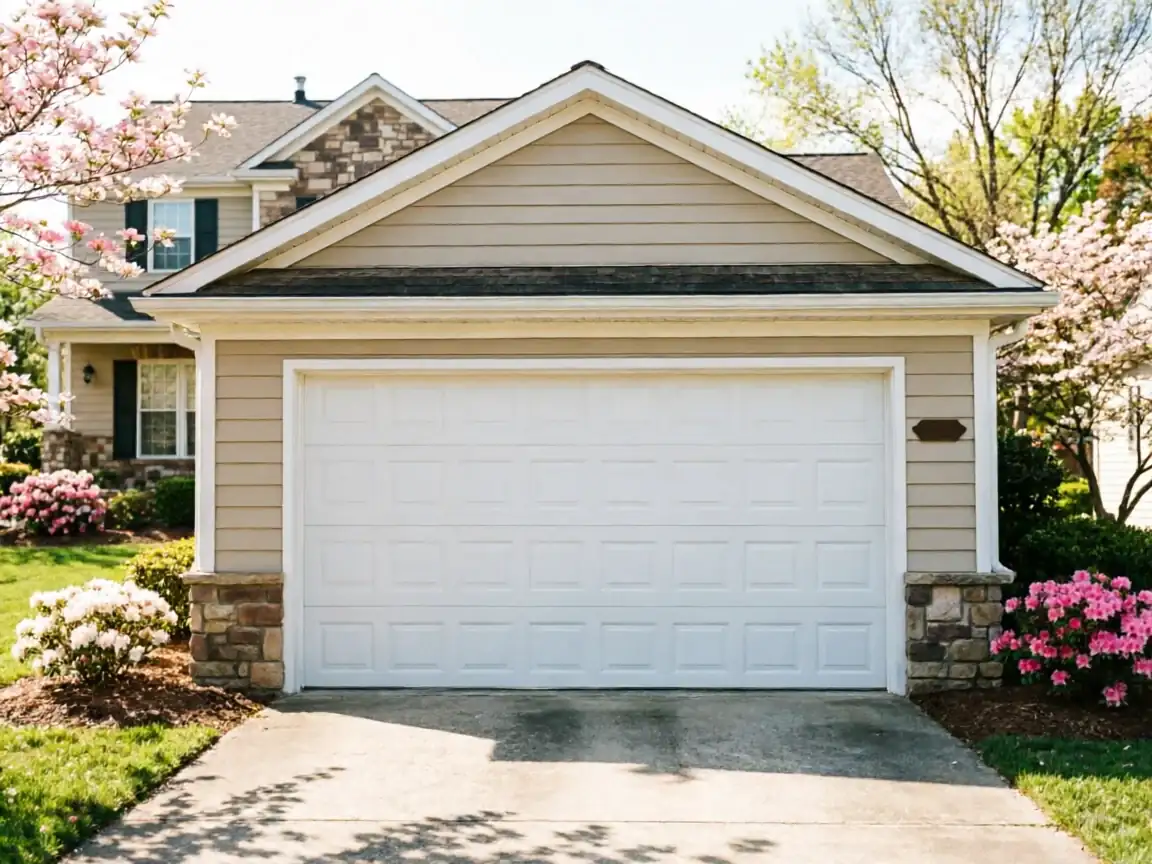
Druid Hills carries a median household income of $140,466, well above what you'll find closer in toward Norcross, and that changes the math on a dented or cracked panel before you even call anyone. At this income level, most owners aren't chasing the cheapest fix - they're asking whether a replacement panel will actually match the door, and whether it's worth doing right the first time. Houses here cluster around a median build year of 1964, which means a lot of doors are steel sectional units from a few manufacturing eras back. Panels from that stock aren't always a stock item anymore. A bent panel on a 1964-era door is as likely to come from age and fatigue in the steel as from a direct hit - the metal gets brittle, the seams loosen, and a car bumper tap that would leave a scuff on a newer door folds the whole section. With only about 3,579 households in Druid Hills, this isn't a volume market for any one supplier, so sourcing a panel that matches an older door sometimes takes more legwork than the repair itself.
What Can Go Wrong
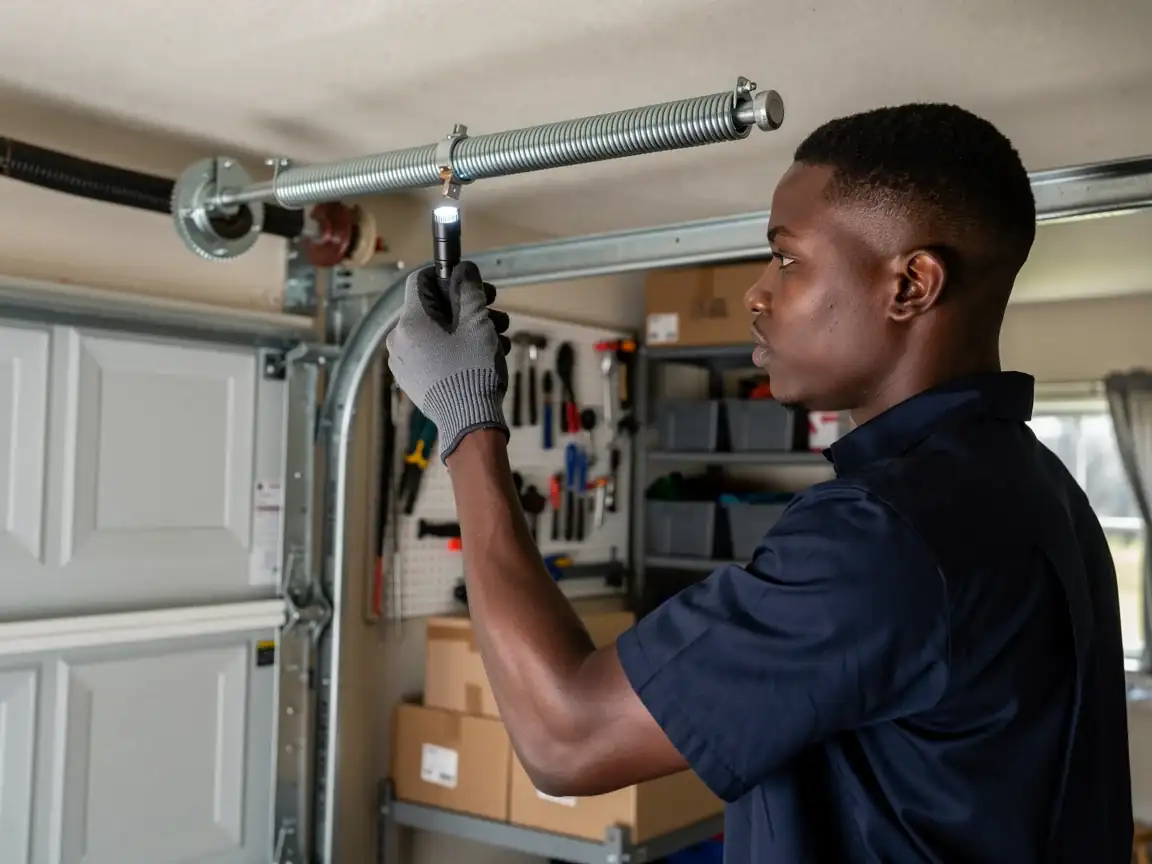
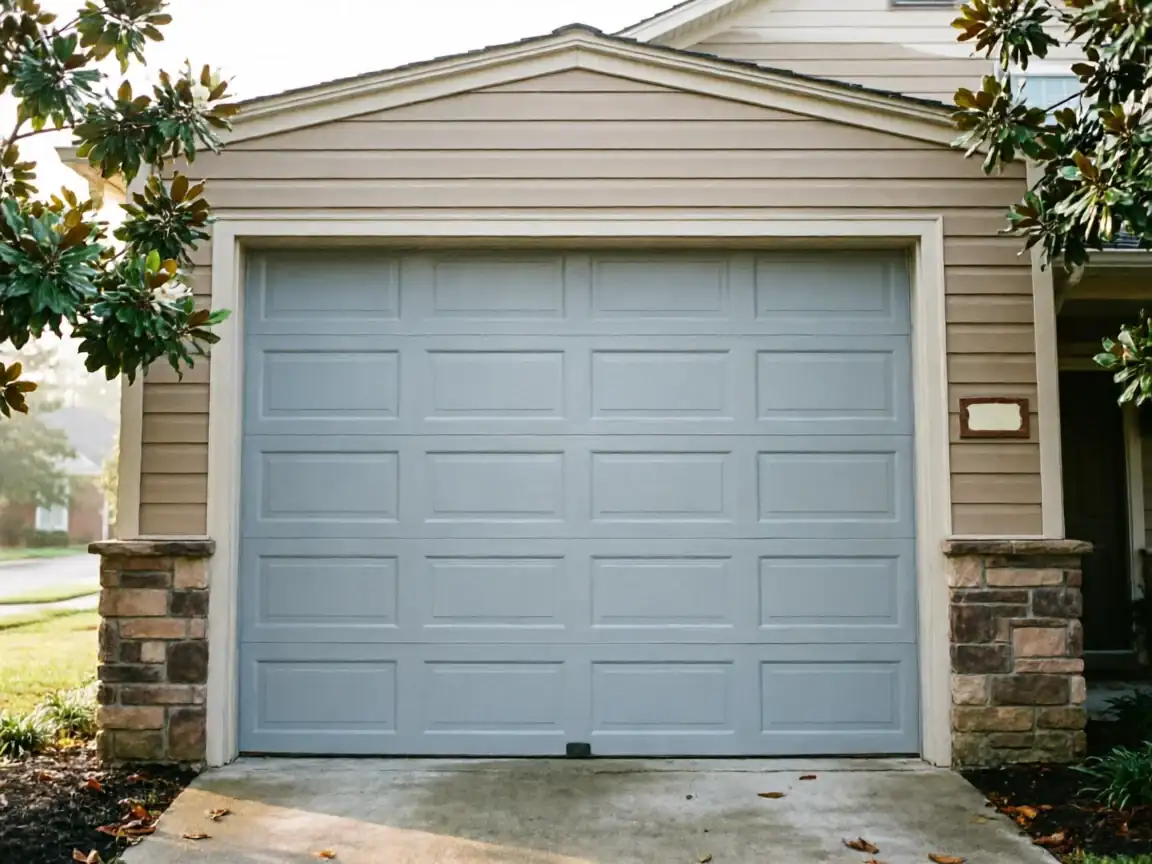
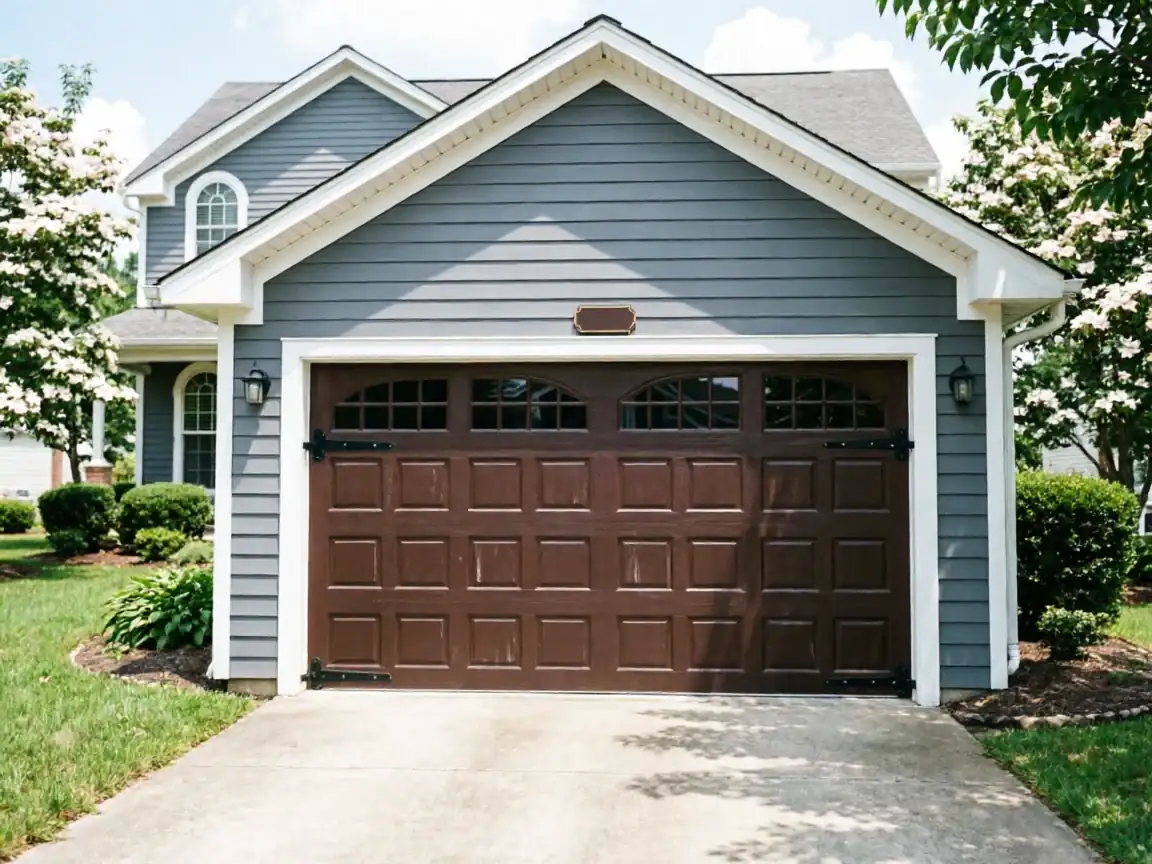
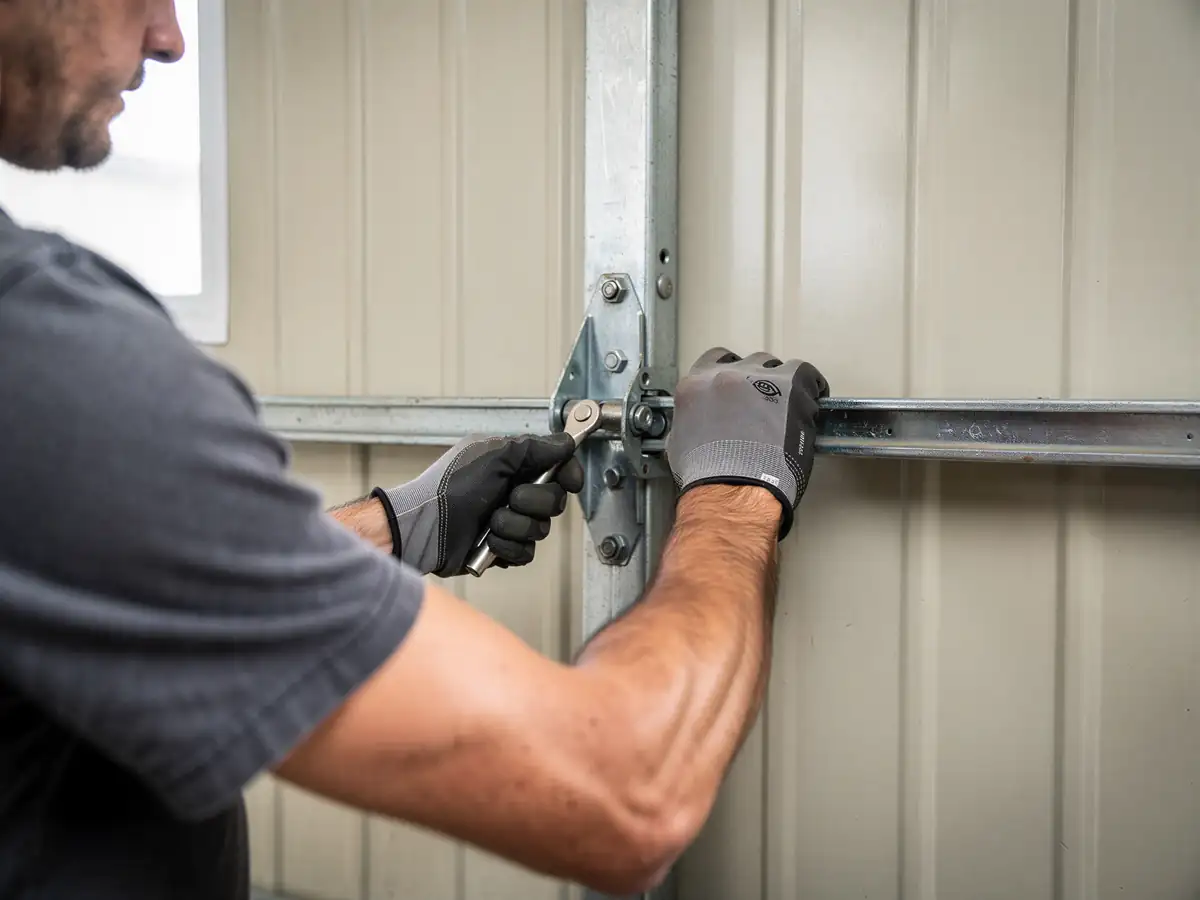
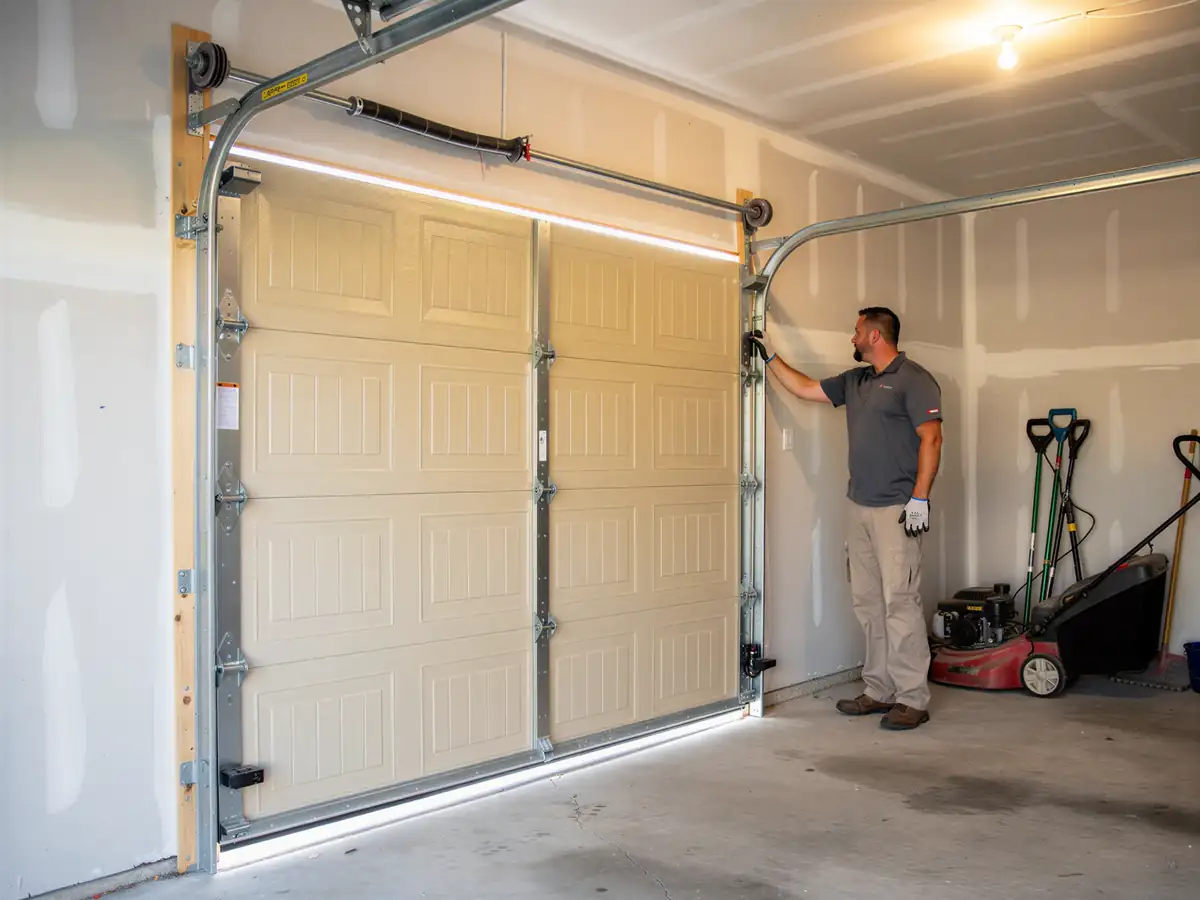
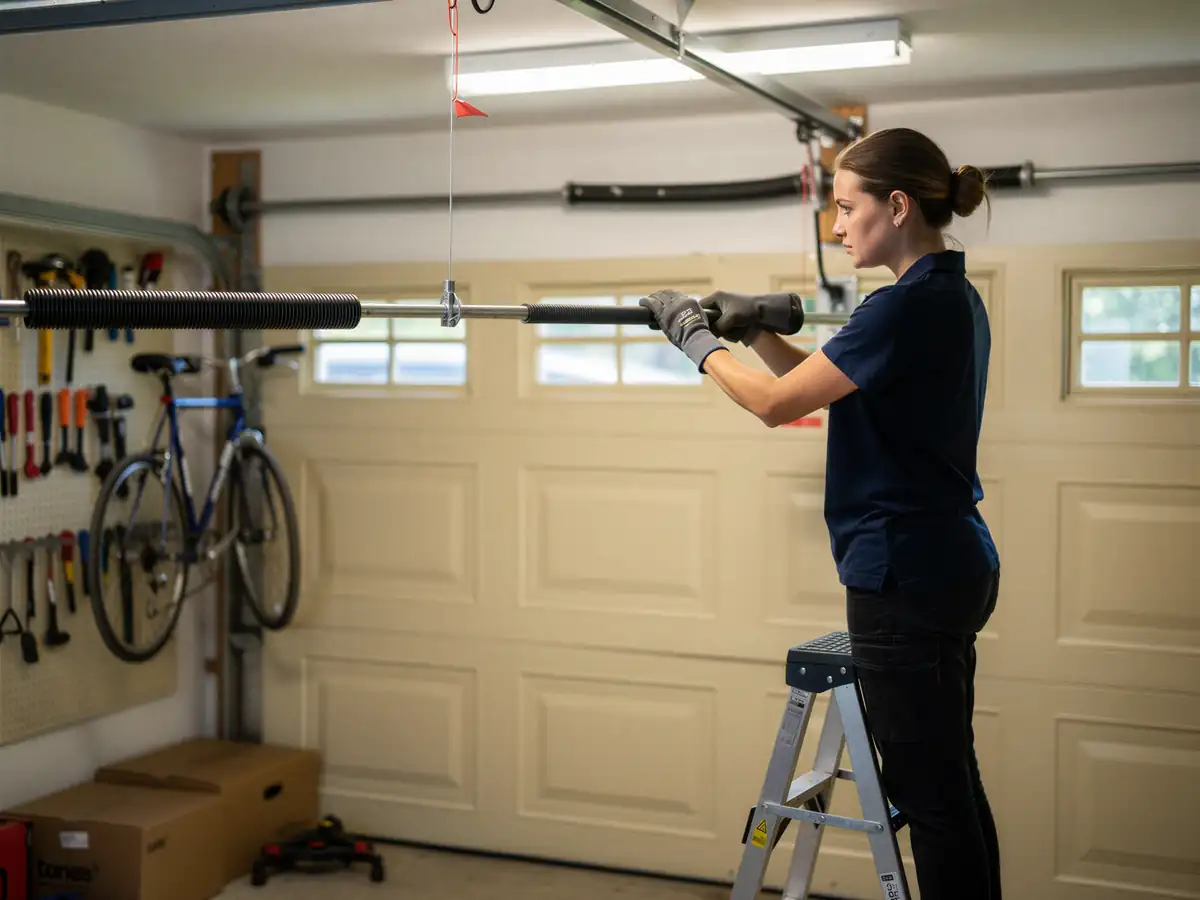
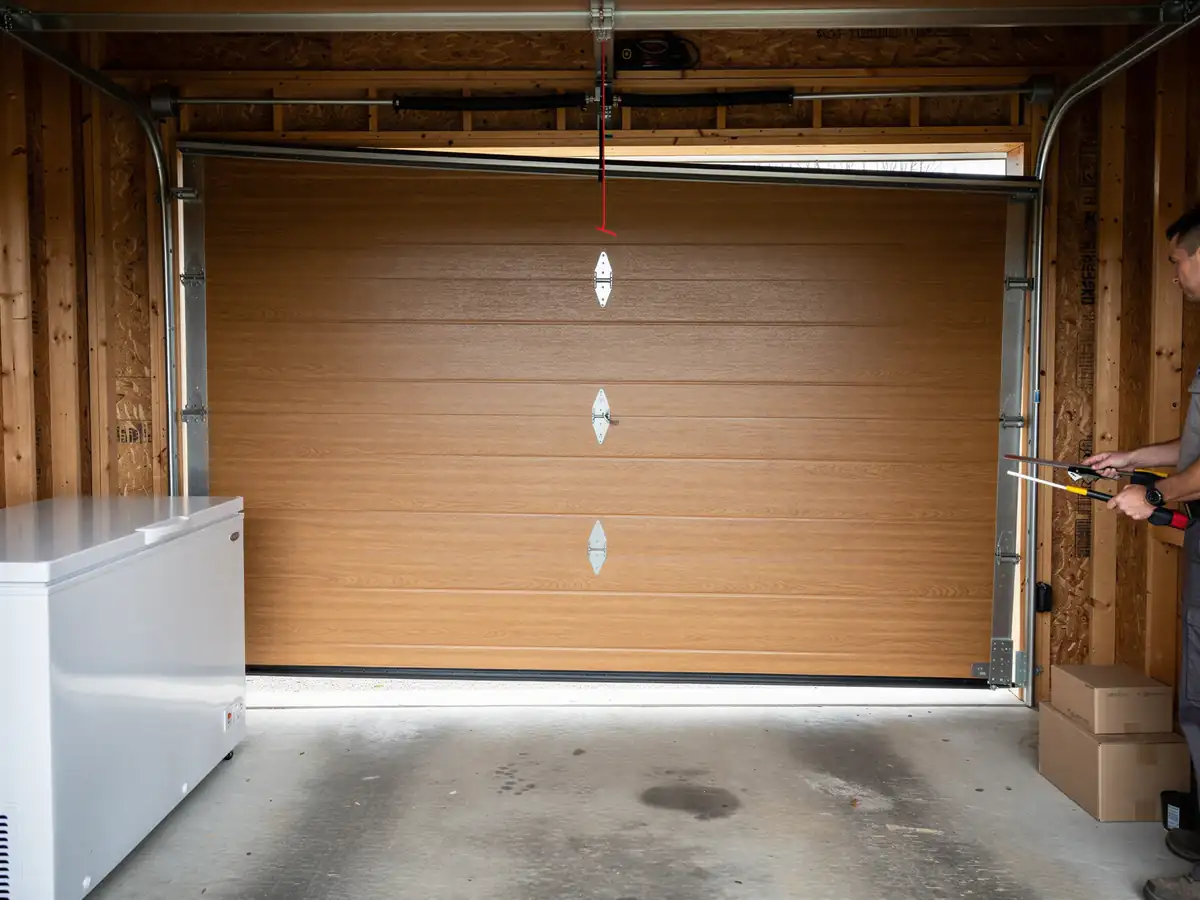
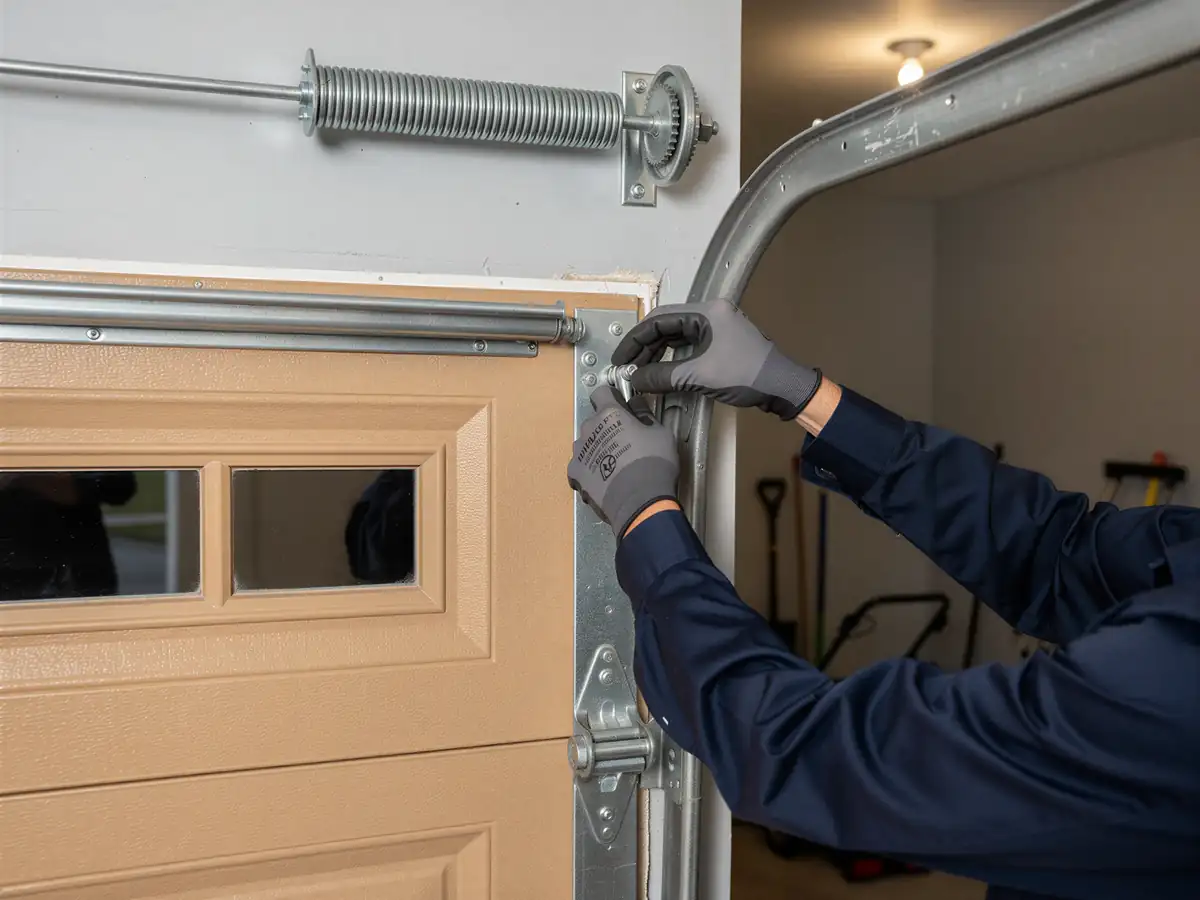
A cracked or caved panel rarely stays a one-panel problem on an older door. Once a section is bent, the track alignment shifts, and the rollers on either side of that panel start riding wrong - which wears the track faster than normal use would. On a 1964-vintage door, we also find the panel's hinge holes have stretched over the decades, so a replacement panel that's technically the right size won't always hang flush against hardware that's been in place that long. The honest limitation here: if the door is old enough that the exact panel profile is discontinued, we're not going to pretend a close match is an exact one. Sometimes a single panel swap leaves a visible seam or a slight color mismatch against sun-faded neighboring panels, and that's worth knowing before you commit rather than after.
What It Costs
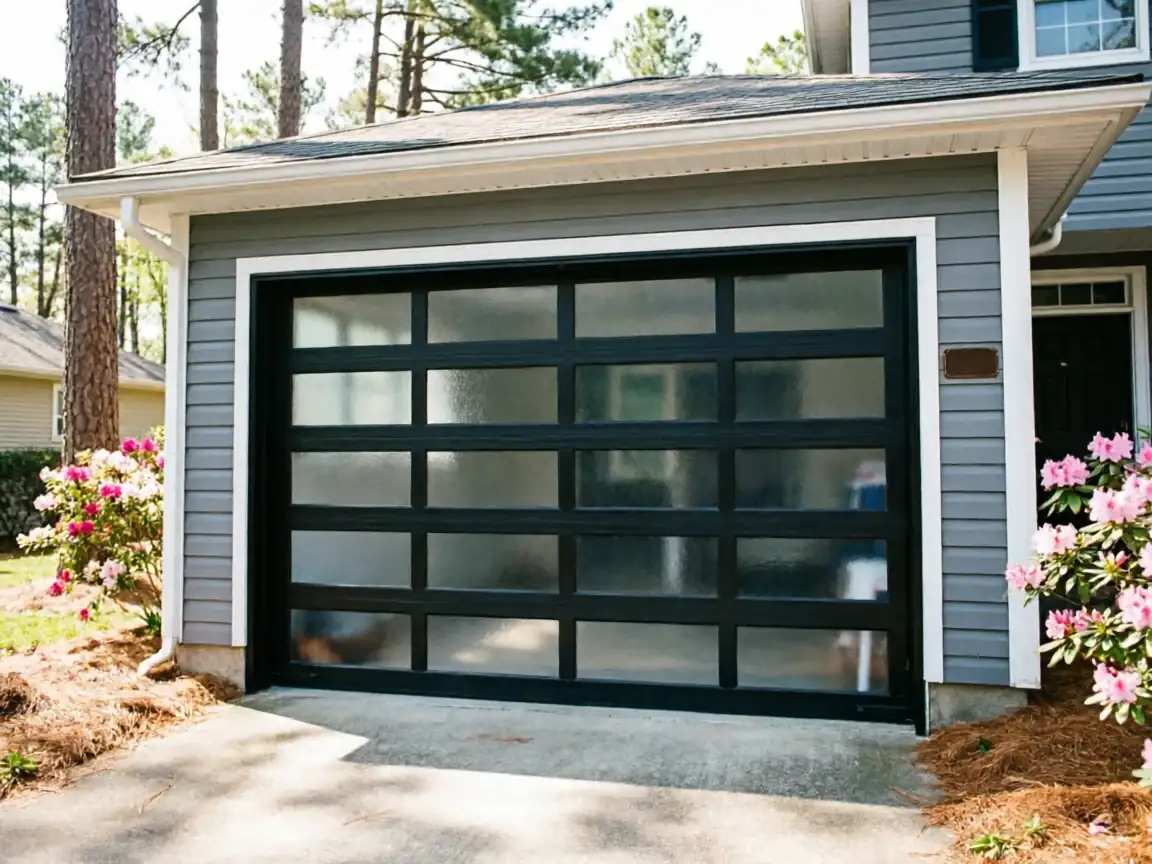
We don't have a flat number to quote here, because panel pricing swings hard on two things: whether the panel is a current stock item or a discontinued match, and whether the insulation type inside the section (common on doors built for this area's cold winters) adds to the part cost. What we can tell you is how the decision usually breaks at Druid Hills income levels - homeowners here more often choose a full matching panel over a mismatched patch, since the cost difference is smaller relative to income than it is in lower-income parts of the service area. If more than two panels on the same door are damaged or the frame is racked, replacing the whole door usually beats paying for individual panels piecemeal.
The Symptom
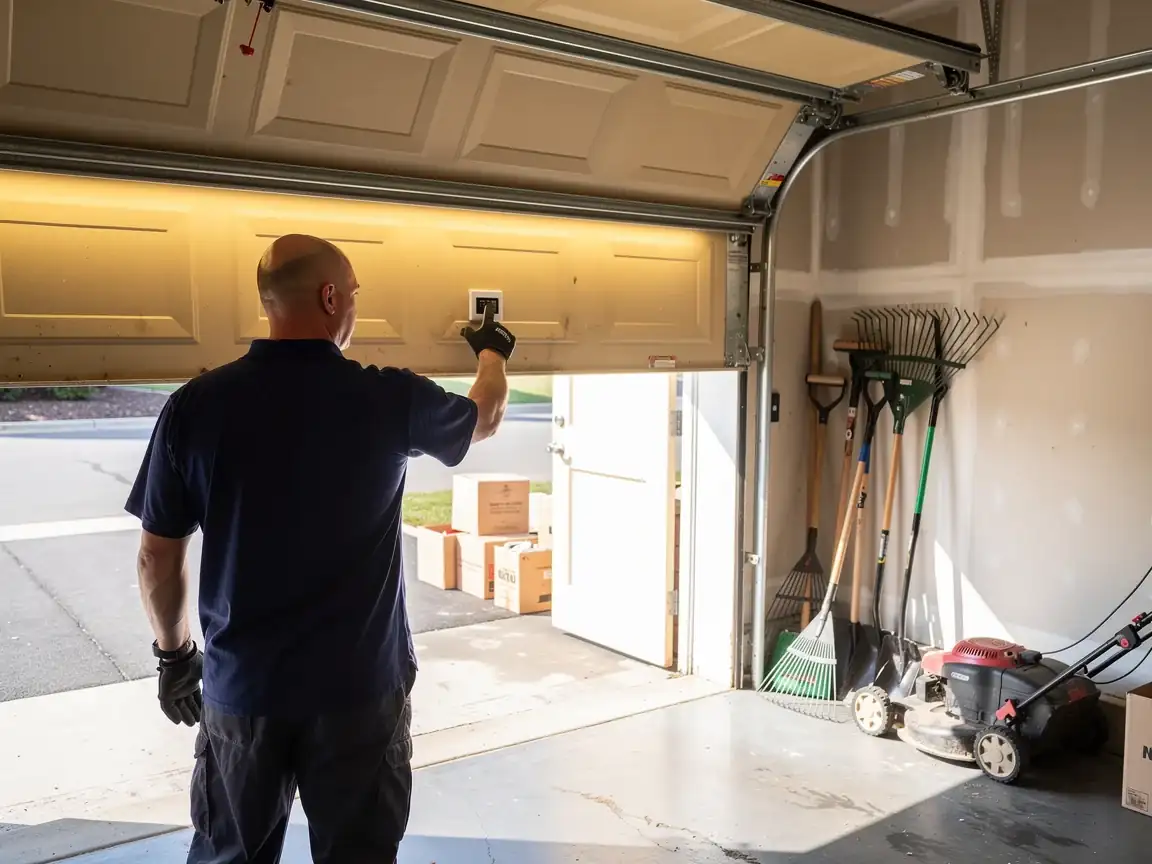
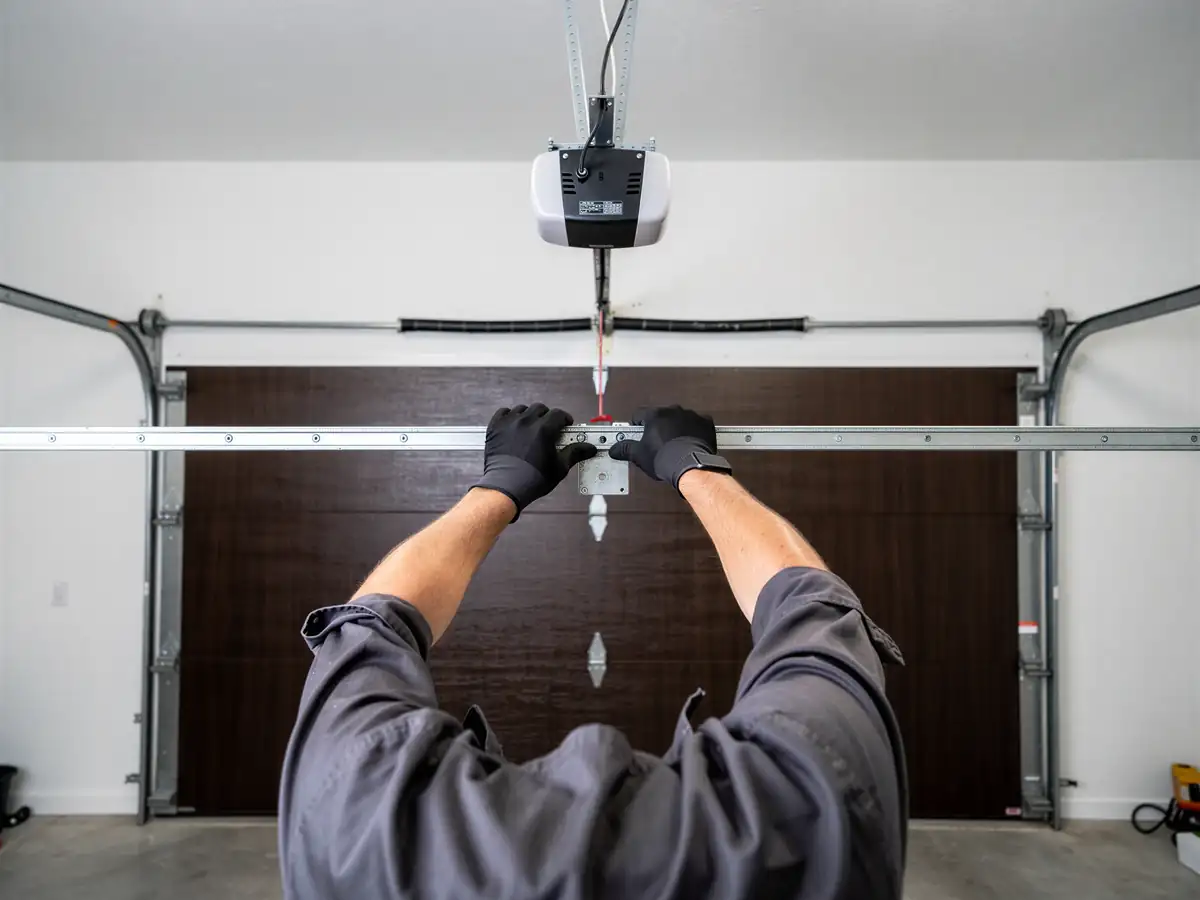
The giveaway on a damaged panel isn't always visible from the driveway. Listen for a new rattle or a scrape when the door cycles - that's usually the bent section dragging against the track, not just cosmetic damage. If the door sticks or binds a few inches into its travel, that's hardware stress from the panel, not the opener failing. On a door built to the 1960s-70s standard still common across this part of the area, the steel also tends to show stress cracks along the panel seam before it visibly caves, so a fine crack line is worth catching before it becomes a full break.