The DIY Question
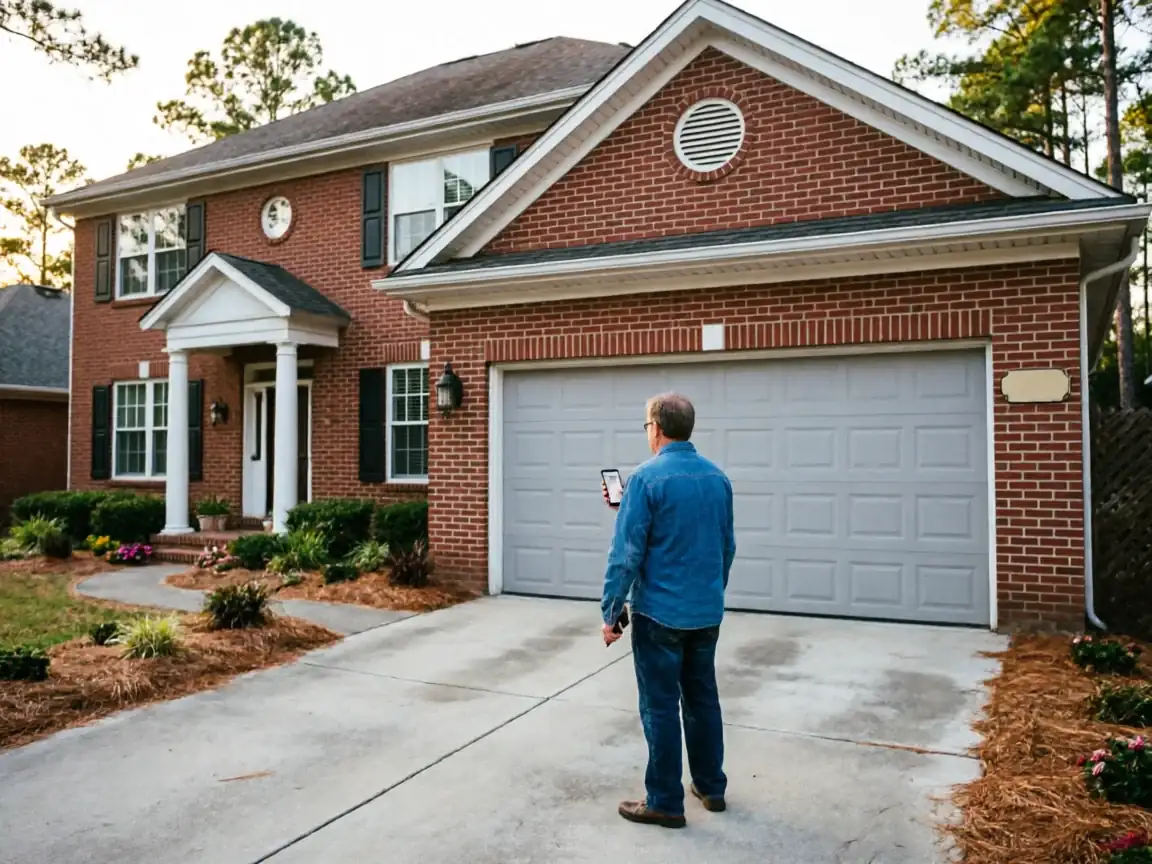
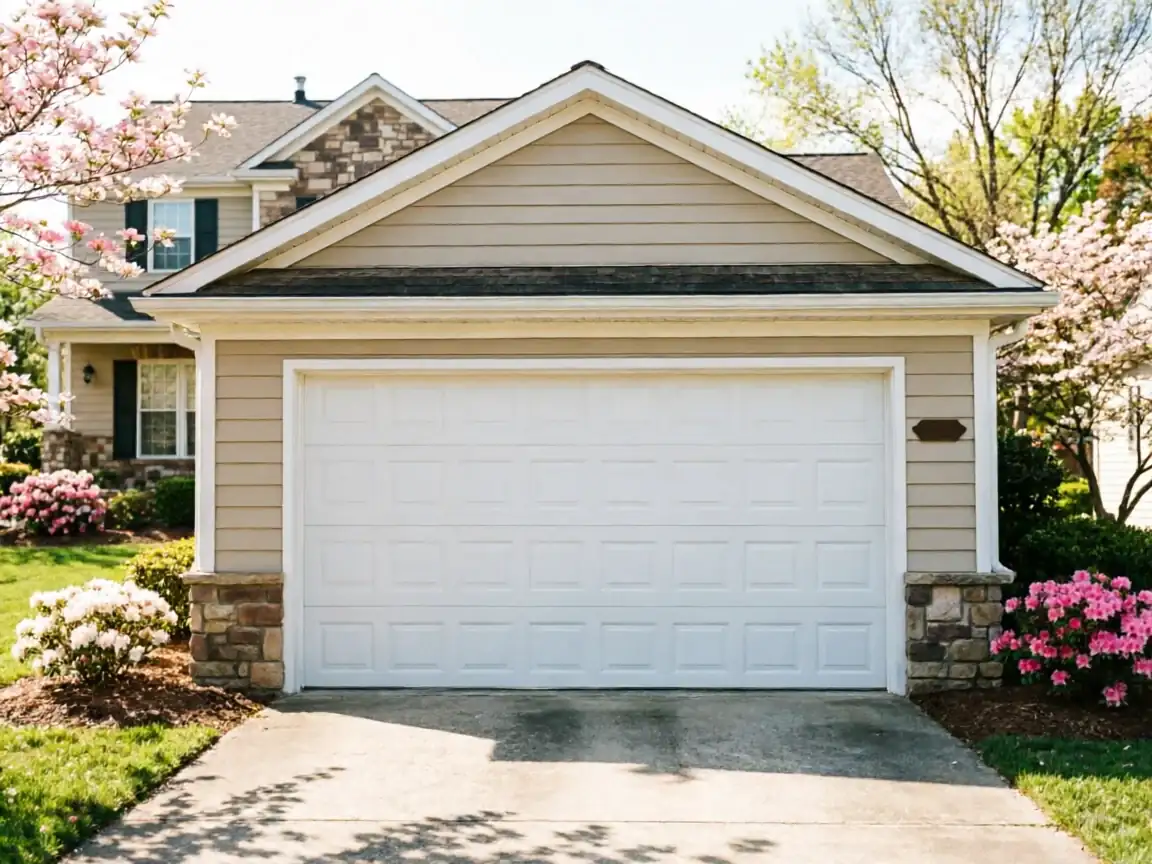
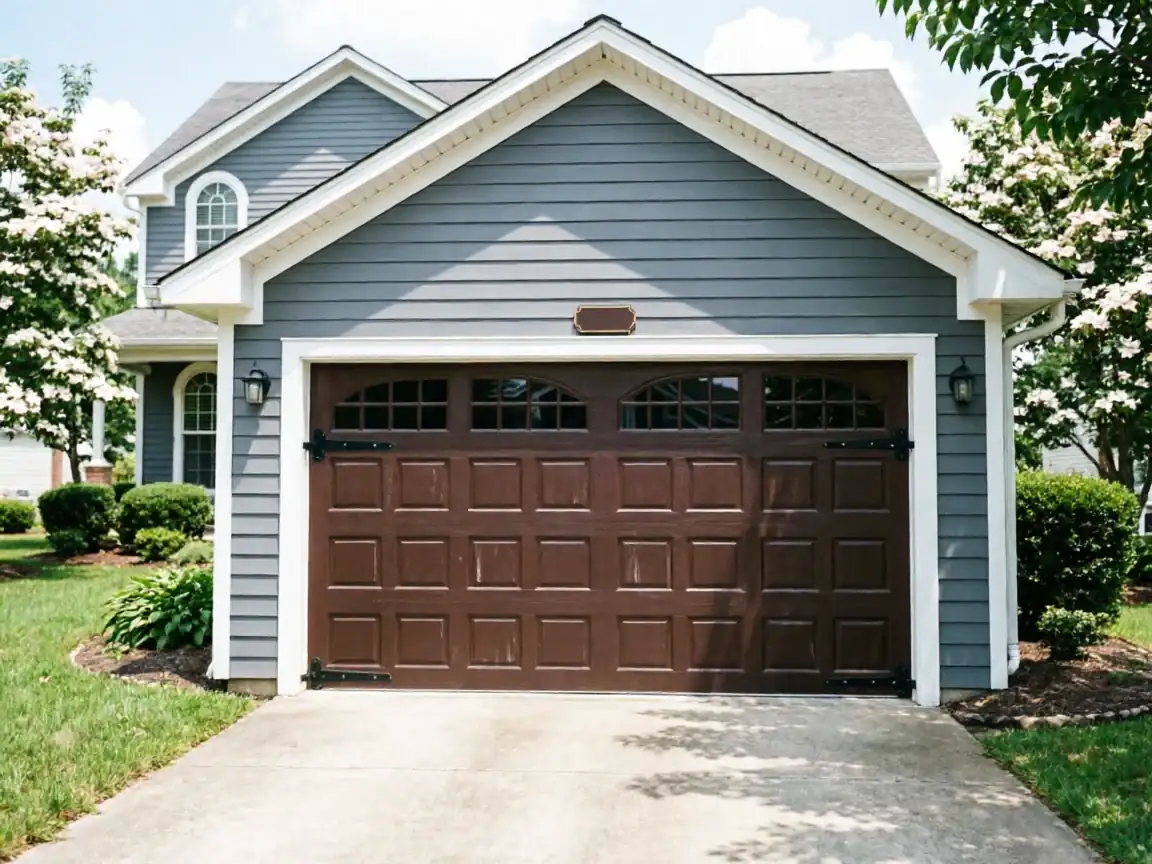
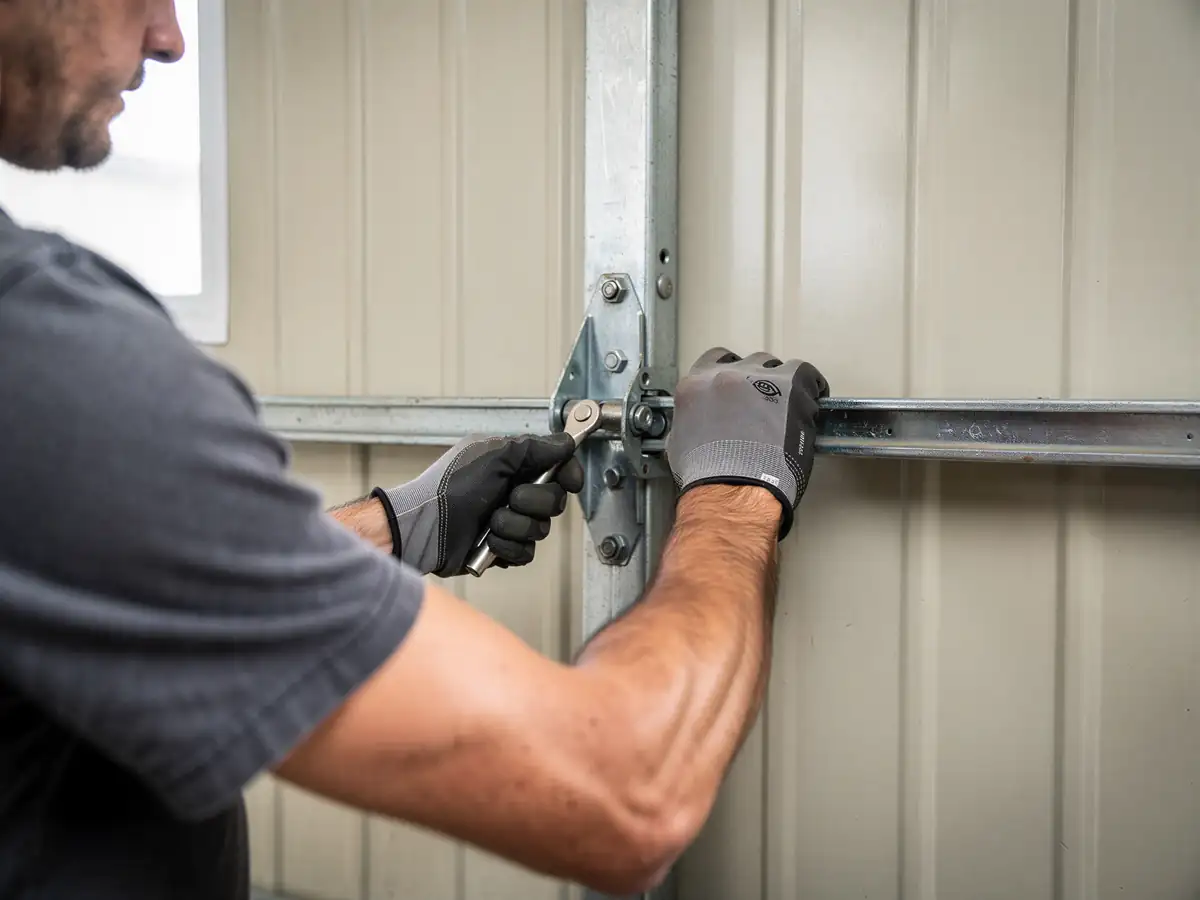
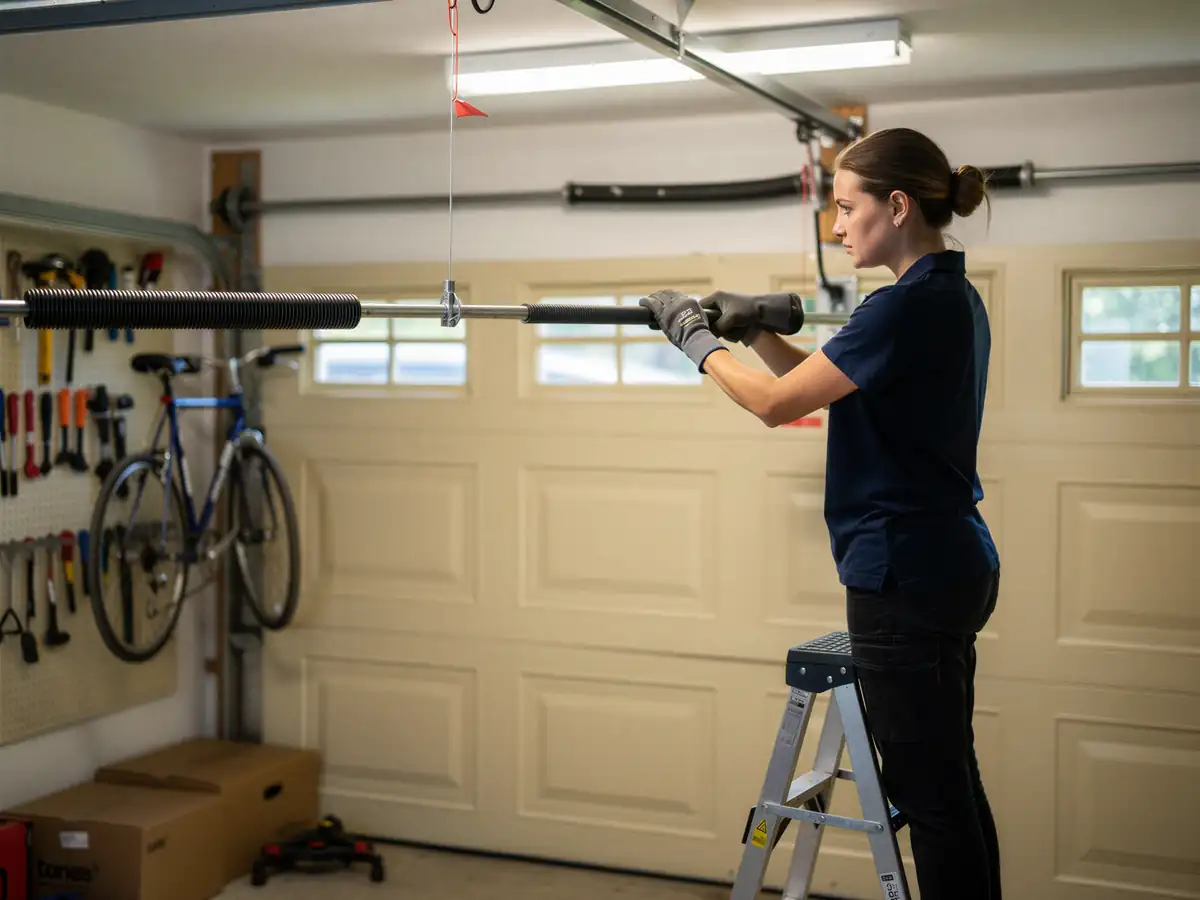
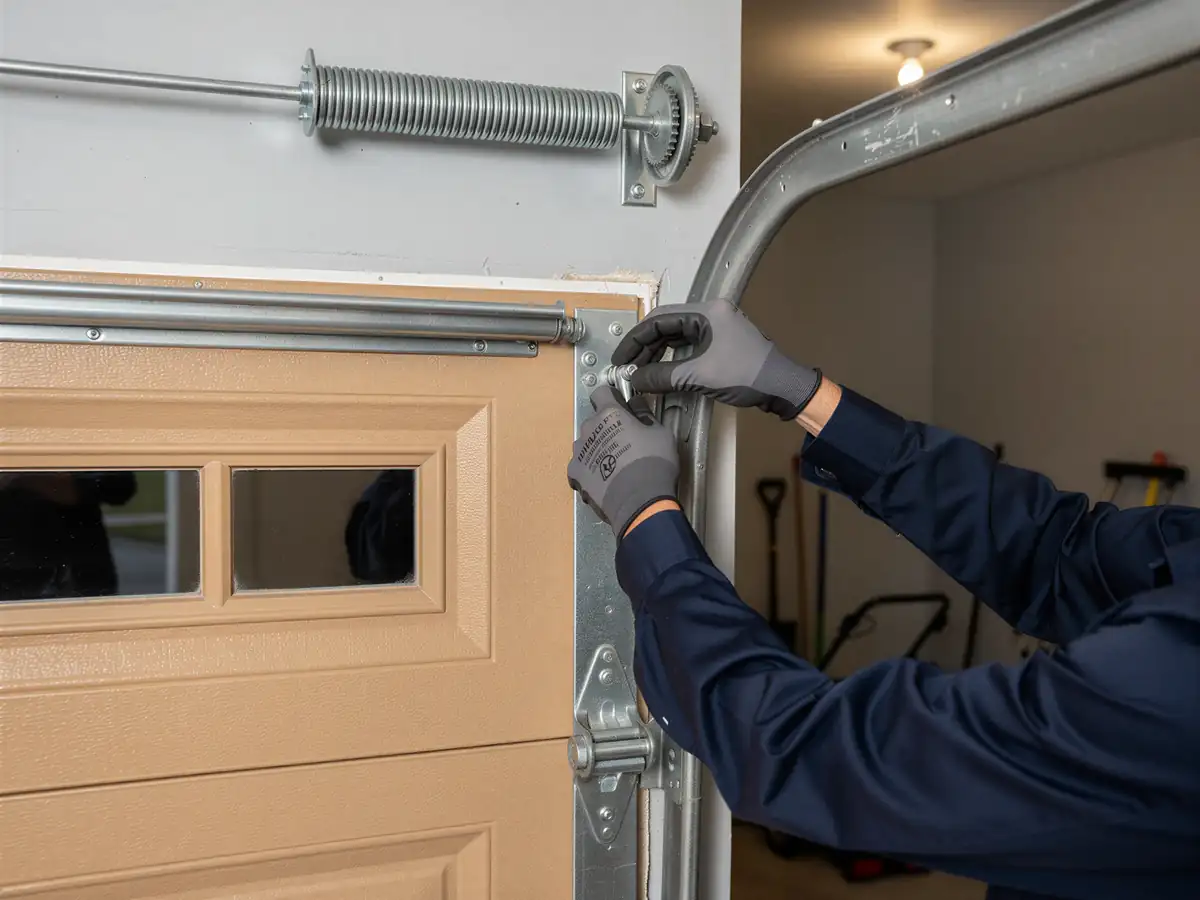
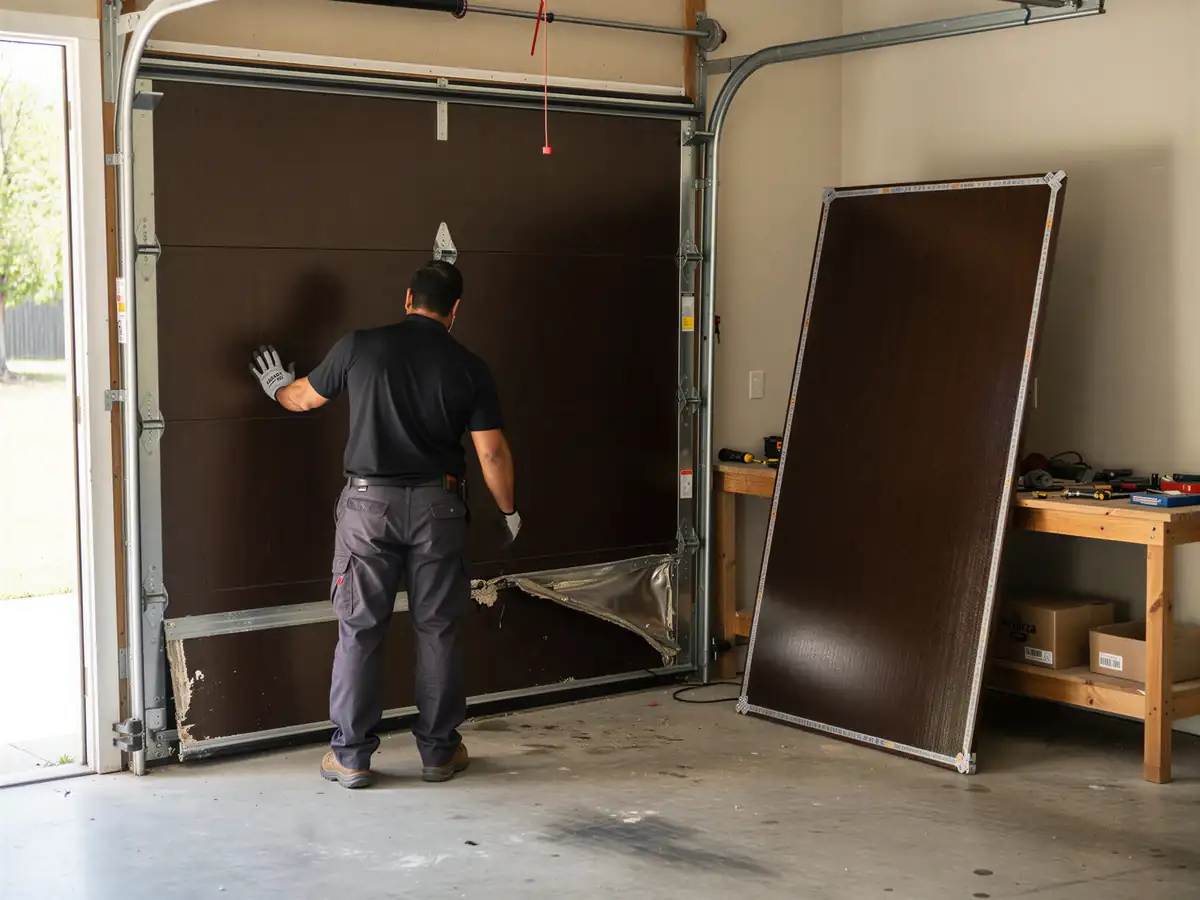
Mountain Park is a small place - about 4,667 households, not a big enough market to support its own garage door shop, which is why a crew from Norcross covers it. That size matters for panel work specifically: a town this compact tends to have a narrower band of door models sold into it over the years, so when one panel on your door gets dented or rusted through, there's a decent chance we've already matched that exact profile on a neighbor's door a few doors down. Swapping a single panel yourself is possible if the door is a common steel sectional and you can source the right panel height and color match. Where DIY gets expensive fast is on anything built before the mid-1980s, when panel widths and hinge spacing weren't yet standardized the way they are now. Order the wrong panel and you've paid for a part that doesn't bolt up. If your door is original to a house built around 1979, measure twice, and if the numbers don't match a current catalog size, that's the point to call rather than order and return.
What Can Go Wrong
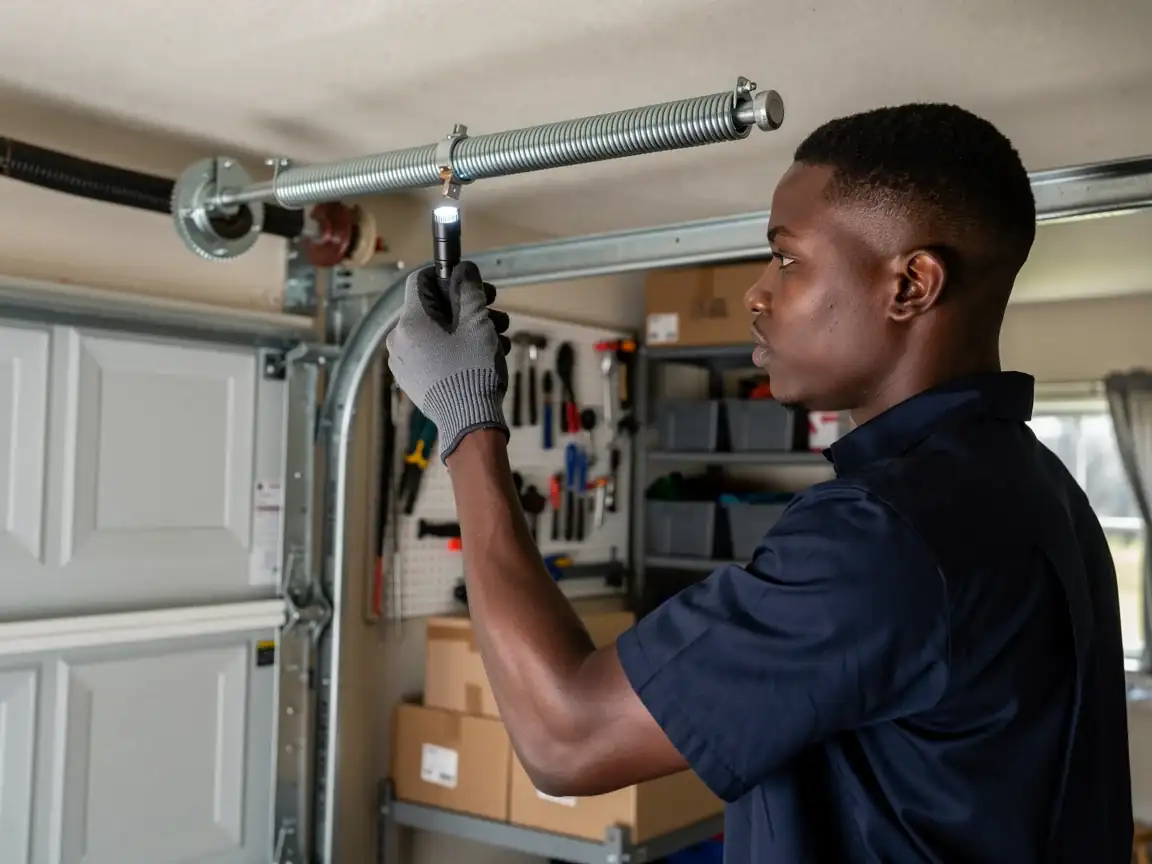
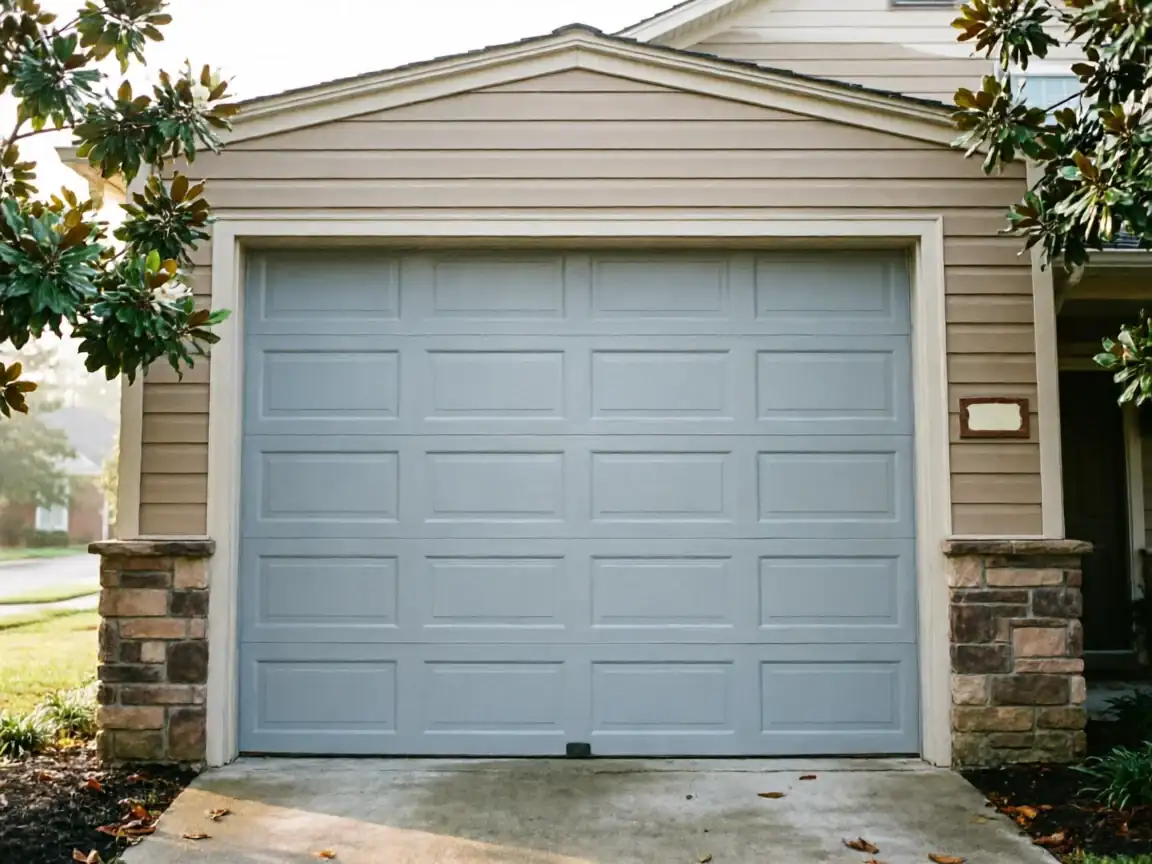
The most common failure we see on this side of the metro isn't one bent panel - it's a full section that's split along the bottom where moisture sits against the garage floor through a wet winter. Cold, moderate climate conditions mean freeze-thaw cycling is real here, if not severe, and it works steel seams and foam-core bonding loose over decades. A second pattern: panels painted over multiple times, which hides rust-through until the section flexes or cracks under the opener's pull. Less often, we find impact damage - a panel caved from a backed-into car or a stuck roller that got forced. Each of these needs a different fix. Surface rust gets treated and the panel stays. A split seam or caved section with broken foam backing gets replaced outright, because the structural rigidity of that panel is gone and patching it won't hold under the next freeze cycle.
Why It Happens Here
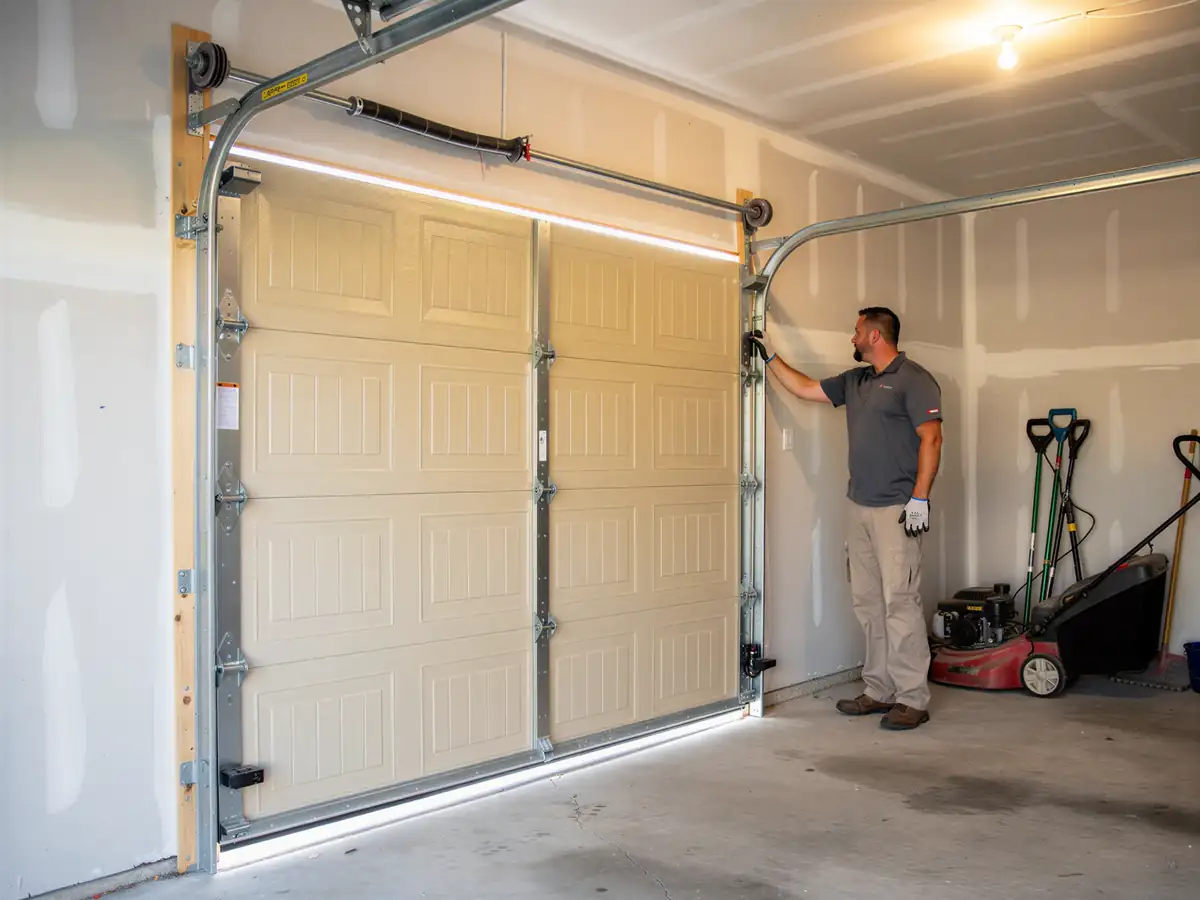
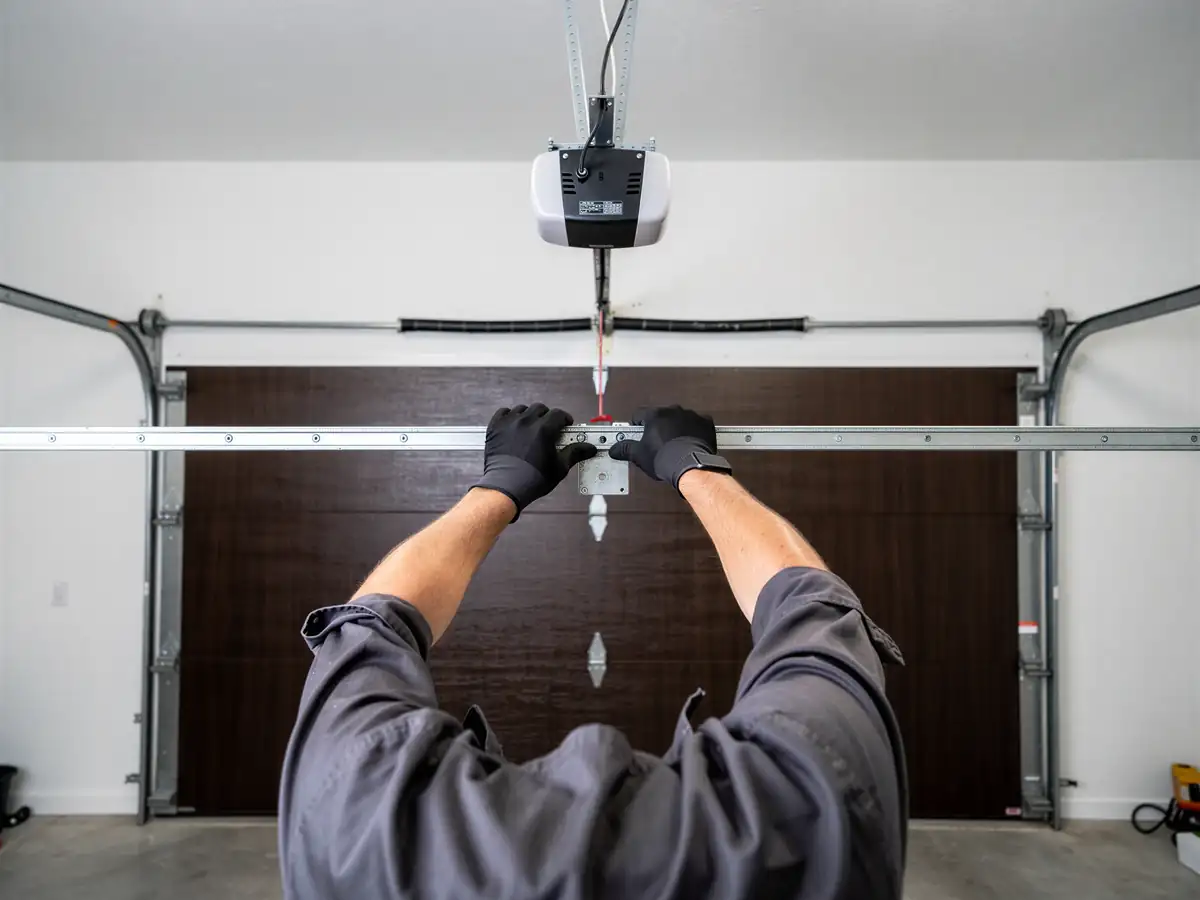
Mountain Park sits about 8 miles from our Norcross base, inside a service area built mostly between 1951 and 2012 with a median year of 1977 - Mountain Park's own housing lines up close to that, centered around 1979. Doors installed in that window are old enough that insulation cores have broken down and steel gauges are thinner than what's sold today, but new enough that most are still steel sectional rather than the wood doors you'd find on pre-1950 stock. That combination - aging foam-core panels on a door frame that's otherwise sound - is exactly why panel replacement shows up more than full door replacement in a town like this. The frame, track, and opener often still have years left; it's the panels that give out first under cold-season moisture and UV.
The Symptom
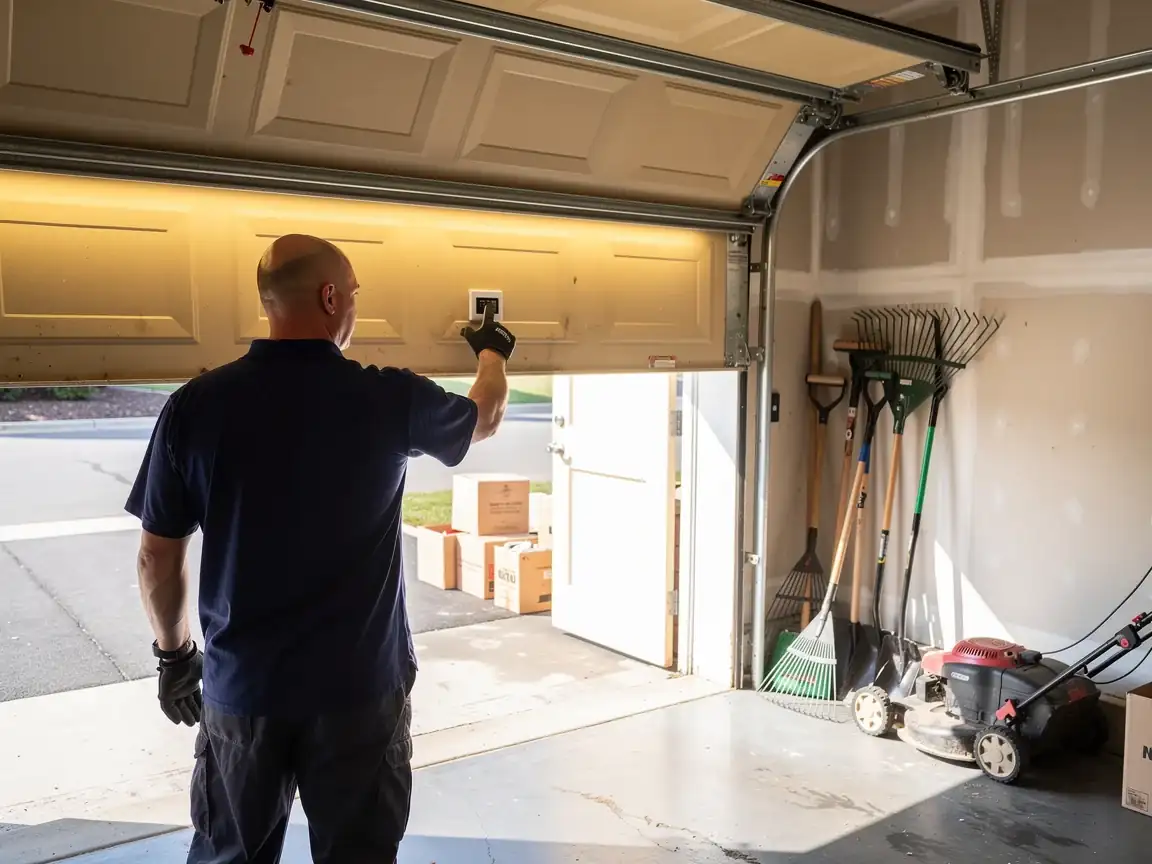
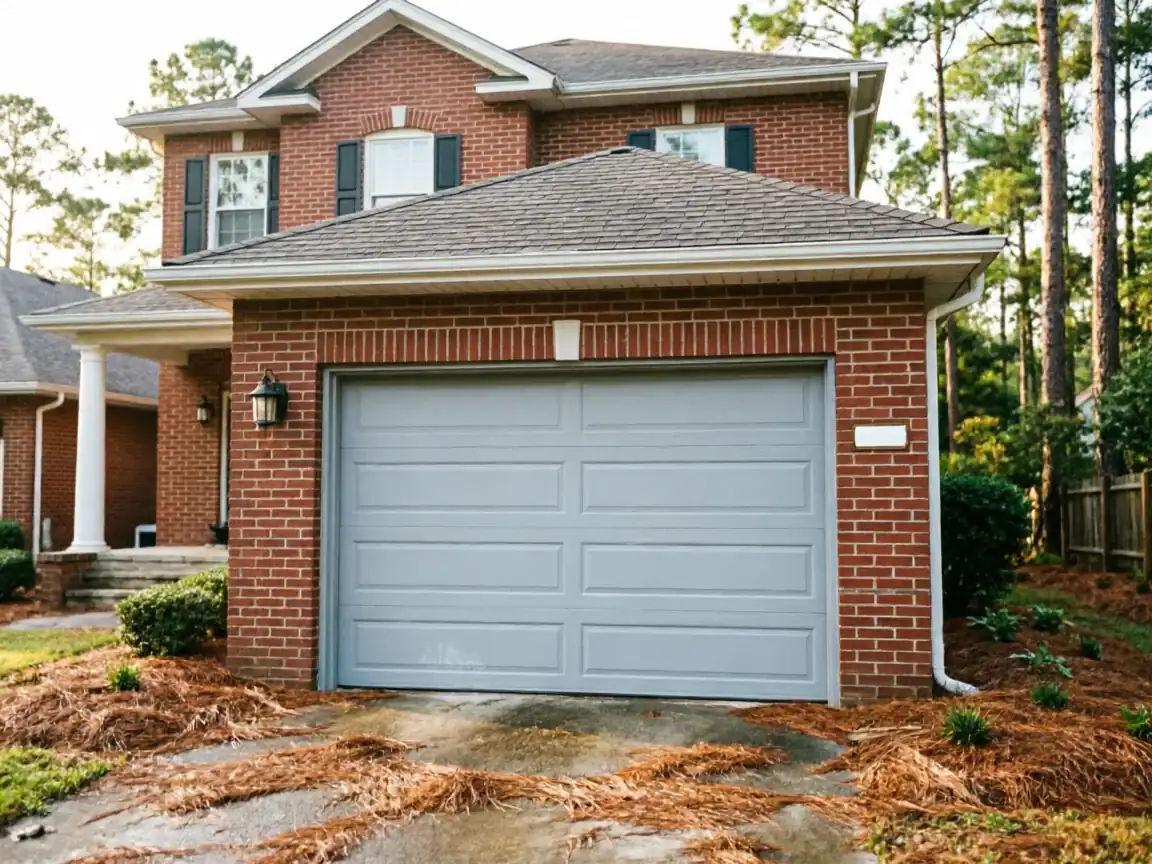
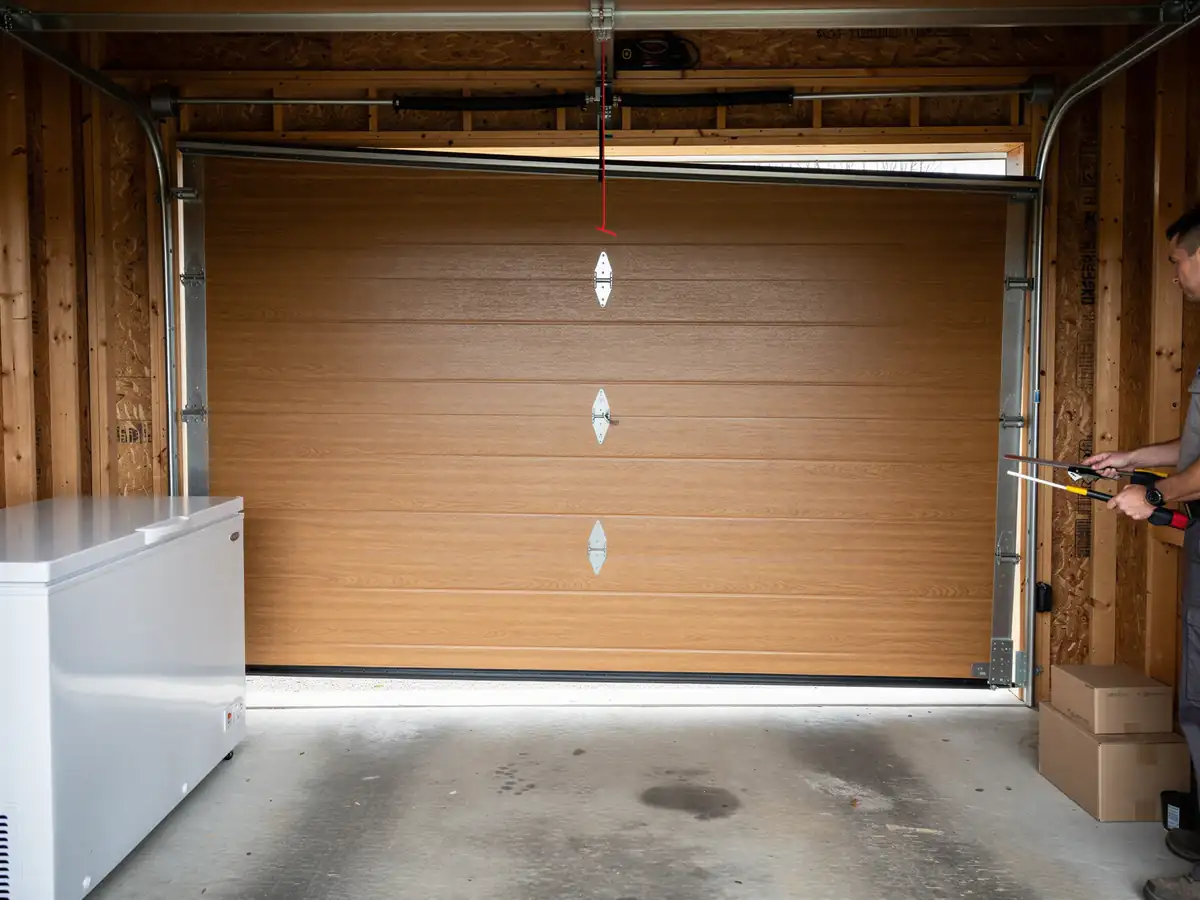
The giveaway is usually visual before it's mechanical: a panel that looks fine from the street but flexes inward when you push on it, or shows a hairline crack along a seam that widens every winter. Sometimes it shows up as a door that closes unevenly - one section sitting slightly out of plane with the rest because the internal foam has separated from the steel skin and the panel's lost its rigidity. If the door still opens and closes smoothly and the damage is cosmetic, that's a one-panel swap, not a full-door job. If multiple panels are compromised or the track alignment has shifted because of it, replacing the whole door usually costs less over time than panel-by-panel repair. For a broader look at what else we cover out this way, see our Mountain Park garage door service page, or compare this against the Norcross panel replacement page for the base-market version of this job.