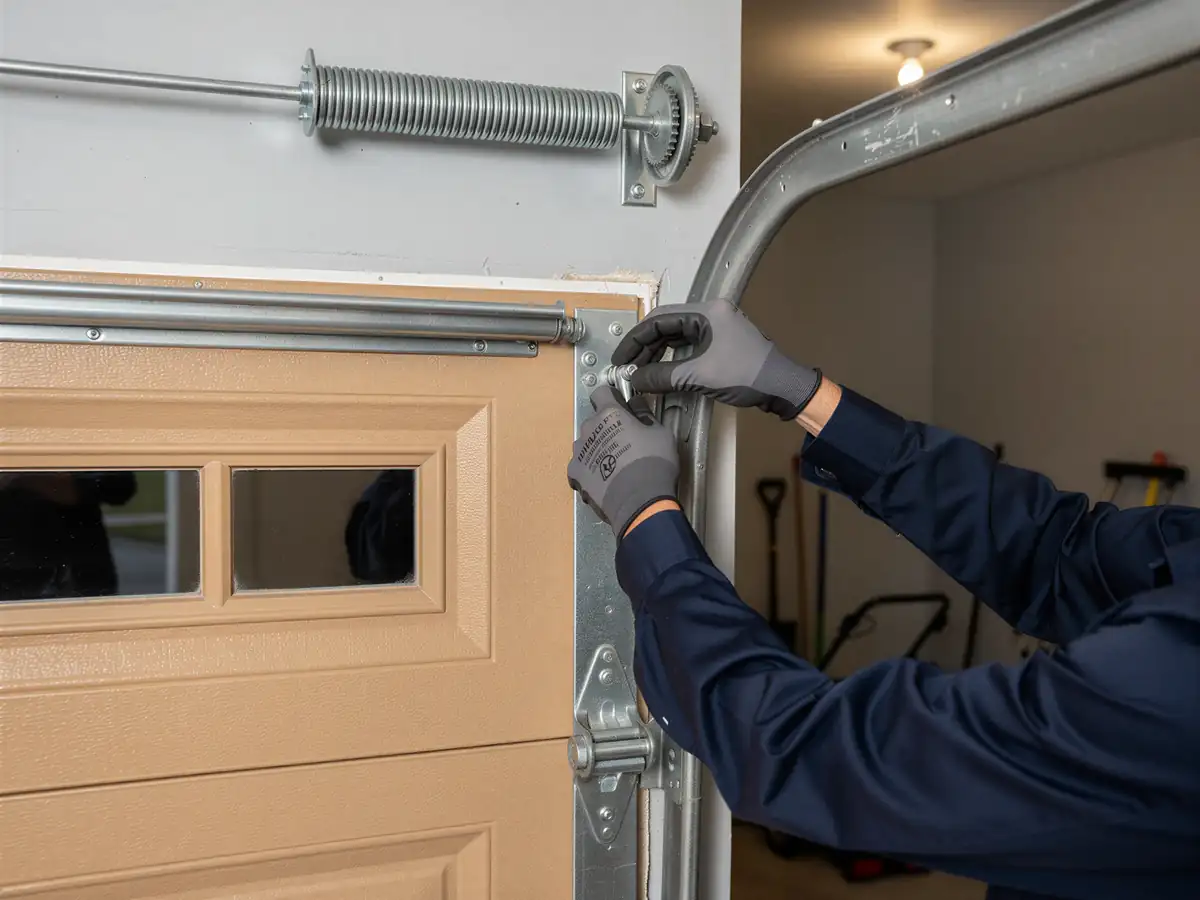
The DIY Question
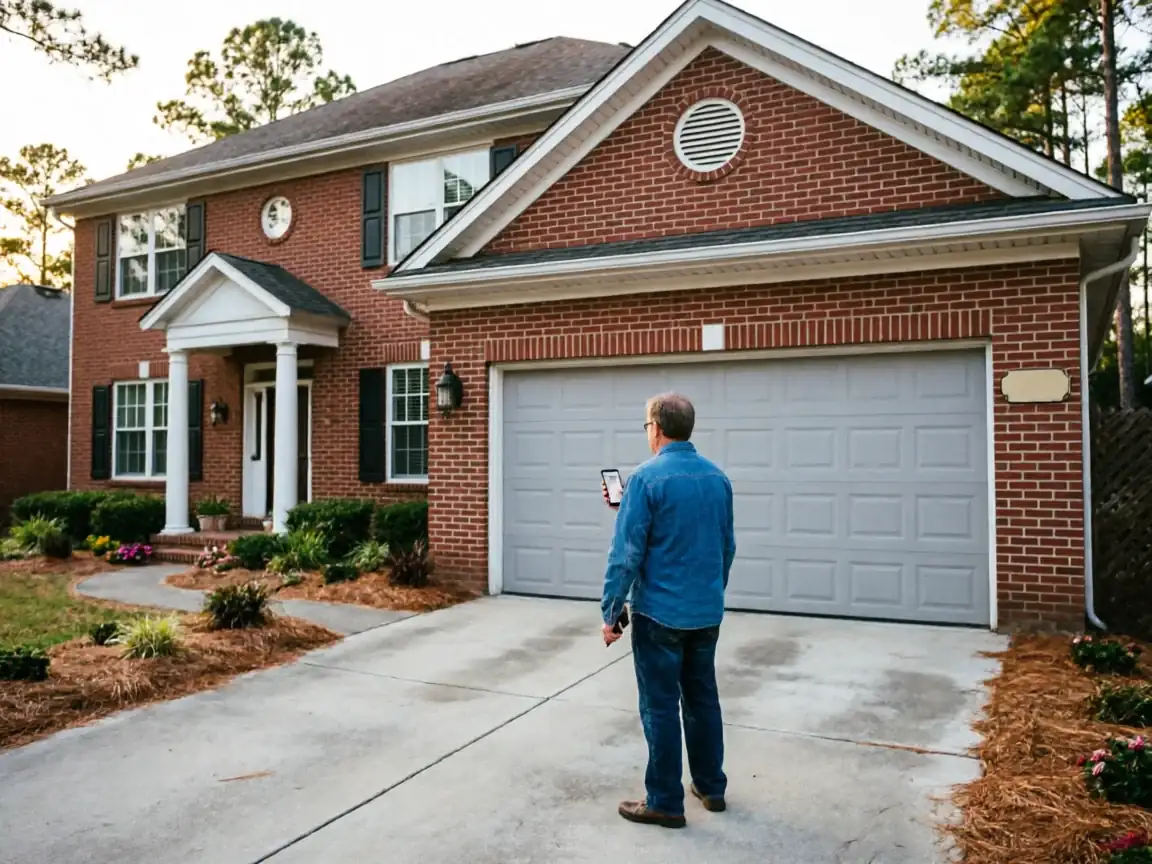
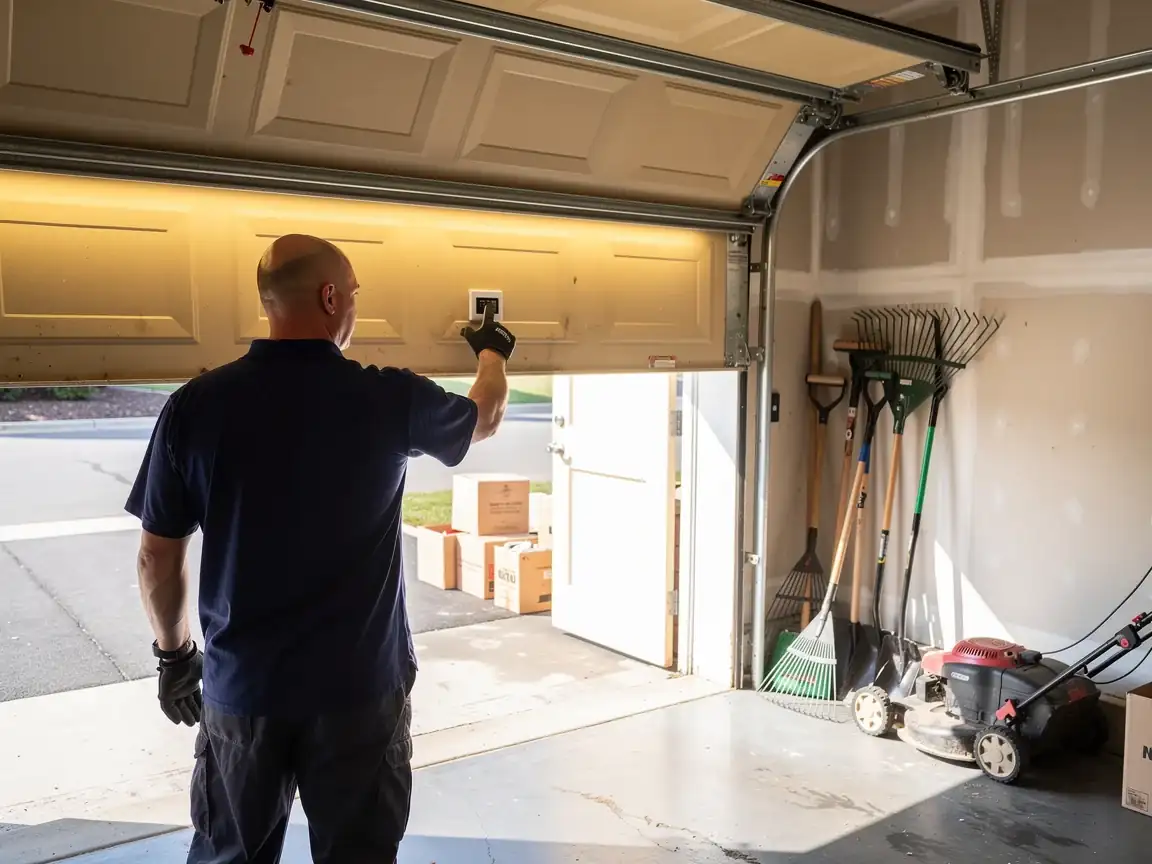
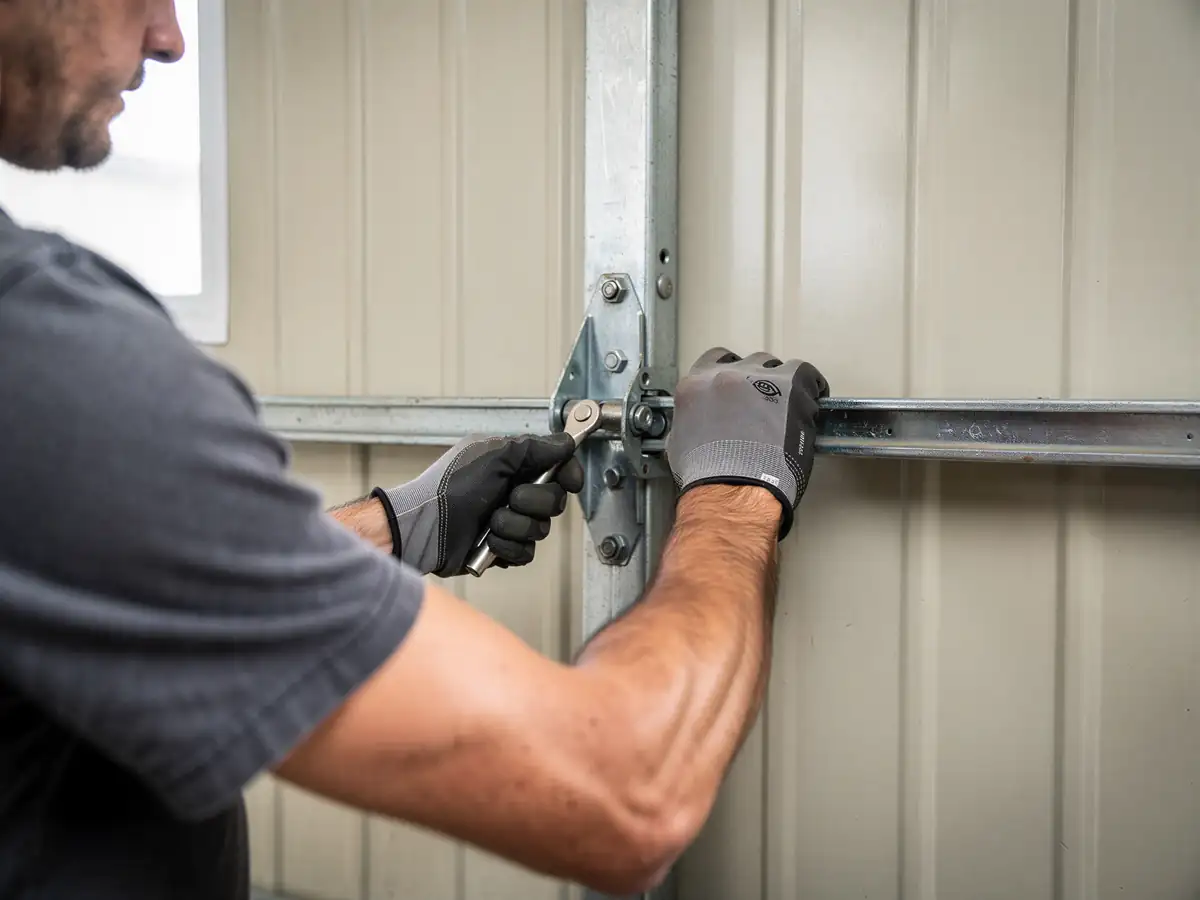
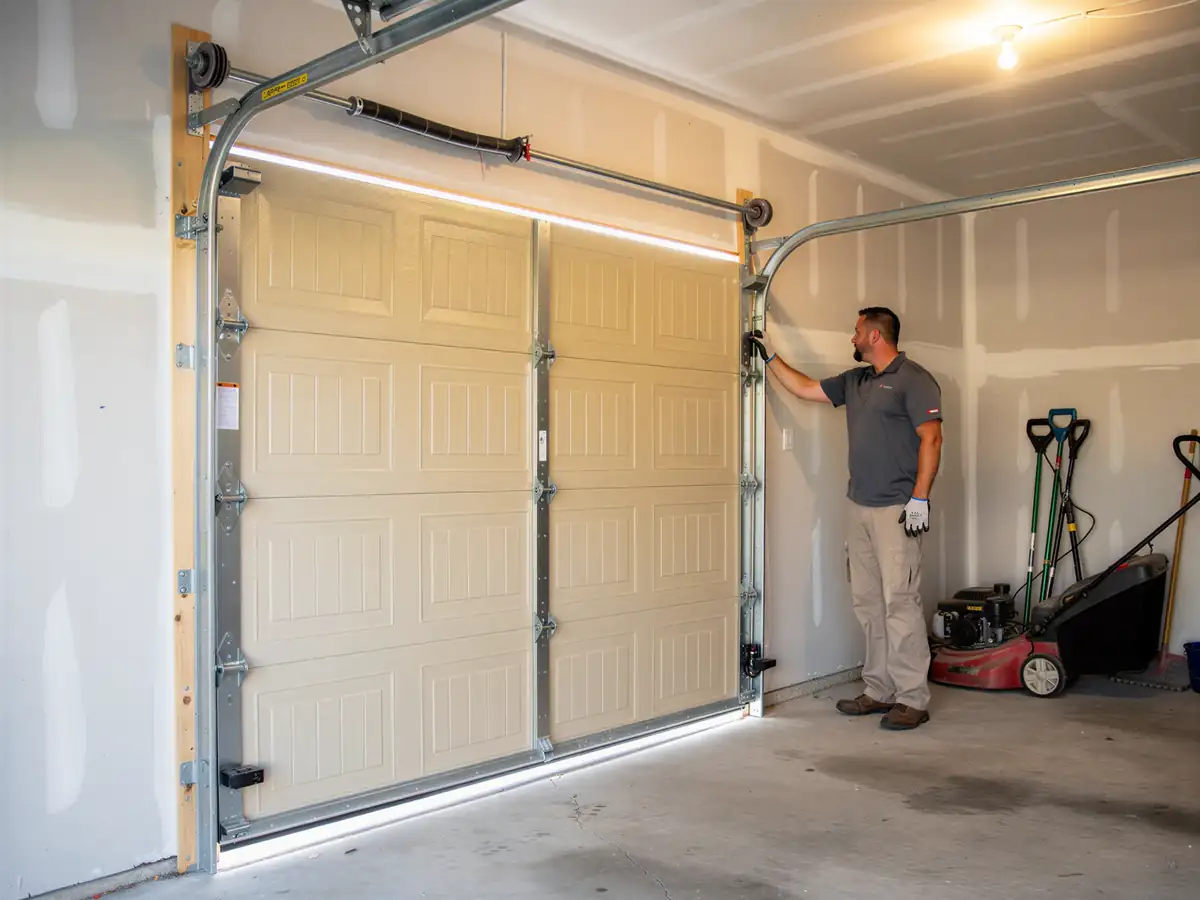
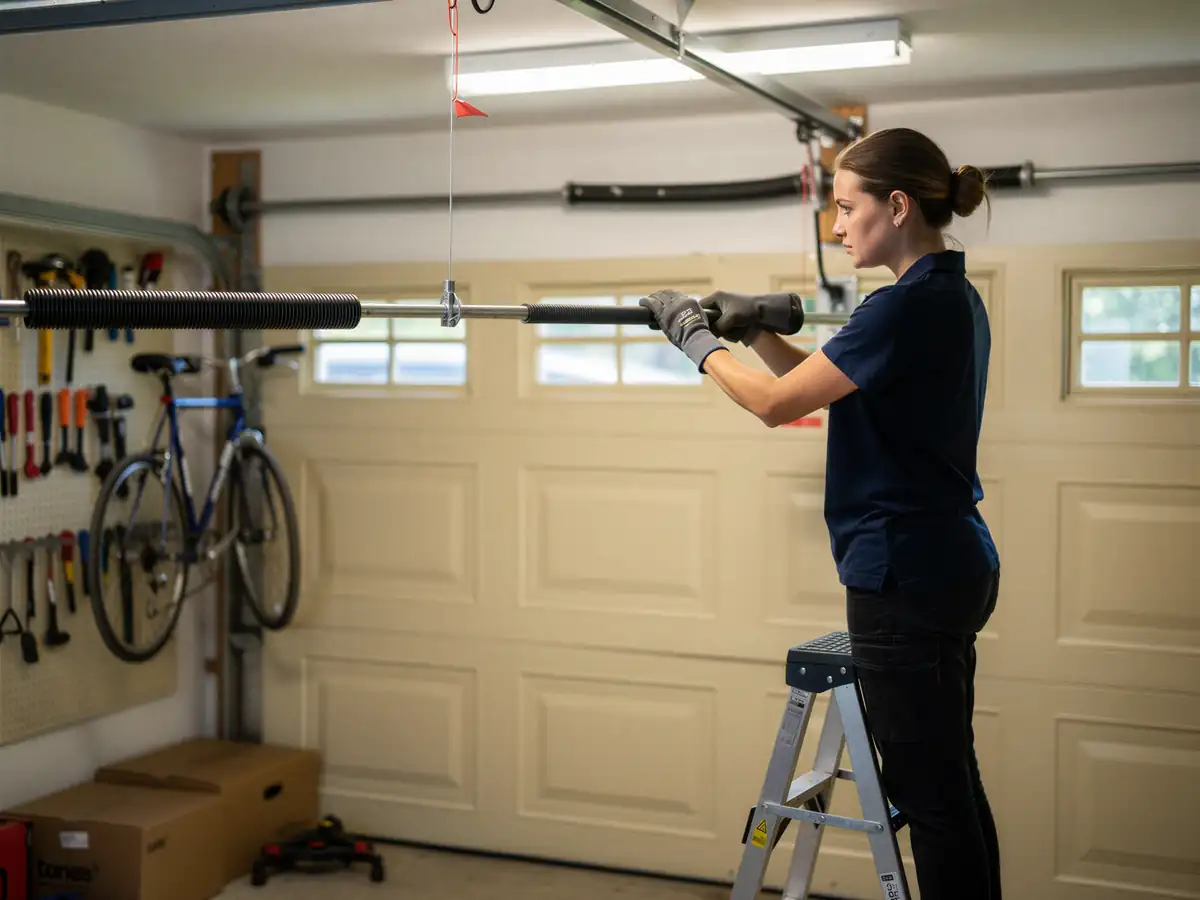
Most garage doors in Mountain Park are steel sectional panels, hung on extension spring systems, dating to construction around 1979 - a decade or so after the bulk of the wider Norcross service area was built out. That means a 16x7 double door is common here, not the narrower single-car doors you'll find in older pockets closer in. A homeowner can handle the easy stuff: wiping down tracks, checking that the auto-reverse sensors still trip when you wave a hand under the door, tightening loose hinge bolts. What you shouldn't touch is the spring system itself. Extension springs store serious tension, and on a door this size the safety cables that are supposed to contain a broken spring are often the first thing to go missing or corrode on a house this age. If you don't know whether your door has them, that's the line where DIY stops and a call starts. We're honest that a lot of routine lubrication and visual checks don't need a truck - save the call for the spring, cable, and opener work.
What Can Go Wrong
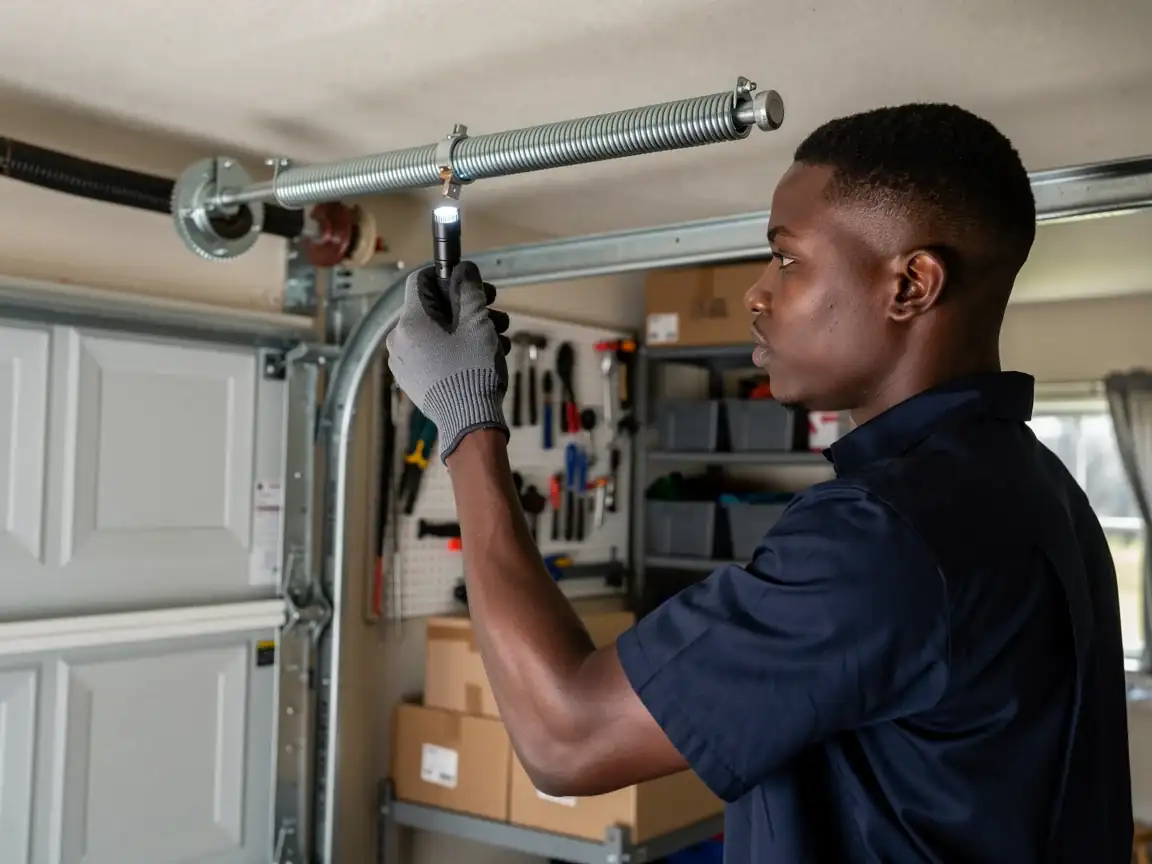
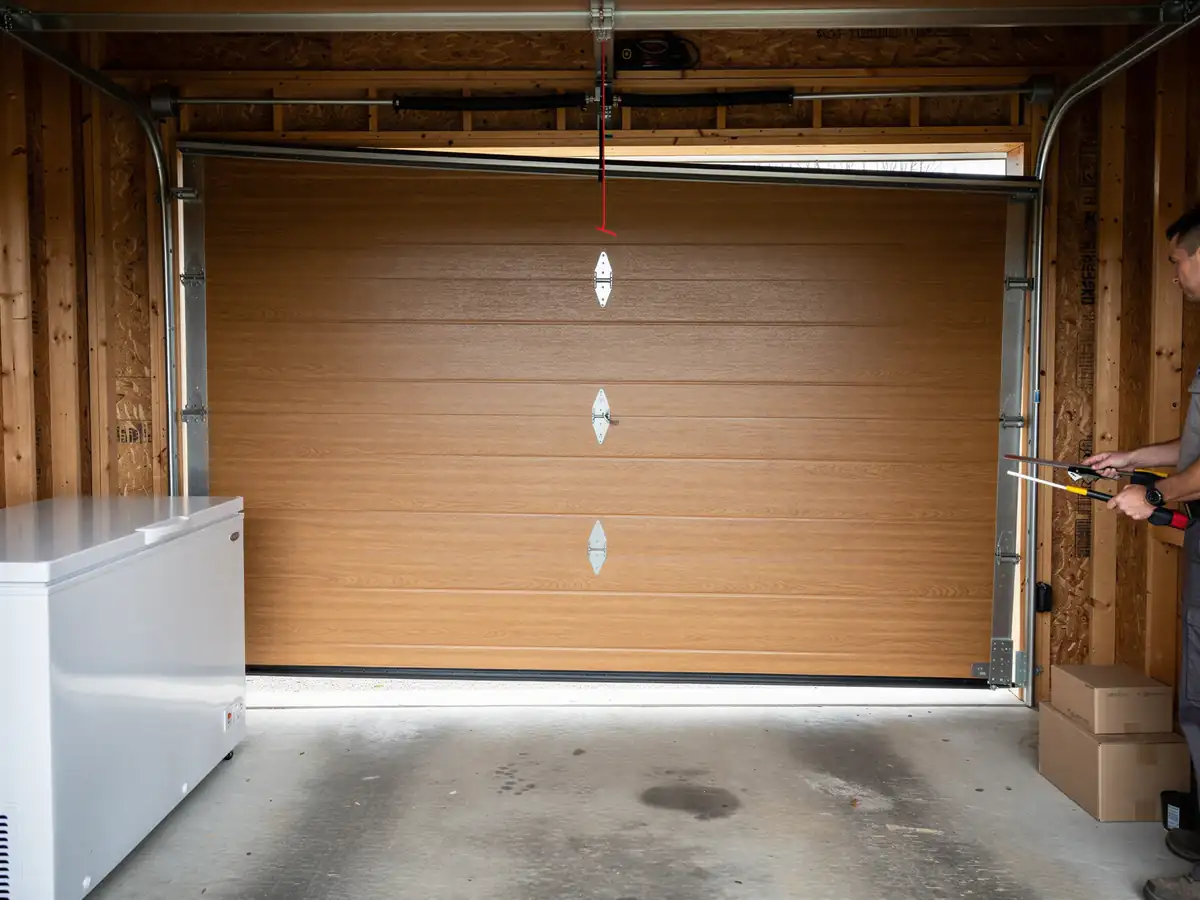
On a door built around 1979, the failure points we see are the extension spring pulleys, the stretched or frayed lift cables, and roller tracks that have slowly bent out of alignment from forty-plus years of daily cycles. Households here report a median income of $95,678, noticeably higher than the roughly $73,075 median across the broader service area, and that shows up in how these doors get treated - more owners replace an opener before it fully dies, fewer limp along on a grinding motor. But the hardware itself is still mechanical and still ages the same way regardless of income. A door that's gone stiff on one side, or that reverses before it touches the floor, is usually a track or cable problem rather than the opener itself. Left alone, a frayed cable eventually snaps, and on a double door that's a sudden, heavy, uneven drop - not something you want to be standing under.
Why It Happens Here
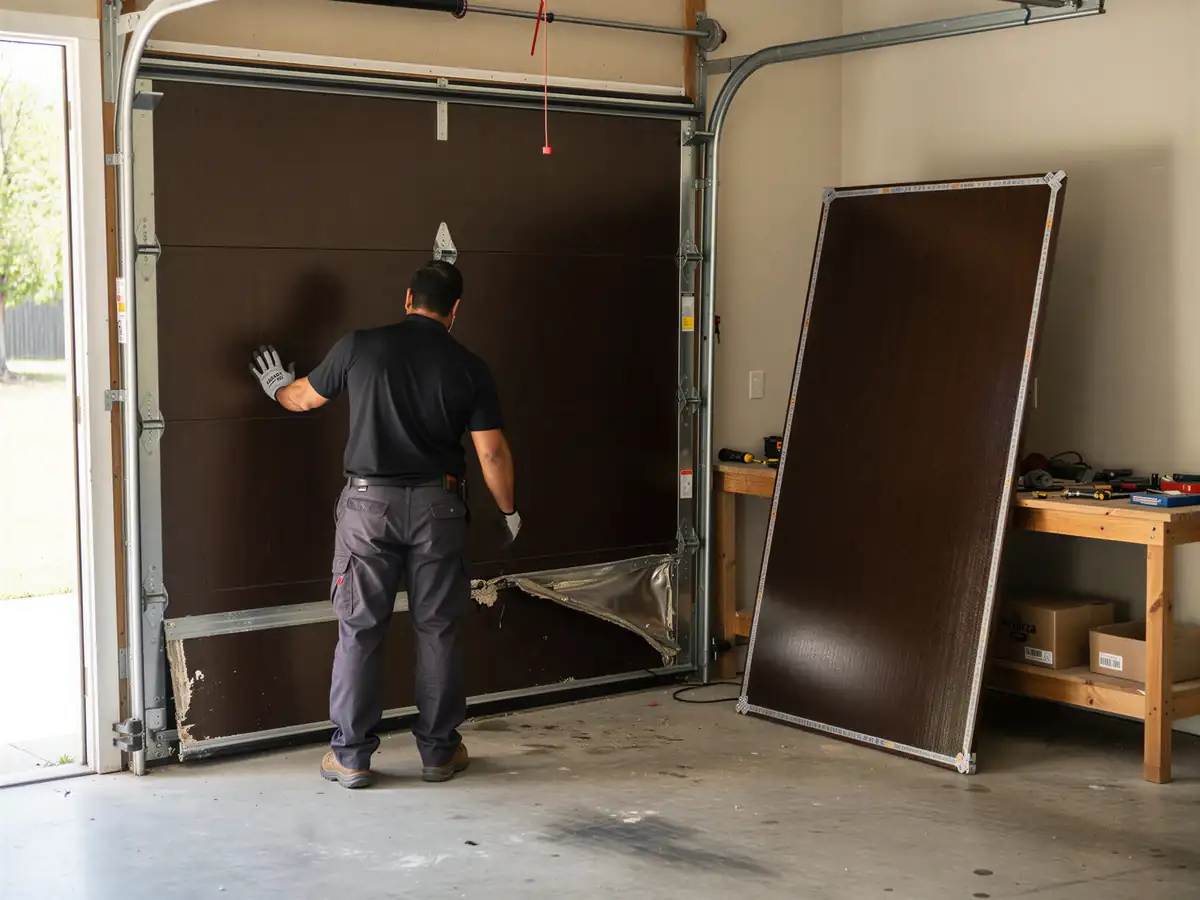
Mountain Park sits in a cold-moderate climate band, which matters more for a 1979 door than people expect. Steel panels from that era don't have the thermal breaks or insulation layups you'd find in anything built in the last fifteen years, so they contract and expand more with seasonal swings, and that movement works bolts loose at the hinge points over time. With roughly 4,667 households in this pocket, most built within a fairly narrow window, we see the same failure pattern repeat house after house - it's not bad luck, it's the same door design hitting the same number of winters. Maintenance here is less about catching something exotic and more about staying ahead of the ordinary wear that a forty-plus-year-old steel door accumulates on a predictable schedule.
The Symptom
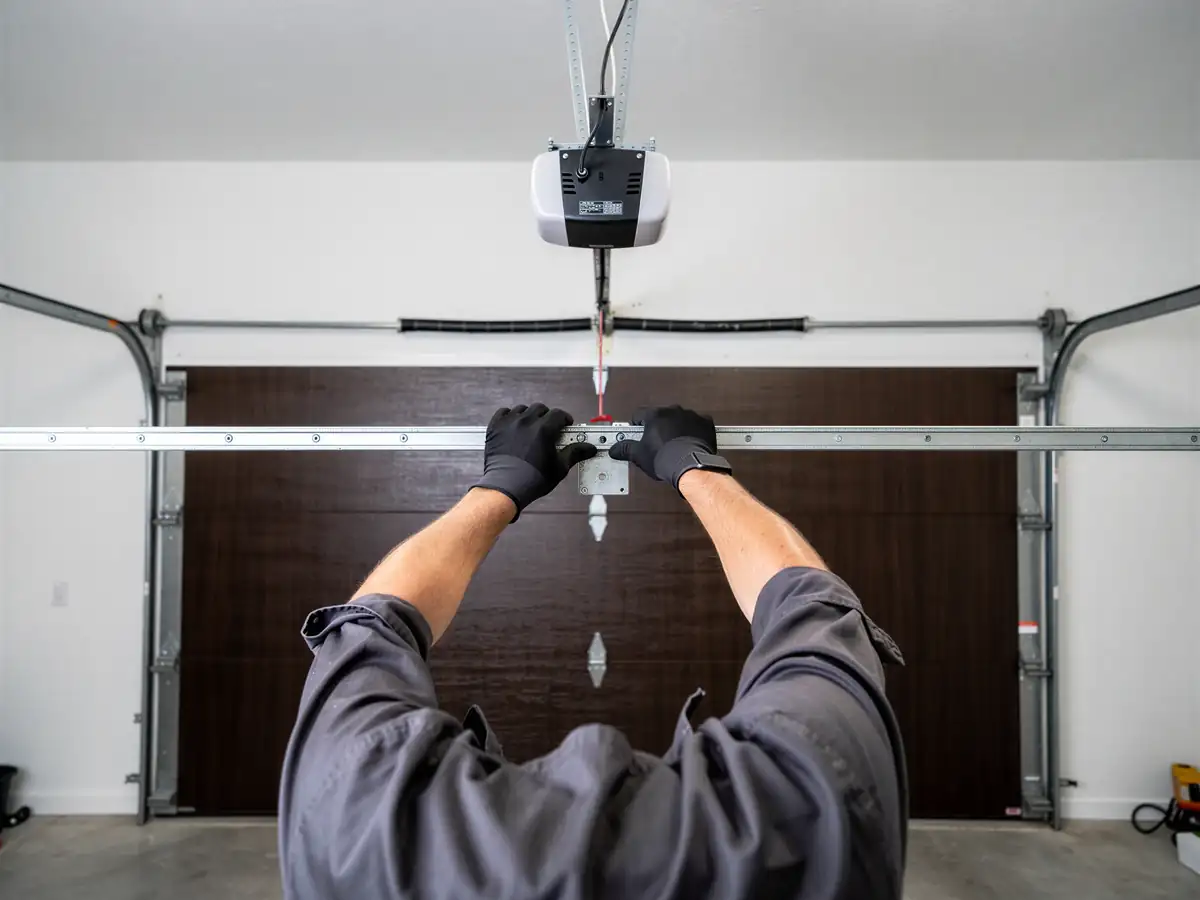
The tell on a Mountain Park door is usually a shudder or a hard jerk partway through the open cycle, right around the point where the springs take over the lift from the opener. That's a sign the spring tension has drifted out of balance with the door's weight, which happens gradually as extension springs lose tension over years of cycles. It's not usually an emergency the first time it happens, but it gets worse on the next cycle, not better. We'd rather catch that shudder on a maintenance visit than get the call after the cable finally lets go.