The DIY Question
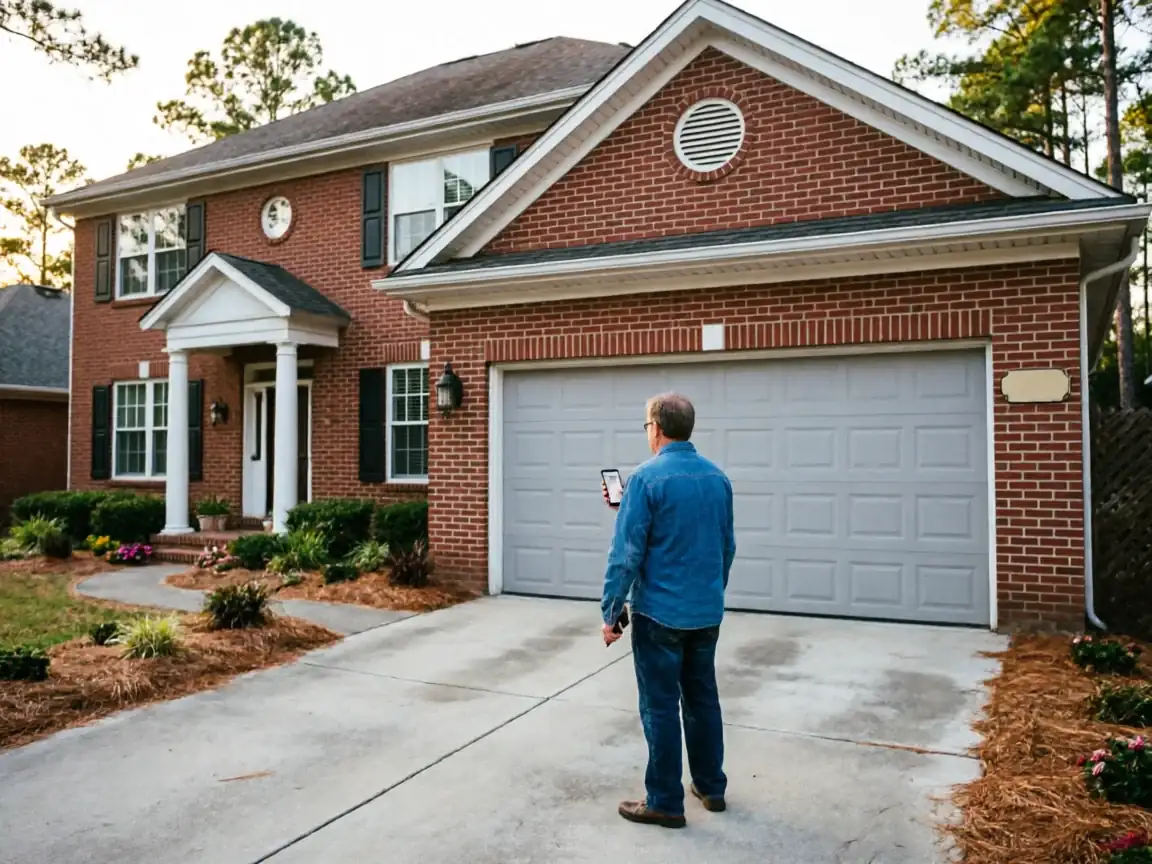
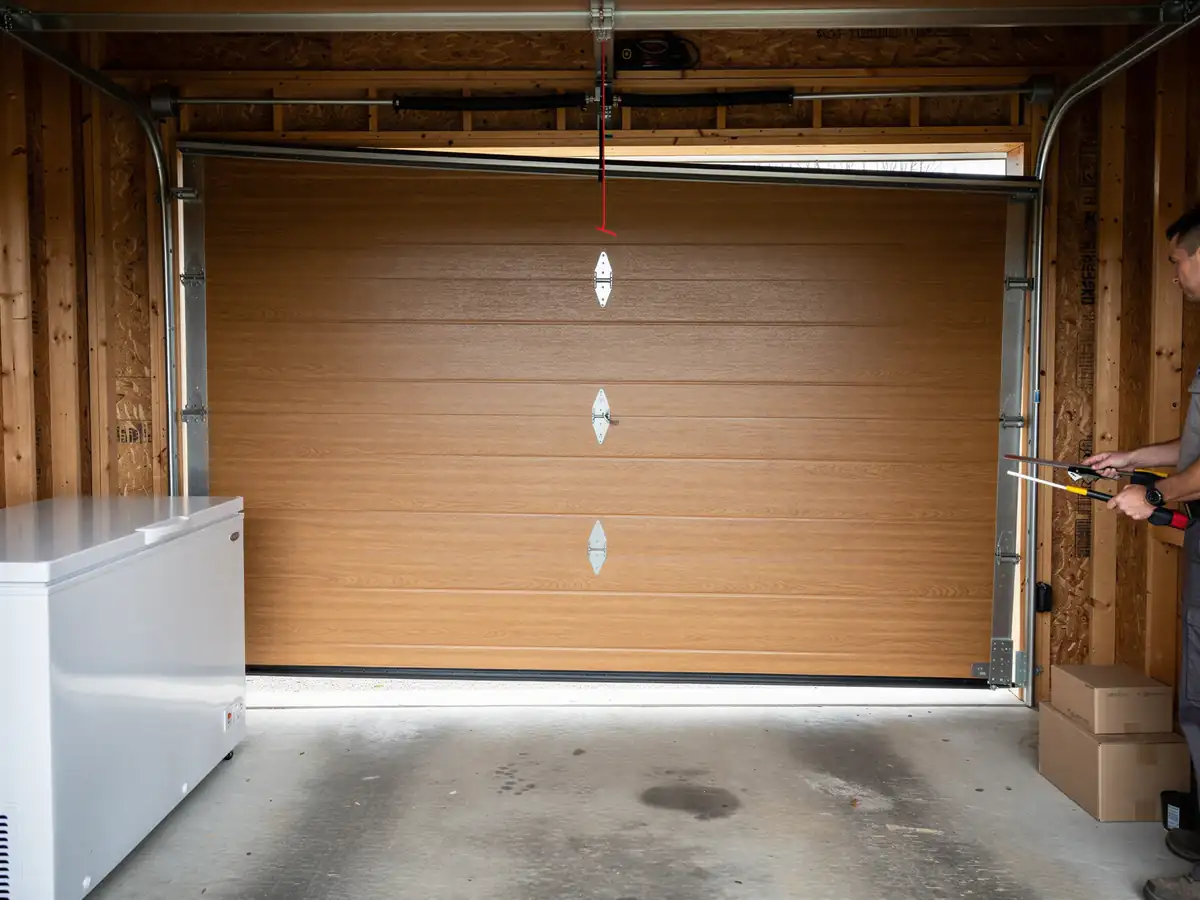
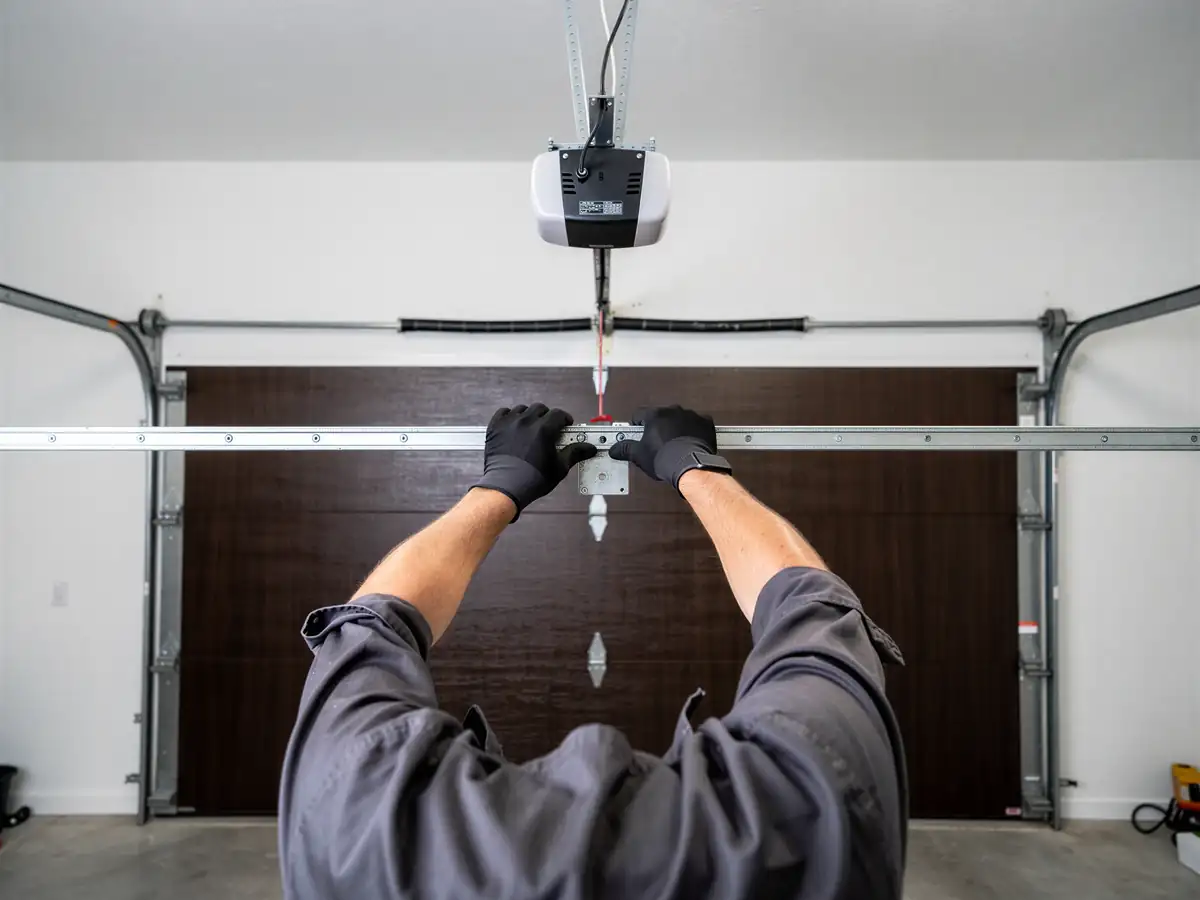
Mountain Park sits eight miles out from our Norcross shop, which changes the math on a DIY opener swap more than most people think. A box-store unit takes an afternoon to hang if everything lines up - bracket spacing, header clearance, a track that's still straight. The problem is what you find out after the motor's bolted up: a bent rail, a spring that's past its coils, wiring that was never grounded right. At that point you're waiting on a second trip, and a second trip from eight miles away isn't a quick fix-it-tonight errand. We'd rather look at the door and the track in one visit and tell you honestly whether the opener is the only thing that needs doing. With 4,667 households in this part of the territory, we're not running back and forth daily - each call here gets planned, which means we bring the parts we expect to need based on what we typically pull out of houses this age. If your garage was built close to 1979, that's useful information before we ever leave the shop. DIY isn't wrong, it's just a bet, and the odds get worse the farther the truck has to drive to correct a guess.
What Can Go Wrong
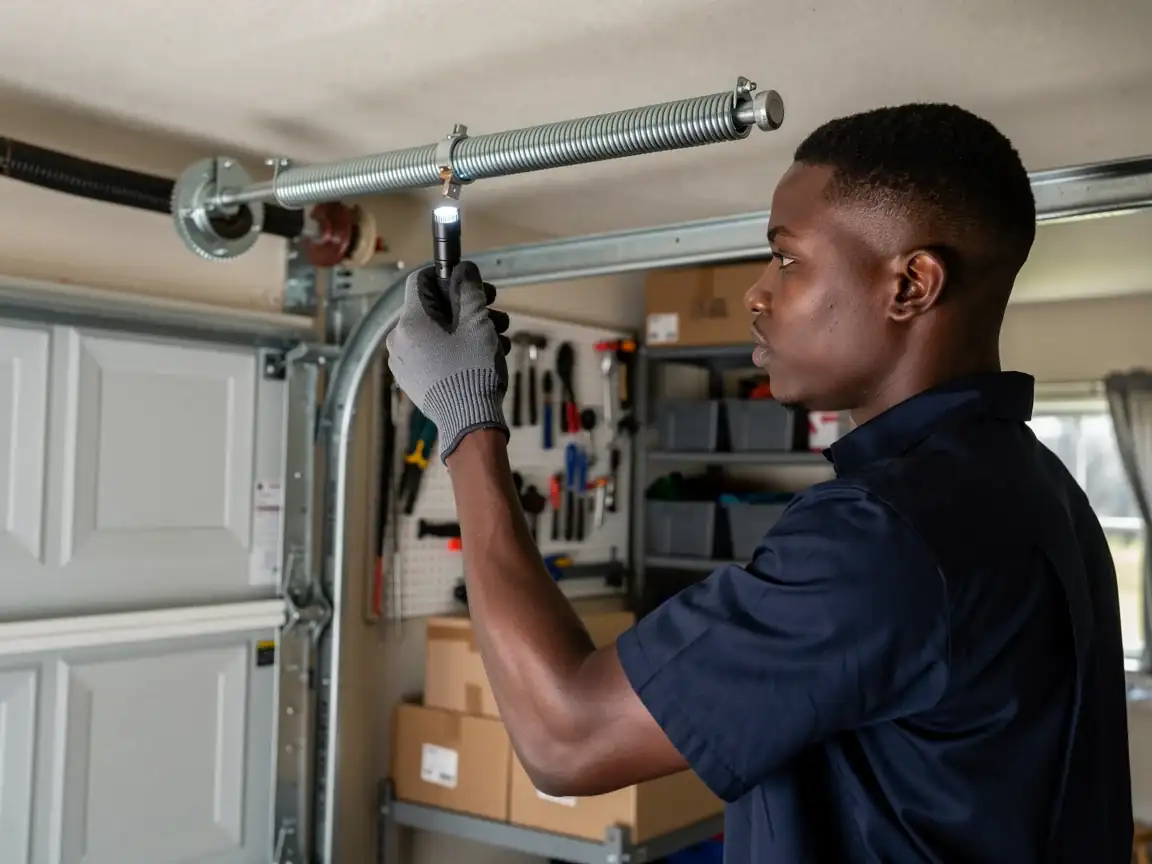
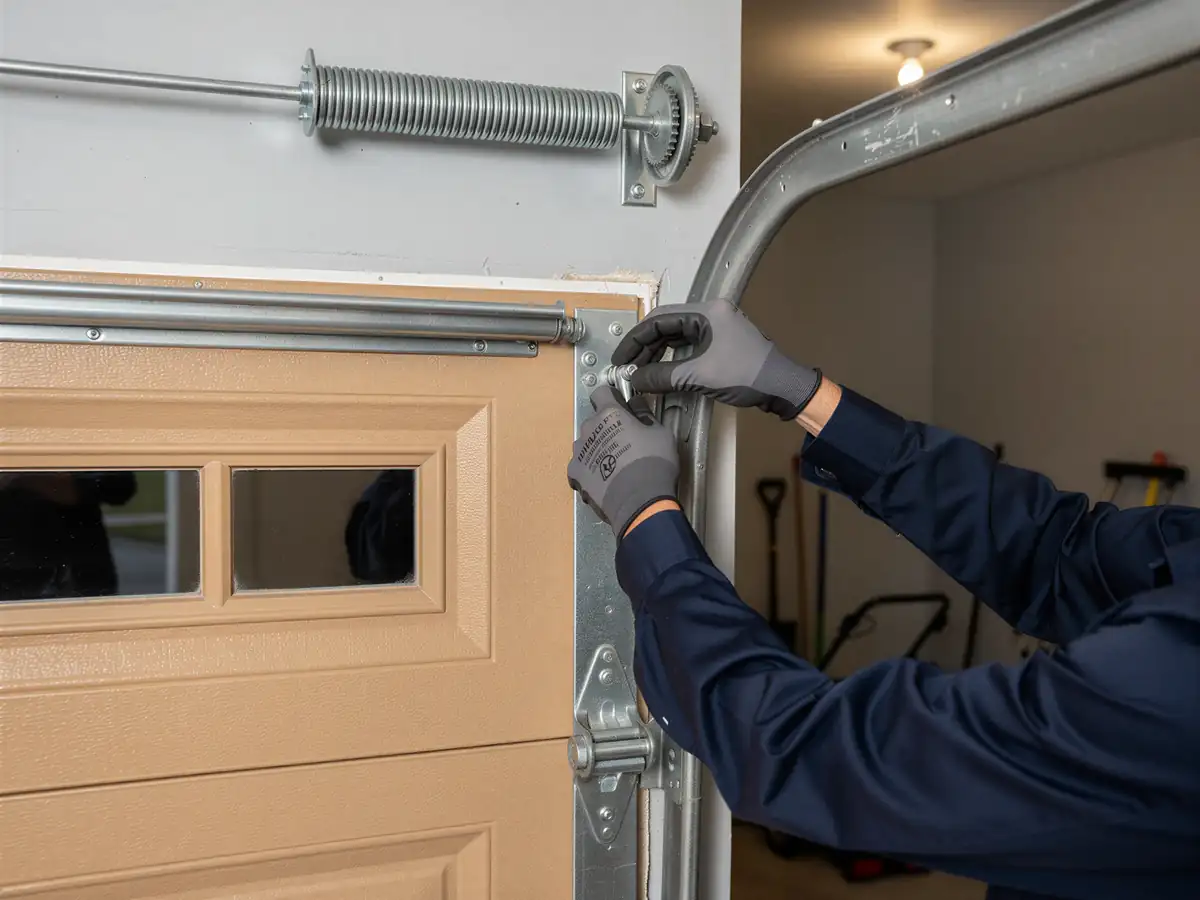
Openers installed when Mountain Park houses went up in the late 1970s were built for doors that weighed less and tracks that ran narrower than what's standard now. Swap in a modern 3/4 HP unit on an old steel rail without checking clearance and you get a motor that strains, a chain that jumps, or a trolley that binds every few cycles. We also see safety sensor wiring that was added later as a retrofit, spliced into circuits that were never meant to carry it - that's a nuisance-reversal complaint waiting to happen, not just an installation detail. Garage door openers from this build era often ran on chain drive with a manual-release cord that's frayed or missing outright, and homeowners don't always know a new opener still needs that cord working correctly for code. None of this is exotic. It's the predictable result of hanging a 2020s motor on 1970s hardware without someone checking the fit first. The honest limitation here: if the track itself is bent, undersized, or rusted through, we won't force a new opener onto it and call the job done. That's a separate repair, and we'll say so before we quote the opener install, not after.
Why It Happens Here
Housing in Mountain Park went up mostly around 1979, a couple of years past the median for the wider service area we cover out of Norcross, where homes trend closer to 1977. That small gap matters for openers because it's roughly the window when manufacturers shifted bracket spacing and motor mounting standards - parts from one side of that line don't always bolt to the other without an adapter. The area also sits in the same cold-moderate climate band as the rest of our territory, which means grease in an old chain drive stiffens up on the coldest mornings and sensor alignment can drift if a door frame has shifted slightly over four decades of seasonal swings. With median household income here at $95,678, well above the broader area's $73,075, we get more calls asking about smart openers with phone app control and battery backup than bare chain-drive replacements - people here are upgrading, not just patching. None of that is unique to any one street or house. It's a pattern that shows up when you install openers across a suburb built in a tight few years and look at what keeps failing.
The Symptom
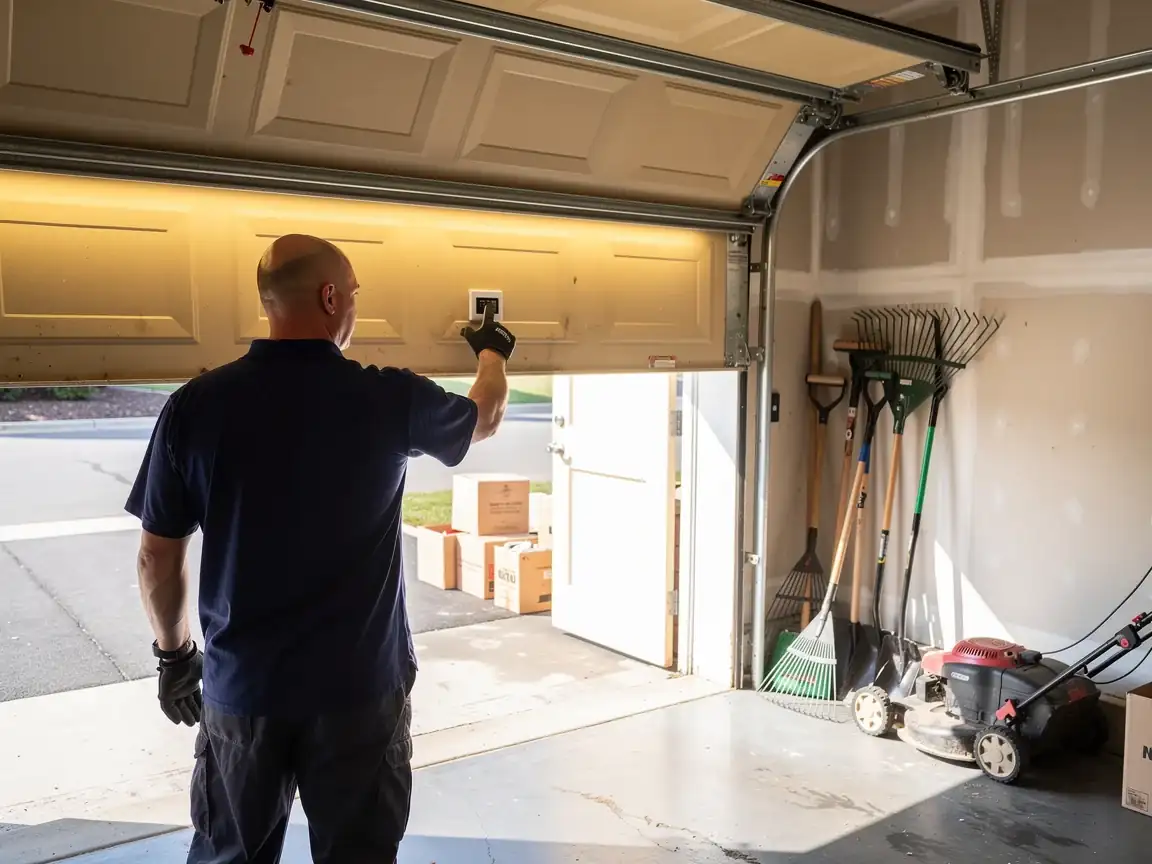
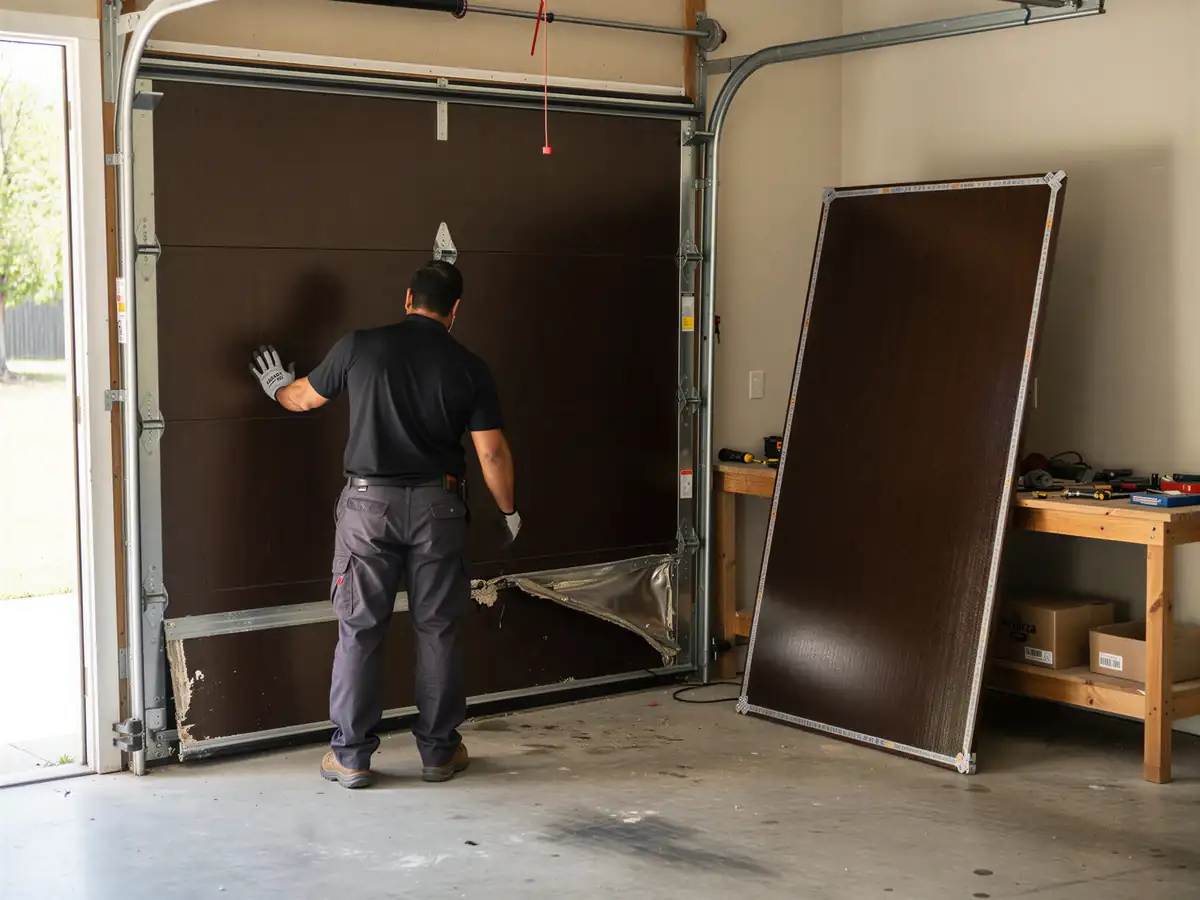
The complaint we hear most from this stretch of the territory is the opener running - motor humming, light turning on - while the door barely moves or doesn't move at all. On a house from the late 1970s, that's very often a worn drive gear inside the opener housing, not the motor itself, because the housings from this generation used a plastic gear that wears down faster than the metal ones in newer units. A second common version: the door reverses partway up or down for no clear reason, which usually traces back to a safety sensor that's drifted out of alignment on a frame that's settled over the decades. Less often, it's the capacitor in an older motor giving out, which sounds like the unit straining before it quits entirely. We bring parts for all three on a standard call out here because they show up often enough in houses this age to plan for. For a look at what else we check on a full service visit, see our garage door service page for Mountain Park, or if you're comparing opener options before we drive out, the Norcross opener installation page covers the units we install.