The DIY Question
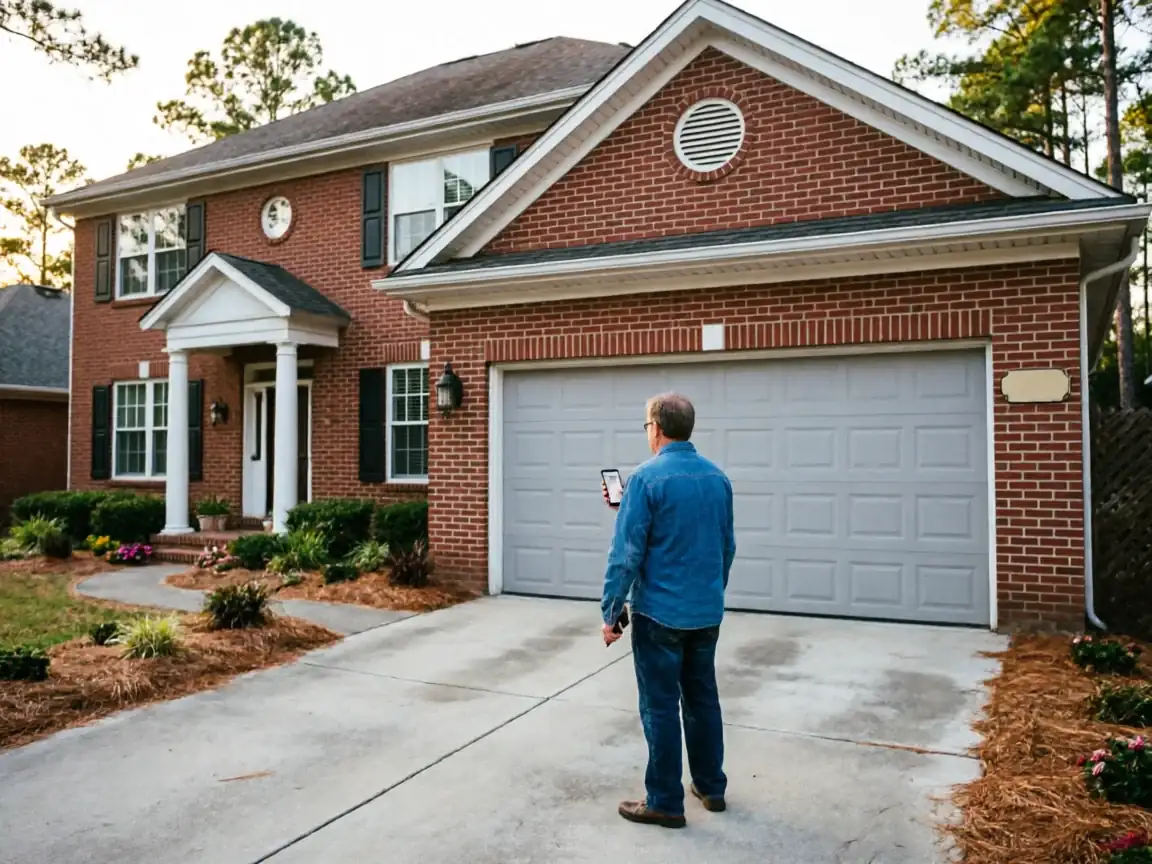
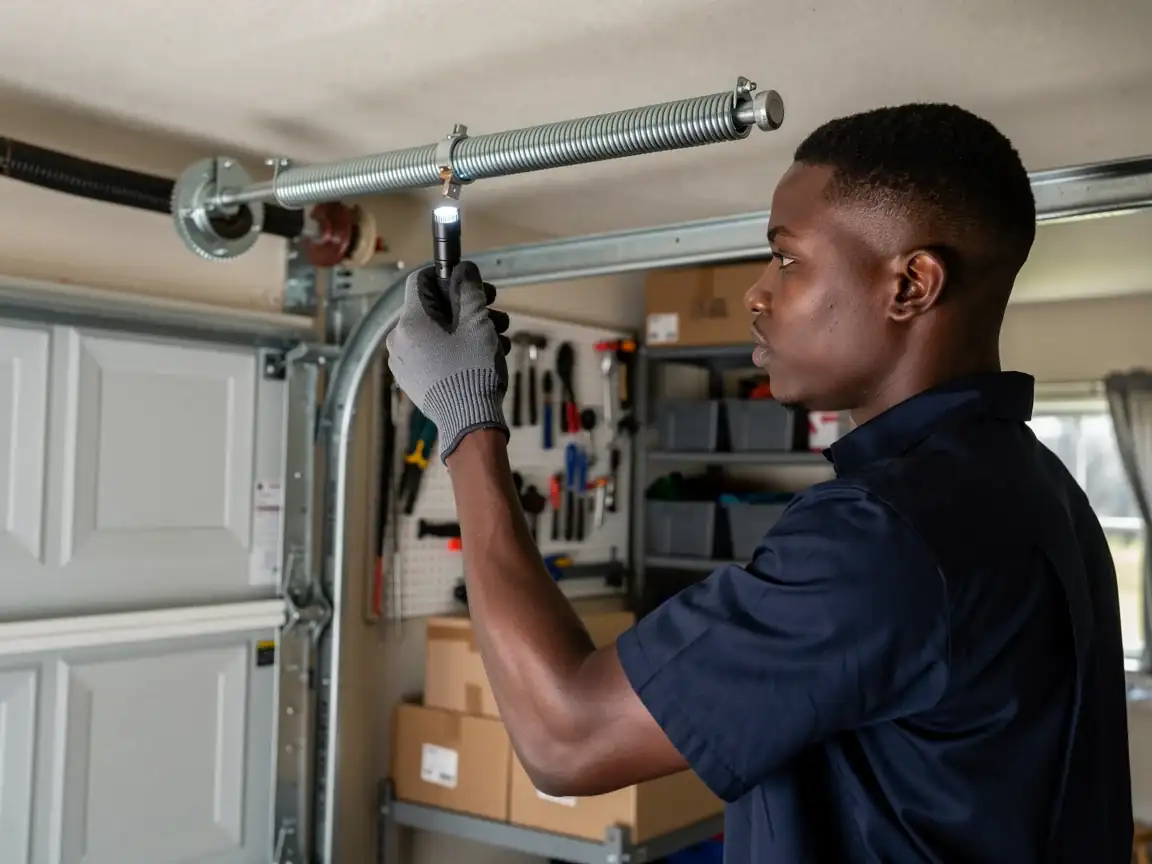
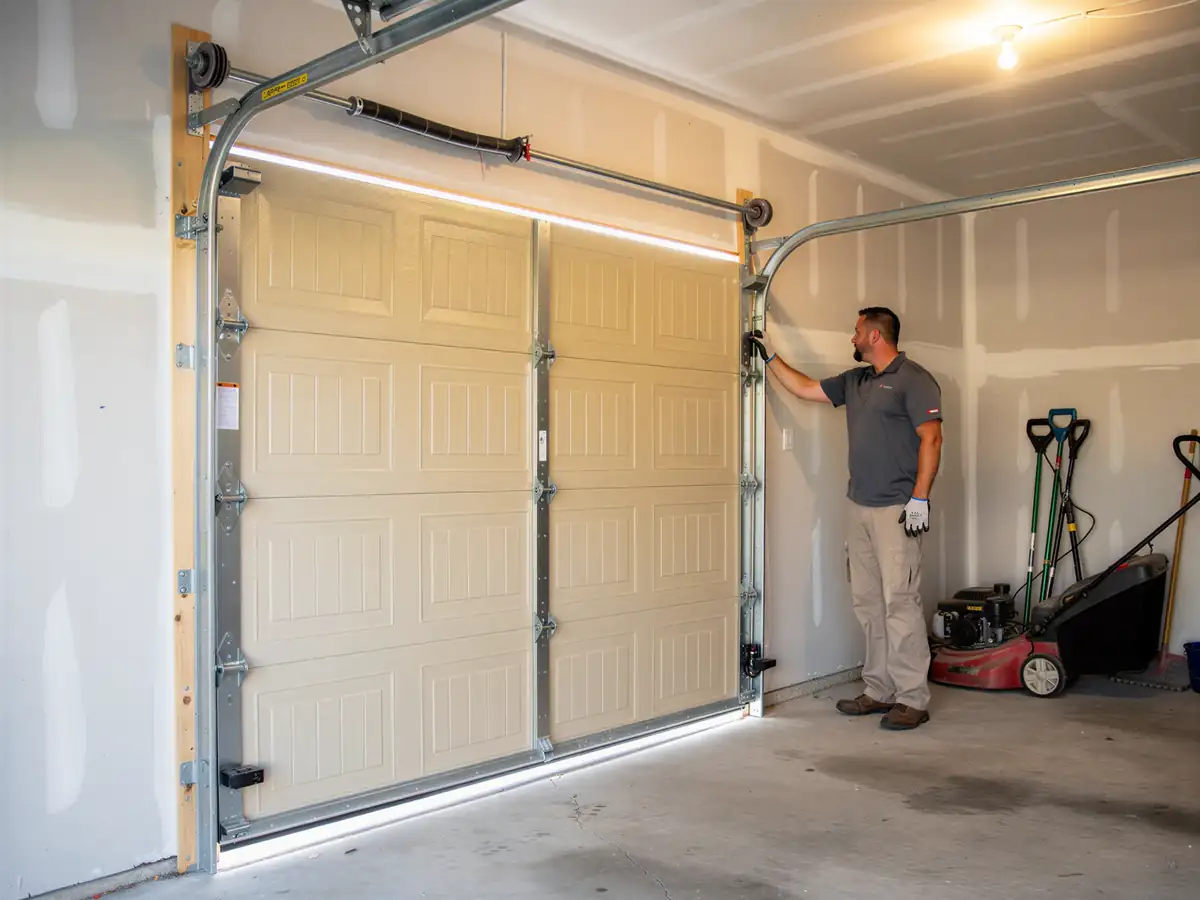
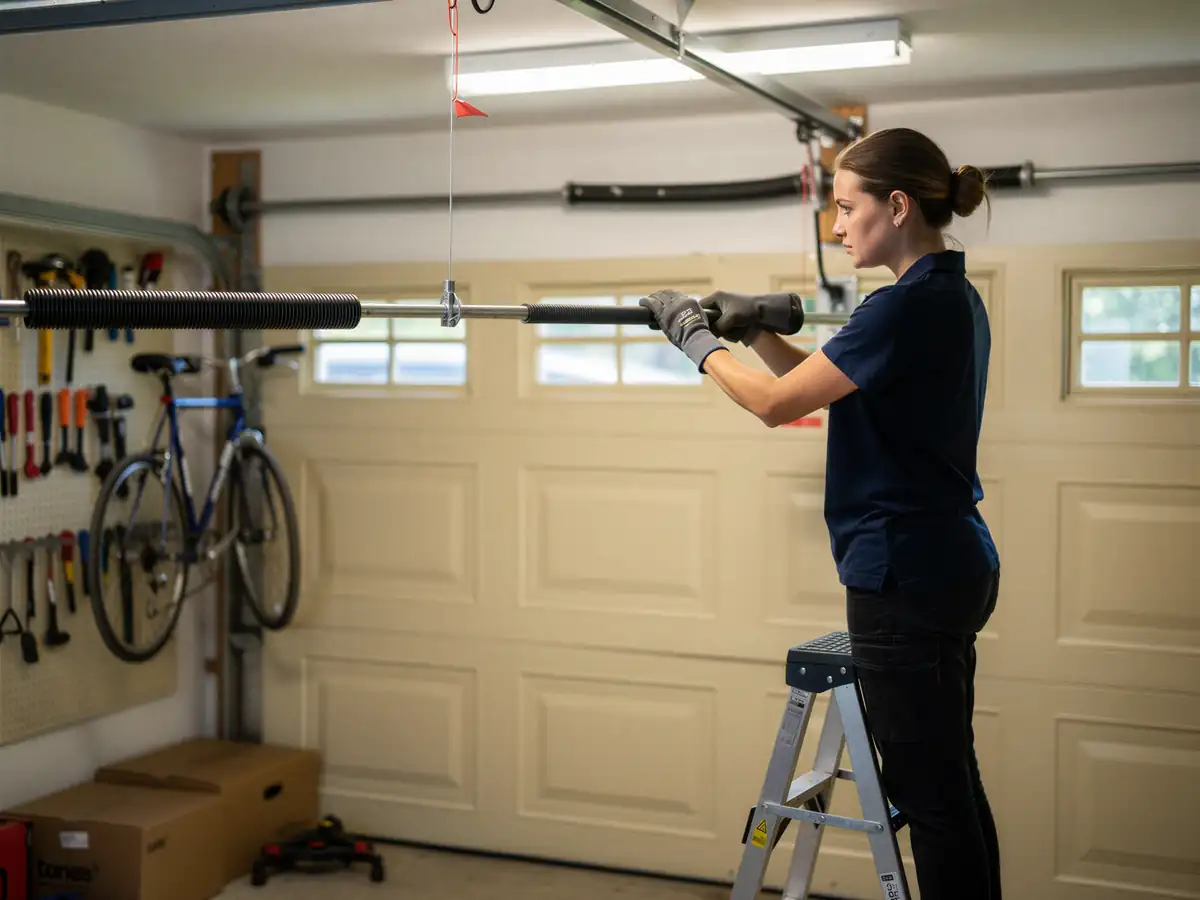
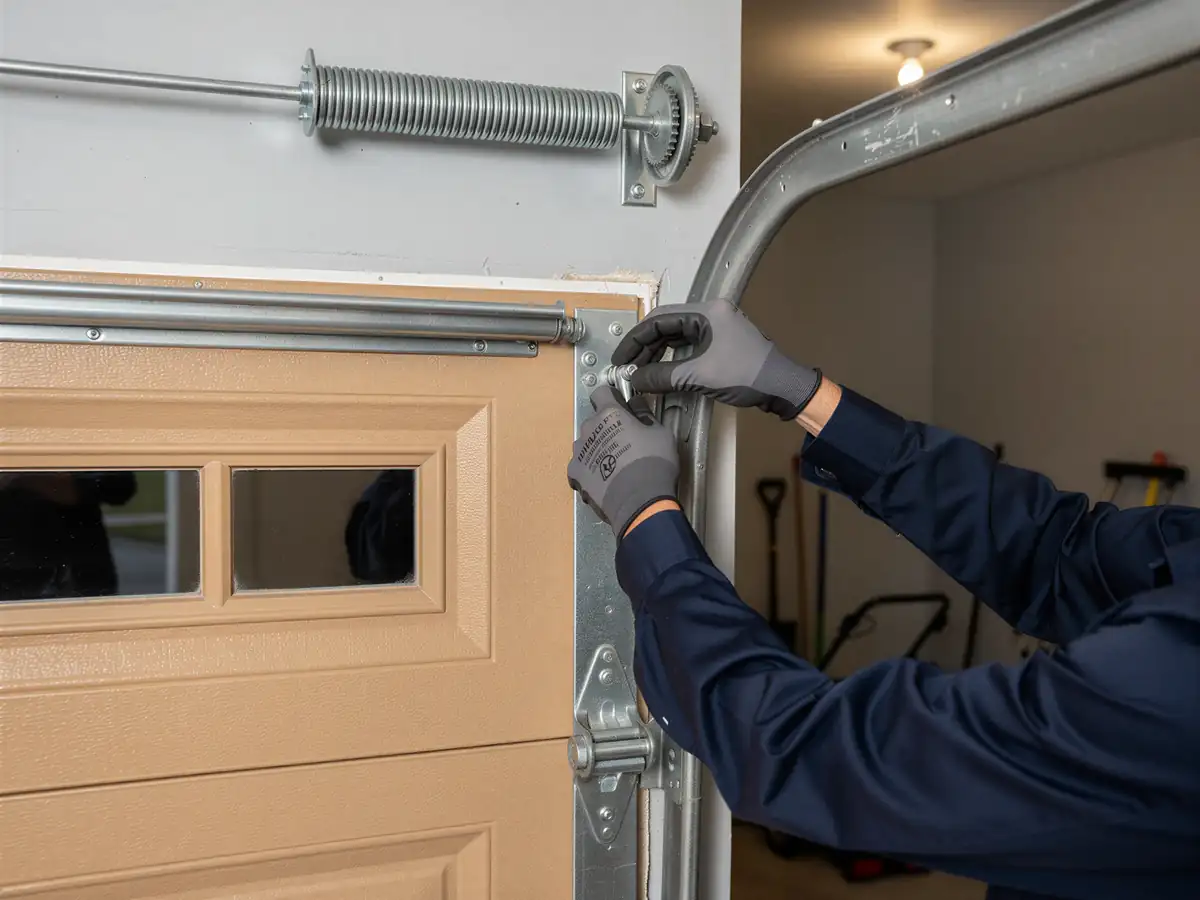
Most houses in Mountain Park went up around 1979, a few years off the wider service area's 1977 median, which puts their original door hardware squarely in the torsion-spring-with-steel-roller generation rather than the older extension-spring setups you'll find on some of the pre-1960s stock elsewhere in the county. That matters for the DIY question, because a torsion spring under tension is not a part you learn on. The winding bars, the right cone size, the correct turns for the door weight - get one of those wrong and the spring can let go with enough force to break a wrist or worse.
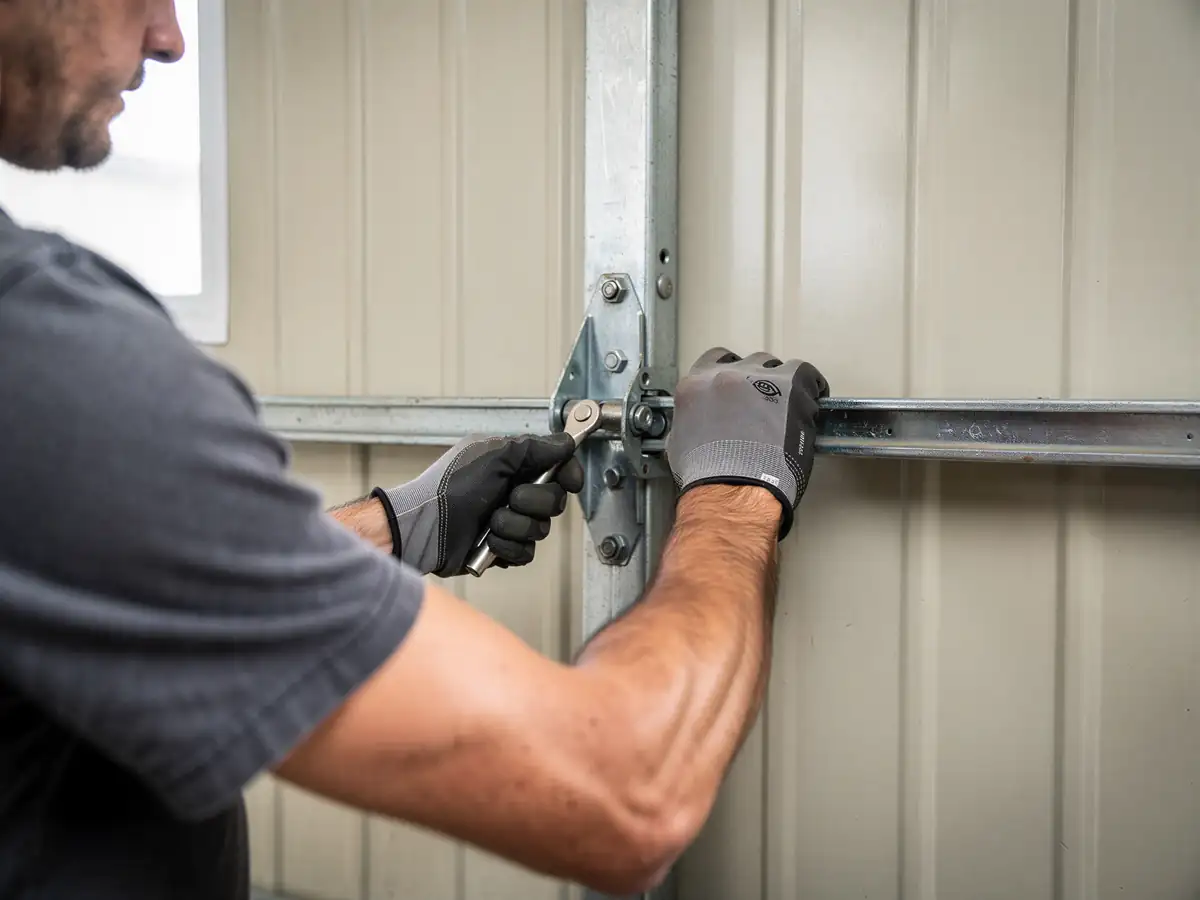
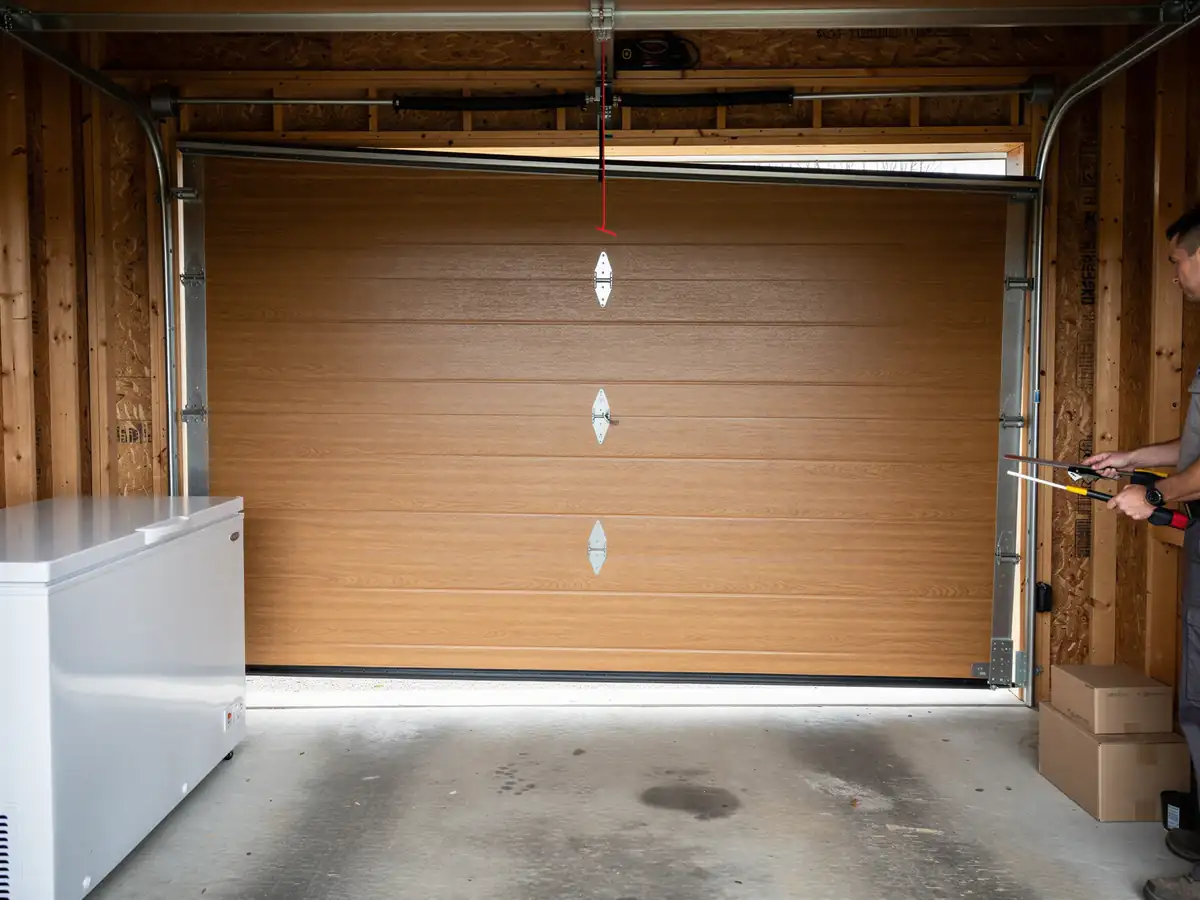
We're not going to tell you nothing on a garage door is DIY-friendly, because plenty is: lubricating rollers and hinges, tightening loose bolts on the track, swapping a remote battery, clearing the photo-eye sensors of dust. What we'd steer you away from, specifically in a house of this age, is anything involving the spring, the cable, or the bottom bracket. The hardware has had four-plus decades to corrode, fatigue, or get replaced once already by someone who may not have torqued it right.
What Can Go Wrong
On a door built in that late-1970s window, the failure we see most is a torsion spring that's simply reached the end of its cycle count - the door gets heavy to lift by hand, or the opener strains and reverses partway up. Right behind that is cable fray at the bottom bracket, usually on the side that takes more load because the door's slightly racked.
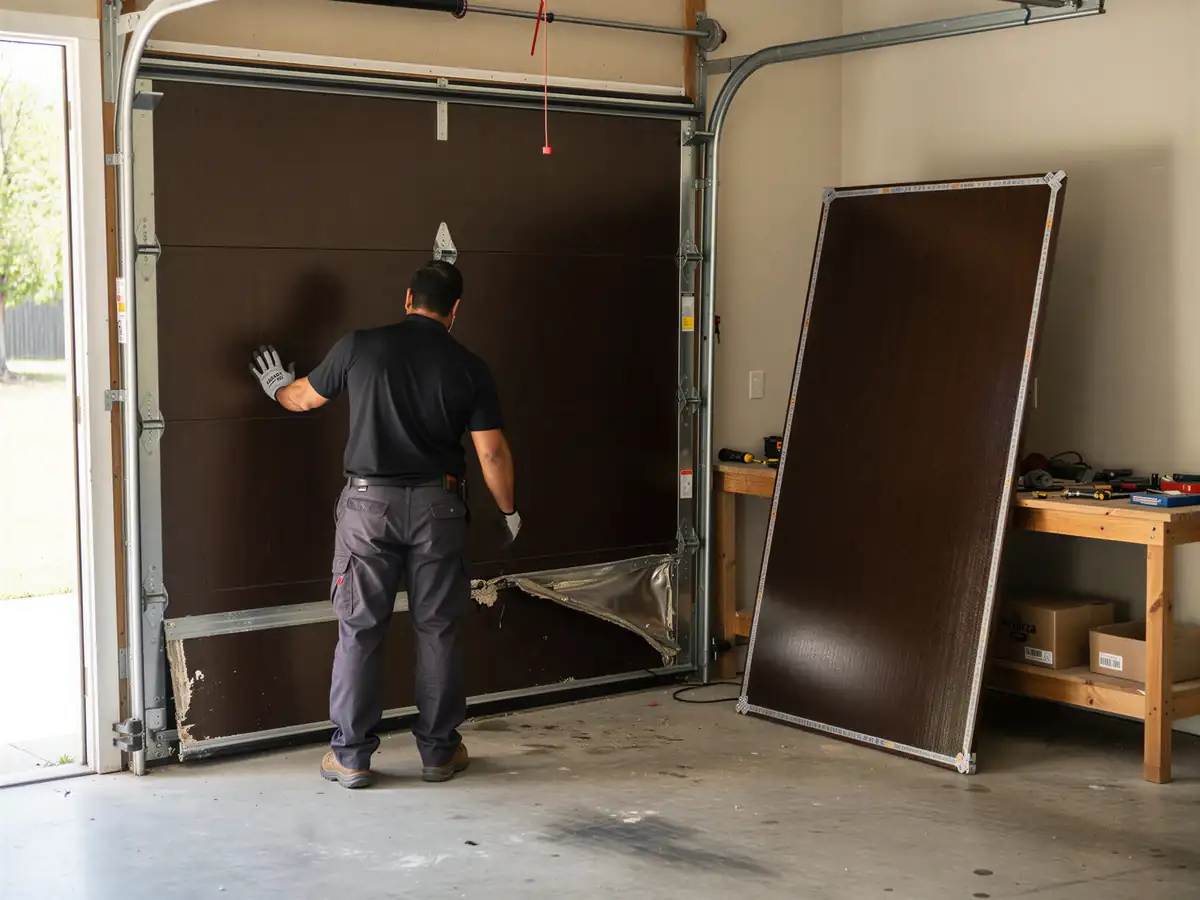
Rollers are the other common call. Original steel rollers on 45-year-old track wear a groove into the track itself over time, so by the time the roller finally fails, the track often needs truing or replacing too - not just a part swap. None of this is unique to one house; it's what happens to any door built in this era once it's carried this many open-close cycles through a few decades of weather.
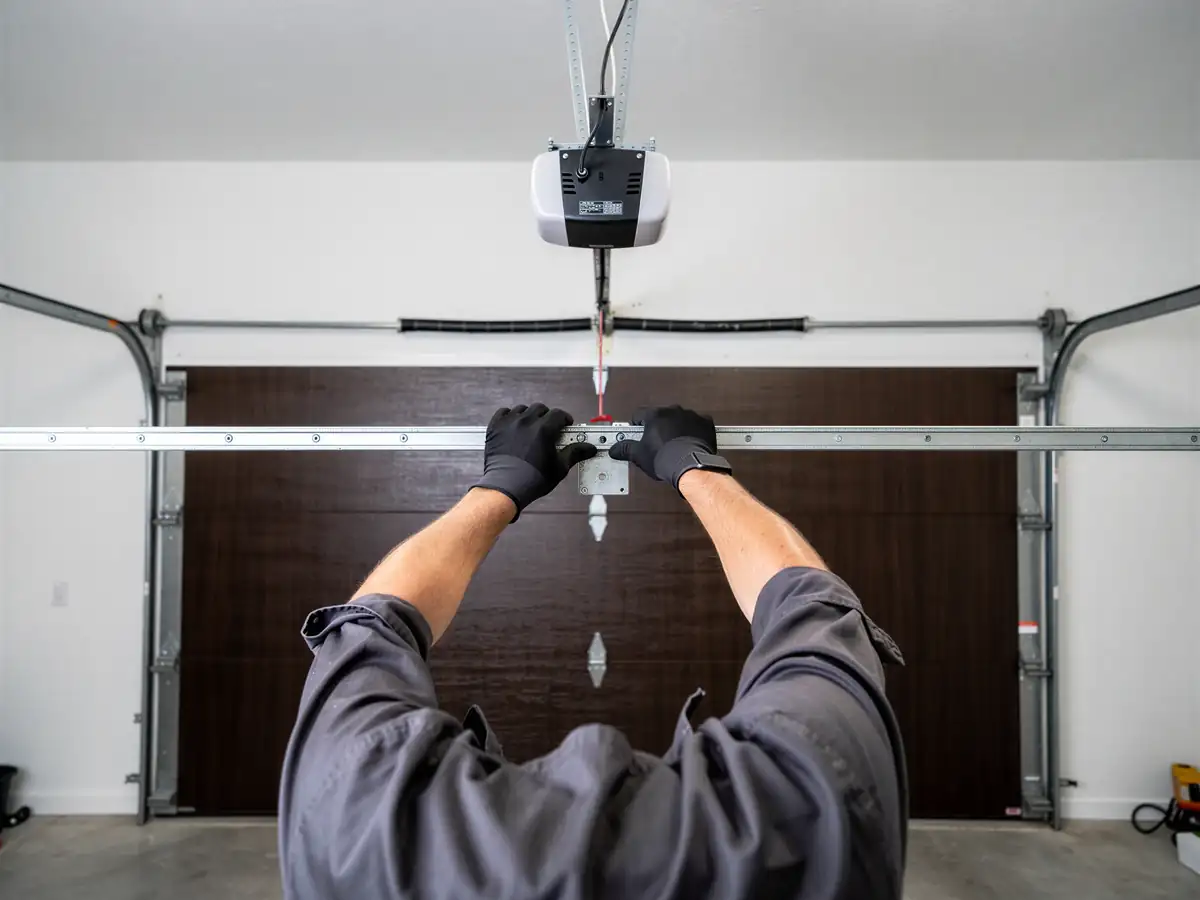
Openers are a separate story. A chain-drive opener from a later retrofit doesn't share a failure pattern with the original spring and track system, so when we're called out, we're usually looking at two different generations of hardware on the same door - which is worth knowing before you guess at the fix yourself.
Why It Happens Here
Mountain Park sits in the climate band the region shares - cold enough in winter to put real temperature swing on steel hardware, not cold enough to need the heavier-duty springs you'd spec further north. That swing is what tires out a torsion spring faster than a steady climate would: the steel contracts and expands through each cold front, and after enough winters the metal fatigues at the coil rather than snapping clean.
Paired with a door built close to the area's 1977-1979 construction window, that cold-moderate cycling is the main driver behind the spring calls we get from this part of the service area. It's not a defect in the door. It's just what 45 winters do to a part that was never meant to last forever.
The Symptom
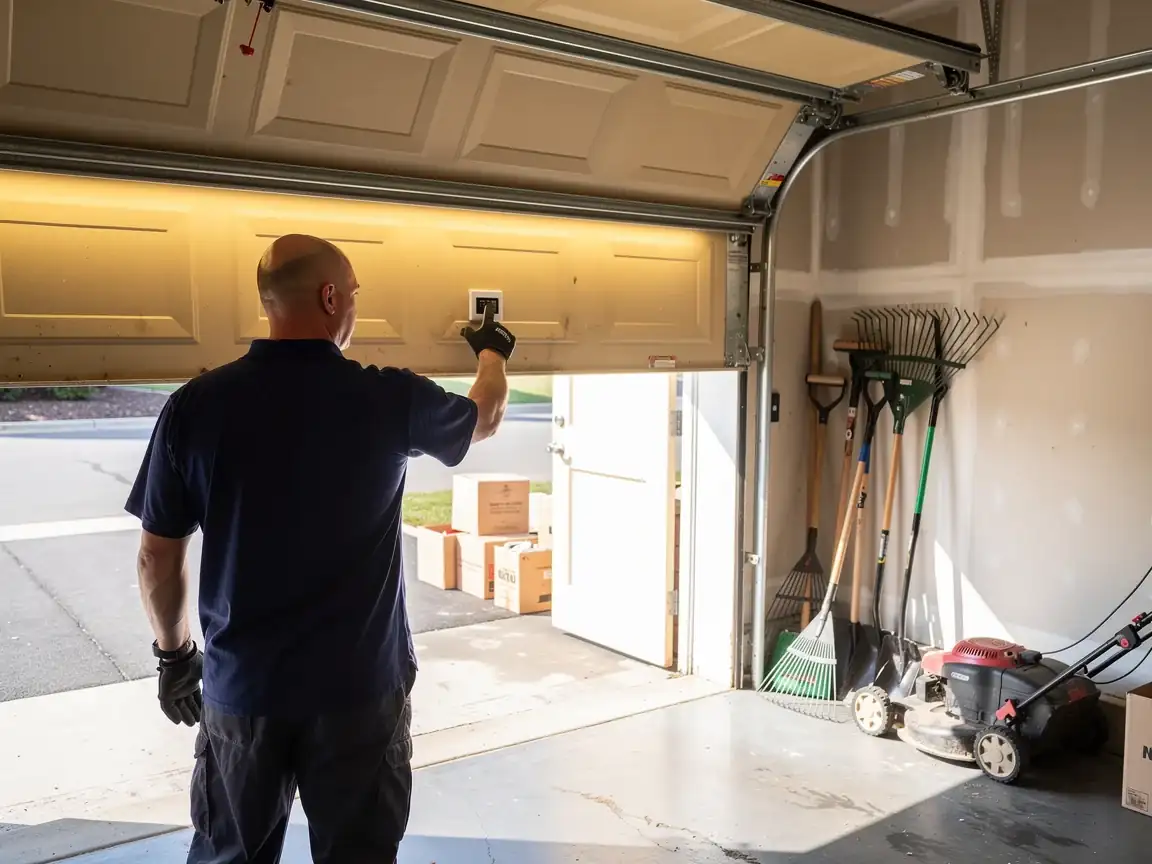
The tell we hear most from Mountain Park calls is the door hesitating partway up, especially on the first cold morning of the week - it starts to lift, stalls, and the opener motor whines before reversing. That's a spring losing its balance against the door's weight, not an opener problem, even though the opener is what's straining and making the noise.
A second version: the door lifts fine but comes down slightly crooked, catching on one side of the track near the bottom. That's usually the cable or the roller on the heavier-loaded side, worn from the same decades of cycling as the rest of the hardware. Either symptom is worth a look before the door stops moving altogether - at that point it's often a bigger job than a single part.