Booking a Visit
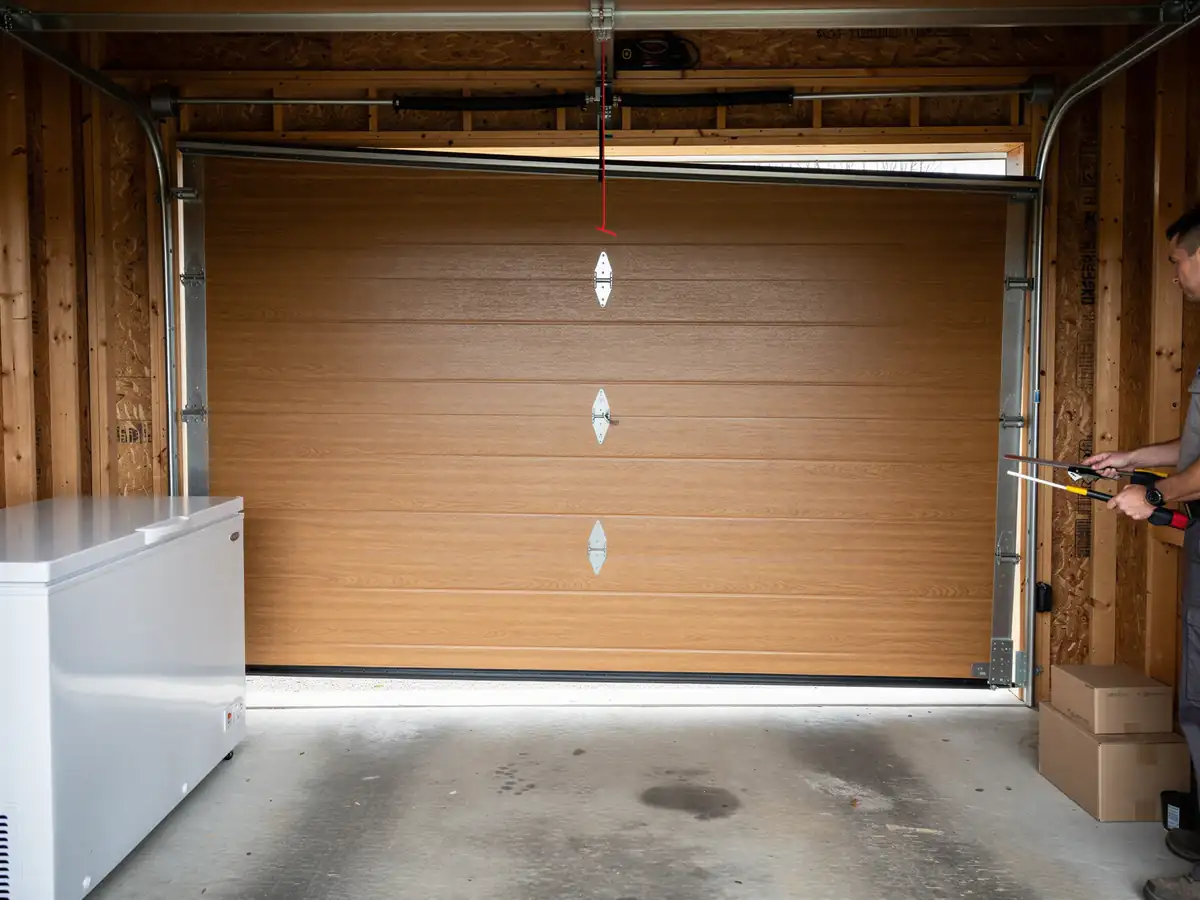
At a median household income of $68,900, Belvedere Park sits below the wider service area's $73,075 figure, and that gap matters more than it sounds. On a door built when this neighborhood was new, a $200 maintenance call that re-balances springs and lubricates tracks is the difference between a door that runs another decade and one that needs a full replacement at several times the cost. We don't carry a branch in Belvedere Park - we run the 13 miles from Norcross for every visit, so we book maintenance stops in blocks rather than same-day drop-ins. If your opener is starting to strain or your door is heavier to lift by hand than it used to be, that's the window to call before it becomes a spring failure. You can see the full list of what a service visit covers on the Belvedere Park service page, and if you're weighing maintenance against a repair that's already due, the Norcross maintenance overview lays out how we price the two differently.
We schedule around the drive, which means we ask for a wider arrival window here than for stops closer to the shop. That's a real tradeoff, not a sales line - plan for it.
Stocked Parts
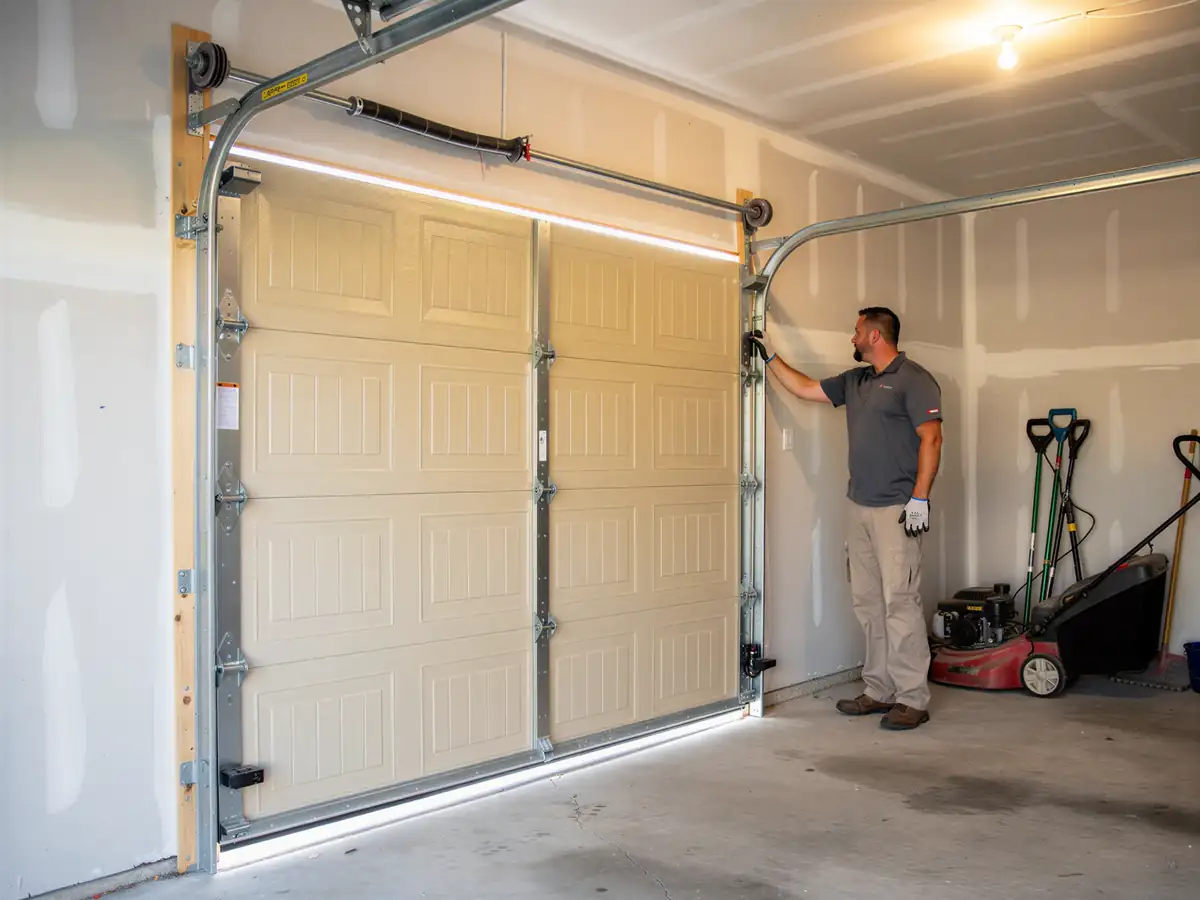
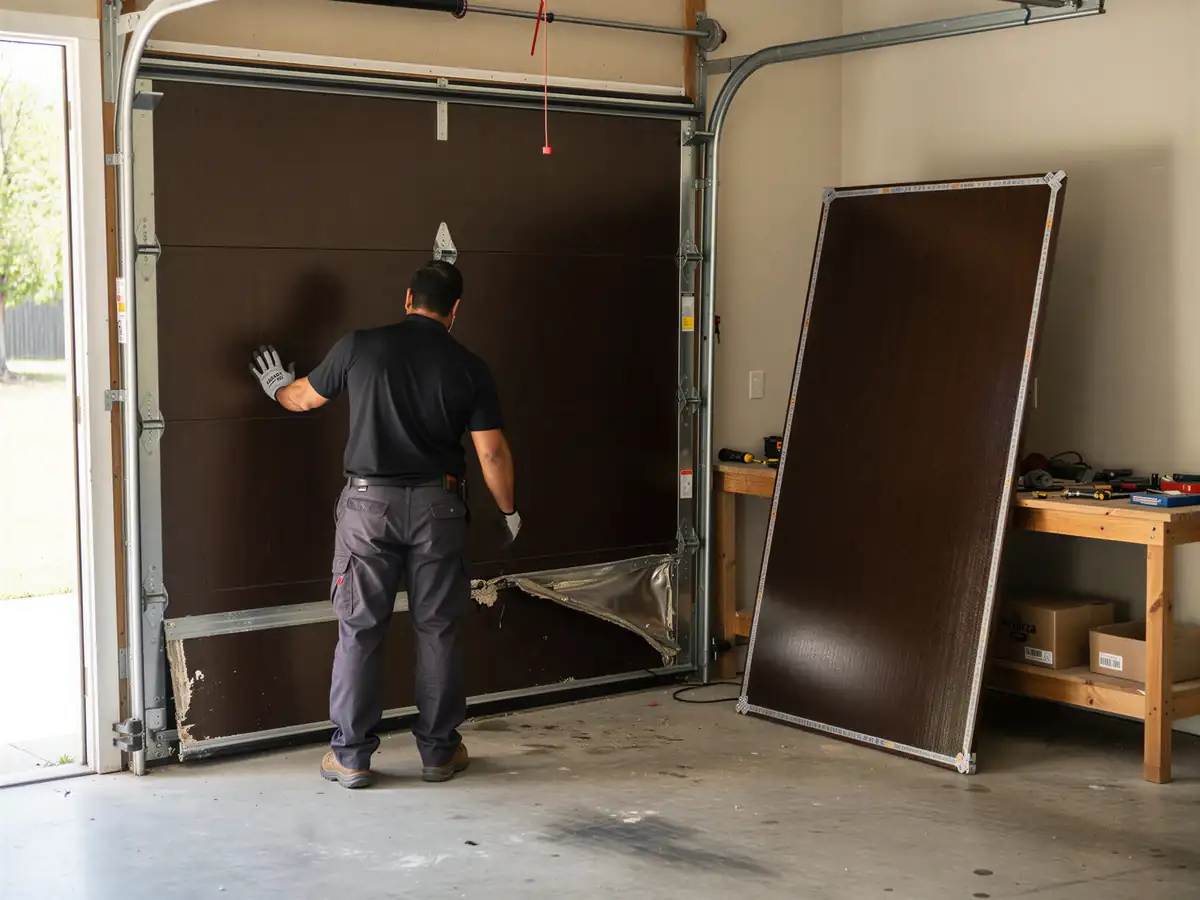
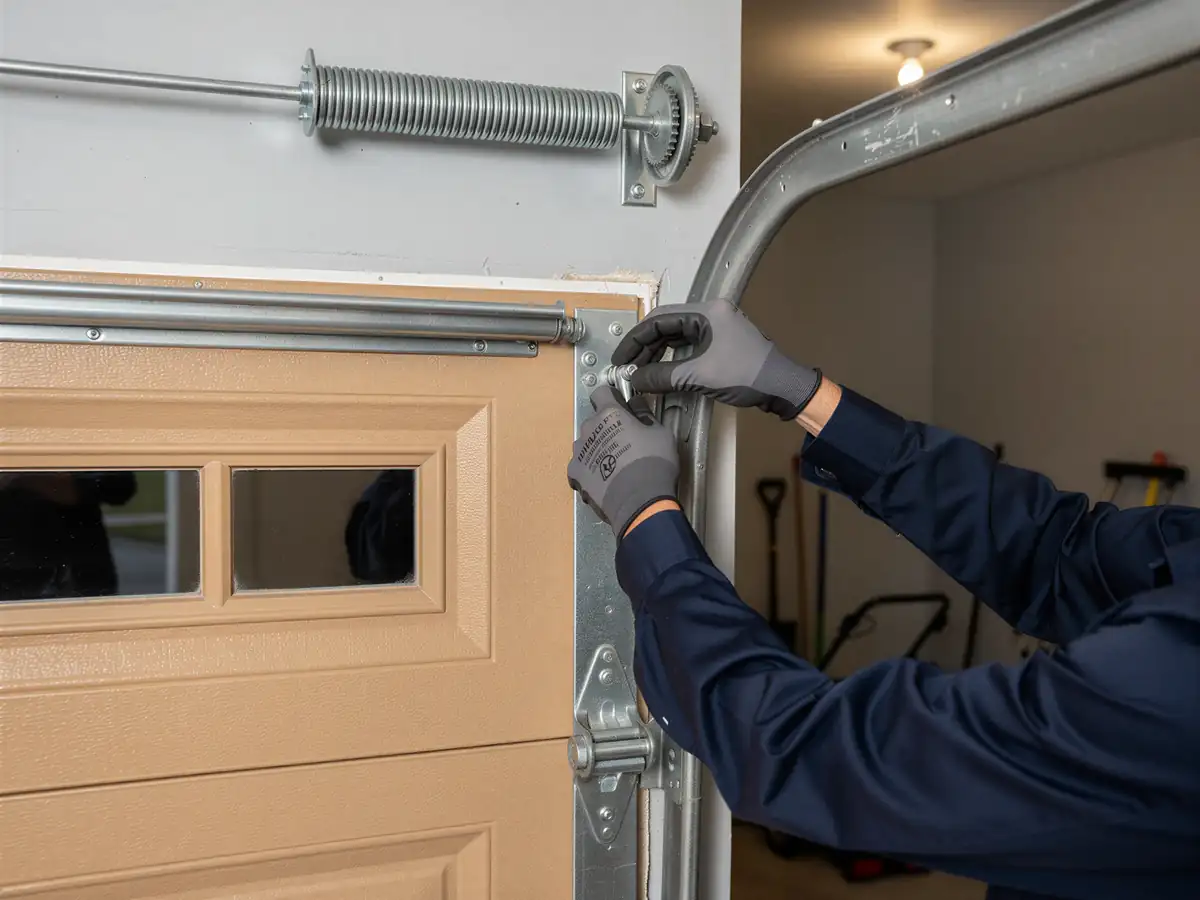
Most houses in this part of the service area, Belvedere Park included, went up in the 1960s and 70s, and the median year built here lands around 1961. That means a lot of doors on torsion springs sized for lighter, single-layer steel panels than what's sold today, with drums and end bearing plates that newer universal kits don't always match cleanly. We stock the standard wind sizes that cover this era's doors, along with rollers and galvanized cable in the gauges these openers were built around. What we don't stock is anything custom-cut - a nonstandard track height or a panel from a builder that's been out of business for decades. If your door falls into that category, we'll tell you on the visit rather than force a part that won't seat right.
The Symptom
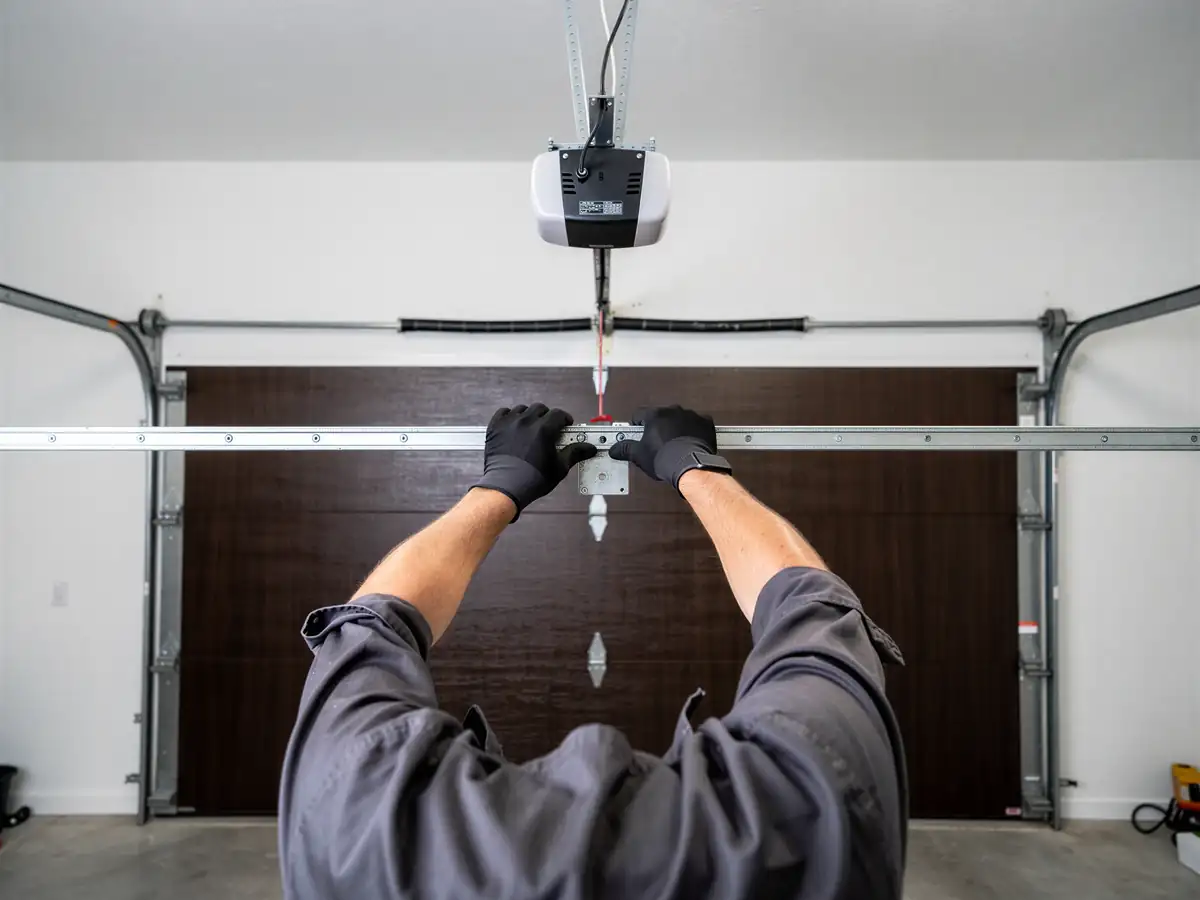
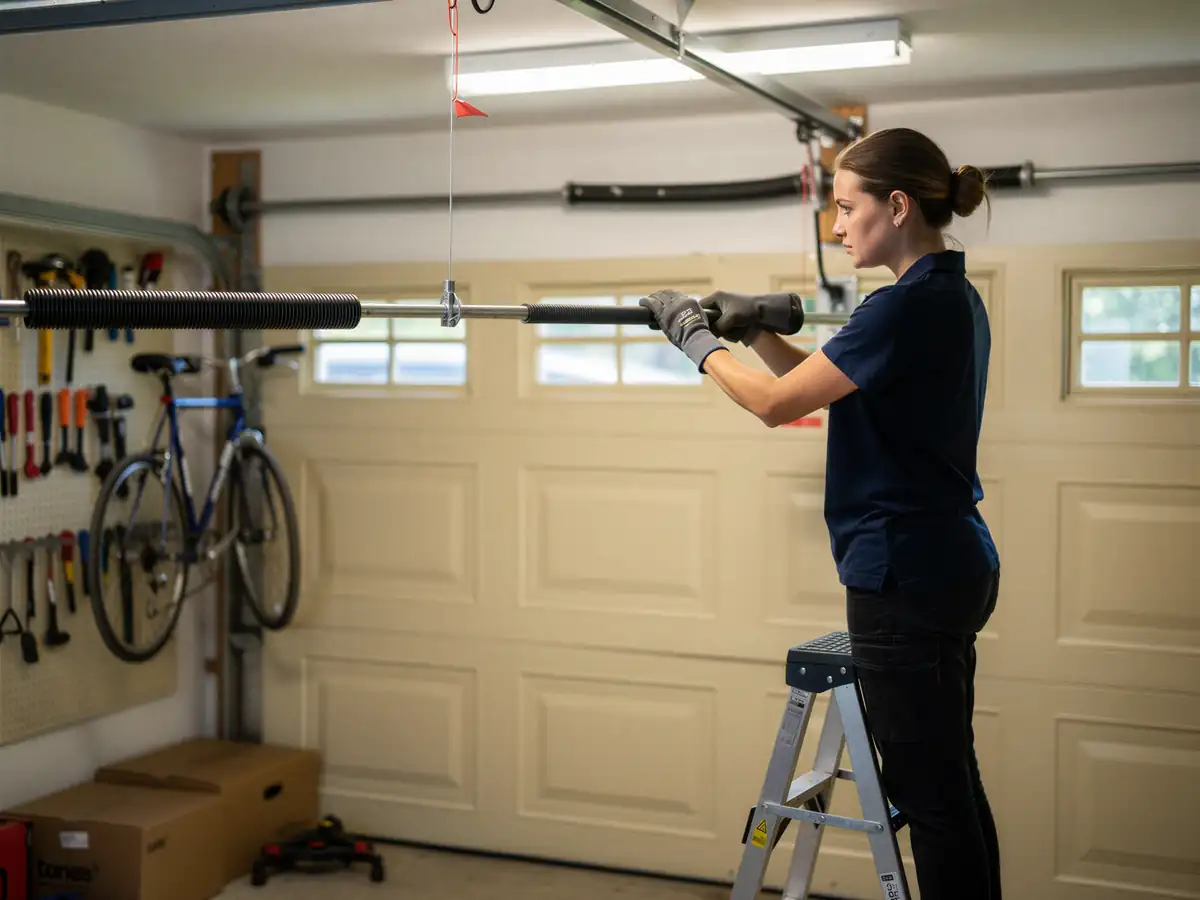
The complaint we hear most from this stretch of houses is the door that jerks partway up, pauses, then finishes the lift - or won't finish at all. On a door this old, that's almost always a spring that's lost tension gradually, not snapped outright, so the opener is doing more of the lifting than it's rated for. Left alone, it accelerates wear on the opener's gears and belt, which turns a spring adjustment into a spring-and-opener job. A second common one is a door that's noticeably noisier than it used to be - dry rollers on steel track, not a structural problem, but one that gets worse with every cold snap this region's moderate-but-real winters bring.
The DIY Question
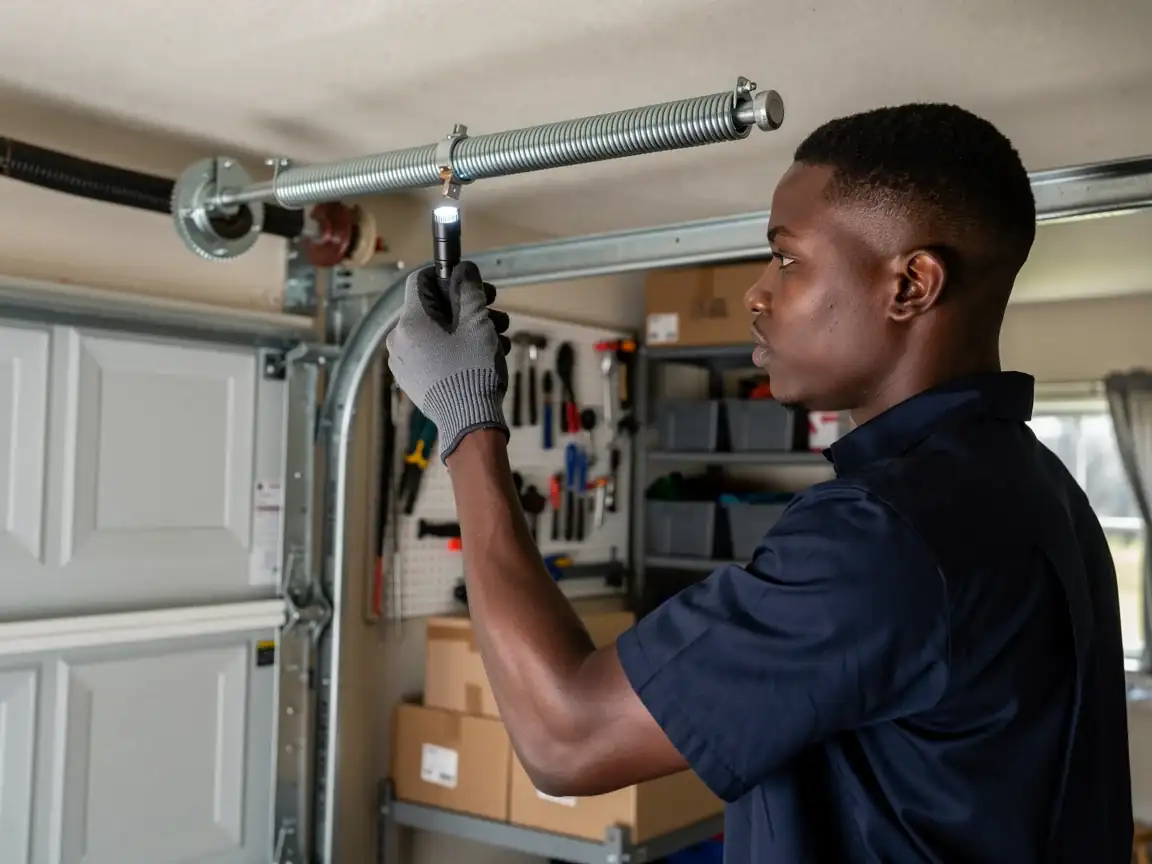
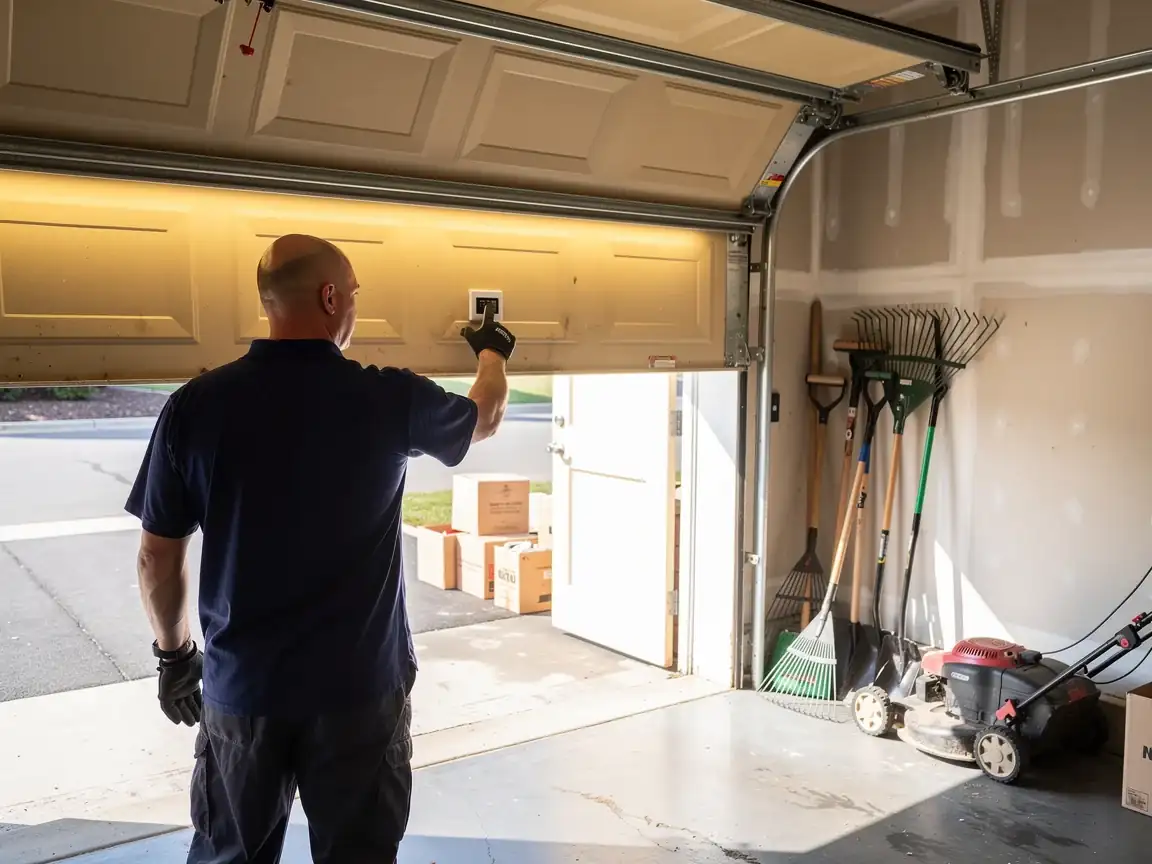
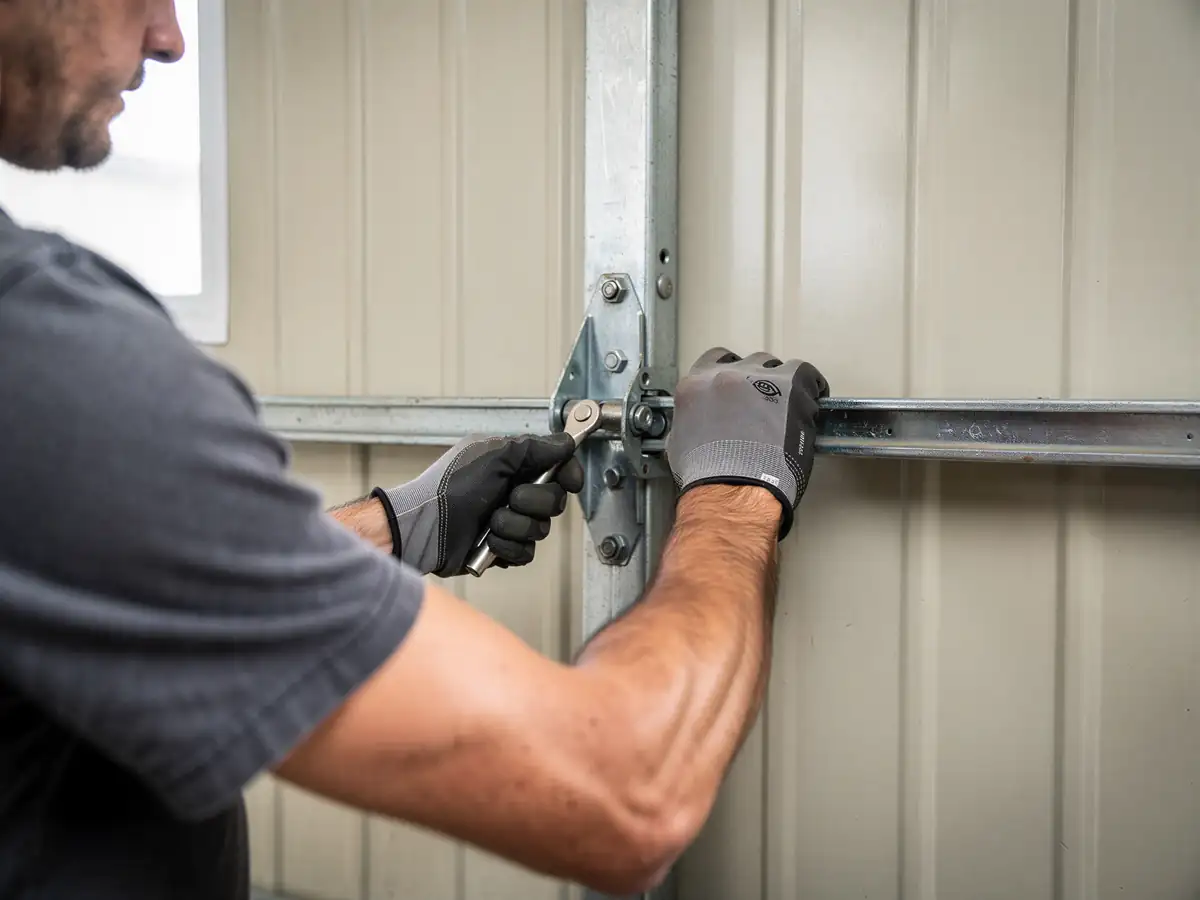
Lubricating hinges and rollers with a garage-door-specific lubricant is reasonable to do yourself, and it's one of the few things that actually extends the life of hardware this age. Adjusting spring tension is not - on a torsion system, the spring is under enough stored force to cause a serious injury if the winding cone slips, and that risk doesn't go down because the door is older or the house is modest. Checking the opener's auto-reverse by placing a 2x4 flat on the ground under the door and seeing if it stops and reverses on contact is safe and worth doing twice a year. If that test fails, that's a call, not a weekend project.