Booking a Visit
Belvedere Park sits about 13 miles out from our Norcross shop, so when you call, we're scheduling a drive, not dispatching from around the corner. That means we ask a few more questions up front - what the door sounds like, whether it's stuck open or closed, whether one side is sagging lower than the other - so the truck that shows up has the right spring and hardware for a house of this age already loaded. We don't keep a branch or a drop box in Belvedere Park itself; every job here is routed out of the main shop. If you need same-day attention, say so when you call and we'll tell you honestly whether that's realistic for the day, rather than promise a window we can't hit from 13 miles away. For anything that isn't urgent, we'll find a slot that works around your schedule instead of ours. You can also start with our general service page for the area before booking a specific repair.
Stocked Parts
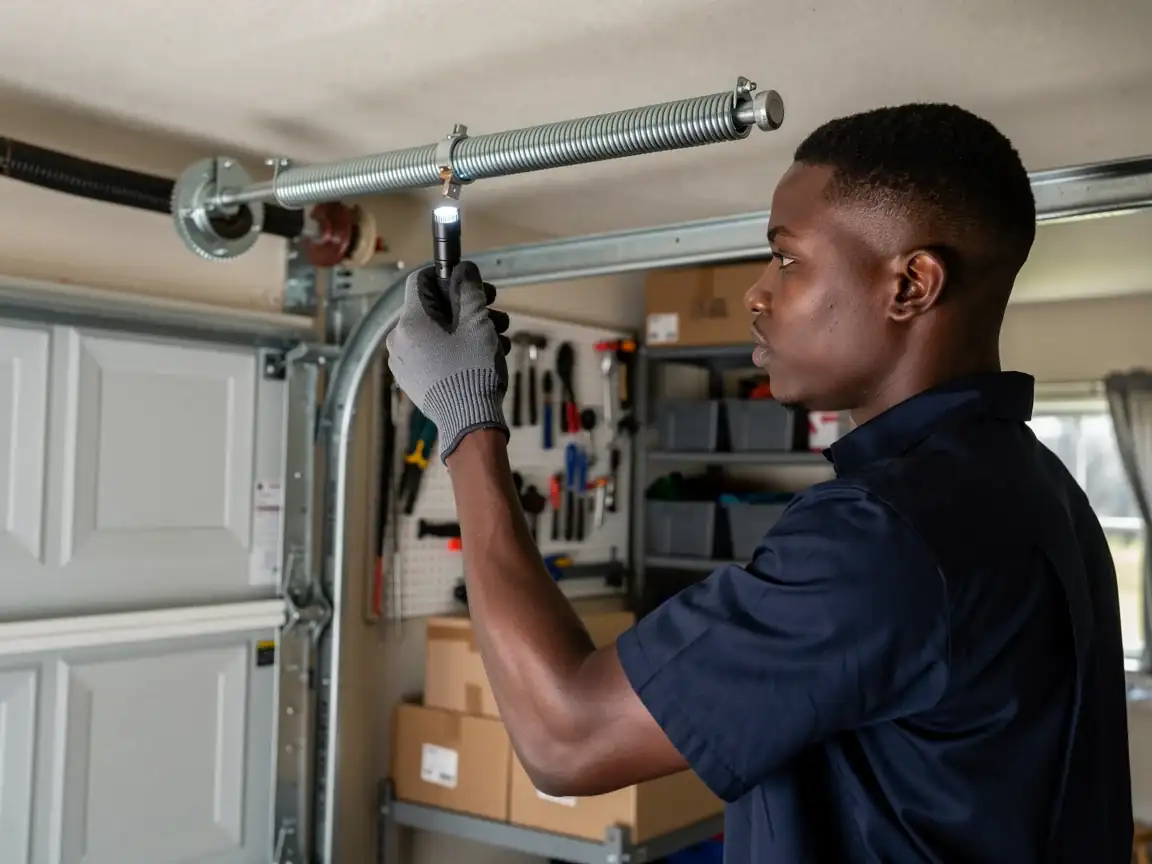
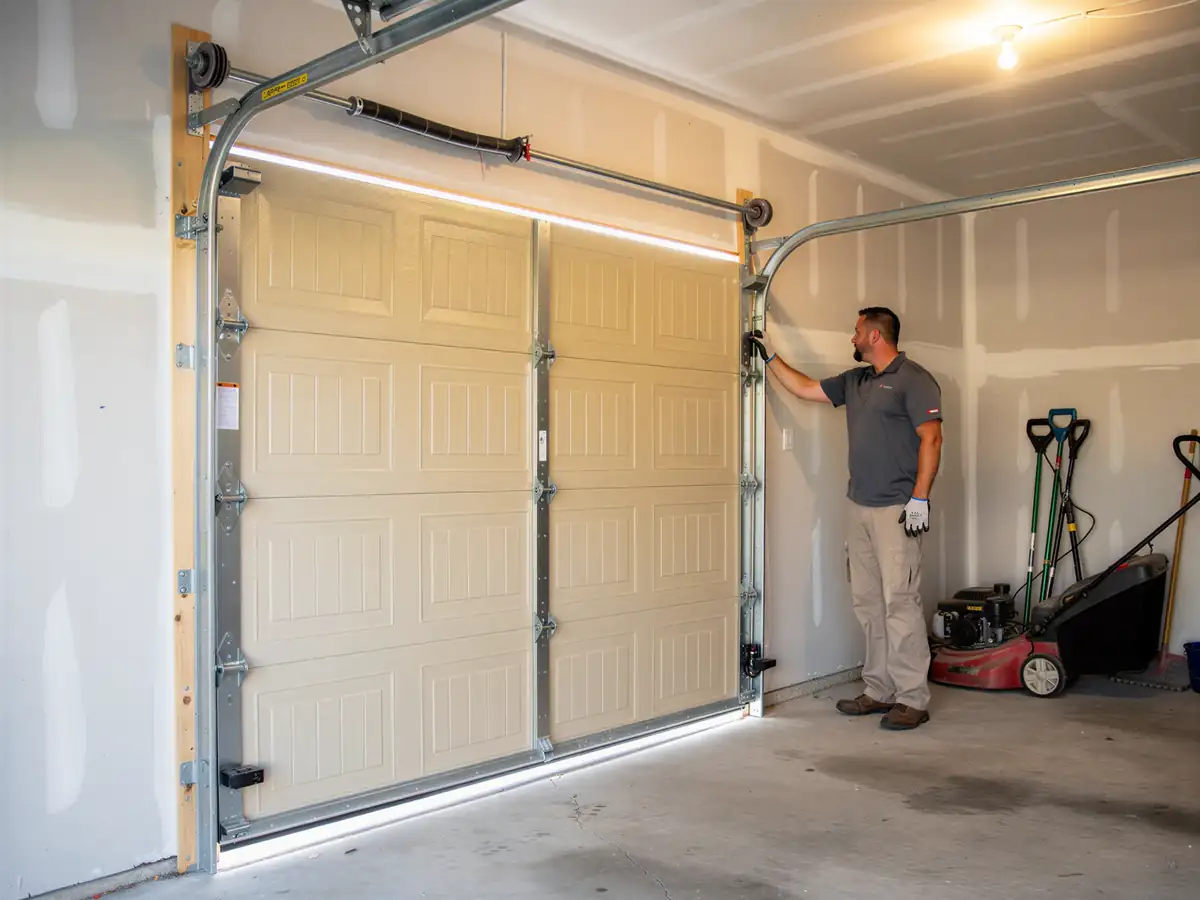
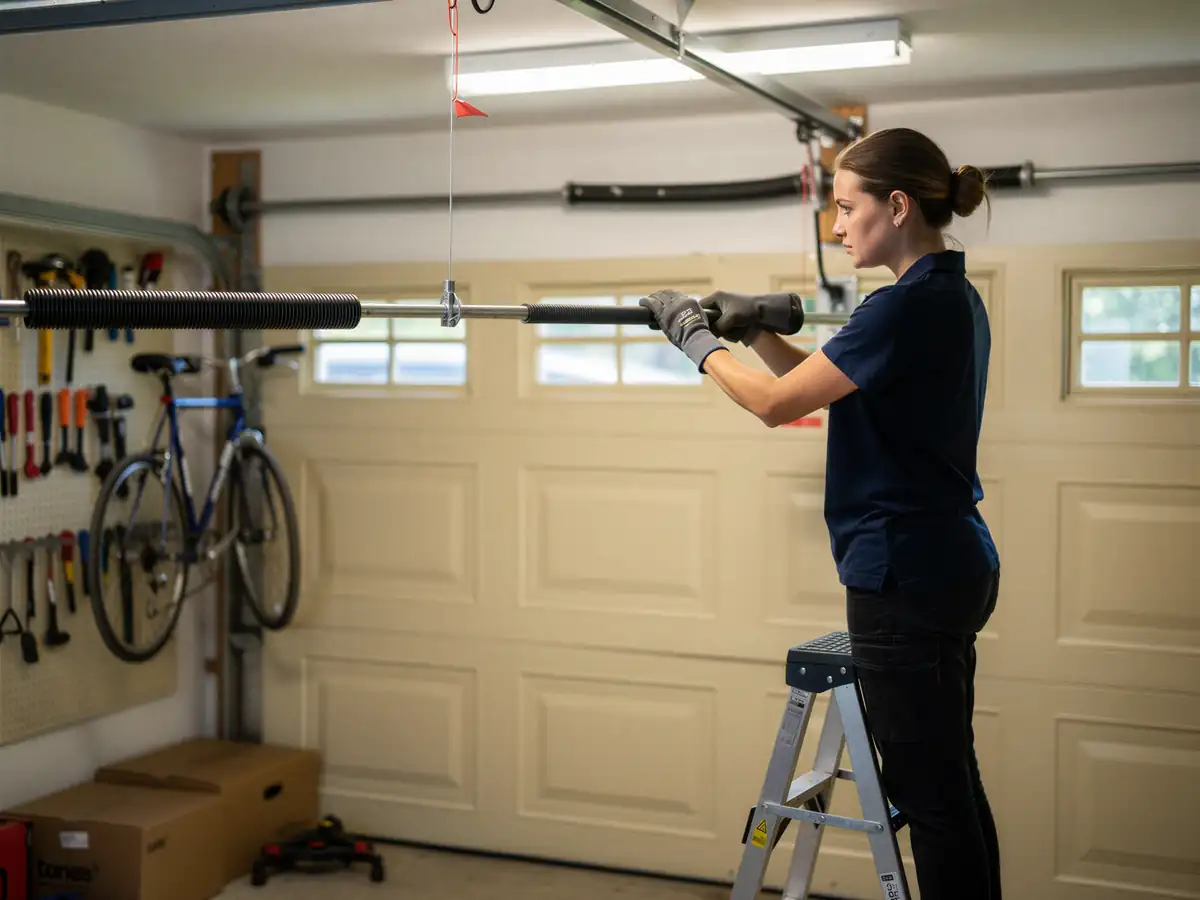
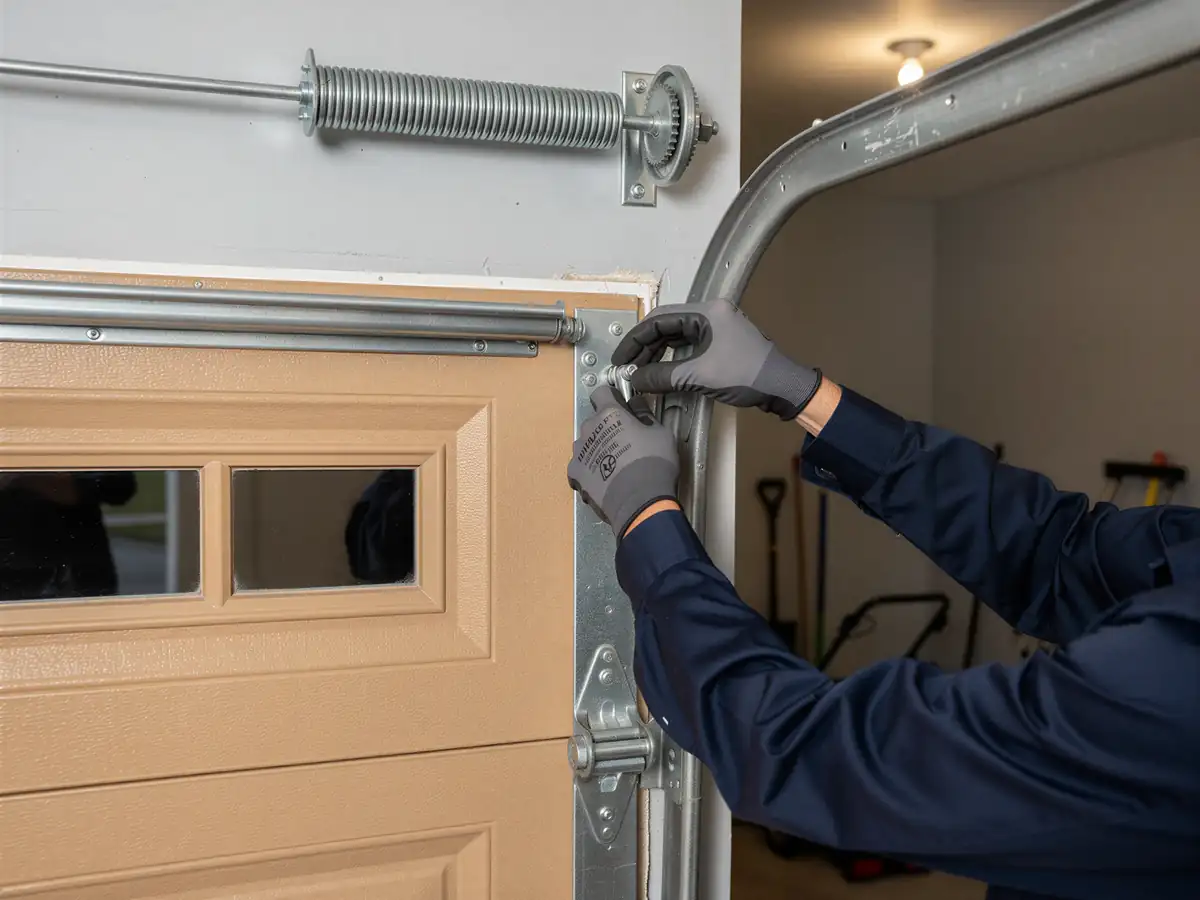
With a median build year of 1961, a lot of the garage doors still standing in Belvedere Park are sectional steel doors running on extension springs mounted above the horizontal tracks, not the torsion-on-a-shaft setup that became standard decades later. We carry extension springs in the common lengths and gauges for that generation of door, along with the safety cables that should run through them - a lot of older installs never got the cable added when it became recommended, and we'll point that out if we find it missing. We also stock standard rollers, center and end hinges, and the flat 1/8-inch lift cables that wear through first on doors this old. What we don't carry on the truck is replacement torsion springs sized for doors installed after a later torsion conversion - if a prior owner already swapped the hardware, we may need a day to source the right size rather than hand you something close enough.
The Symptom
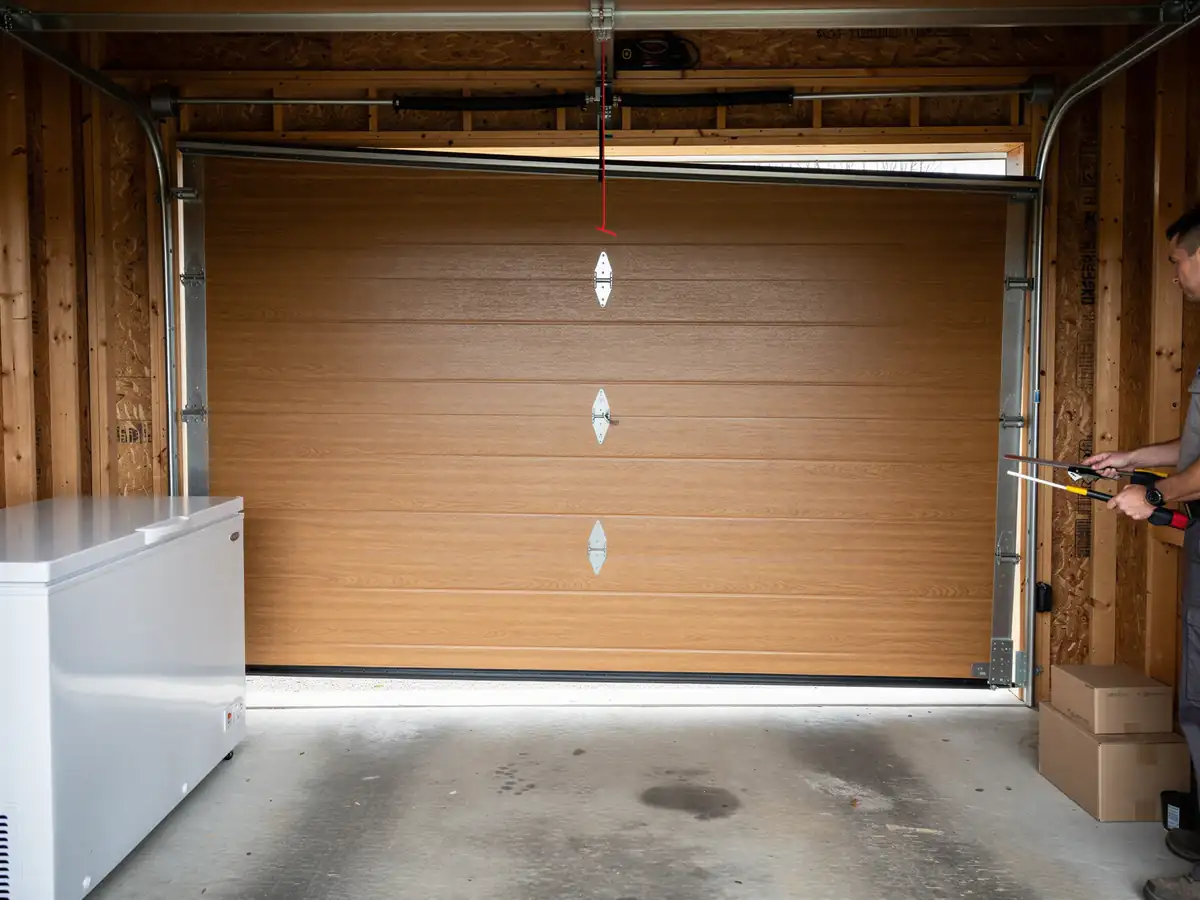
The complaint we hear most from this stretch of houses is a door that's noticeably heavier on one side when lifted by hand, or one that reverses itself partway up. On a door built with the original 1960s extension-spring layout, that's almost always one spring that's stretched out or snapped while its partner is still holding - the door fights itself instead of lifting evenly. It's different from the symptom on a newer torsion door, where an uneven lift usually points to a broken torsion spring on the shaft itself. Knowing which hardware is actually on the door before troubleshooting saves a wasted trip and a wrong part.
The DIY Question
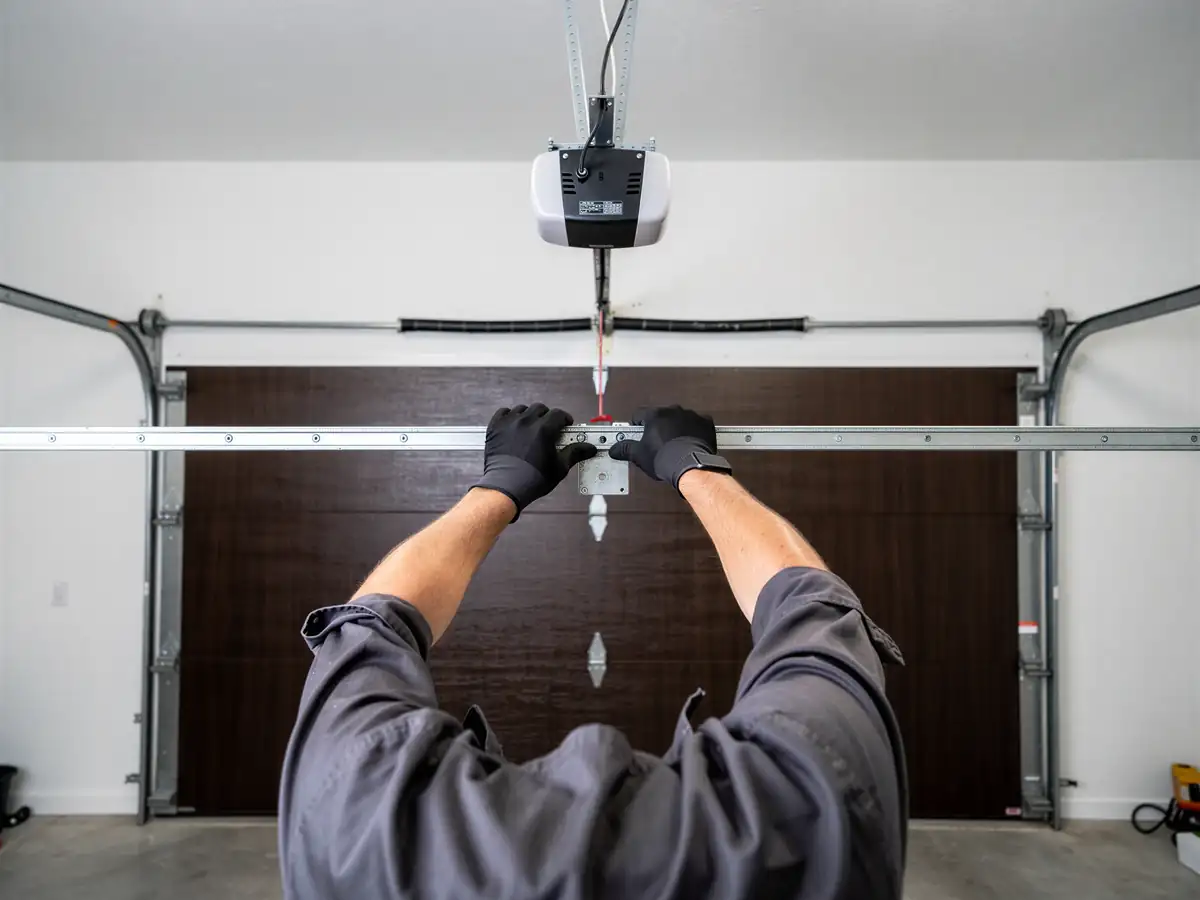
Extension springs are under less tension than torsion springs, which is part of why doors from this era were built with them, but that doesn't make them safe to swap yourself. A spring under load that lets go while you're adjusting it can put a cable or the spring itself across the garage at speed. Rollers, hinges, and weatherstripping are reasonable owner jobs. Springs, cables, and anything that means removing tension from the system are not, regardless of how old or simple the hardware looks. If you're not sure which category your fix falls into, that's a fair question to ask on the call before you start.