How Long You Are Without the Door
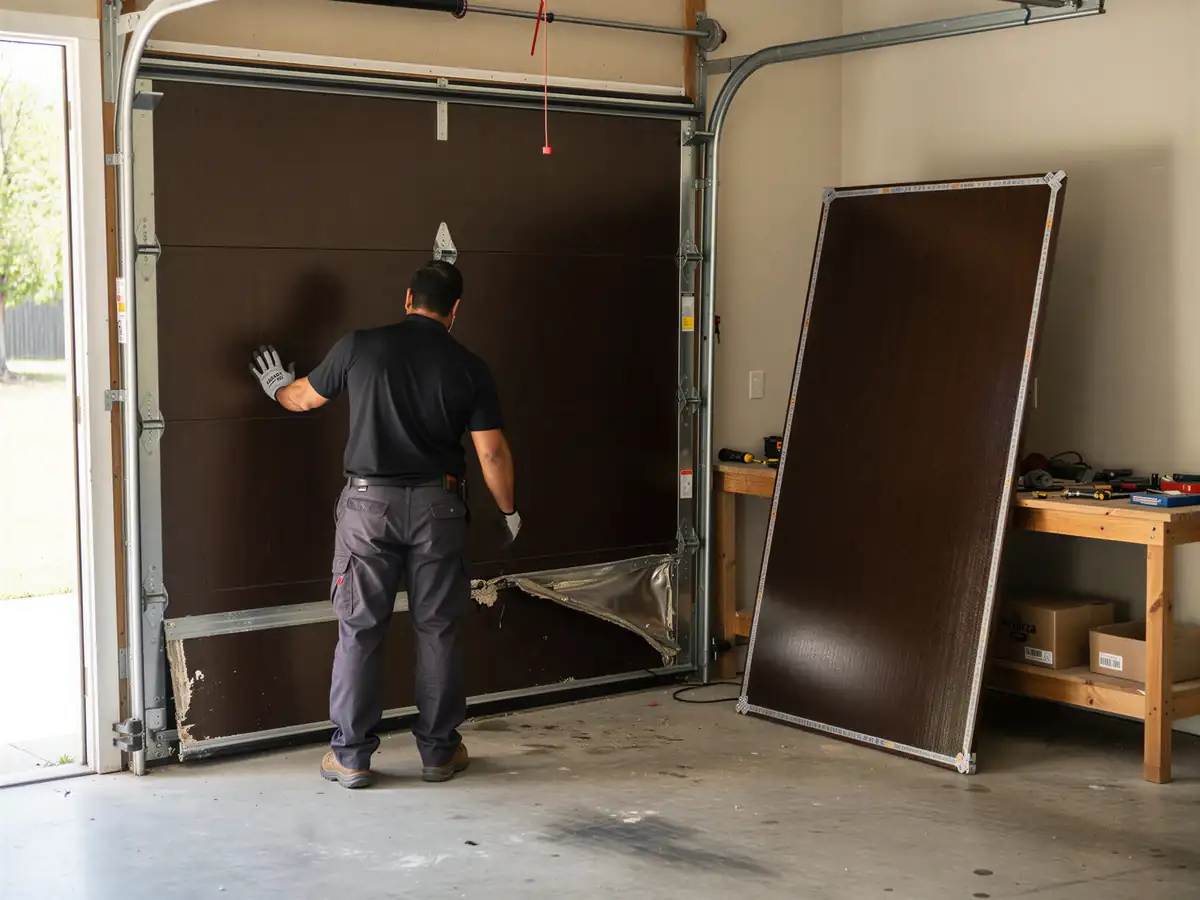
We run this job out of Norcross, about 17 miles from Gresham Park, so the first thing to settle is timing, not promises. A single-panel swap on a steel door usually means one visit once the panel is in hand - the truck doesn't come twice unless the match has to be special-ordered because your door is an older style nobody stocks locally anymore. With roughly 3,001 households in Gresham Park, most sitting on doors from the same build era, it's common for a panel order to take a few extra days simply because the original run isn't a current catalog item. We'll tell you on the phone whether your door is a stock match or a hunt before we quote a date, not after.
The Symptom
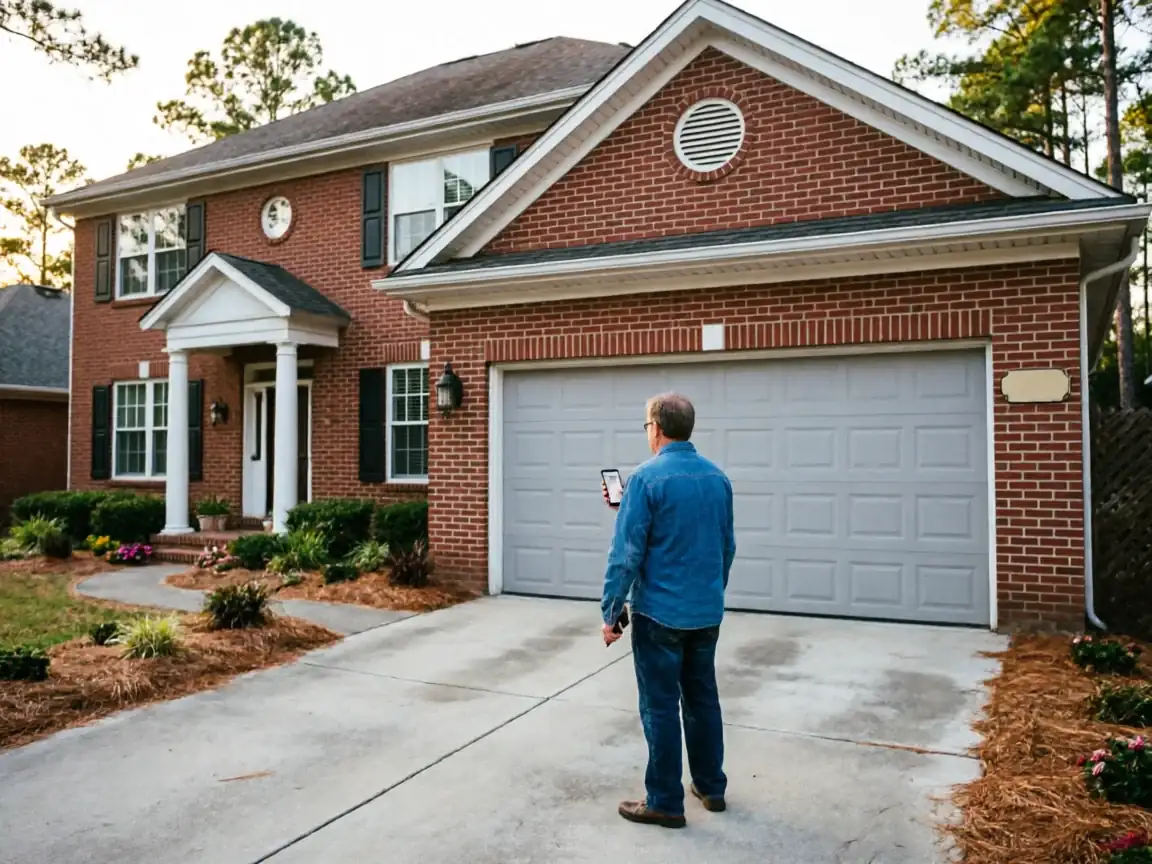
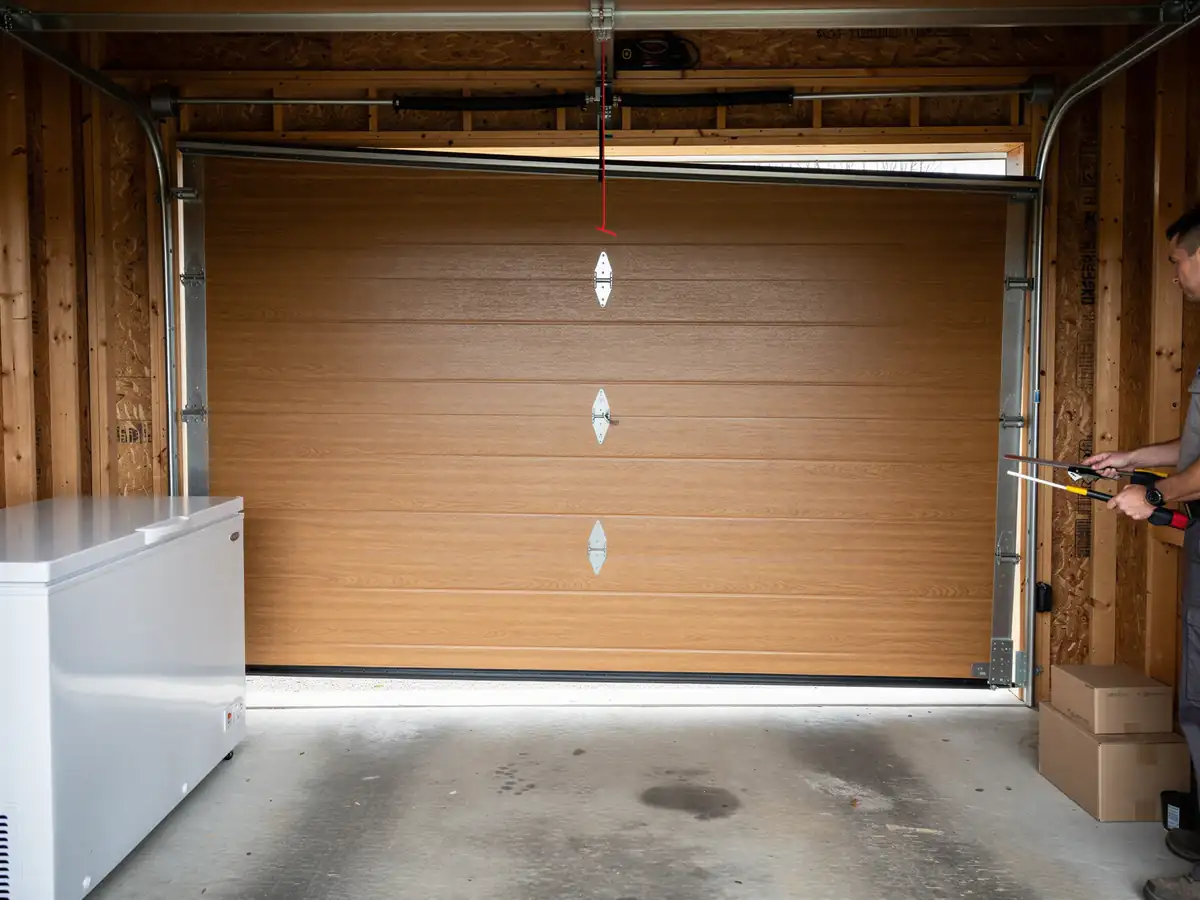
On a house built around 1967, the usual complaint isn't the whole door failing - it's one panel. A car bumper catches the bottom section, or thirty-some years of weather finally rusts a seam through on a steel door that's been fine everywhere else. You get a door that still opens and closes but binds on the track at that one panel, or a visible crease that's started pulling the hinge loose. The rest of the door - springs, opener, track - is often original or close to it, which matters when we're pricing the fix, because replacing one bent panel on hardware that old sometimes exposes a second problem once we're in there.
What Can Go Wrong
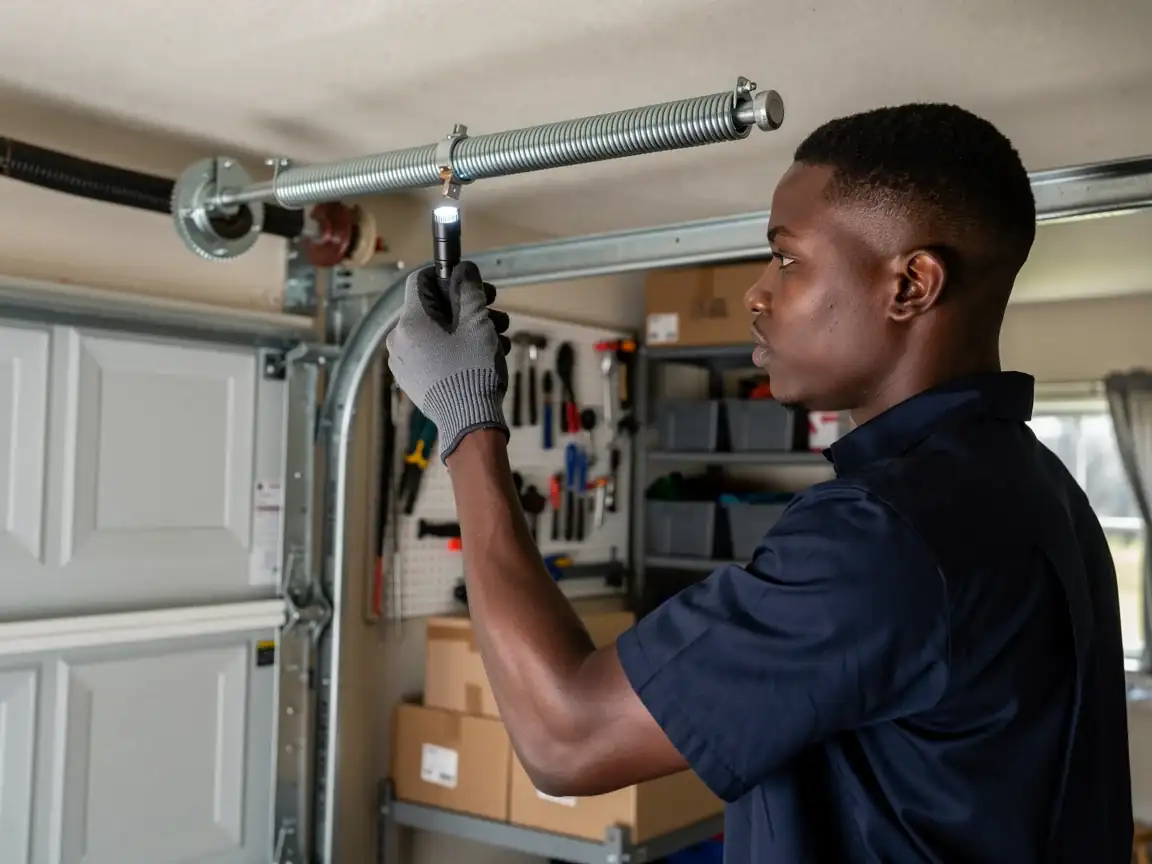
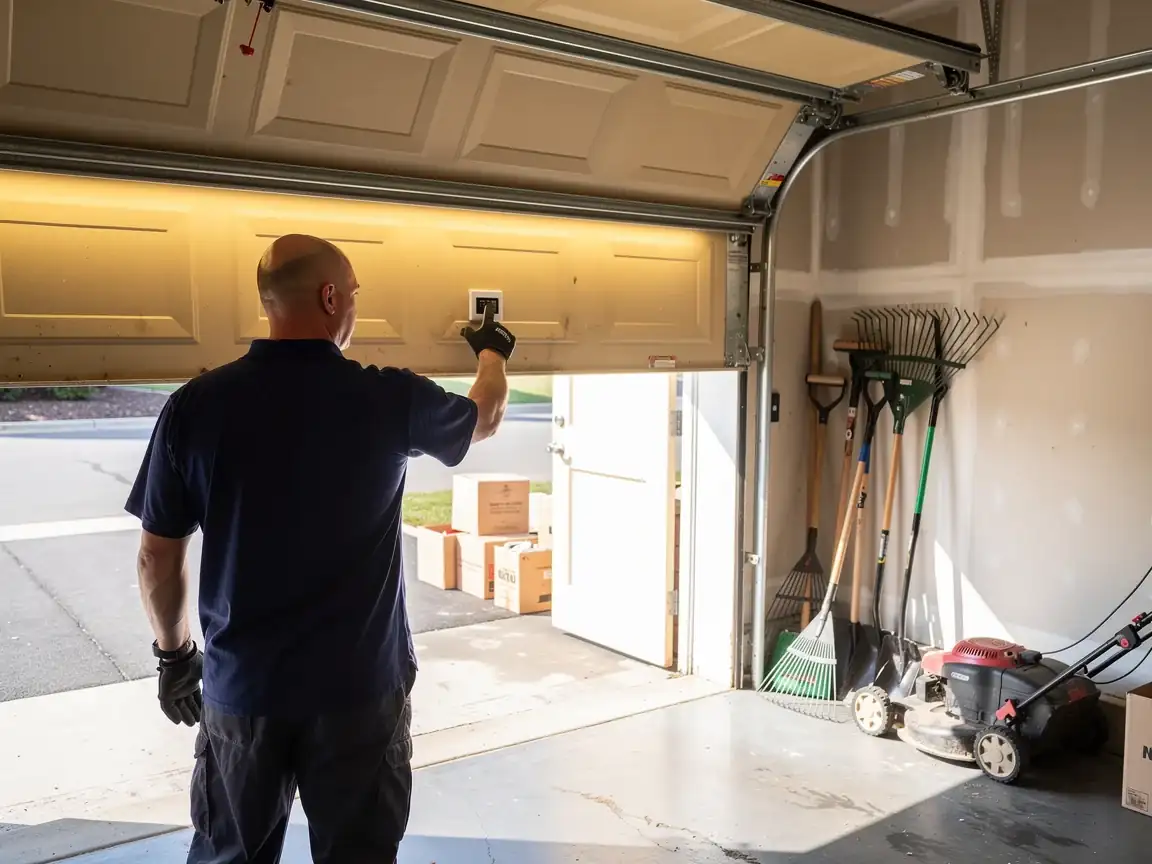
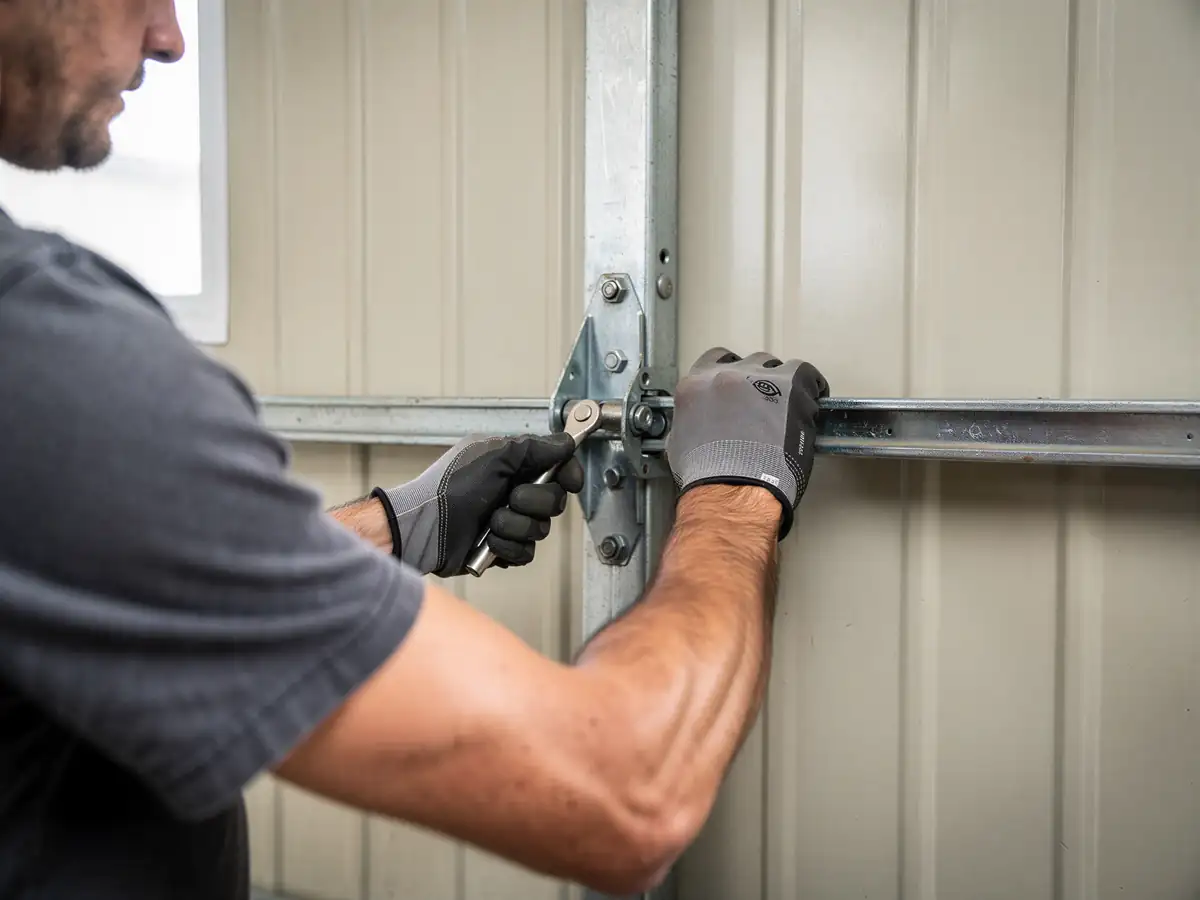
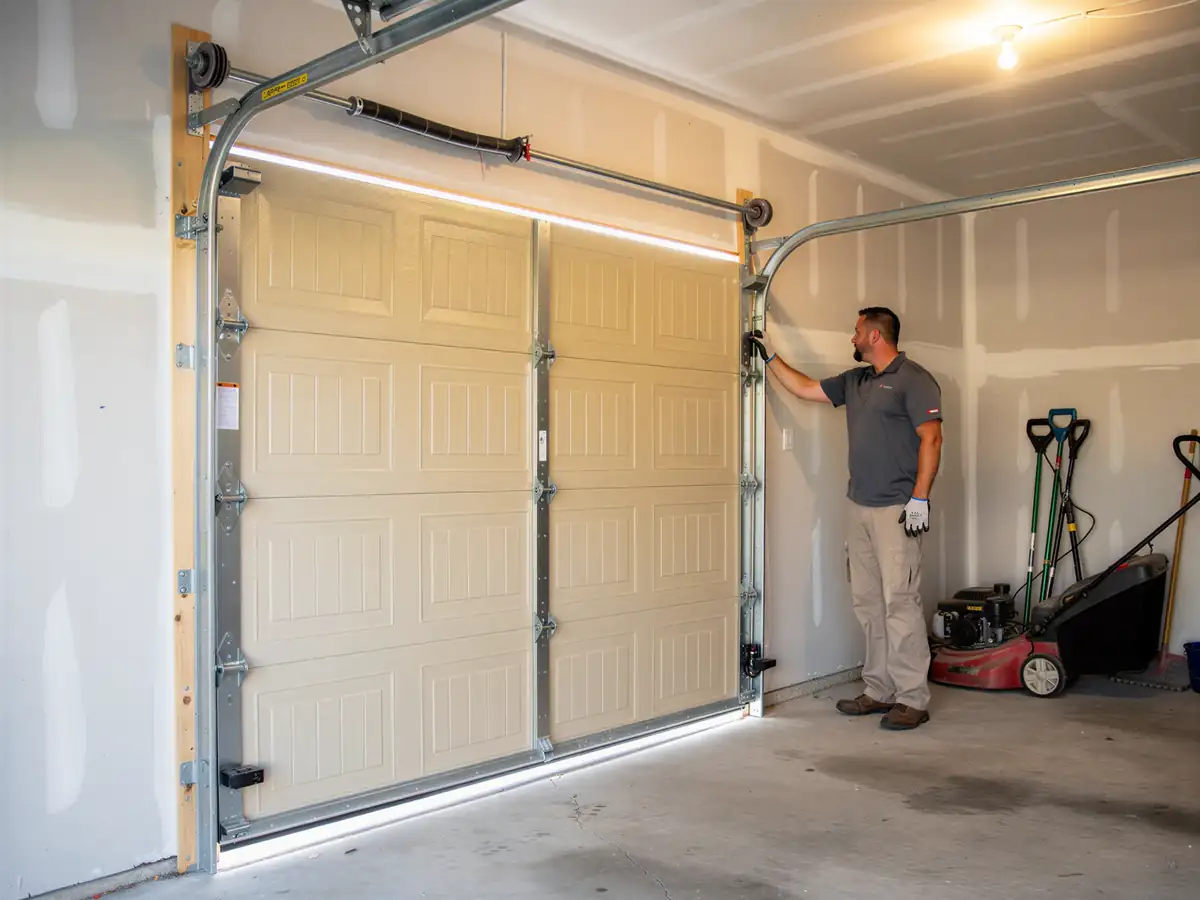
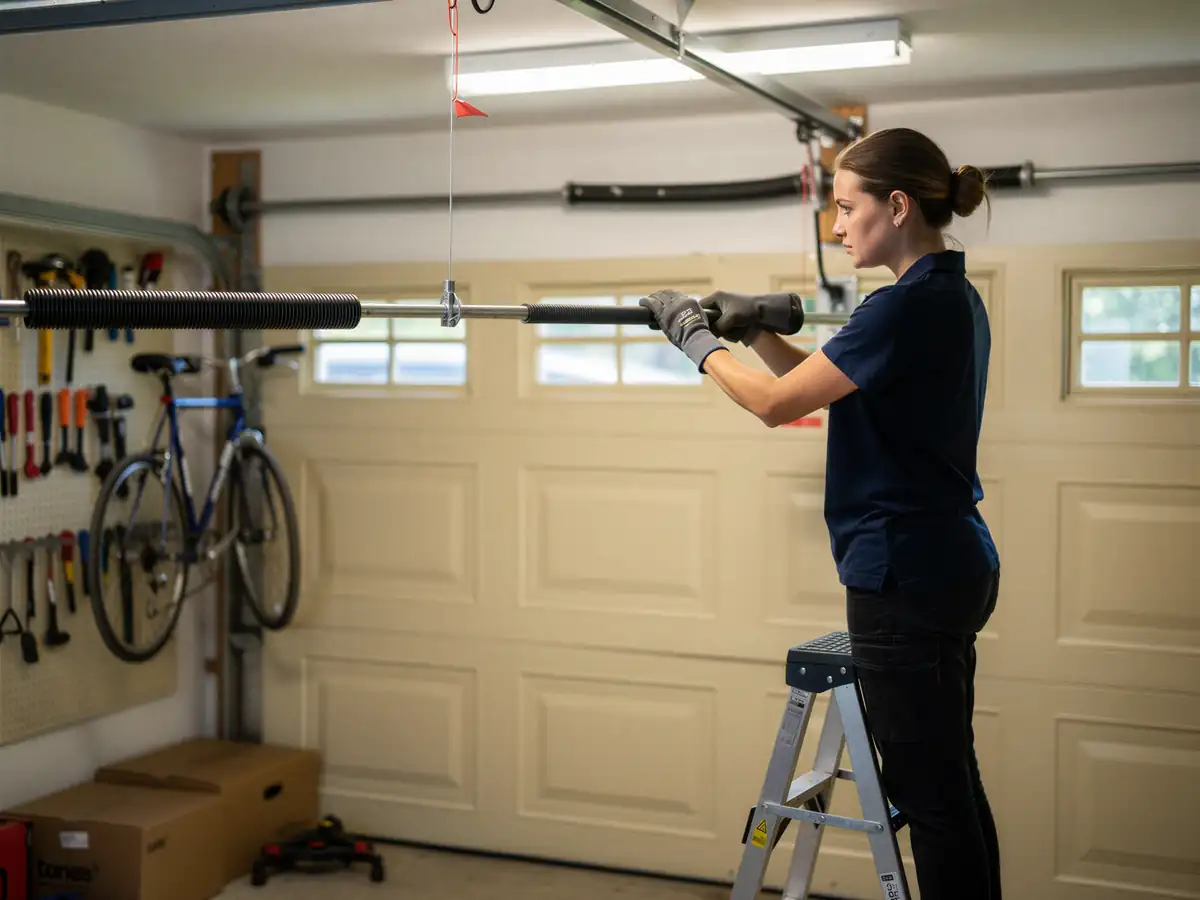
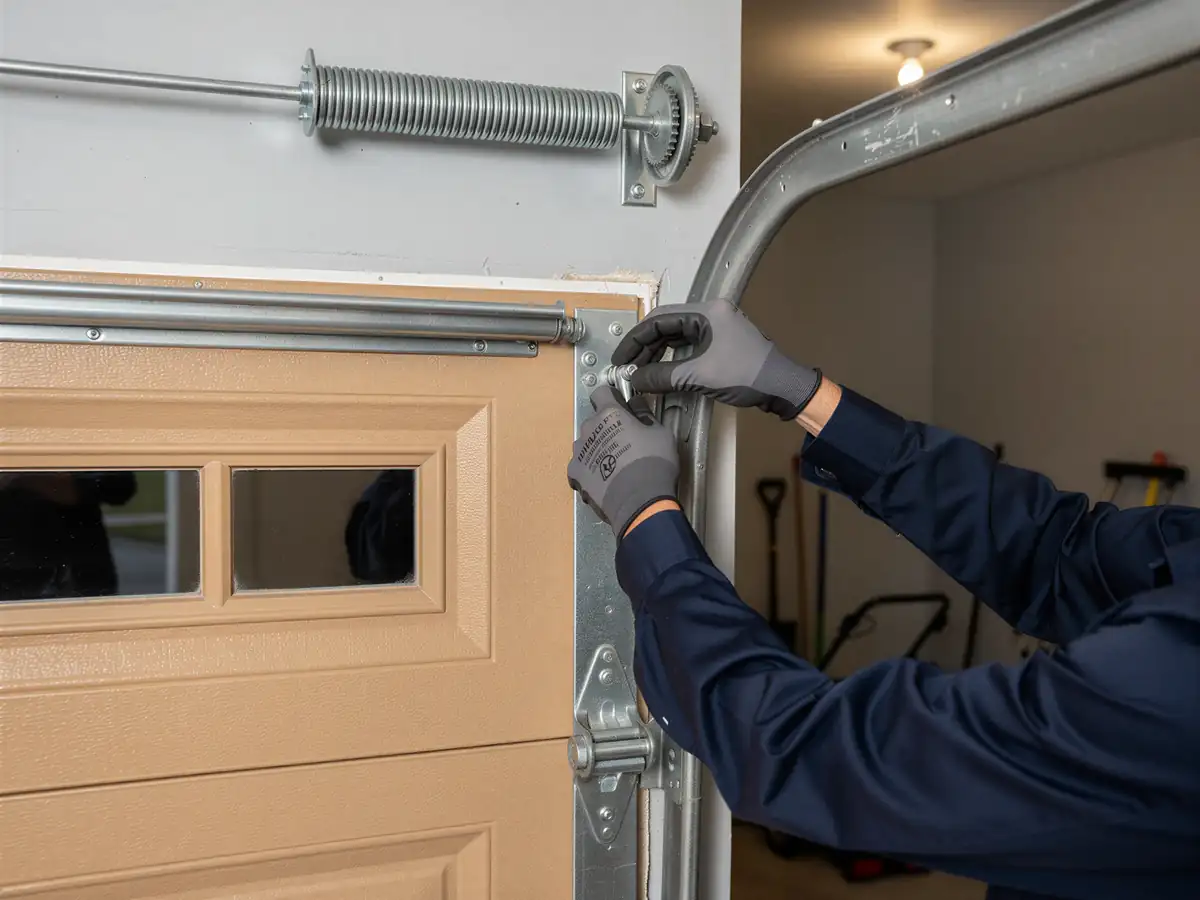
The panel is rarely the only issue on a door this age. Steel panels from the 1960s-70s stock common across this part of the service area were hung on hardware that's now 50-plus years old in some cases - rollers worn oval, hinges stretched, track bent from the same impact that creased the panel. Swap the panel alone and ignore a bent hinge, and the new section binds just like the old one did within a few months. We check the adjoining hinges, rollers, and track alignment before we call a panel job finished, because a clean panel on bad hardware is a callback waiting to happen.
Why It Happens Here
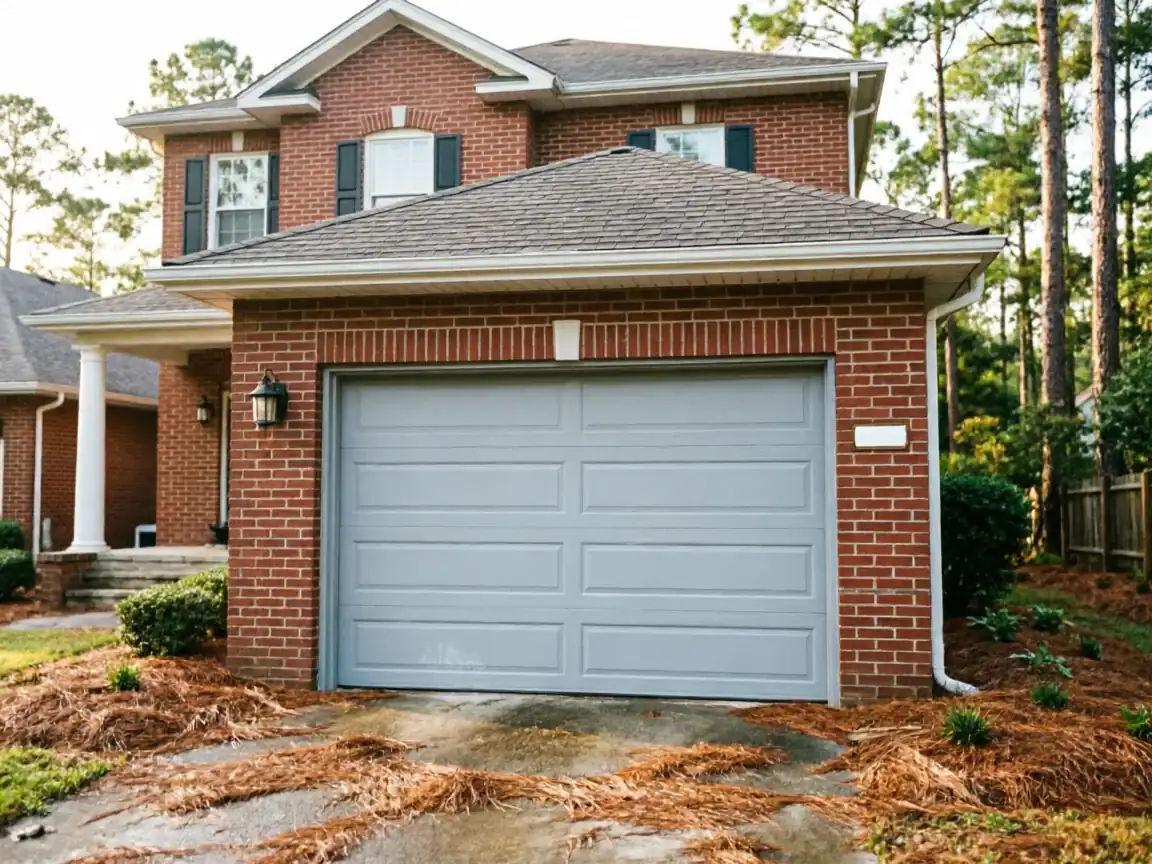
Housing in this part of the service area runs from 1951 into the 2010s, with most of it concentrated in the 1960s and '70s across the 18 communities we cover - Gresham Park's median build year of 1967 sits right in that band. Doors from that era are almost always steel, single-skin, with no insulation layer, which means the metal moves more with temperature swings than a modern door does. In a cold-moderate climate zone, that seasonal flex is what eventually fatigues a seam or pops a panel loose at the hinge line, especially on a door that's taken even one solid impact over five decades.