How Long You Are Without the Door
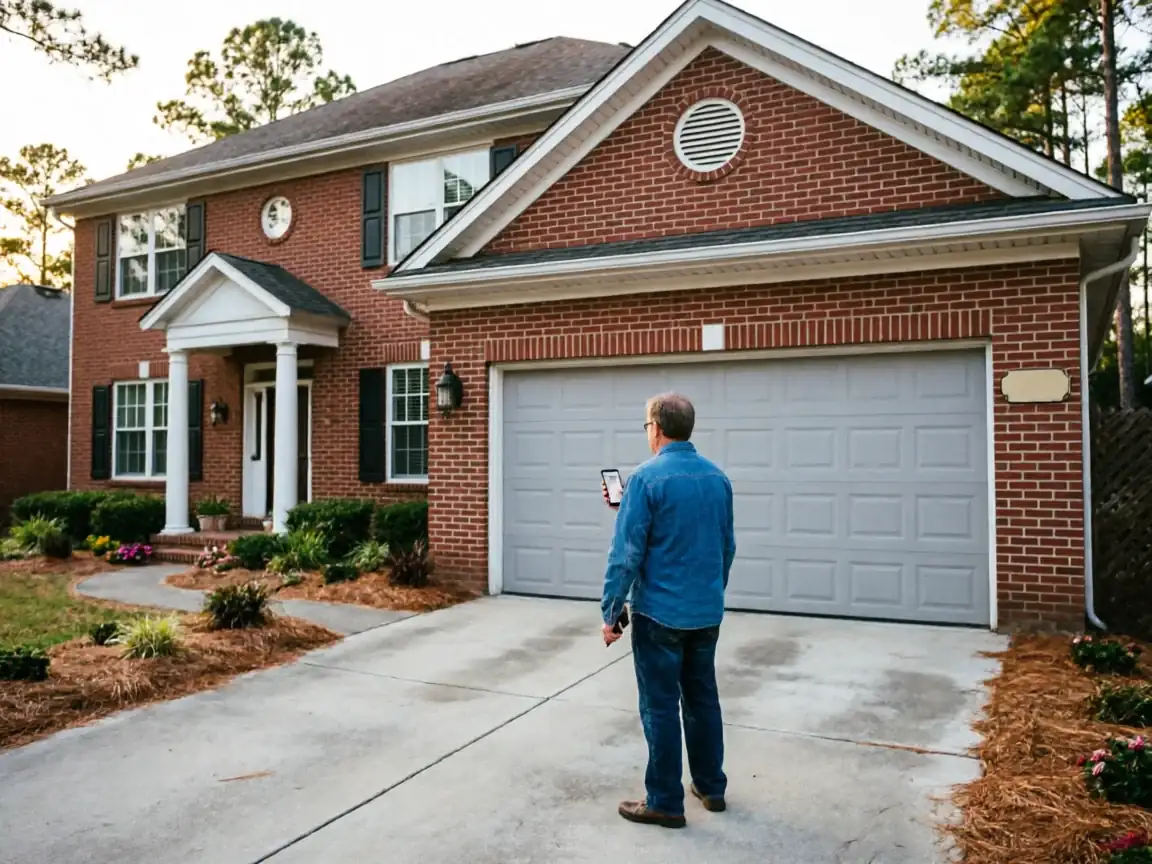
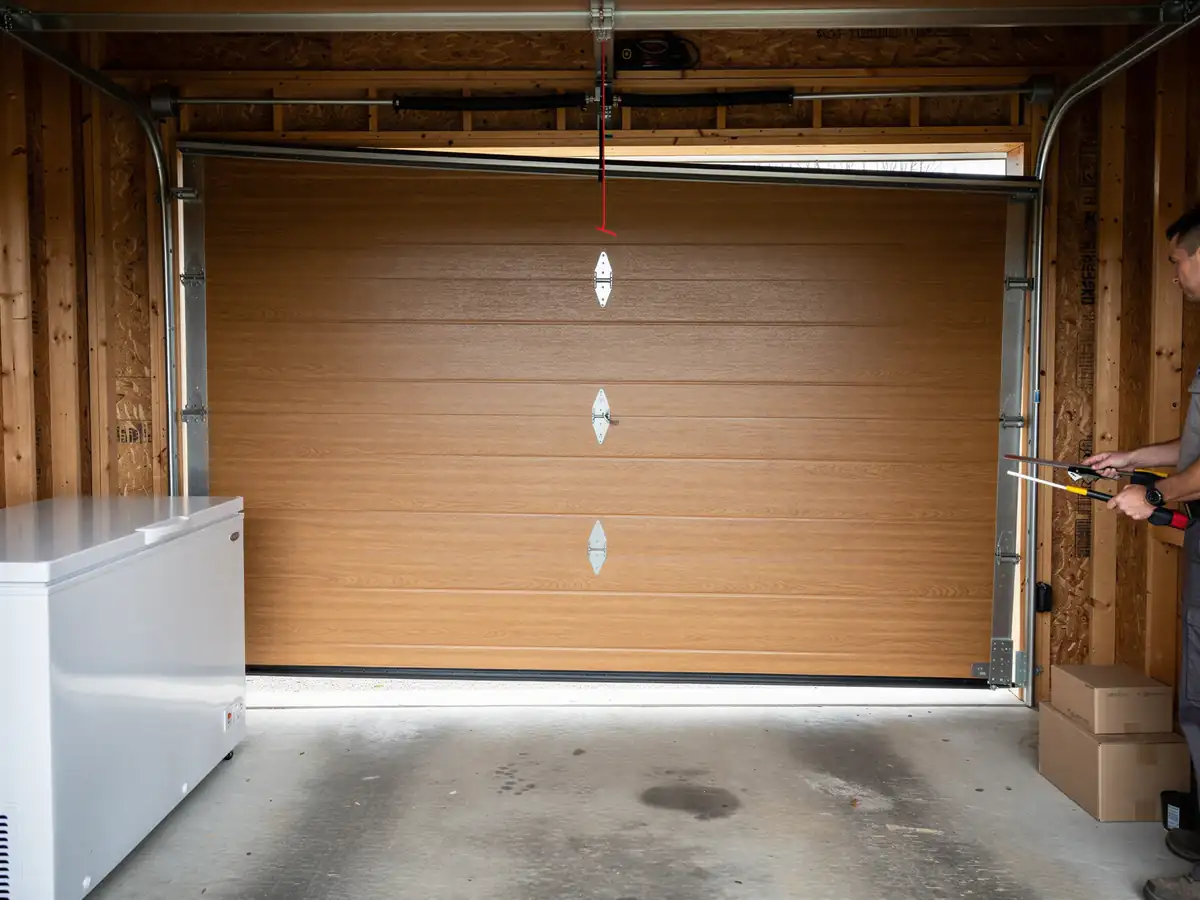
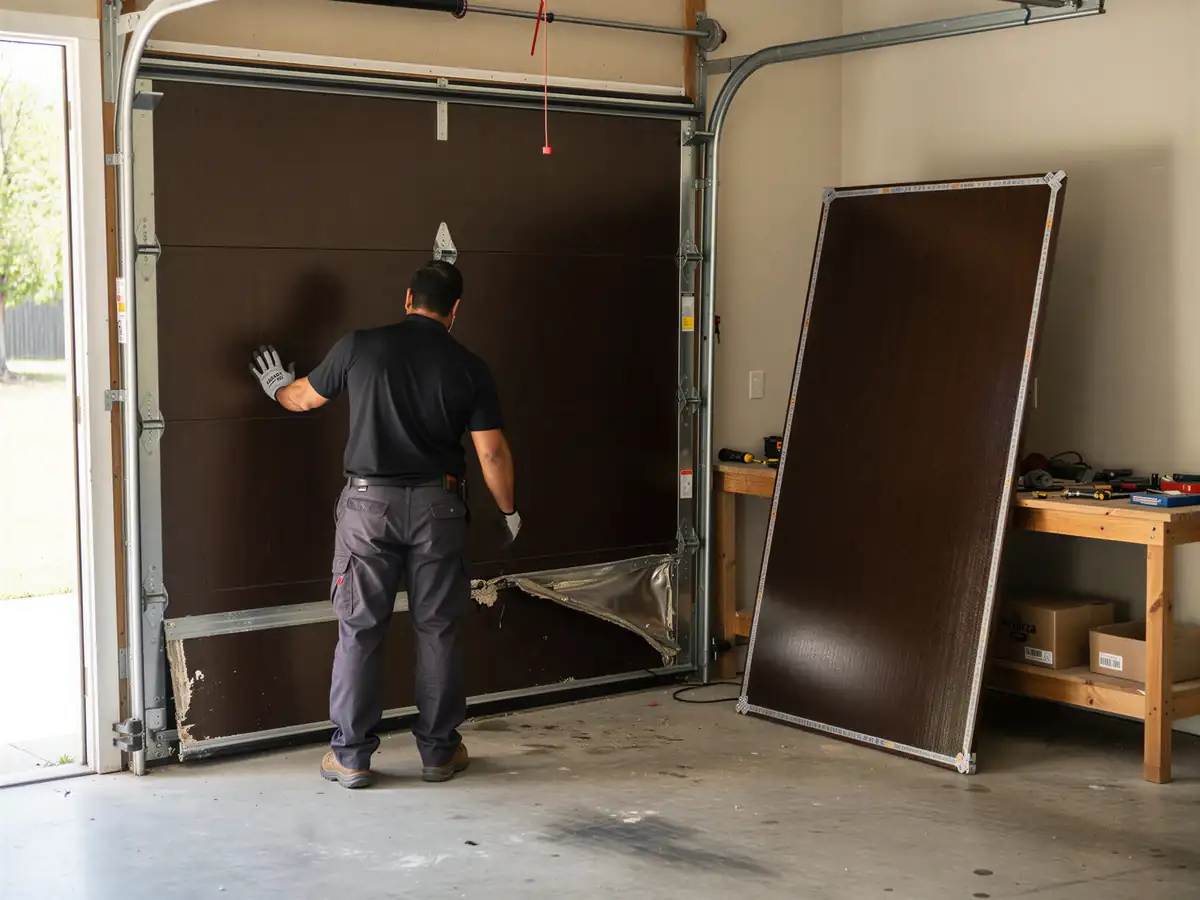
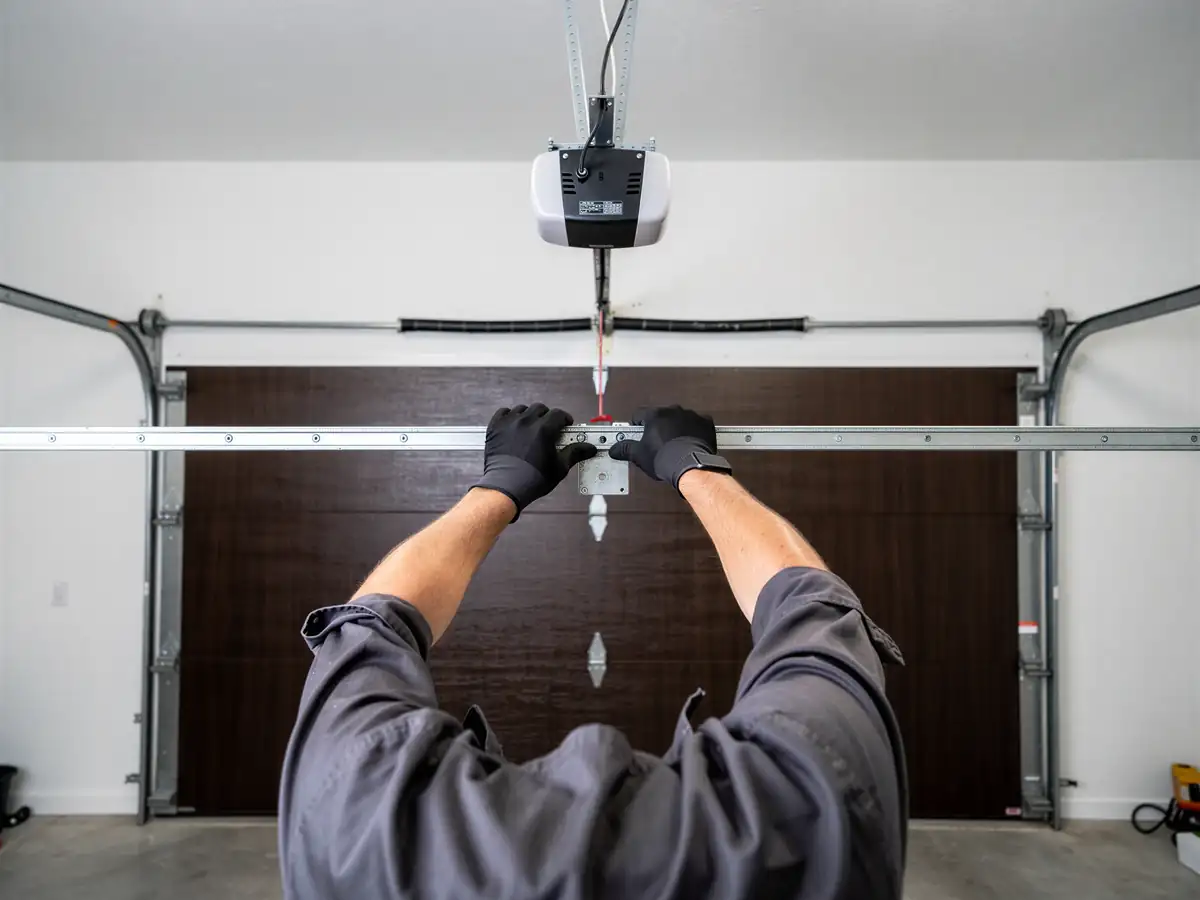
Gresham Park has 3,001 households, which is a small enough number that we don't run a dedicated crew out here - every opener job is a 17-mile trip from the Norcross shop. That matters for how you should plan the visit. We don't keep a truck staged nearby, so if your opener dies on a Tuesday morning, the honest answer is that you're scheduling a drive, not a walk-in. Once the tech is on site, a straight opener swap on an existing rail usually wraps in a couple hours. What stretches that window is the house itself: with most of Gresham Park built around 1967, we often find old wiring, a missing wall control, or a rail that doesn't match anything sold today, and that adds time before the new unit even goes up. If your garage has power already routed for an opener, the job moves fast. If it doesn't, say so when you call, because that changes what we load on the truck before we leave Norcross.
The Symptom
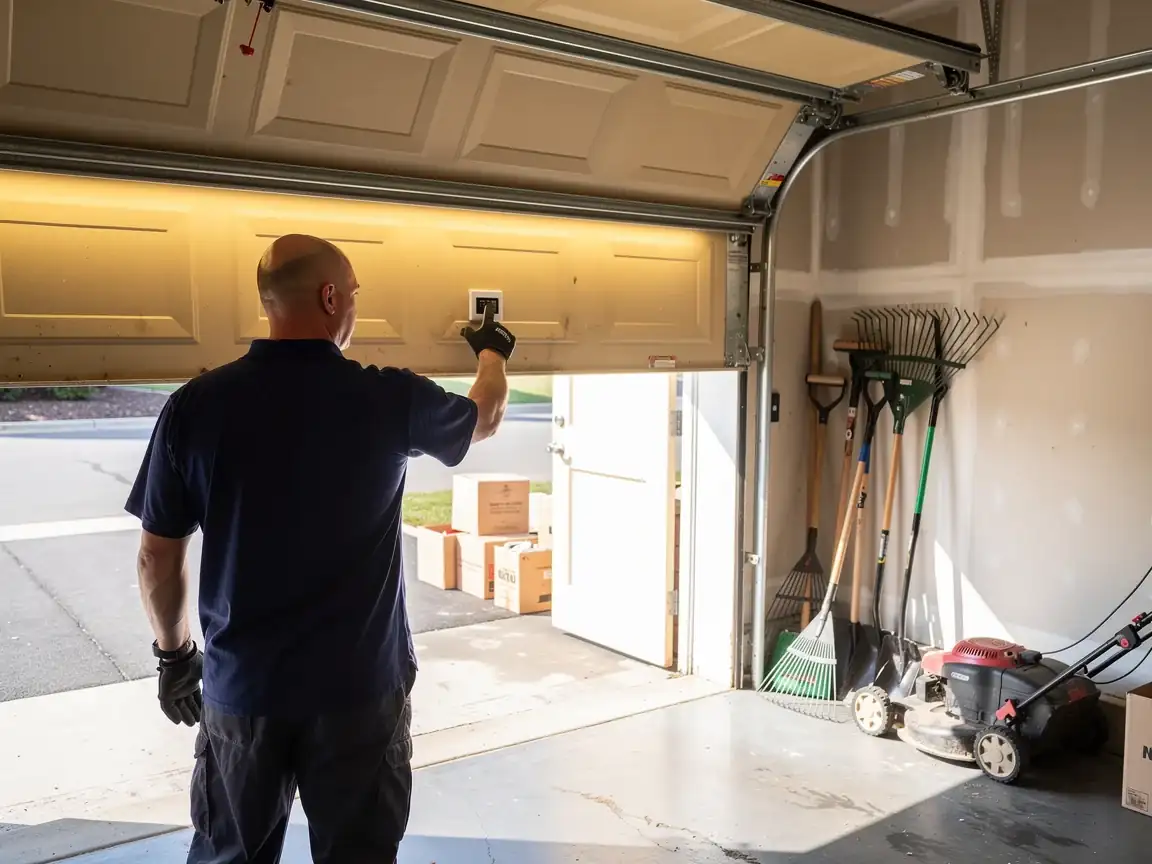
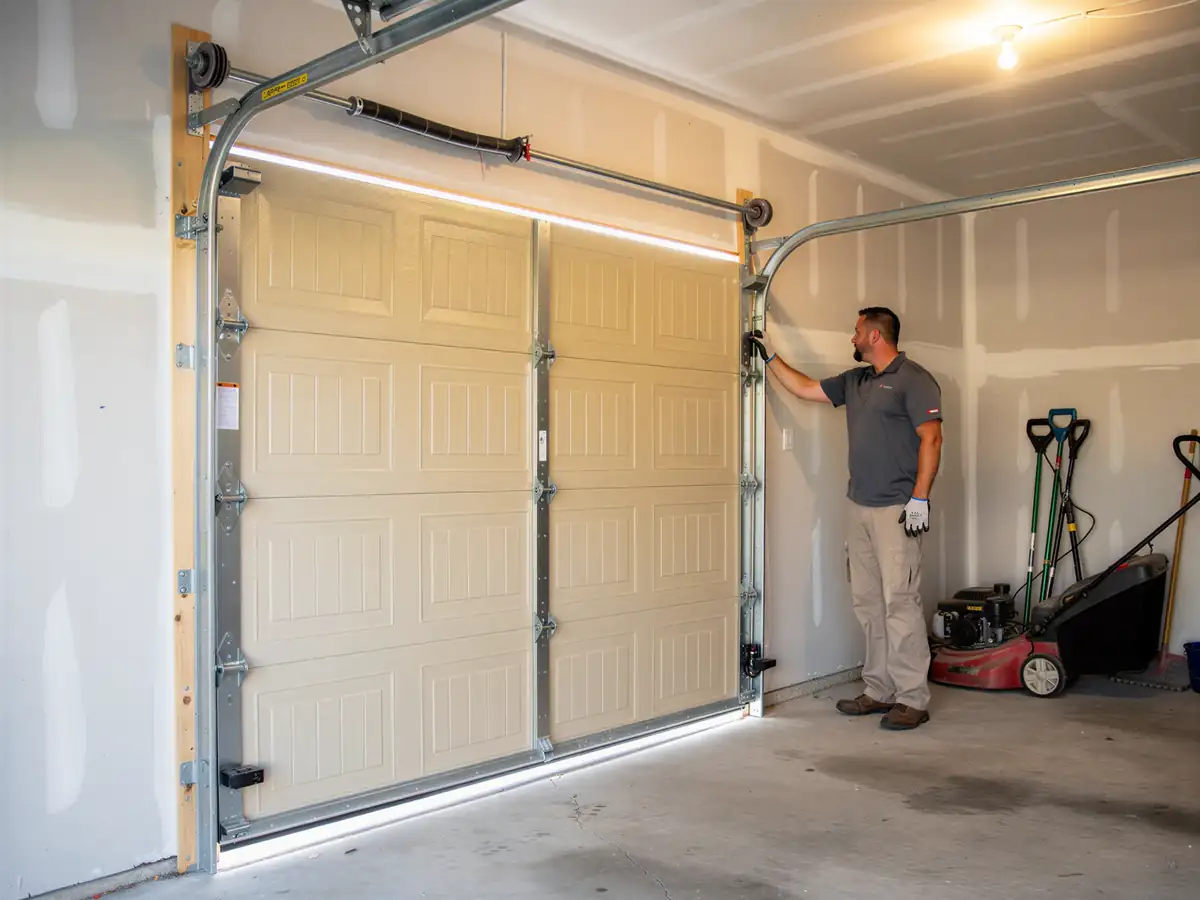
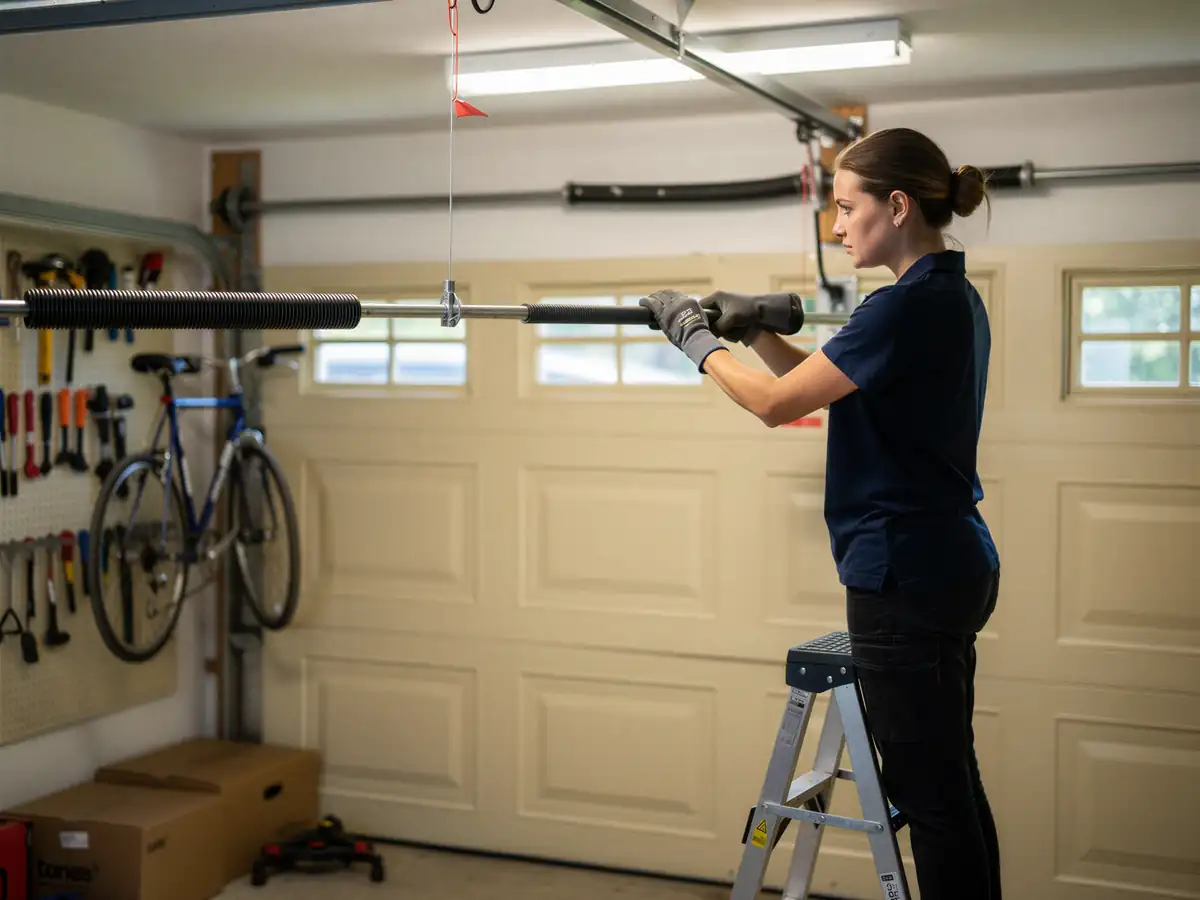
The calls we get from this part of the service area tend to sound the same: the opener runs but the door barely moves, or it reverses halfway up for no clear reason, or the wall button does nothing while the remote still works. In a 1967-built garage, that's usually a chain-drive unit that's simply outlived its gears, paired with photo-eye sensors bolted on later and never quite squared to each other. Sometimes the light flashes a code and nobody's kept the manual long enough to decode it. None of that means the door itself is bad - it's almost always the opener head or its sensors, not the panels or the track. Worth saying plainly: if the door moves freely by hand with the opener disconnected, the opener is your problem, not the spring or the hinges, and that's a simpler, cheaper fix than people assume.
What Can Go Wrong
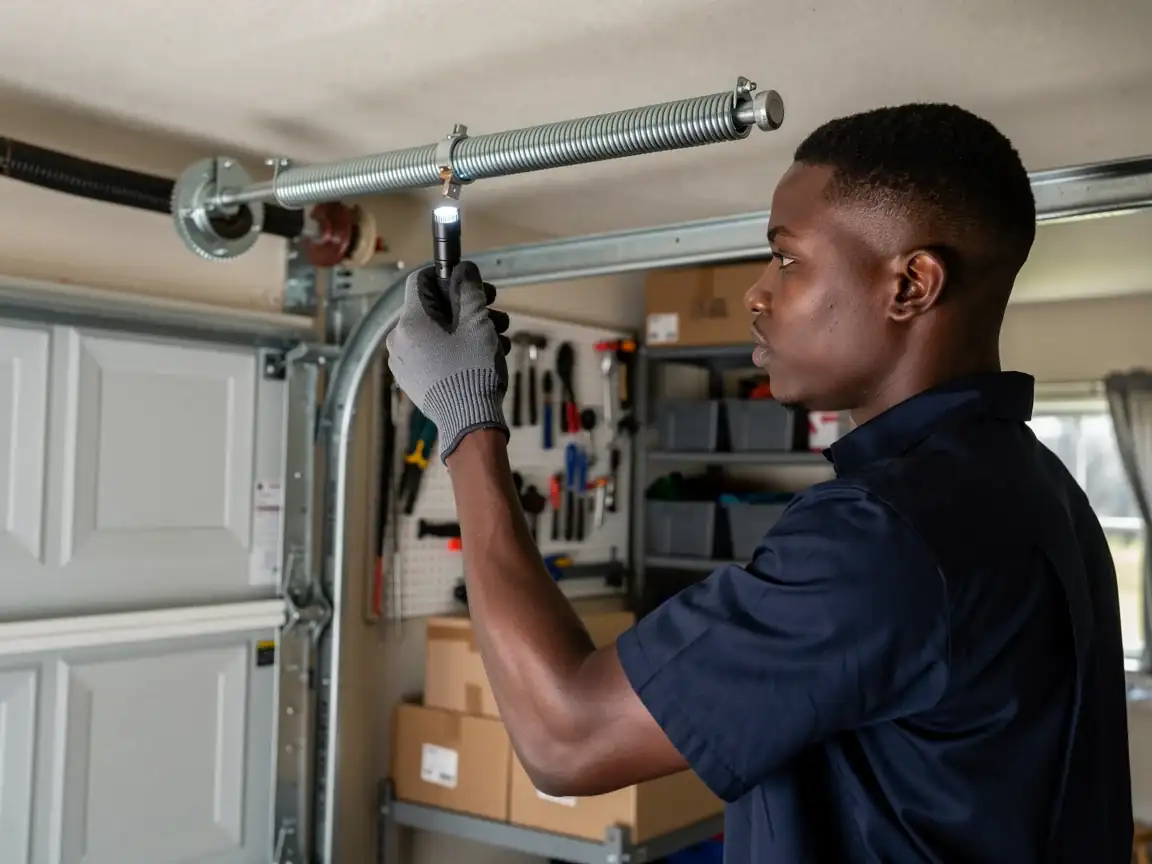
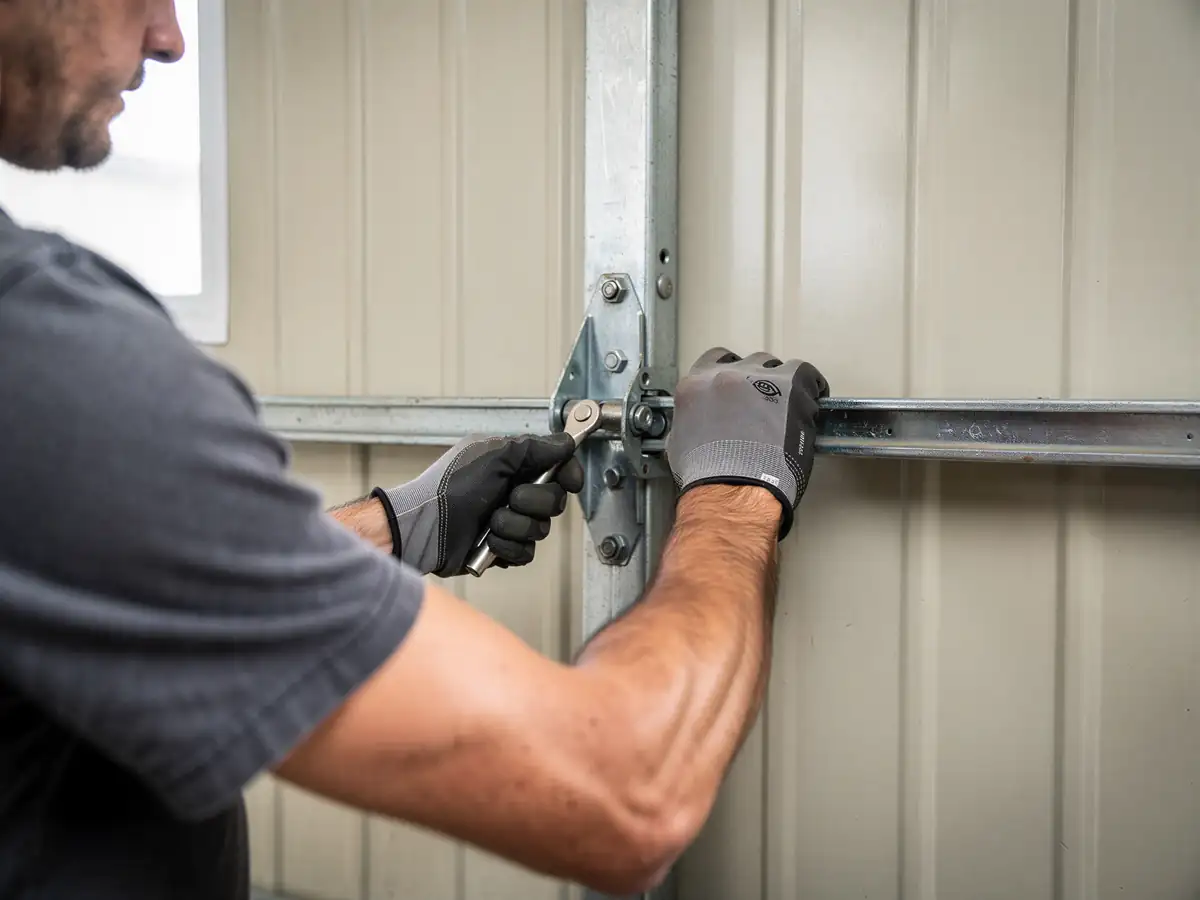
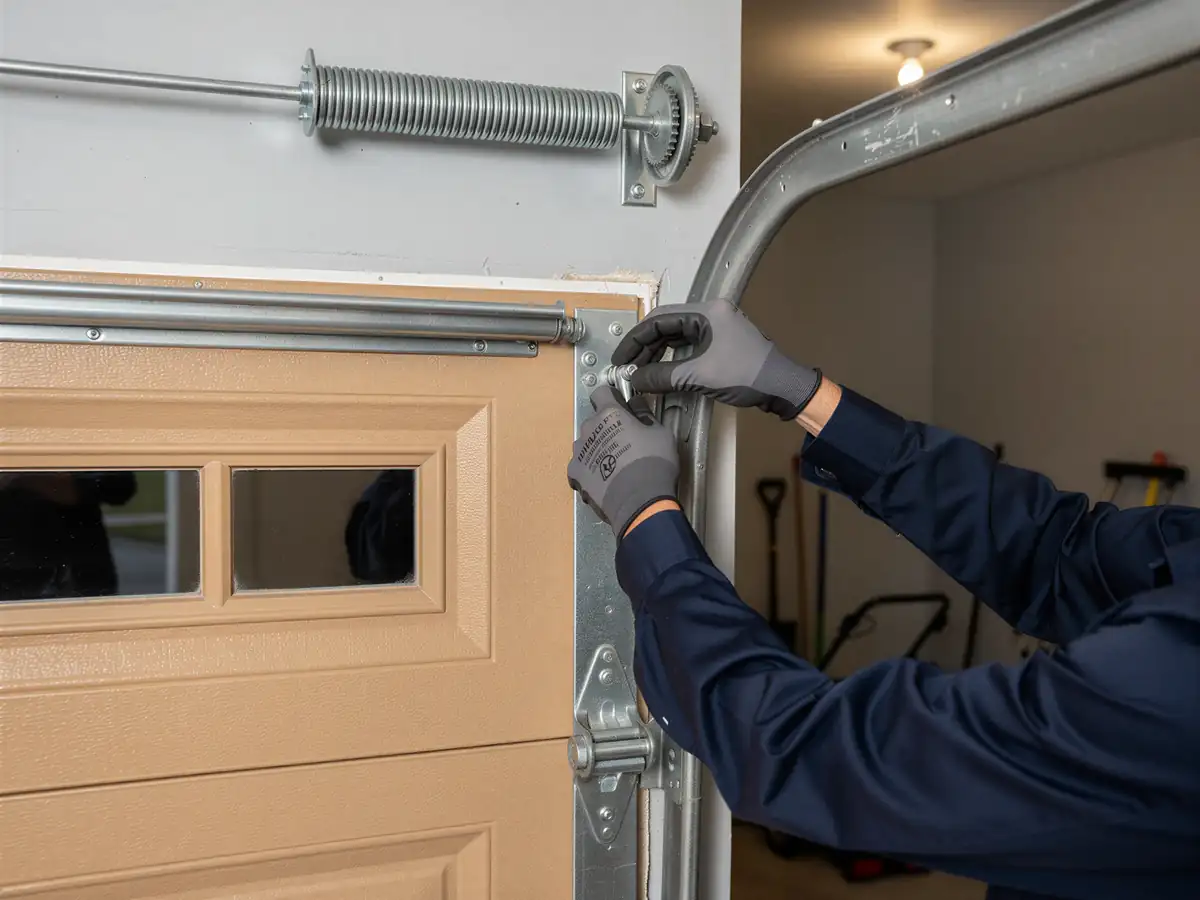
The most common mistake we see on older installs in this area is a safety sensor pair that was never properly aimed - one unit tilted a few degrees off the other, so the door reverses on a schedule that looks random but isn't. Another is a force setting cranked too high to compensate for a door that's gotten heavy or stiff, which masks a spring or roller problem instead of fixing it. We also run into openers mounted on a header bracket that was never rated for the unit's weight, which shows up as sagging over a few years, not immediately. None of these are dramatic failures - they're slow ones, which is why they often go unnoticed until the opener finally quits. A proper install checks the bracket, squares the sensors, and sets the force to the door's actual weight, not a guess.
Why It Happens Here
Housing in Gresham Park mostly dates to 1967, squarely inside the broader 1951-2012 range across the service area but on the older end of it. That era of garage wasn't built with an opener in mind - power often got added after the fact, sometimes with a single outlet on a circuit shared with something else in the house. The region sits in a cold moderate climate band, and while that's milder than a true northern winter, it still means freeze-thaw swings that stress an opener's circuit board and gearing, especially in garages from this period that were rarely insulated. Combine an unheated 1967 garage with retrofitted wiring and a decades-old opener, and you get the exact failure pattern we see most from this part of the map: intermittent power, worn gears, and sensors added as an afterthought rather than designed in.