How Long You Are Without the Door
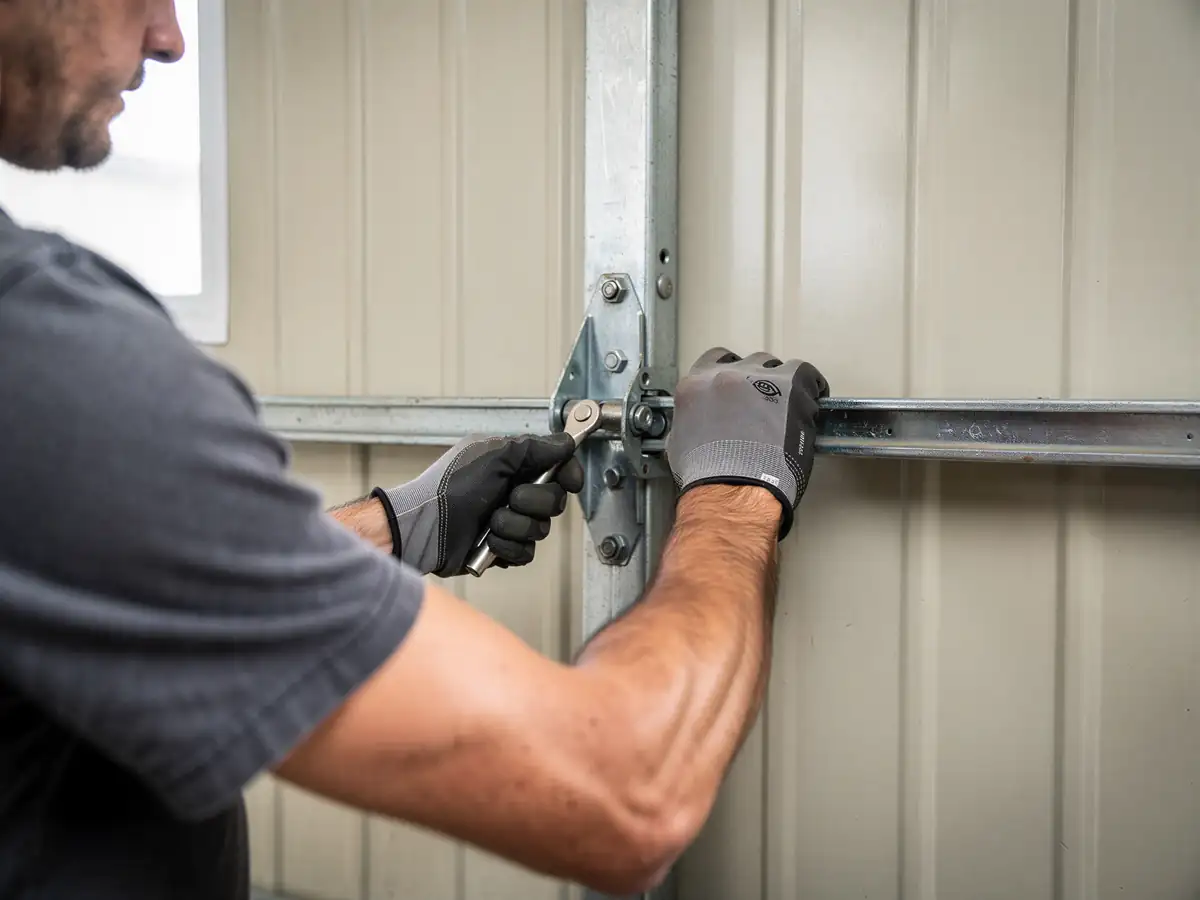
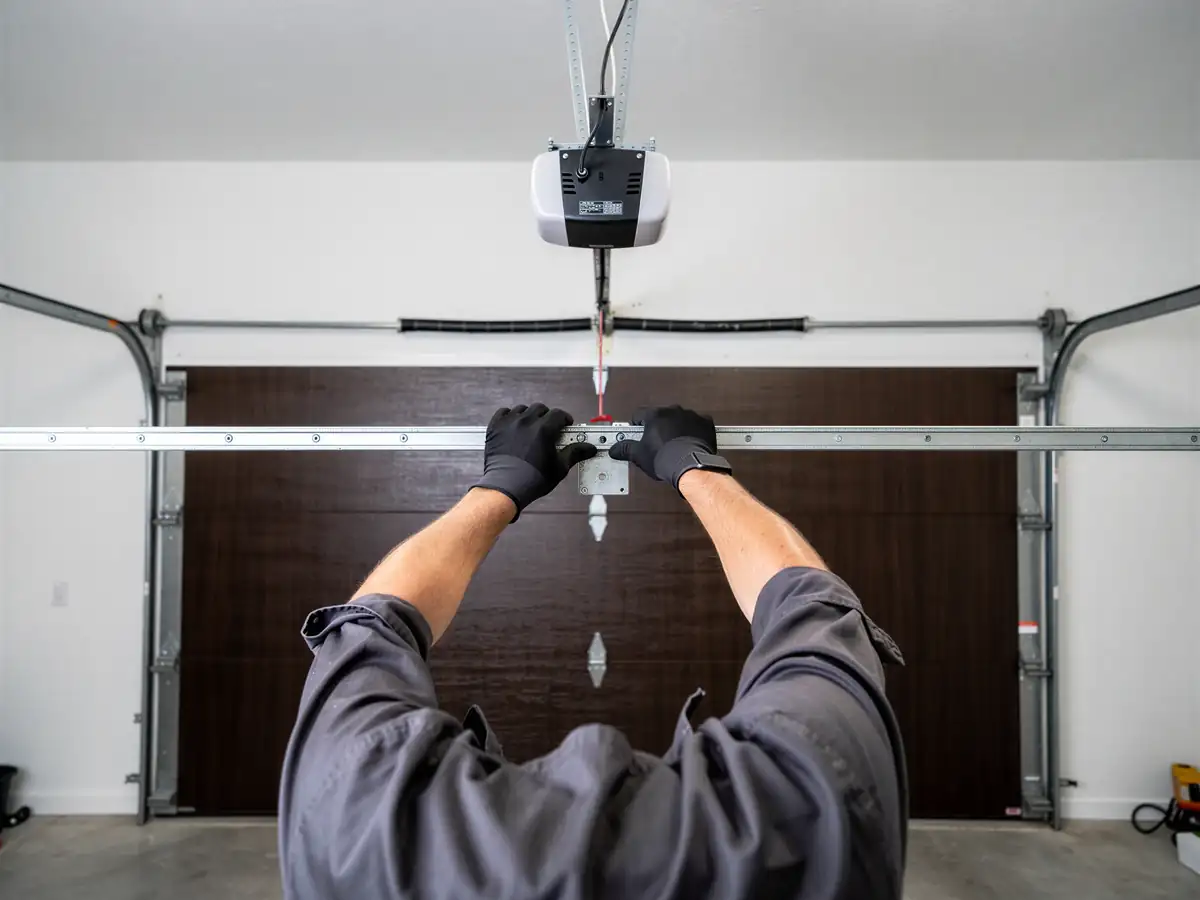
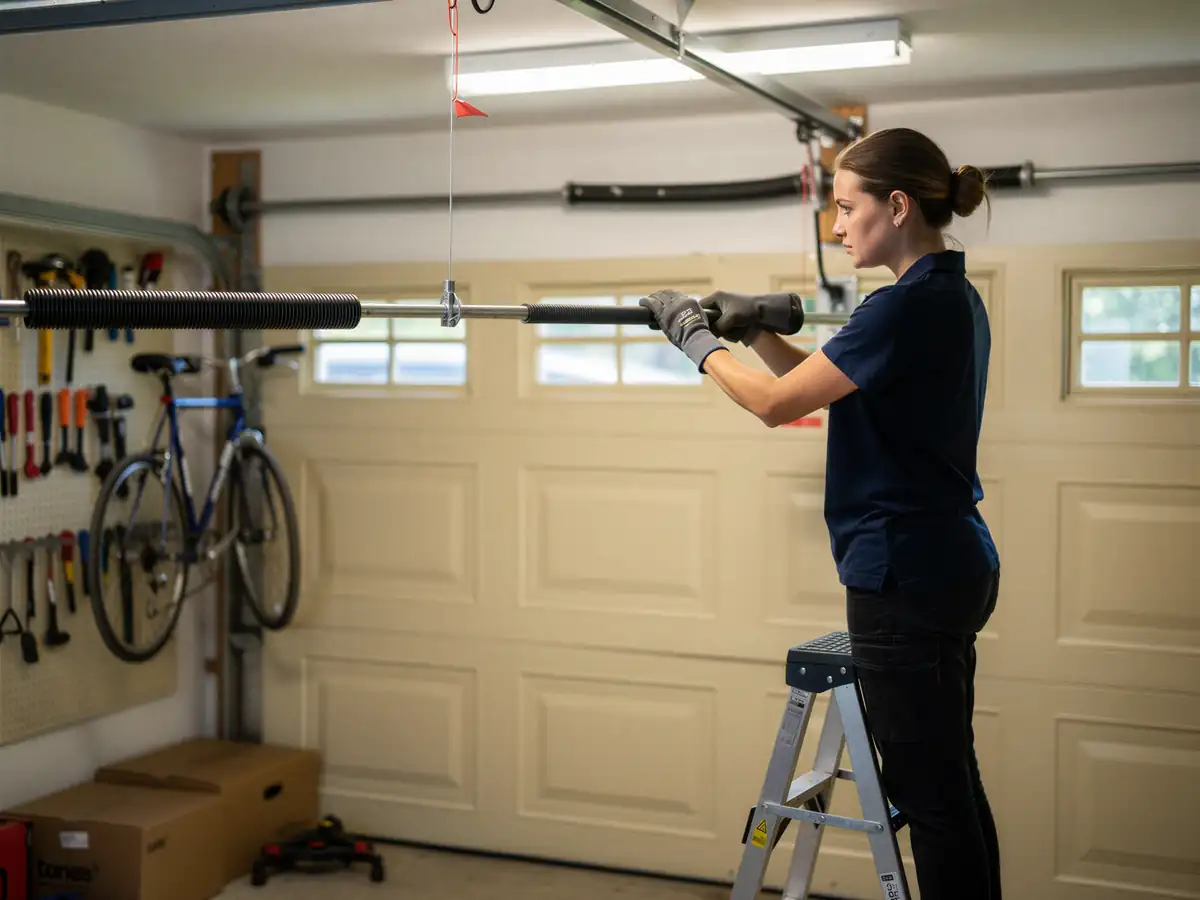
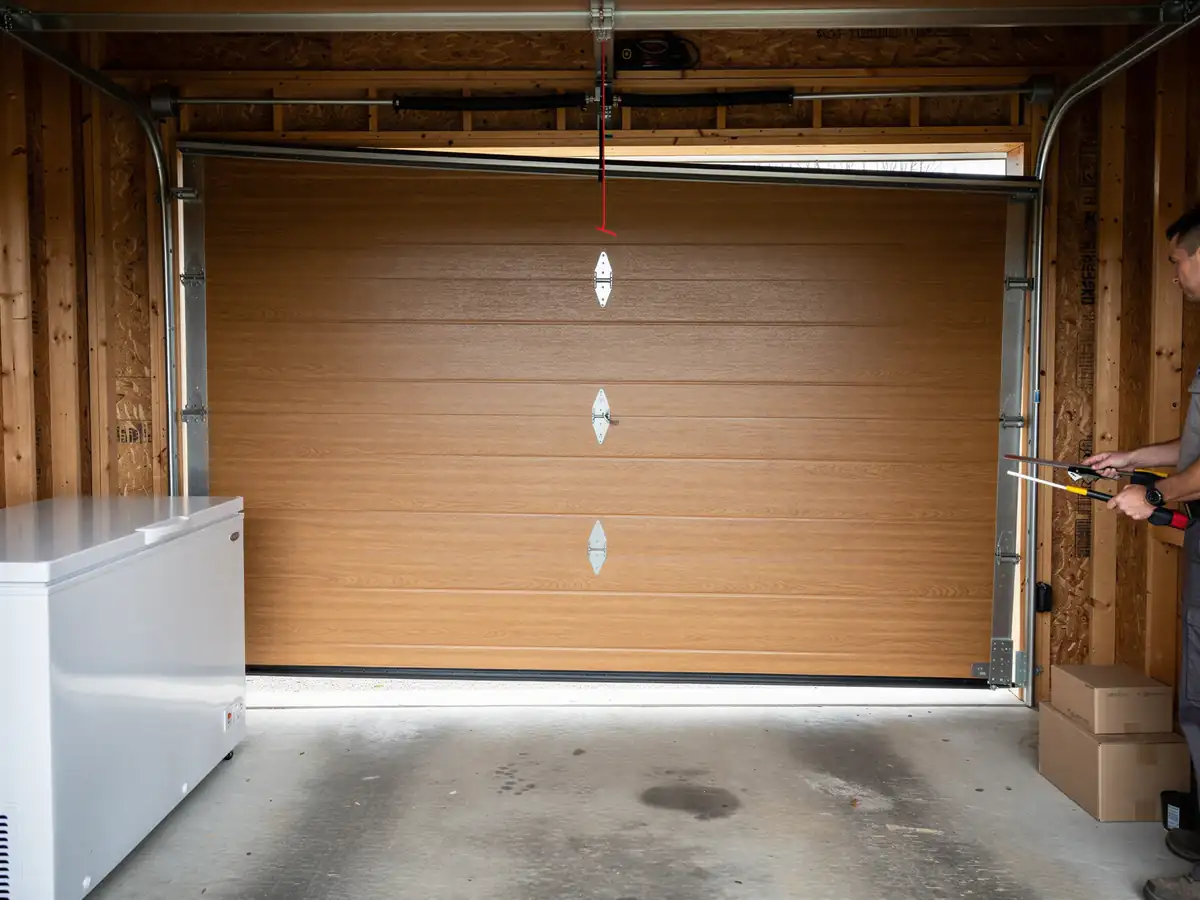
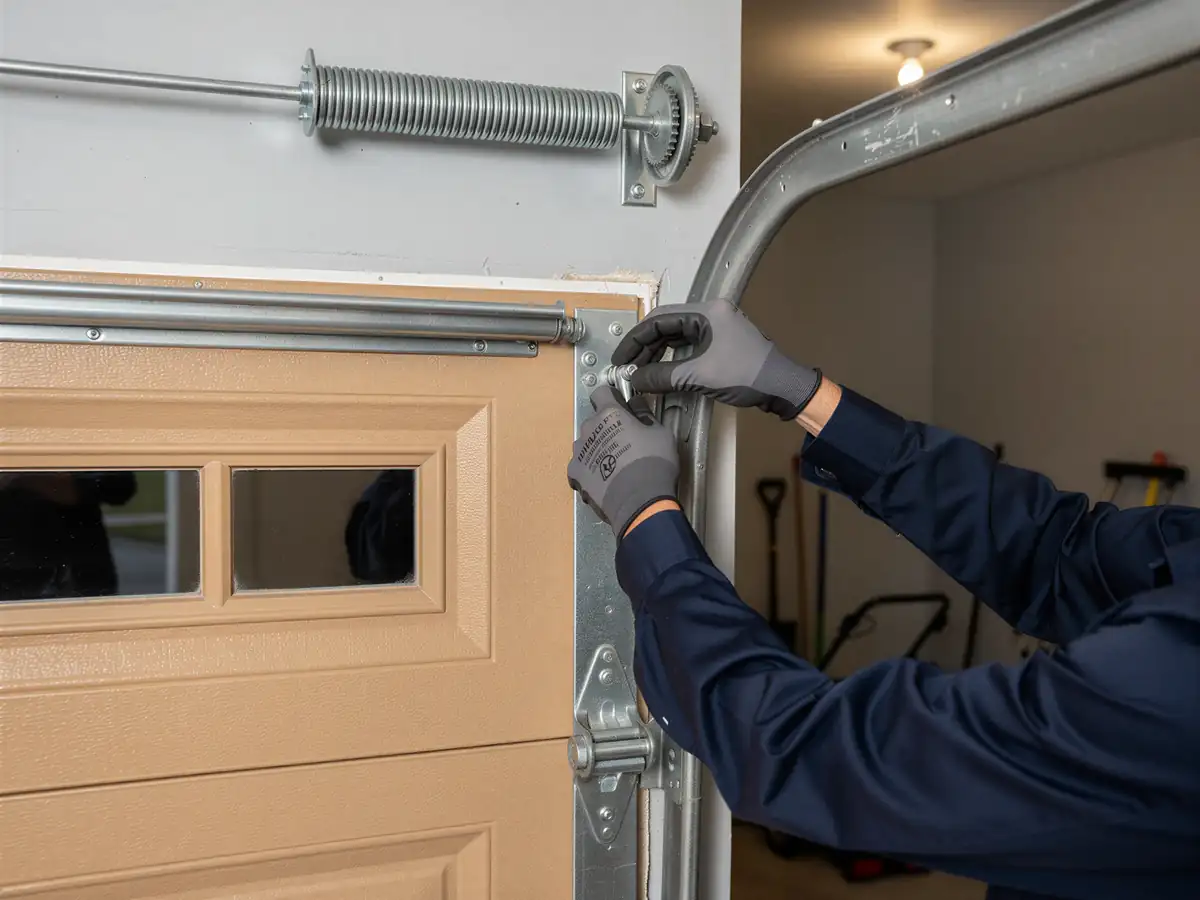
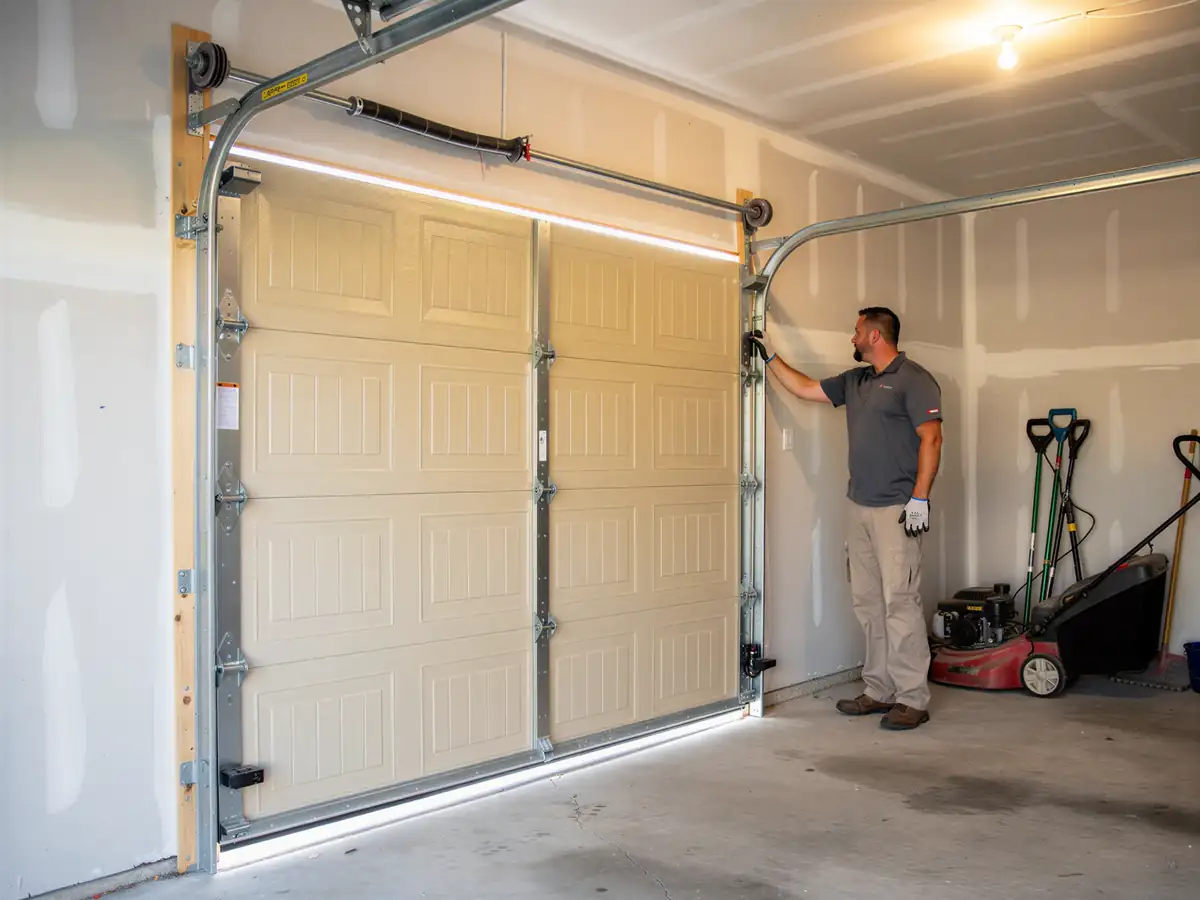
Gresham Park sits about 17 miles out from our Norcross shop, which is the far edge of where we run install crews in a single day. That distance doesn't change what happens once we're on site: a standard two-car steel door swap is a one-visit job, old door off and new one hung, tracks set, opener re-paired, usually finished before the crew needs to head back. What it does change is scheduling. Because we're not stationed nearby, we build Gresham Park installs into a day where the truck already has a reason to be headed that direction, rather than treating it like a same-day emergency stop. If you need the old door gone and a new one up on a tight timeline, say so when you call, and we'll tell you honestly whether that week's route can get a crew to you or whether you're looking at the following week. We'd rather give you a real date than a vague promise.
The Symptom
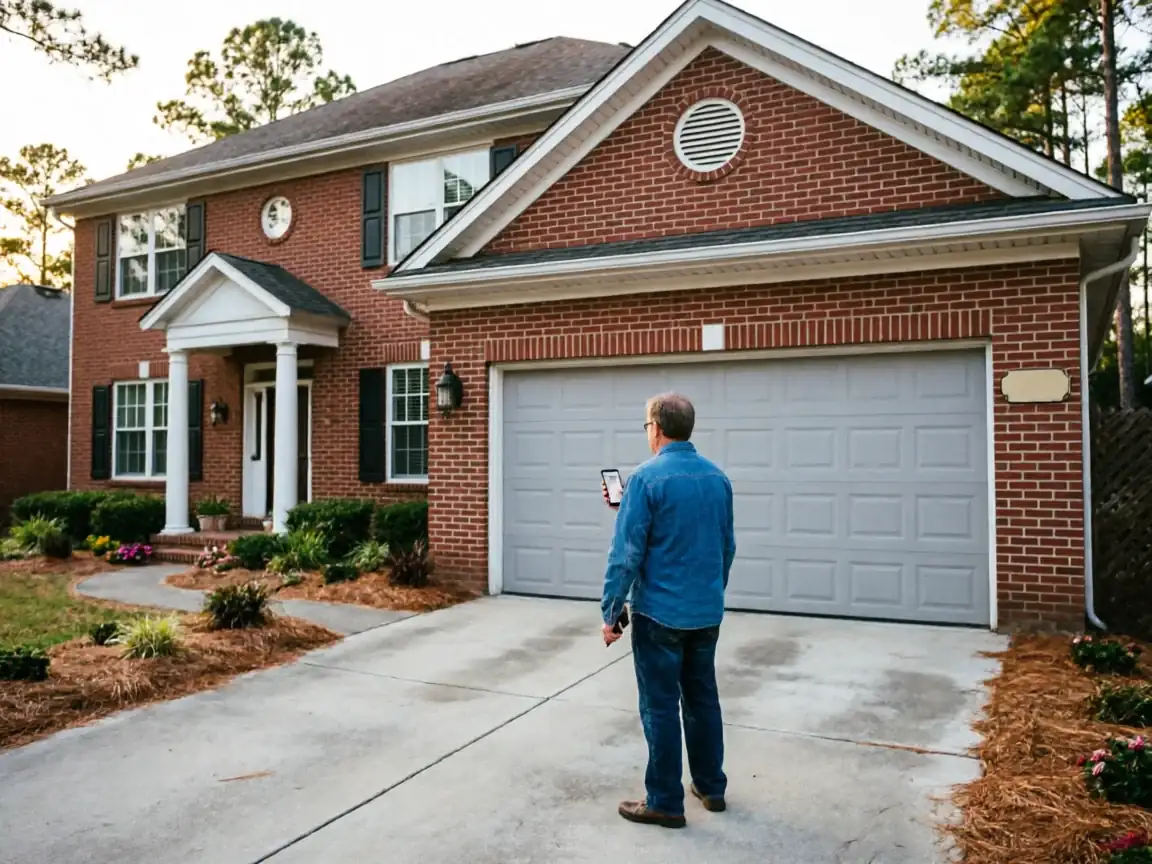
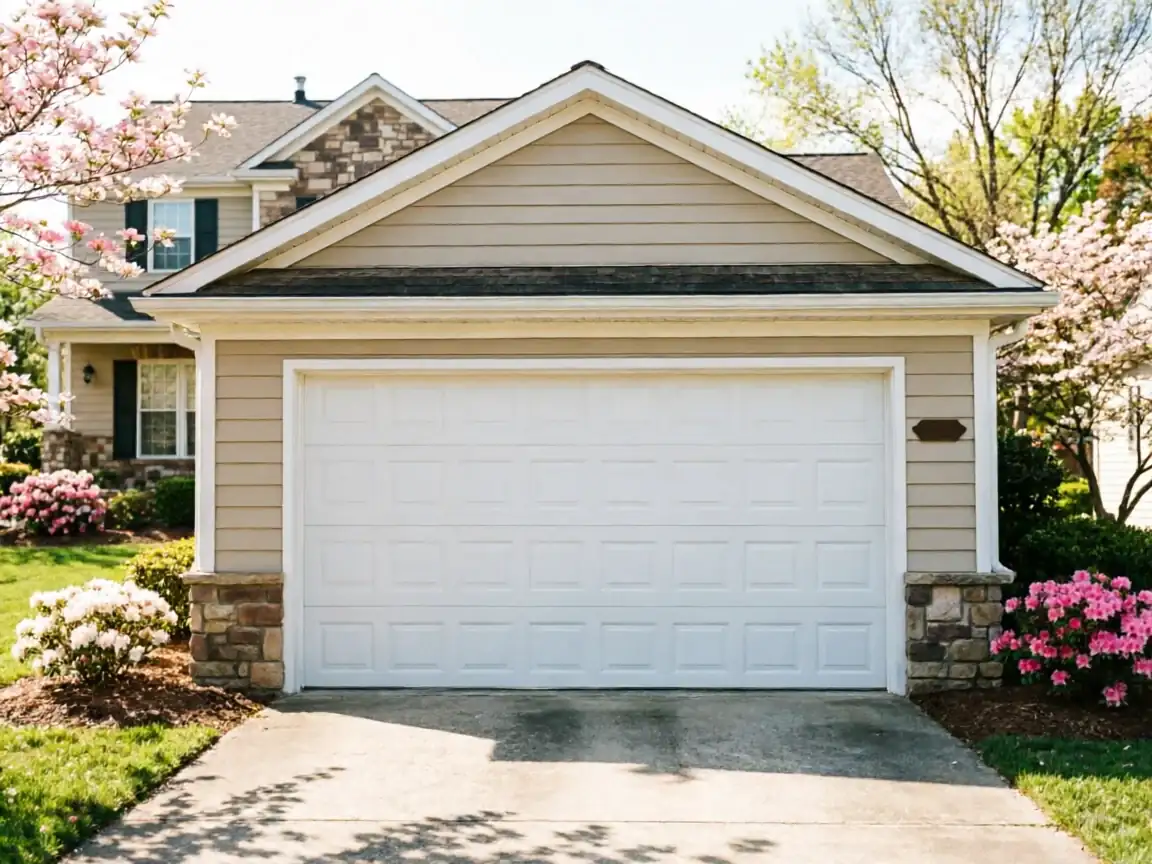
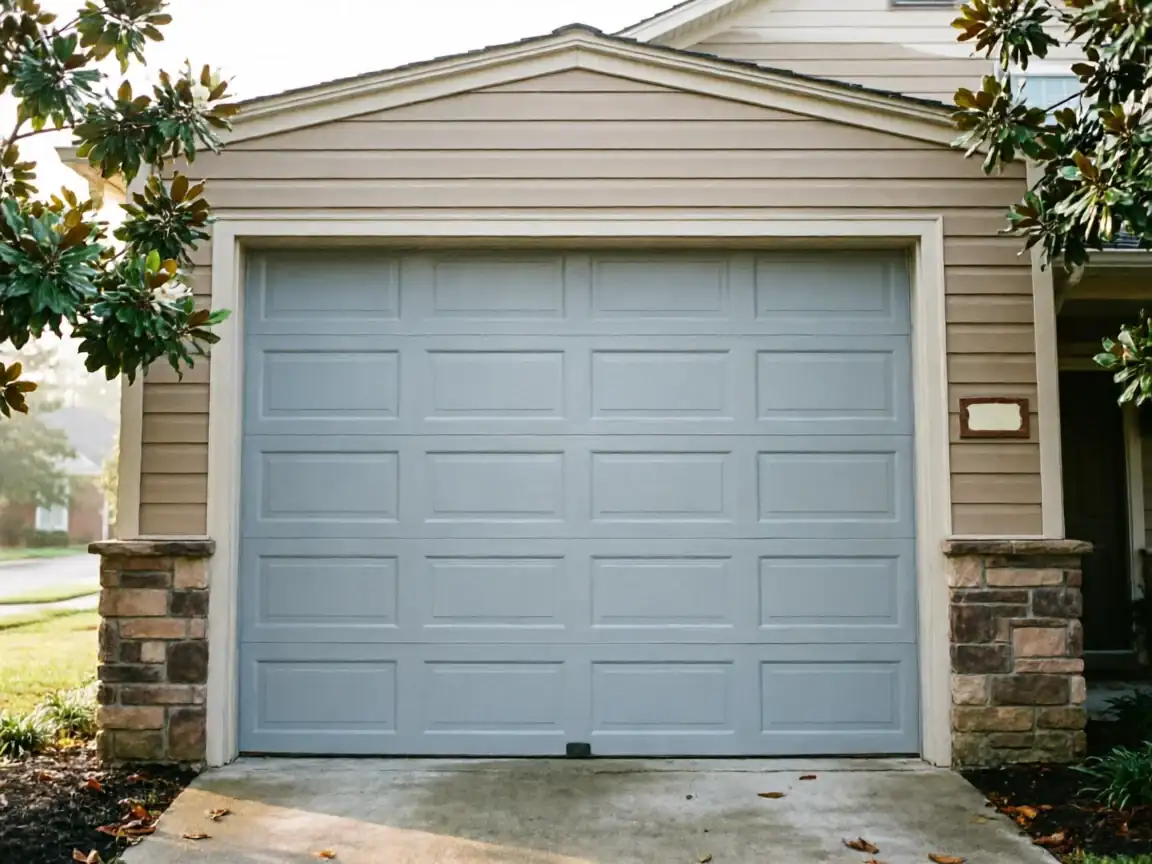
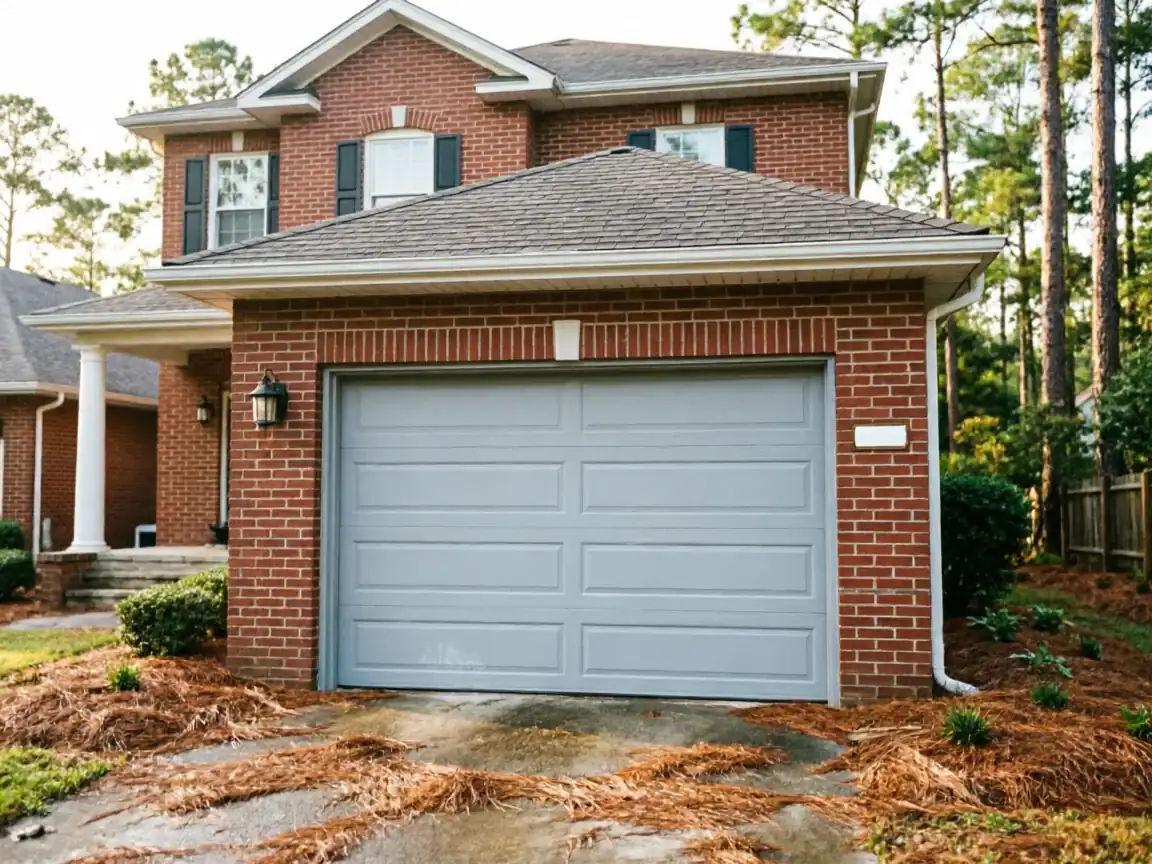
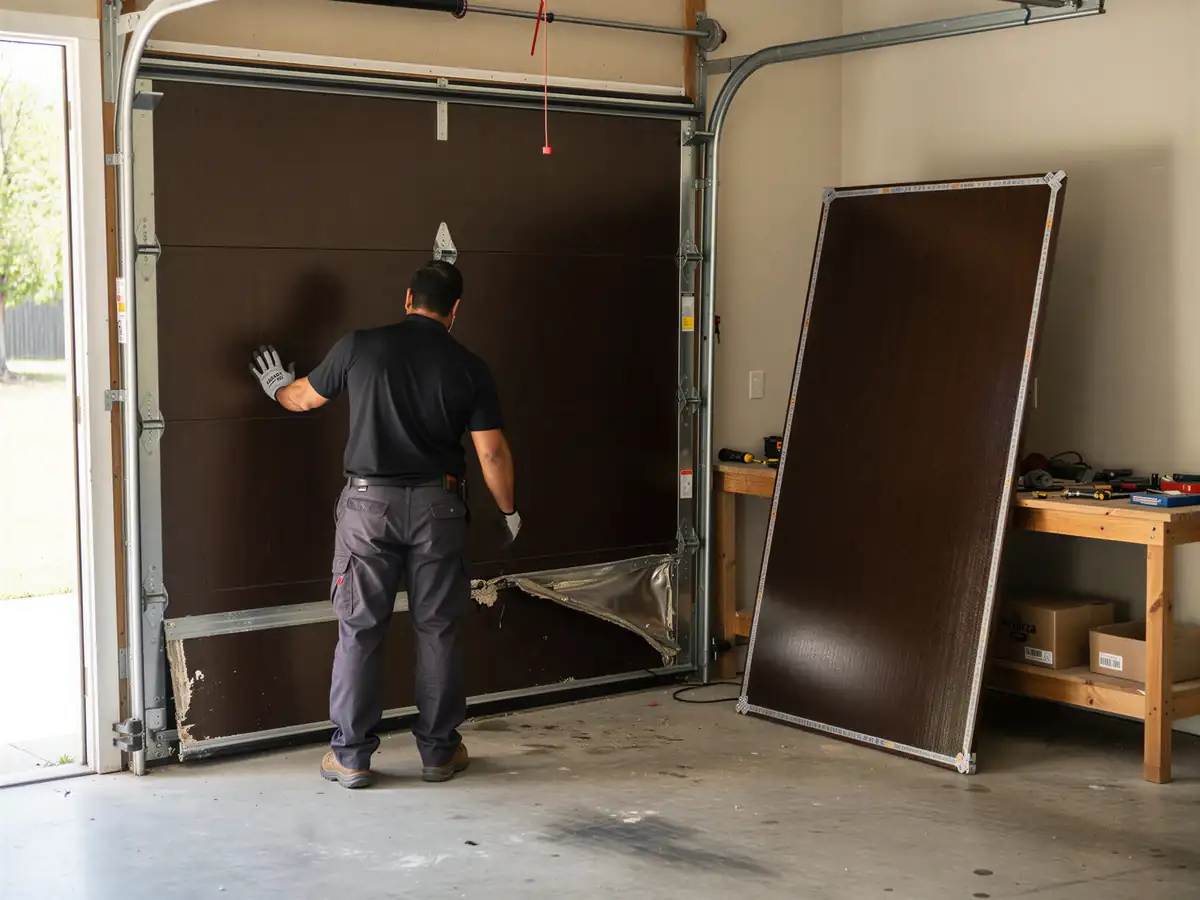
Most of the doors we pull out of Gresham Park driveways are original to houses built around 1967, a decade ahead of the roughly 1977 median across the wider service area. That means a single steel panel door, non-insulated, hung on hinges and rollers that have outlasted at least one re-paint of the house itself. The visible symptom is usually a door dragging on one side, a split seam along the bottom panel, or rust eating through the bottom 18 inches until weatherstripping won't seat anymore. None of that is a quick fix. A door built this way is heavier than people expect once the steel starts to go soft, and when the panel itself is failing - not just the opener or the spring - replacement is the honest answer rather than another patch. Trying to straighten a bowed panel or re-hang it on new rollers buys a little time, but it doesn't change what's underneath.
What Can Go Wrong
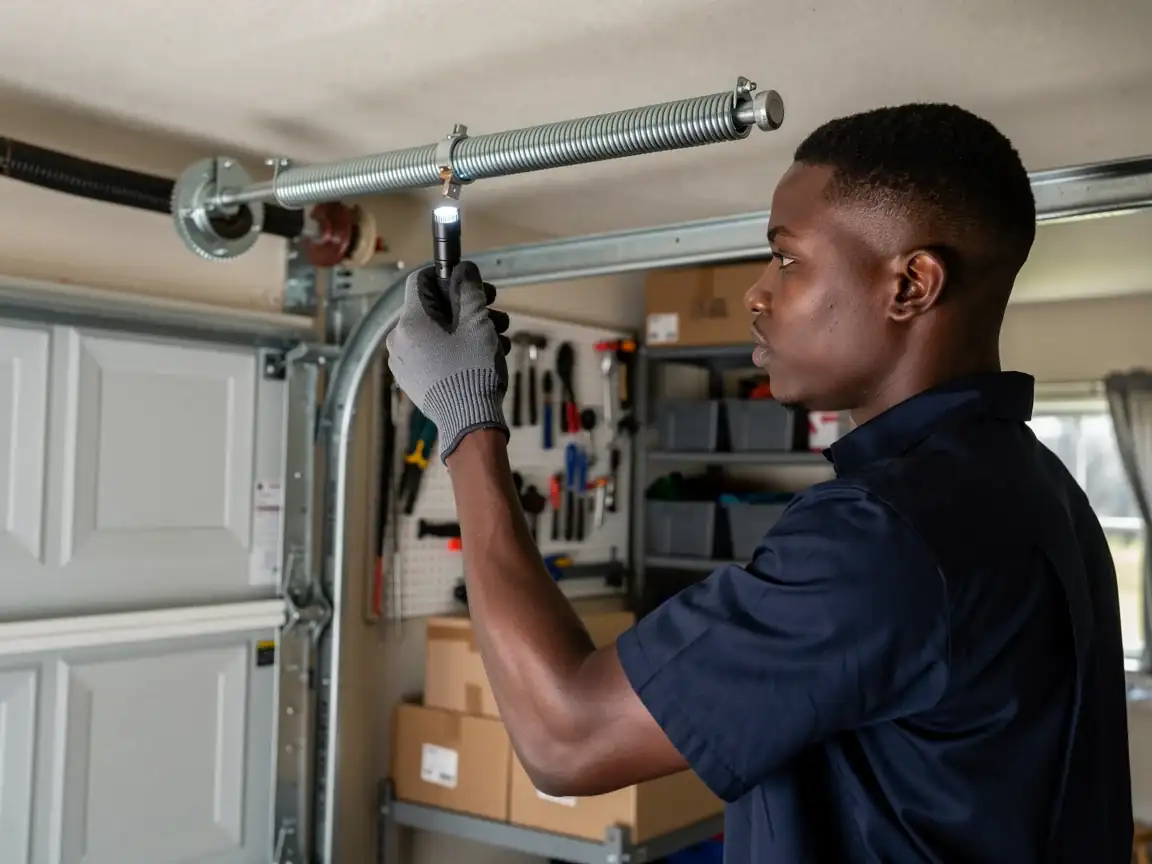
The age of the house matters here. On a 1967 build, the header and jamb around the door opening have had over fifty years to settle, and it's common to find the opening out of square by enough that a stock door won't sit flush without shimming the track. Older double openings sometimes have wood framing that's soft at the base from decades of water running off the driveway slope - not rotten through, but soft enough that fasteners won't hold a new track without sistering in fresh lumber first. We also run into opener wiring routed for a motor that no longer exists, meaning the new opener needs fresh wiring rather than reusing what's there. None of this is unusual for houses this age, but it's why a phone estimate on an older Gresham Park door is always rougher than one we've actually measured. The honest version: on original framing this old, budget for the chance that squaring the opening adds to the job, because more often than not here, it does.
Why It Happens Here
Two things stack up in Gresham Park: the age of the housing stock and the climate band it sits in. Doors going up in the late 1960s were built for a cold-moderate climate - freeze and thaw cycles through winter that work steel seams and loosen fasteners over decades, without the deep-freeze that would have pushed builders toward heavier insulation from the start. That's a different stress pattern than a house built decades later with a modern insulated door designed around current code. Add that Gresham Park's roughly 3,001 households sit at a median income a few thousand below the service area's $73,075, and you get a town where doors tend to get repaired past the point other areas would have already replaced them - which is reasonable, until the repairs run out. That combination of older doors and deferred replacement is why install calls out here skew toward full swaps rather than opener-only jobs.