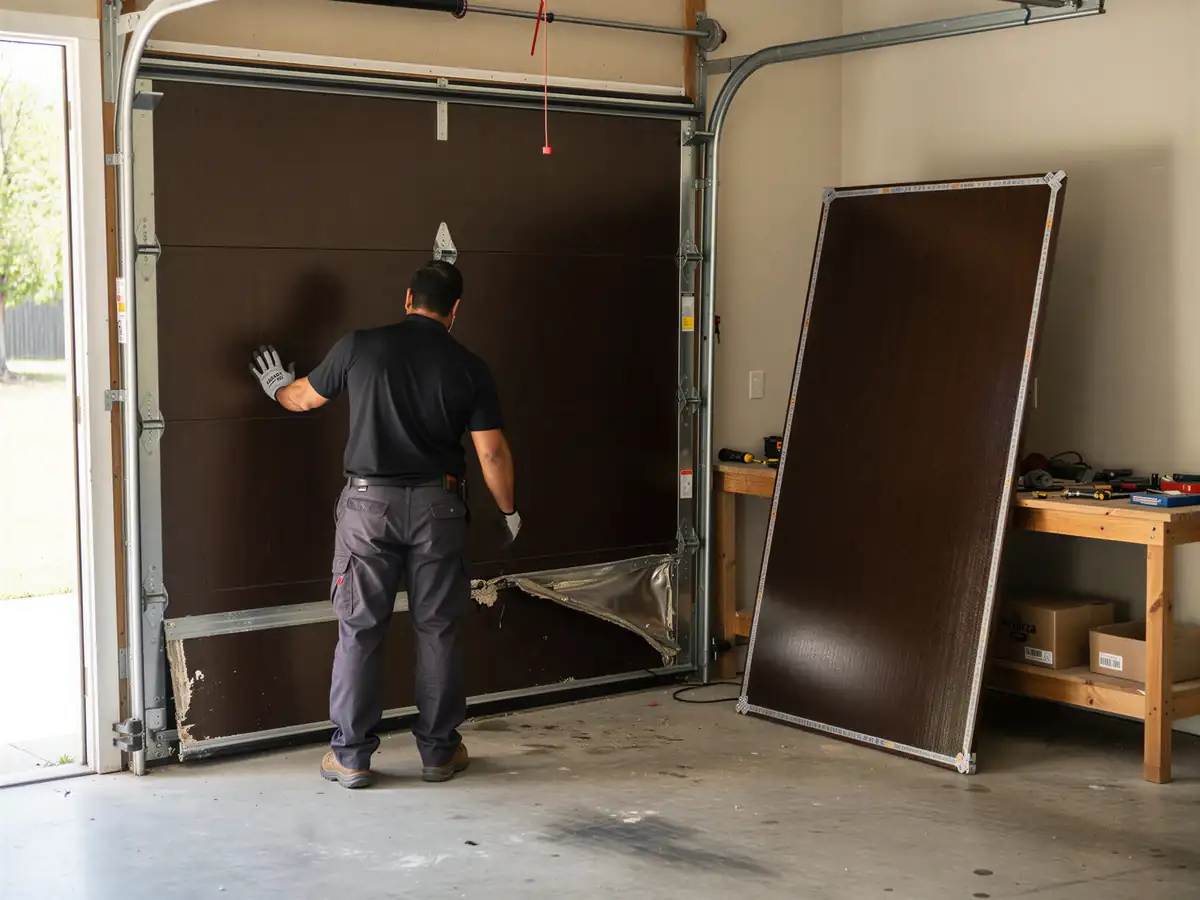
What the Repair Takes
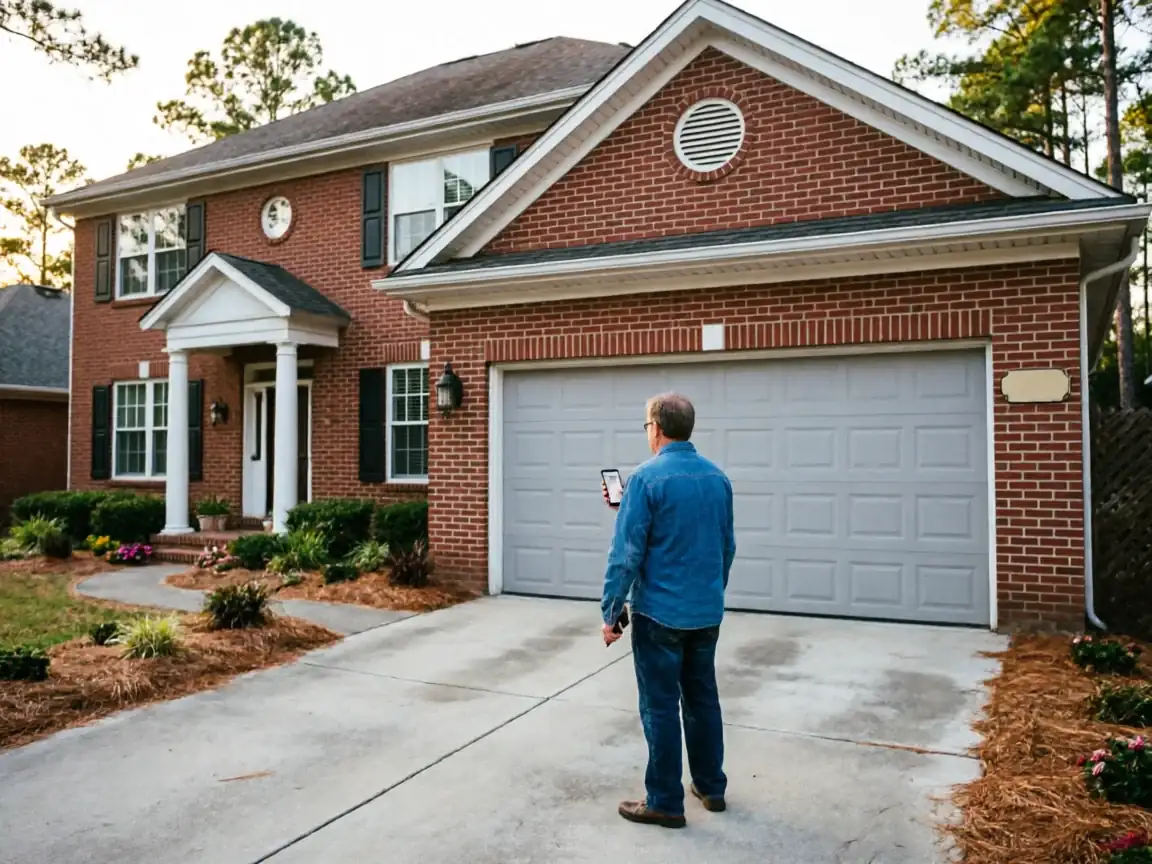
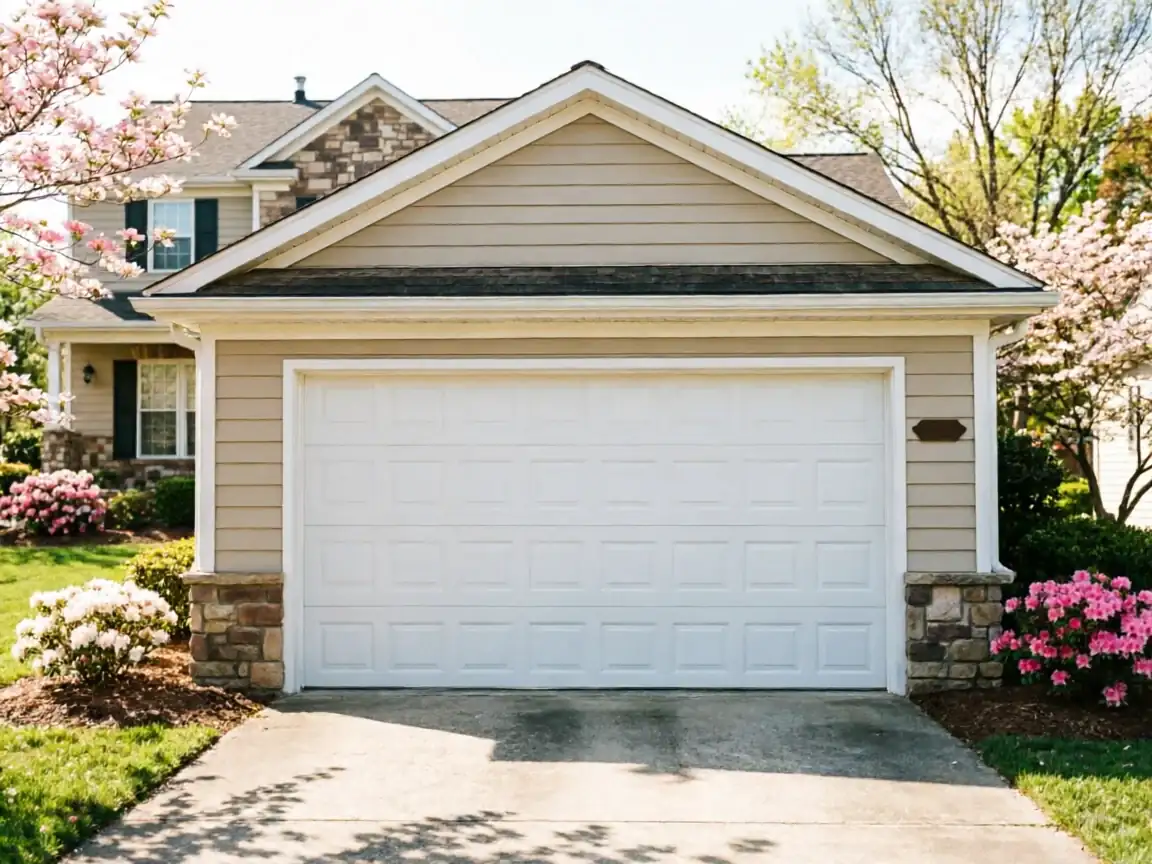
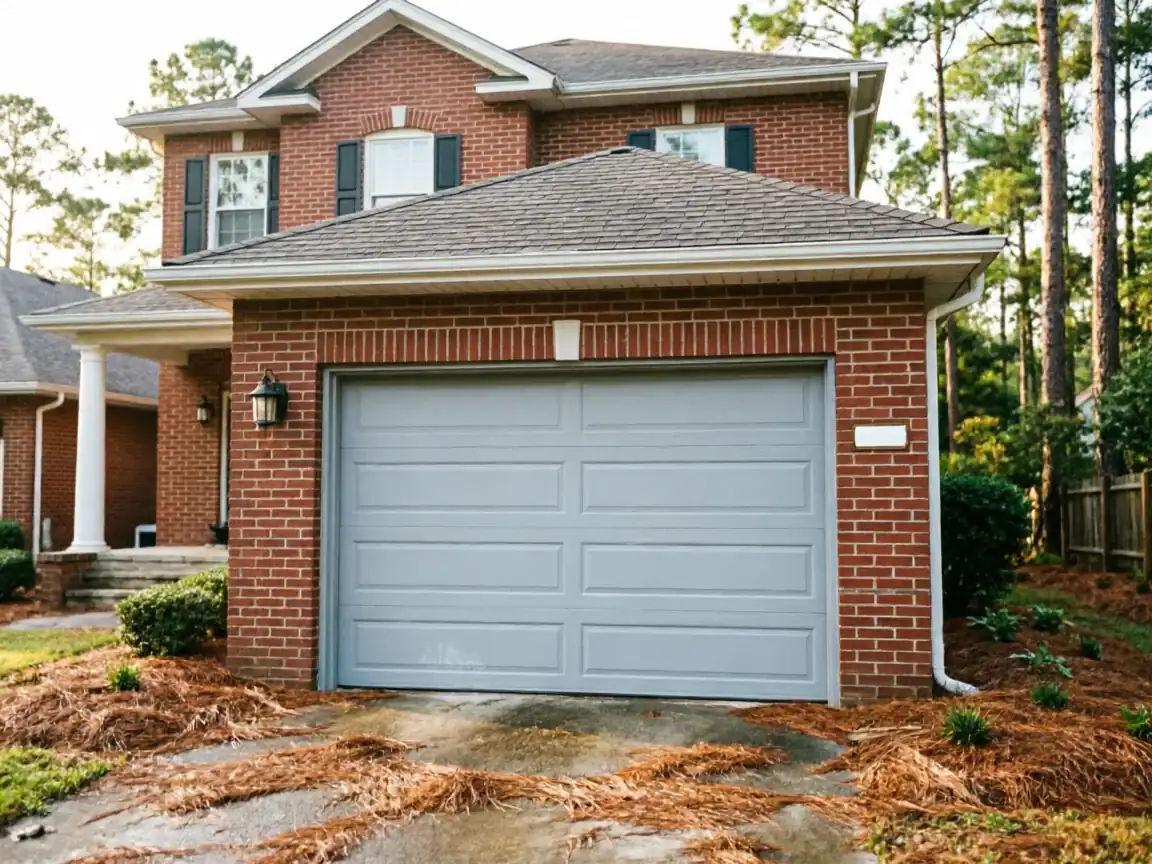
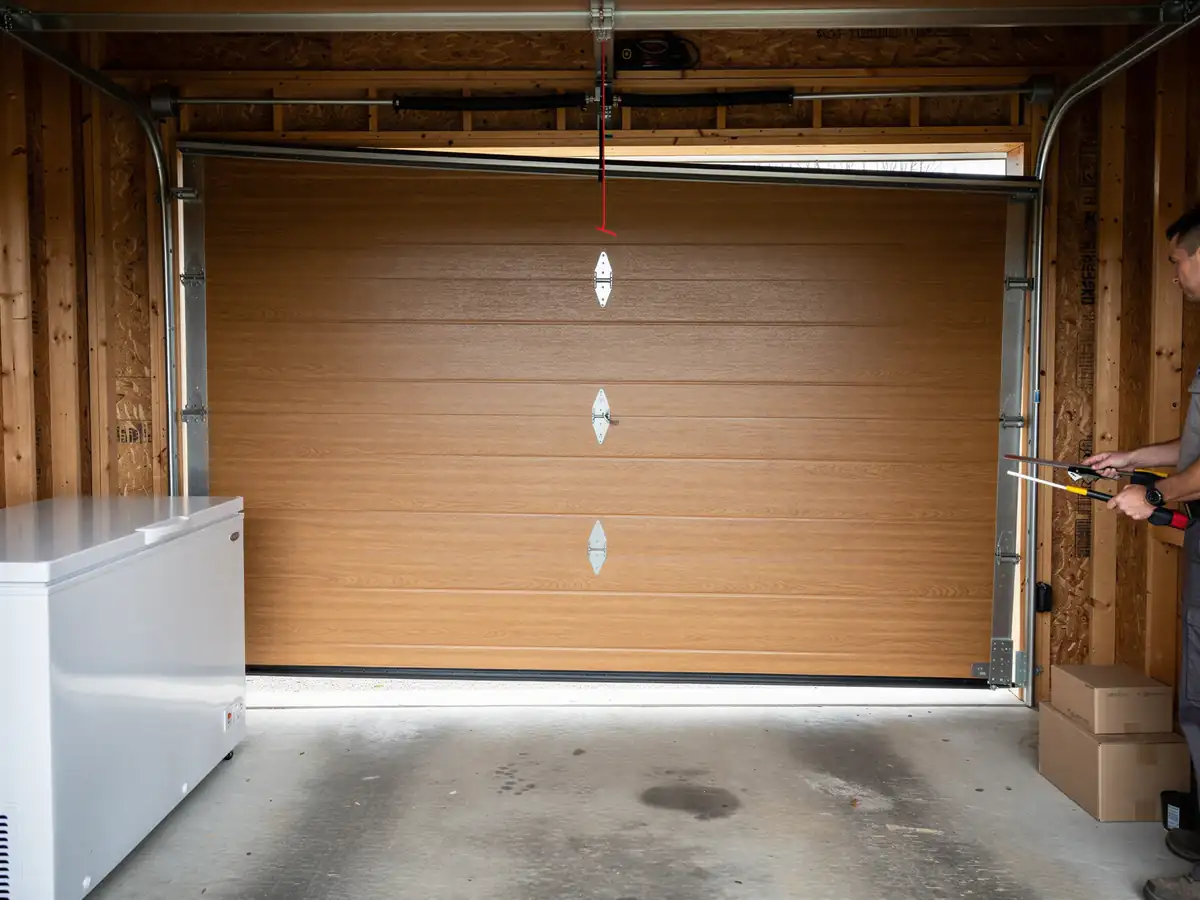
Most of what we see going wrong on panels in Dacula isn't rot or rust-through - it's impact damage. A trailer hitch, a basketball, a kid learning to parallel park. That's the fault pattern you get when a house went up after 2000 instead of 1965: steel sectional doors with factory baked-on finish, not the older wood composite panels that soak up moisture and swell at the bottom section first.
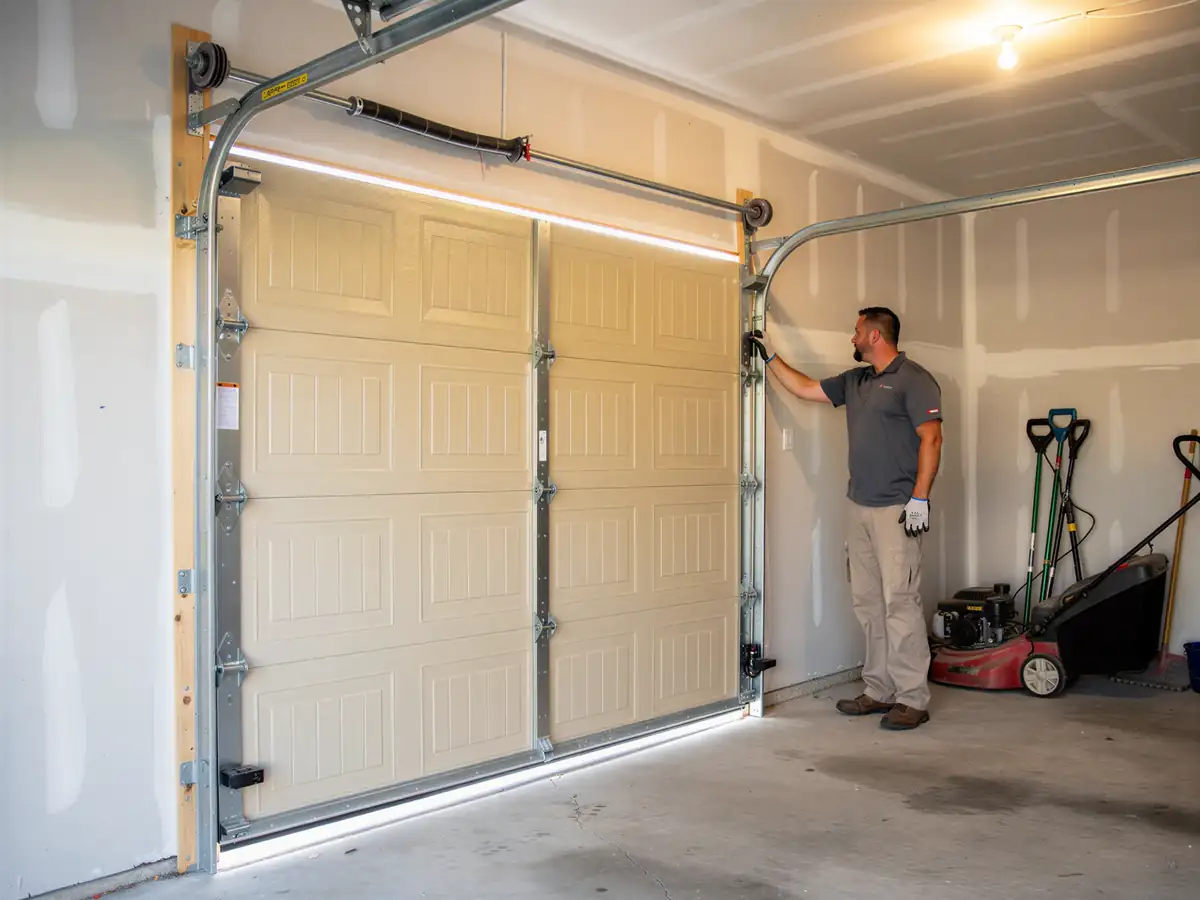
Across the wider Norcross service area, housing spans 1951 through 2012 with a median build year of 1977, but Dacula's stock skews newer - the area's own median sits around 2001. That matters for panel work because newer steel sectional doors are usually insulated, with foam core sandwiched between two steel skins. A cracked or dented panel on one of these isn't a cosmetic patch job; the insulation value and the track alignment both ride on that panel sitting flush. Swap one section wrong and the door racks on the next cold snap.
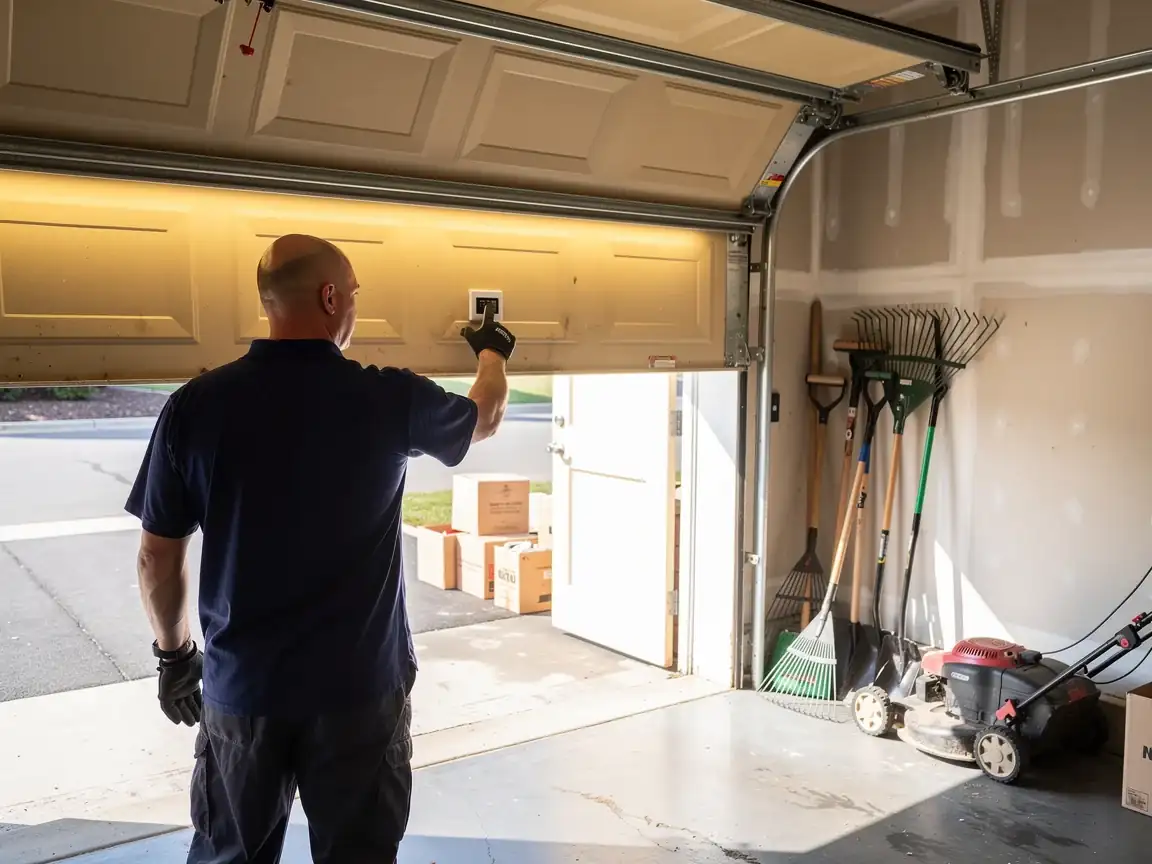
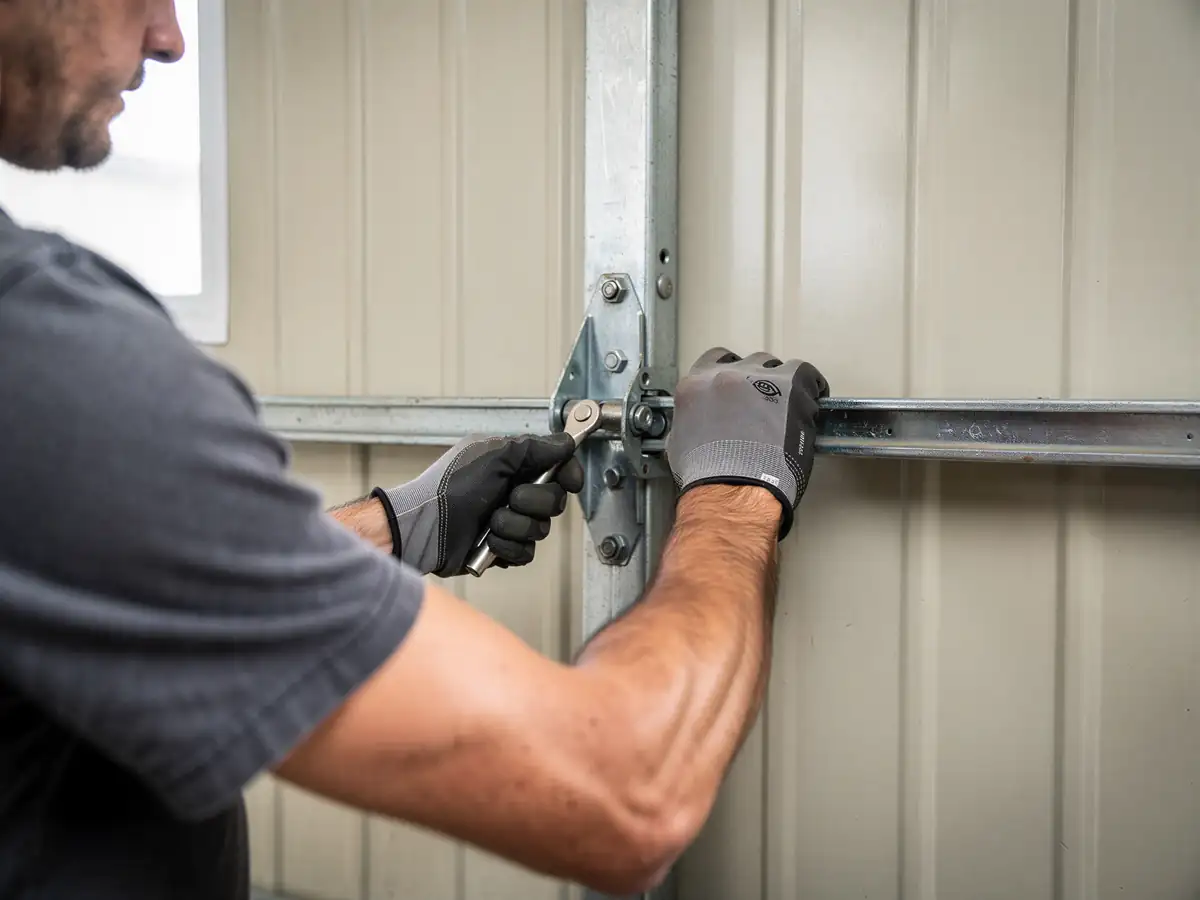
We pull the damaged section, match gauge and insulation type, and set it without disturbing the rest of the run if the hardware underneath is sound.
The DIY Question
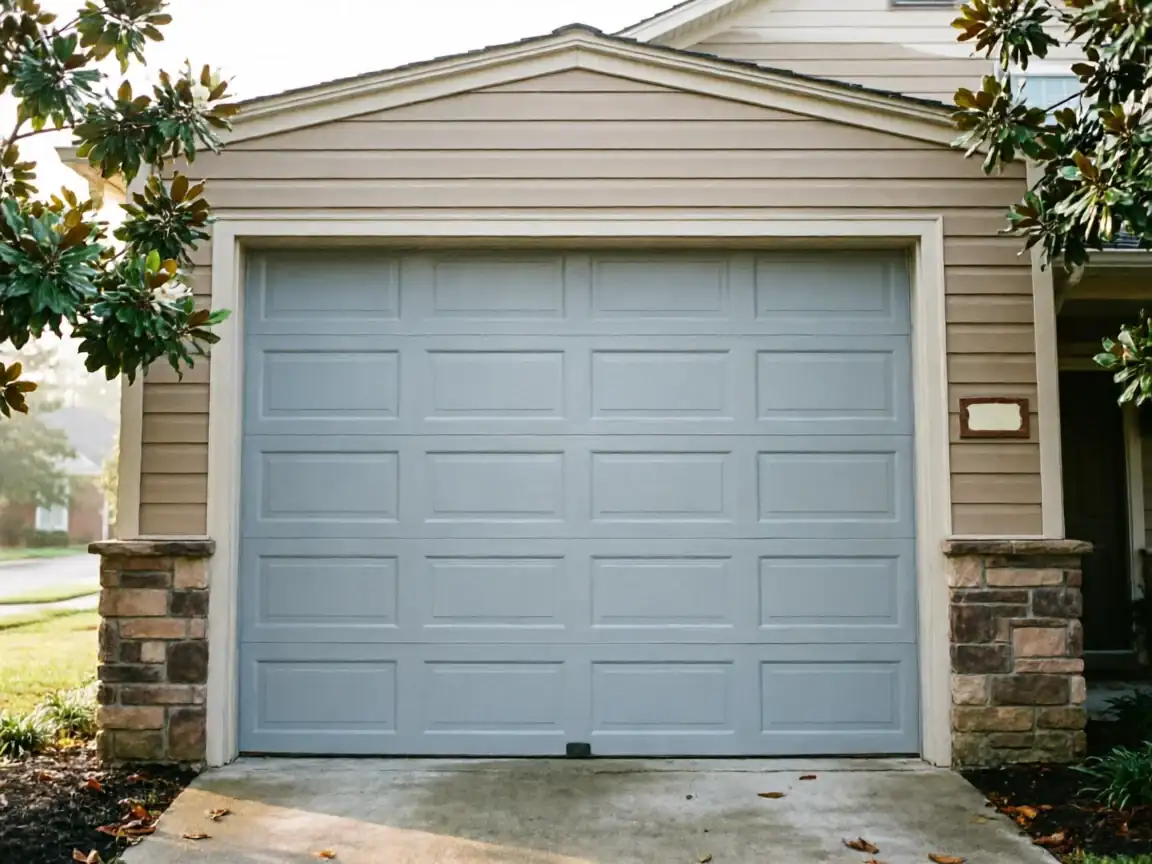
A single dented panel on a newer insulated door is one of the few garage door jobs a handy homeowner can reasonably attempt - if you can source the exact matching section. That's the catch. Steel sectional doors from builders in the early 2000s often came from a limited run of colors and rib profiles, and the manufacturer may not carry that exact panel anymore.
What we don't recommend: ordering a panel online without a model number or color match in hand, or trying to swap a bottom panel that also carries the door's bottom seal and sensor brackets. Get the match wrong and you'll see the seam, and on an insulated door you'll feel the draft. Given the area's winters are categorized as a cold moderate climate, that seal gap isn't just a cosmetic miss - it's a real temperature loss through the garage into whatever room sits above or beside it.
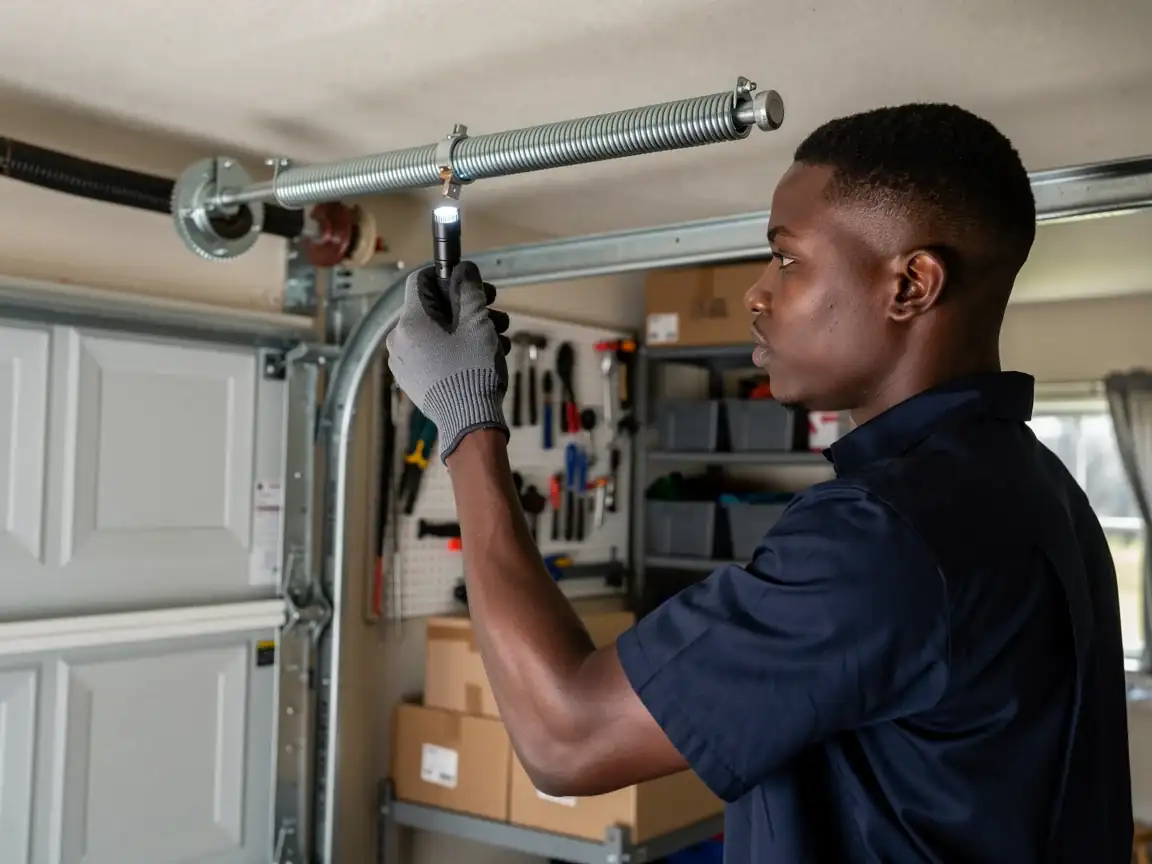
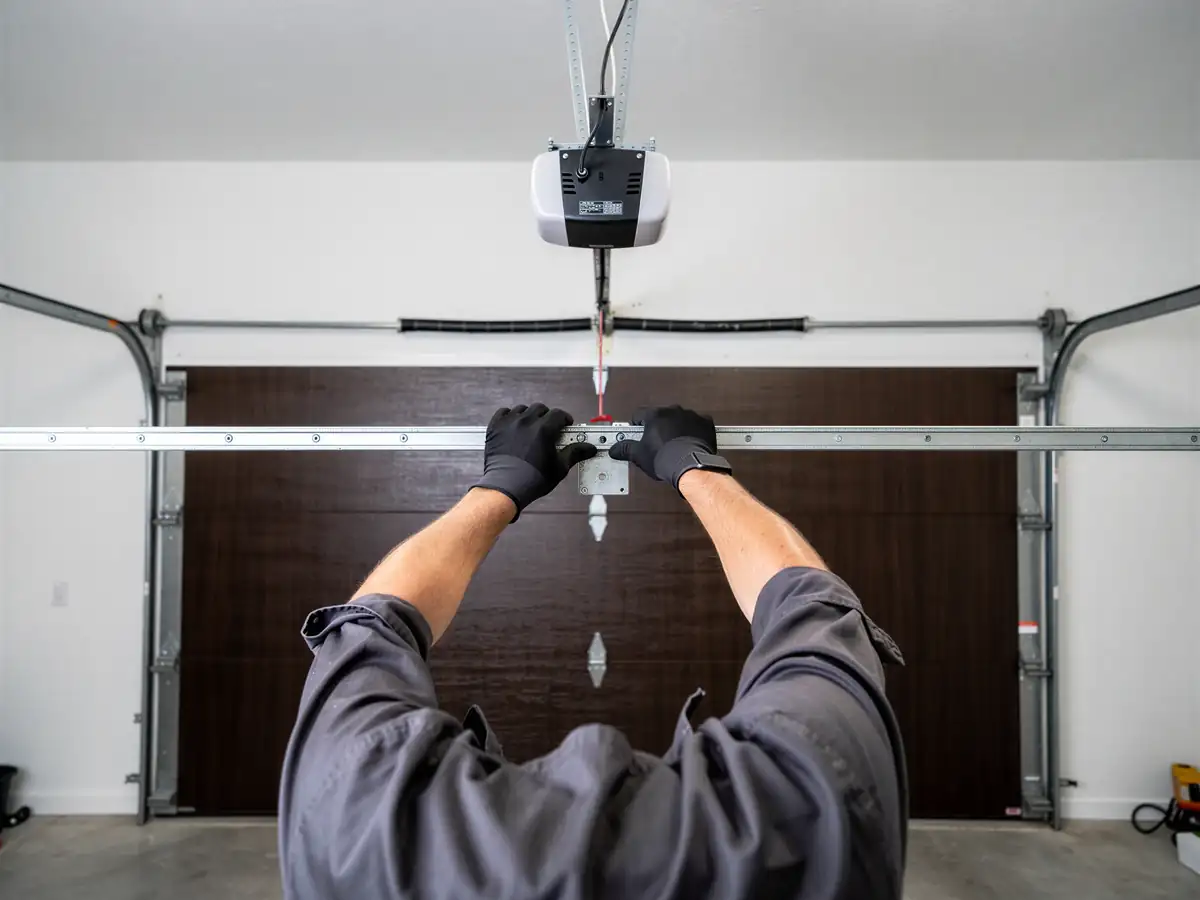
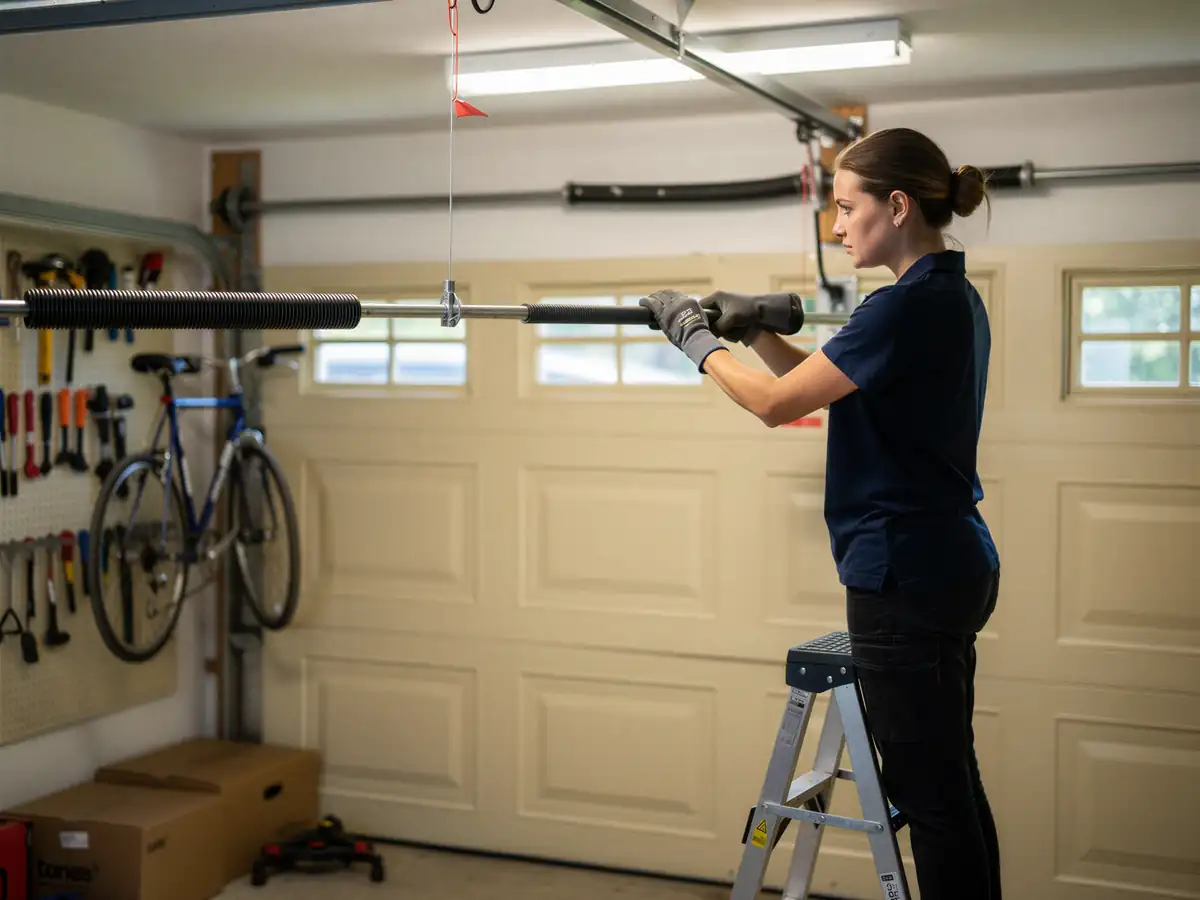
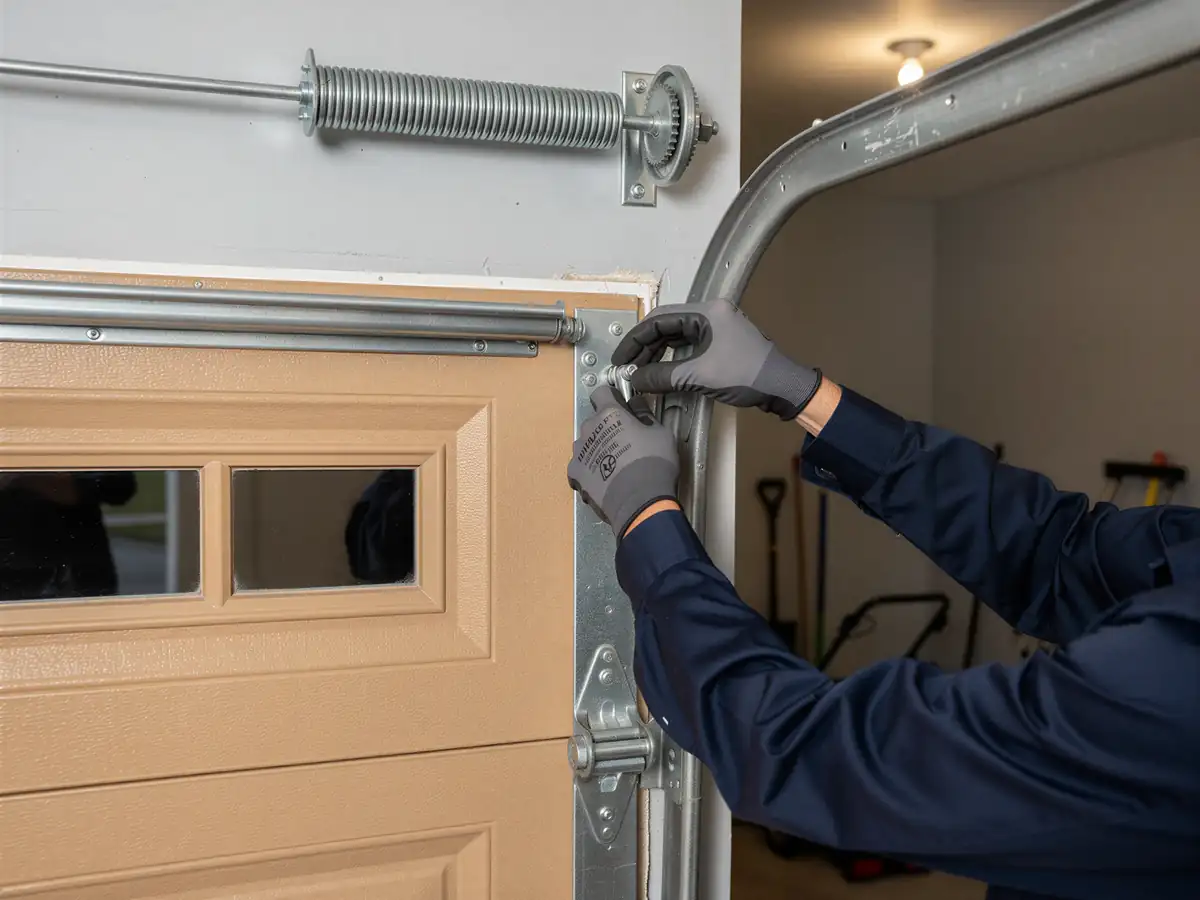
If it's a top or middle panel with no hardware mounted on it, and you've got the exact part number, it's a reasonable weekend job. Anything involving the bottom section, torsion springs, or an opener bracket - call it in.
Booking a Visit
We run out of Norcross, about 18 miles from Dacula
So we don't keep a standing crew parked in town - we schedule the trip when we book the job, same as we would for a door across the county line. That distance doesn't change the parts we bring or the work we do once we're there; it just means we plan the visit rather than showing up unannounced.
- 18 miles
When you call, have the door's brand and, if you can find it, the model or panel number stamped on the inside of the bottom section or on a sticker near the opener rail
With median household income in the area running around $74,900, most owners here are replacing a panel rather than the whole door - it's the more affordable fix when the rest of the hardware is sound, and we'll tell you straight if that's not the case for your door.
We'll confirm the panel style before the truck leaves Norcross so we're not guessing on-site
Stocked Parts
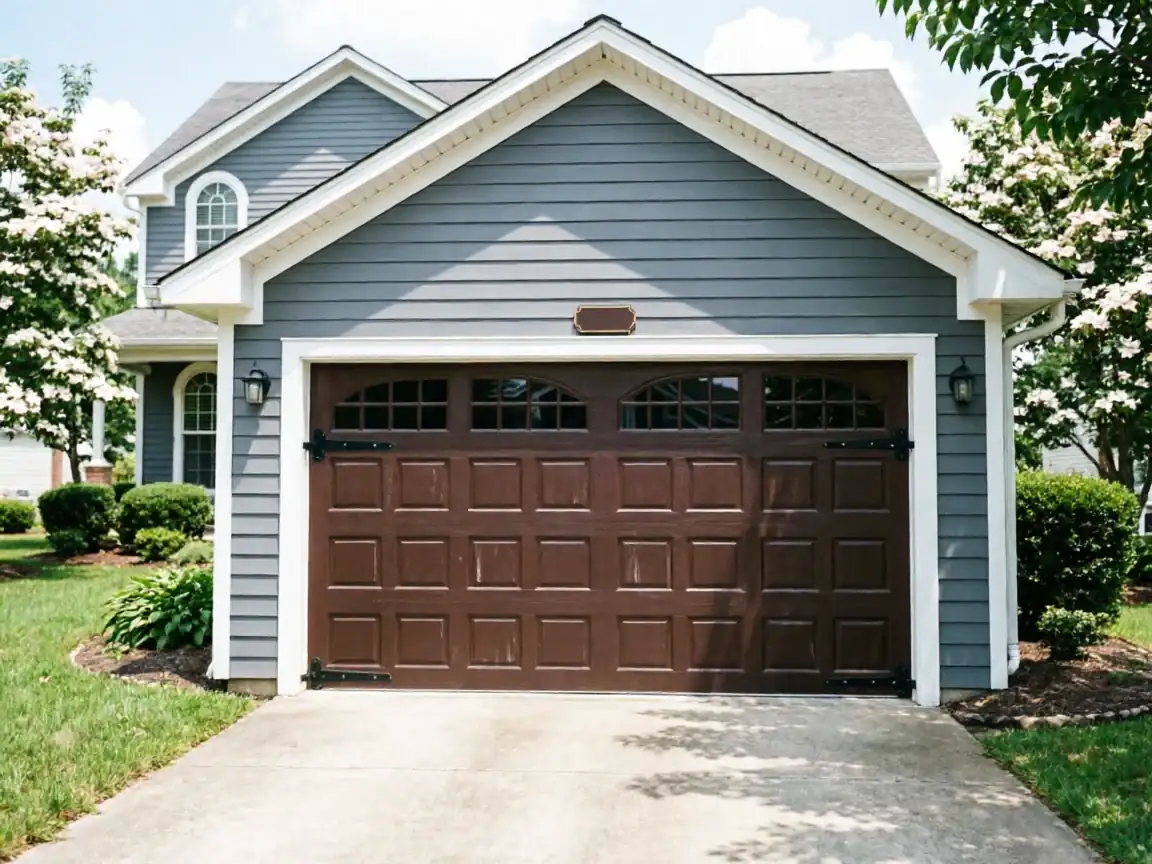
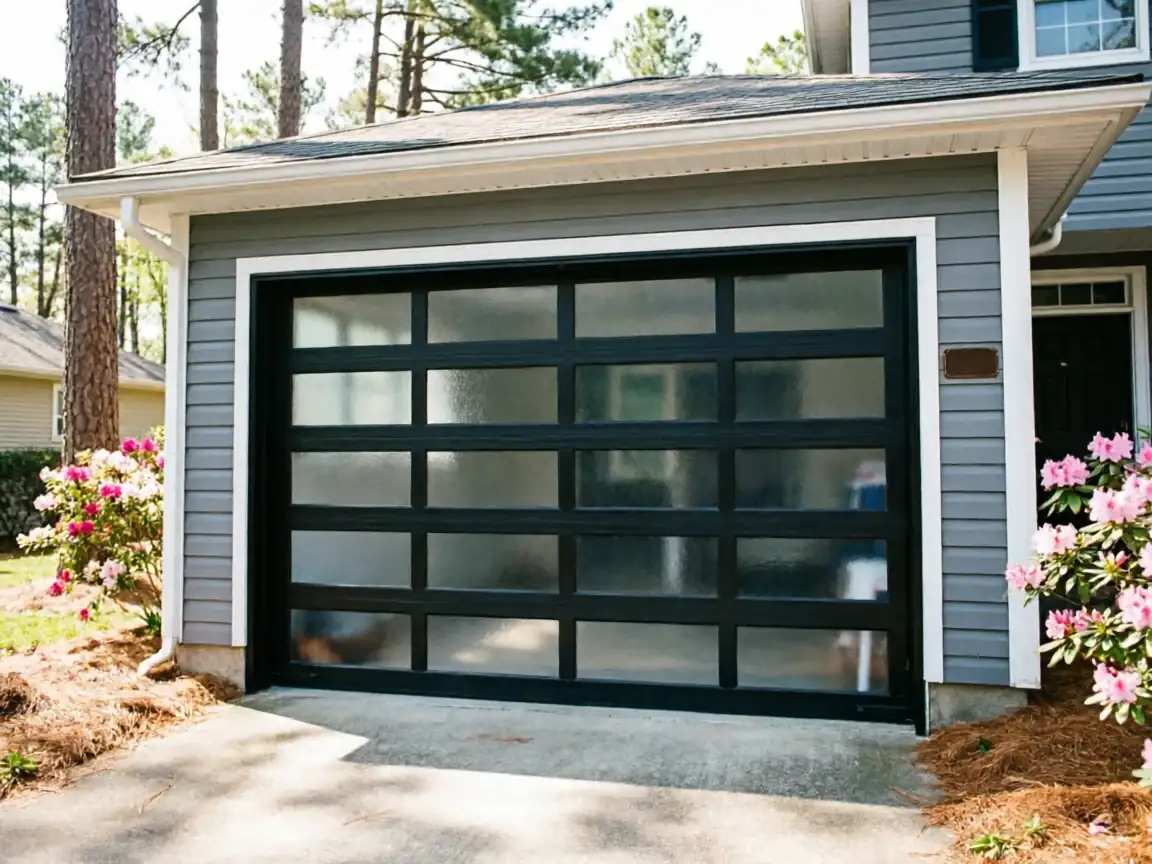
We carry common steel sectional panel sizes and a handful of popular finishes on the truck, which covers a lot of the newer construction in Dacula built in that post-2000 wave. What we don't stock is every builder-grade color and rib pattern that went into developments twenty years ago - those runs get discontinued, and matching one exactly sometimes means a special order with a real wait on it.
If your door is part of that 2,223-household stretch of newer construction in the area and the panel color is an uncommon one, we'll say so on the first visit rather than promising a same-day fix we can't deliver. We'd rather tell you the part's on back-order than hang a mismatched panel and have you stare at it every time you pull in.
For doors that are more wear than impact - rollers, hinges, weak springs - that's a different job, and worth mentioning if your panel call turns up more than one issue once we're looking at the door in person.