What the Repair Takes
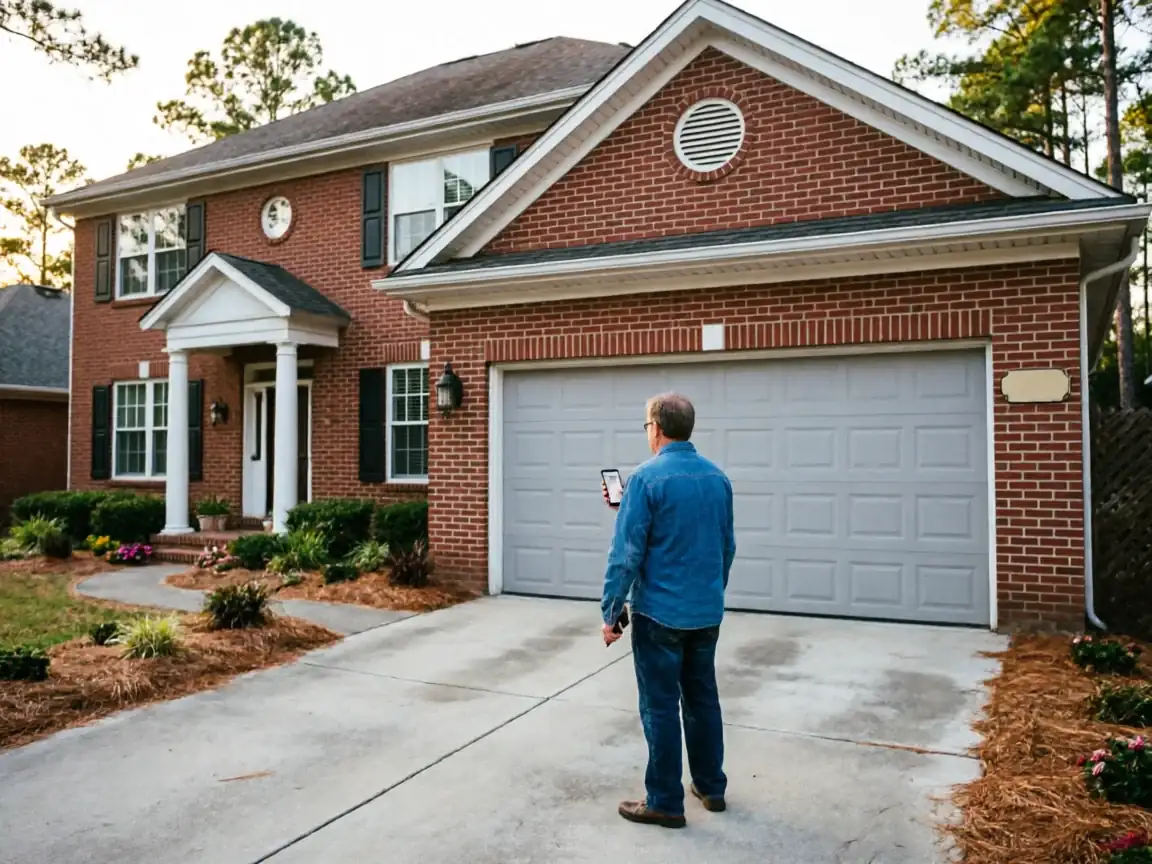
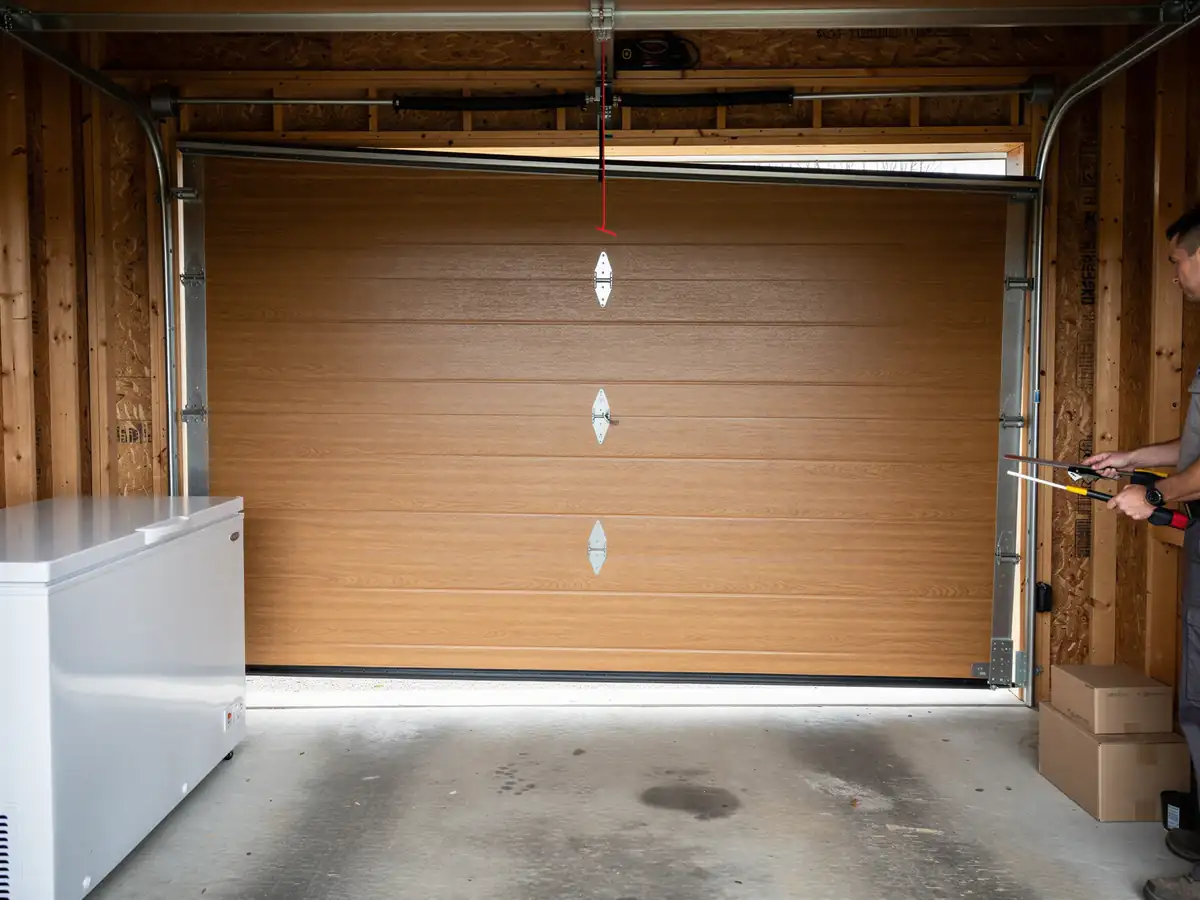
Dacula sits about 18 miles out from our Norcross shop, so a new-door job here gets scheduled as a block of time, not a drop-in. That drive shapes how we quote it: we confirm opening size, track type, and whether you're keeping the opener before the truck leaves, because a wasted trip costs you a day you didn't need to lose.
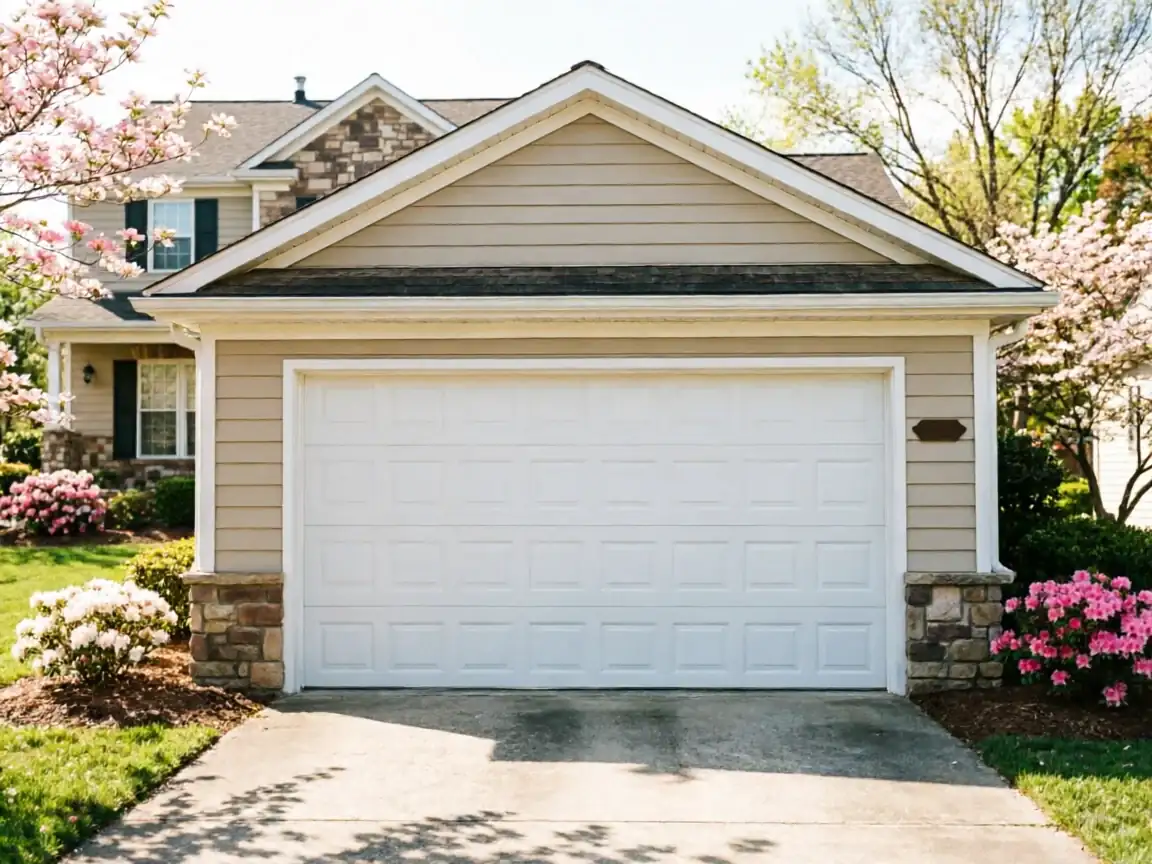
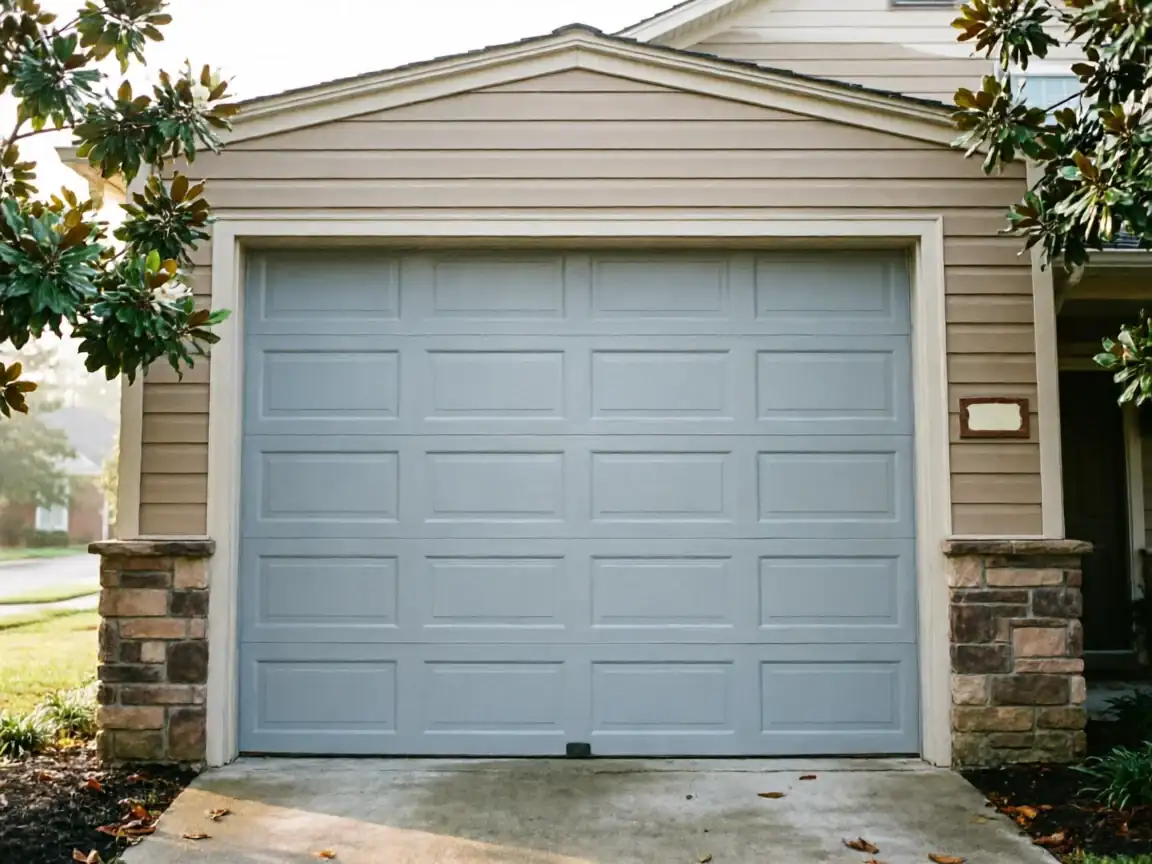
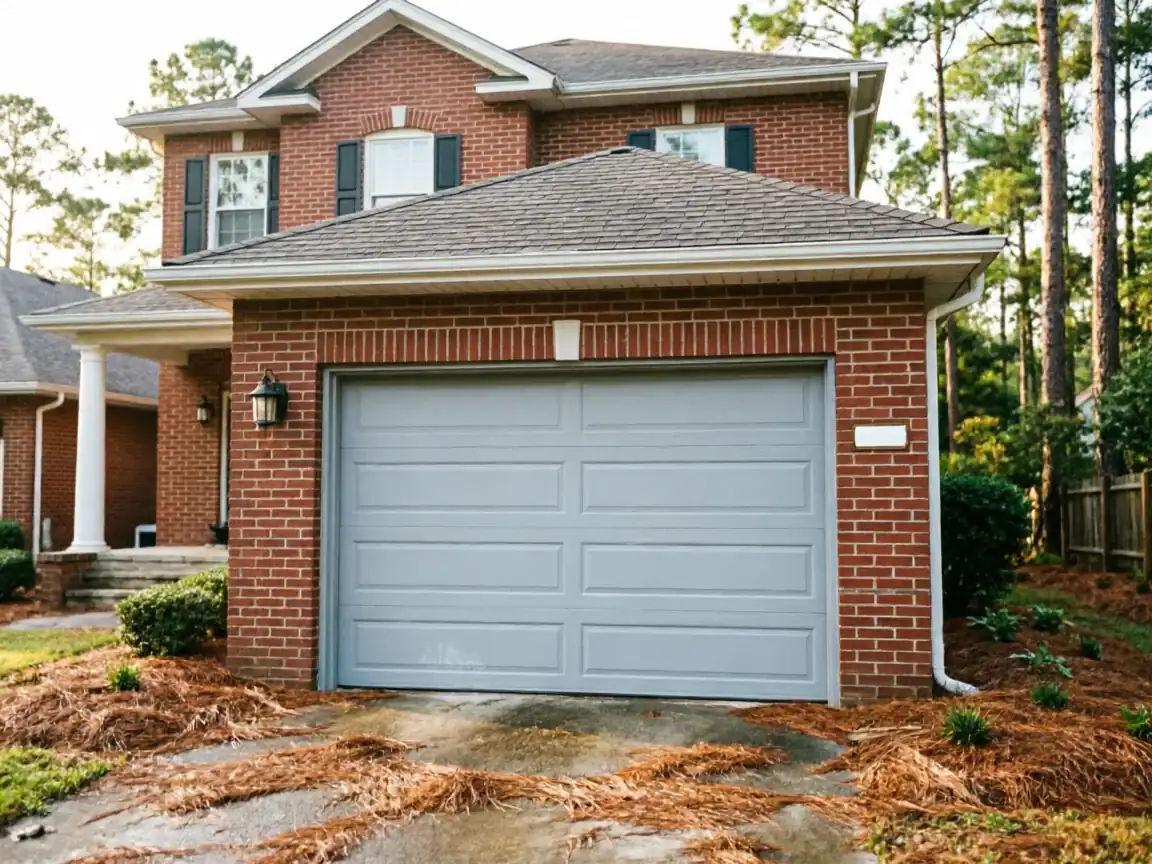
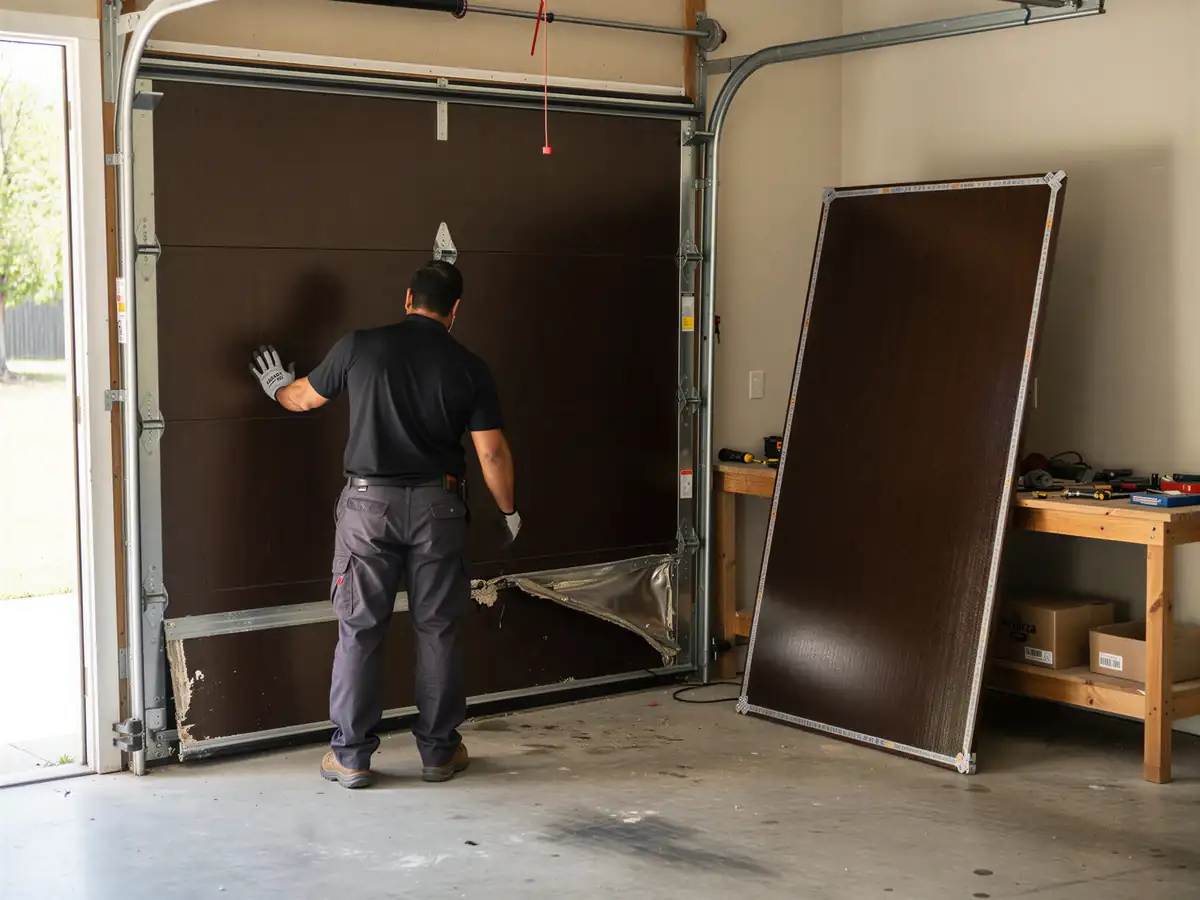
The houses out this way are newer than most of what we see closer in. Median year built across our broader service area runs to 1977, with most of that stock going up in the 1960s and 70s. Dacula's housing is mostly 2001 and later. That means you're less likely dealing with a warped wood door on old steel track, and more likely replacing a builder-grade steel door that's hit 20-plus years: original rollers worn oval, a stock opener motor that's outlived its gears, insulation that was never there to begin with.
For new installs, that's actually simpler work than retrofitting a 1970s frame. The opening is usually square, the header's sound, and we're not fighting decades of settling. The main call we make on site is door weight and insulation value against a real cold-moderate winter - not just swapping in whatever's cheapest.
The DIY Question
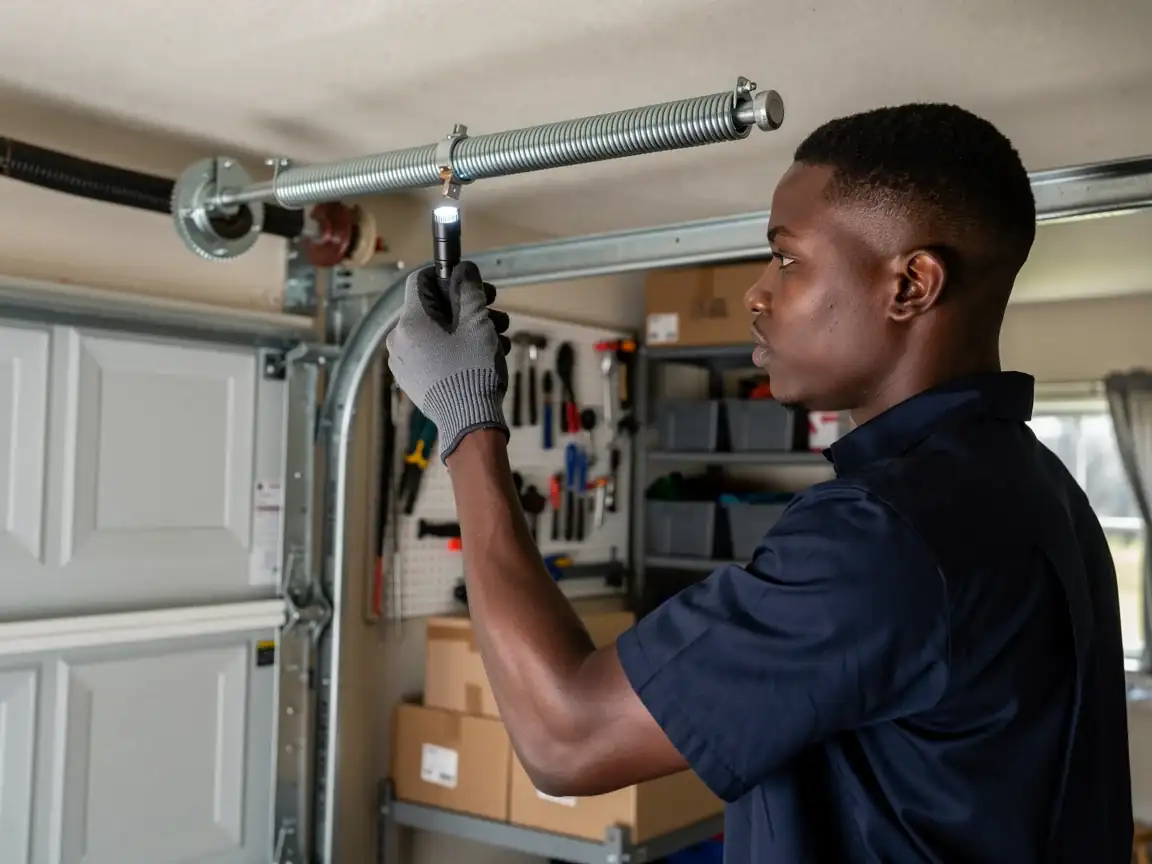
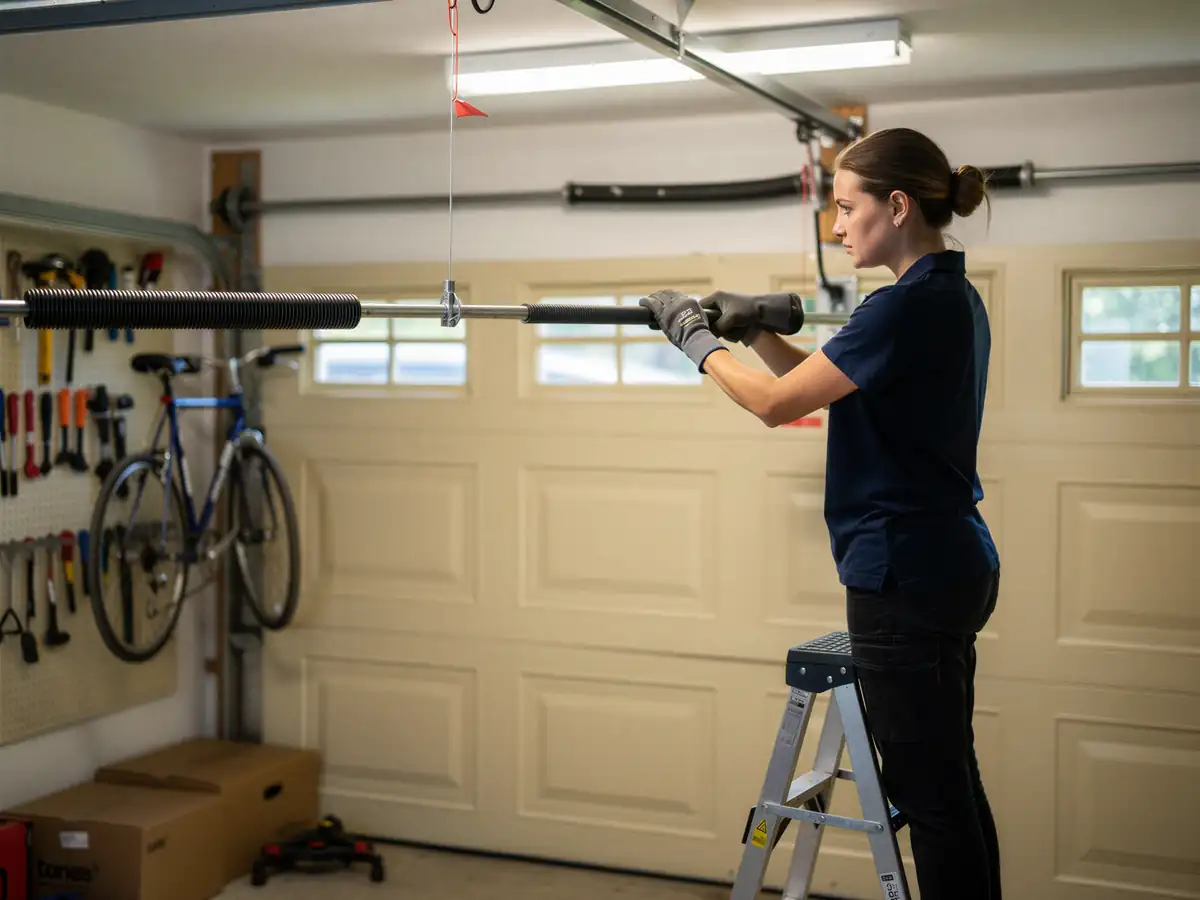
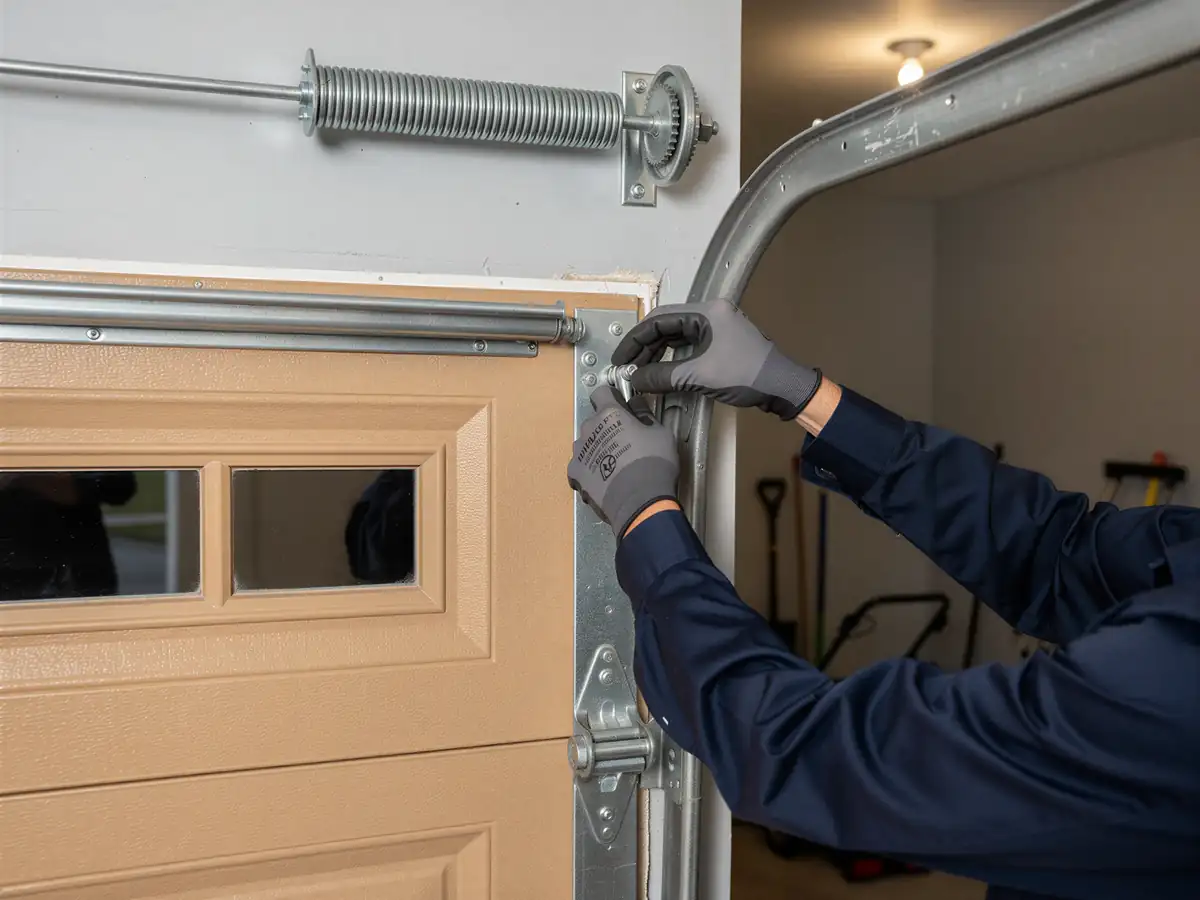
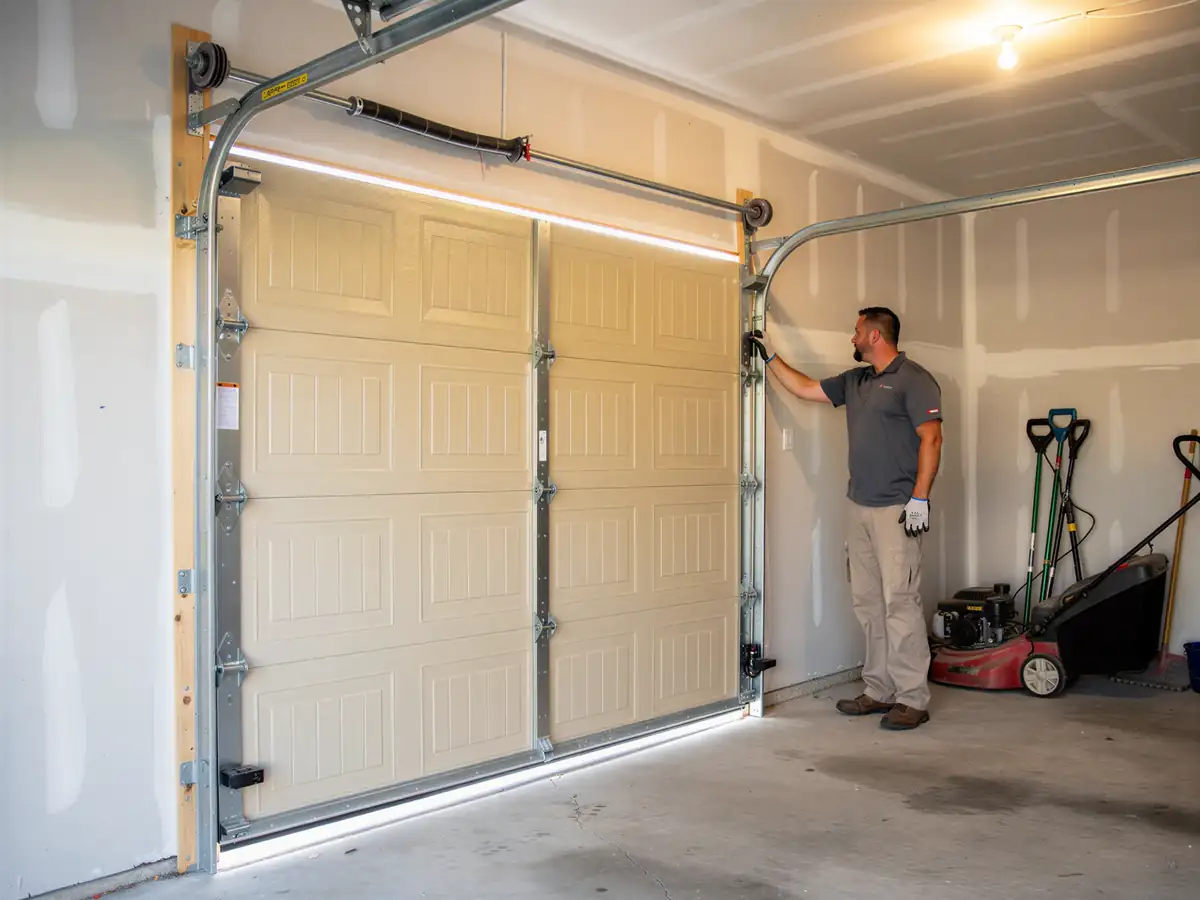
A lot of newer-build double doors you'll find out here are the lightweight steel panel kind, and some homeowners look at a kit door and figure it's a weekend job. Spring tension is the part that bites people. A torsion spring on a double door is wound under enough force to break a bone or worse if the winding bars slip, and that risk doesn't go down because the house is newer.
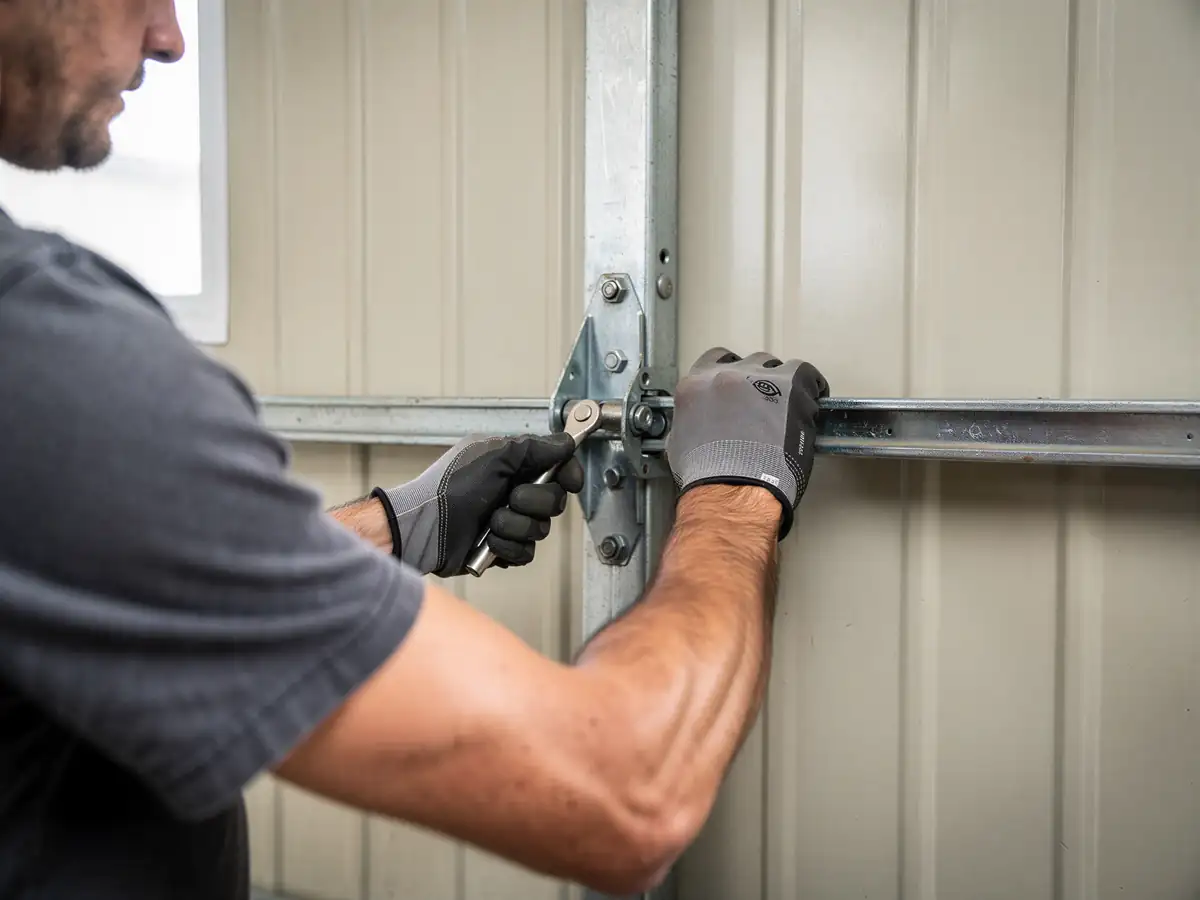
Where we think DIY is reasonable: swapping weatherstripping, lubricating rollers and hinges, replacing a remote. Where we don't: anything that touches the spring system, the cable drums, or resetting track on a door that's over roughly 7 feet tall - double doors especially carry enough spring force that a mistake there is not a minor one.
If you're set on handling the install yourself and just want the door and track sourced, say so when you call. We'll tell you straight whether it's a job we'd do or one we'd pass on helping source parts for, because not every job is worth the trip out.
Booking a Visit
Because we're coming from Norcross, a Dacula installation gets booked ahead rather than worked in same-day
When you call, have the door width and whether it's single or double on hand - that alone narrows down whether we're bringing a standard torsion setup or something heavier for an oversized opening.
Household incomes in the broader service area sit around $73,075
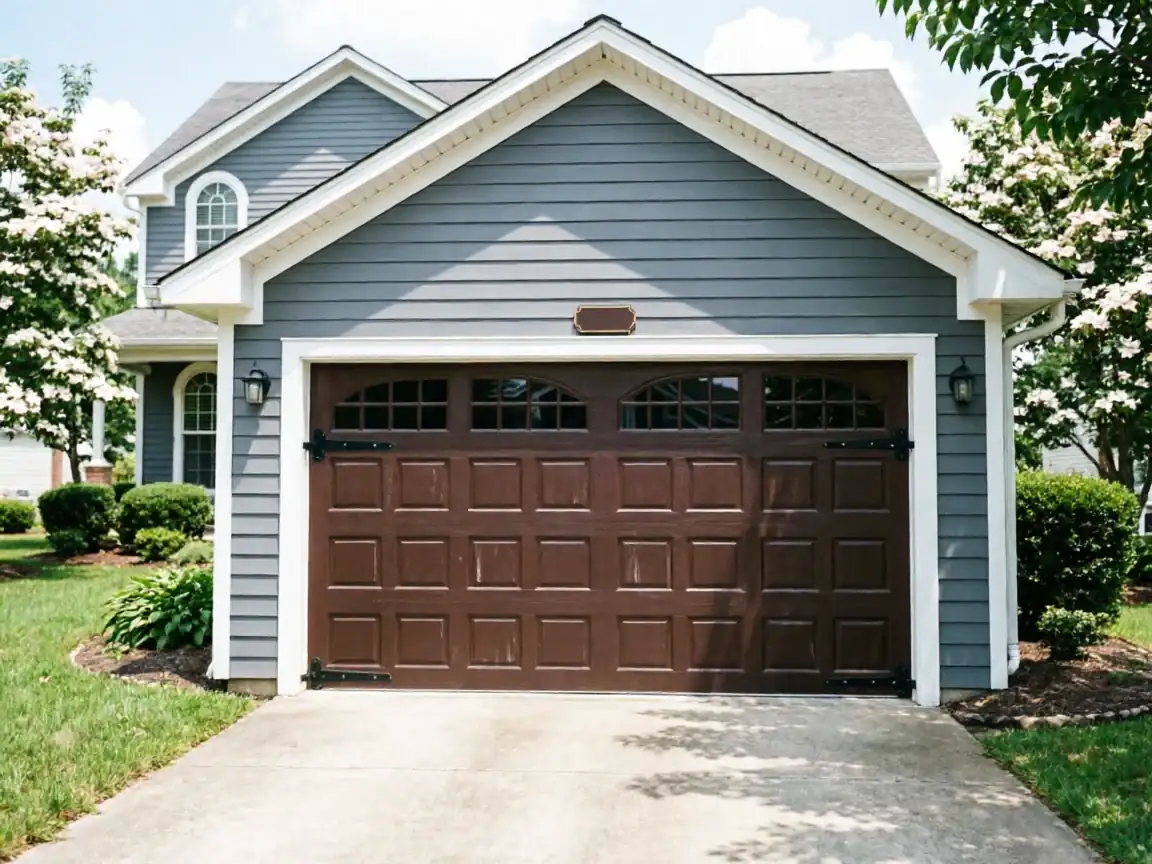
And Dacula runs a touch above that locally. We mention it only because it shapes the kind of quote conversation we have: most Dacula calls land on a mid-range steel insulated door rather than the stripped-down builder door or the high-end wood-look custom job. We'll walk you through both ends if you want them, but we're not going to push a $4,000 door on a straightforward replacement.
One limit worth saying plainly
Because of the distance, we don't offer a same-day emergency swap out here the way we might closer to the shop. If your old door is stuck wide open and the house isn't secure, we'll talk through a stopgap over the phone while we get a visit on the books.
Stocked Parts
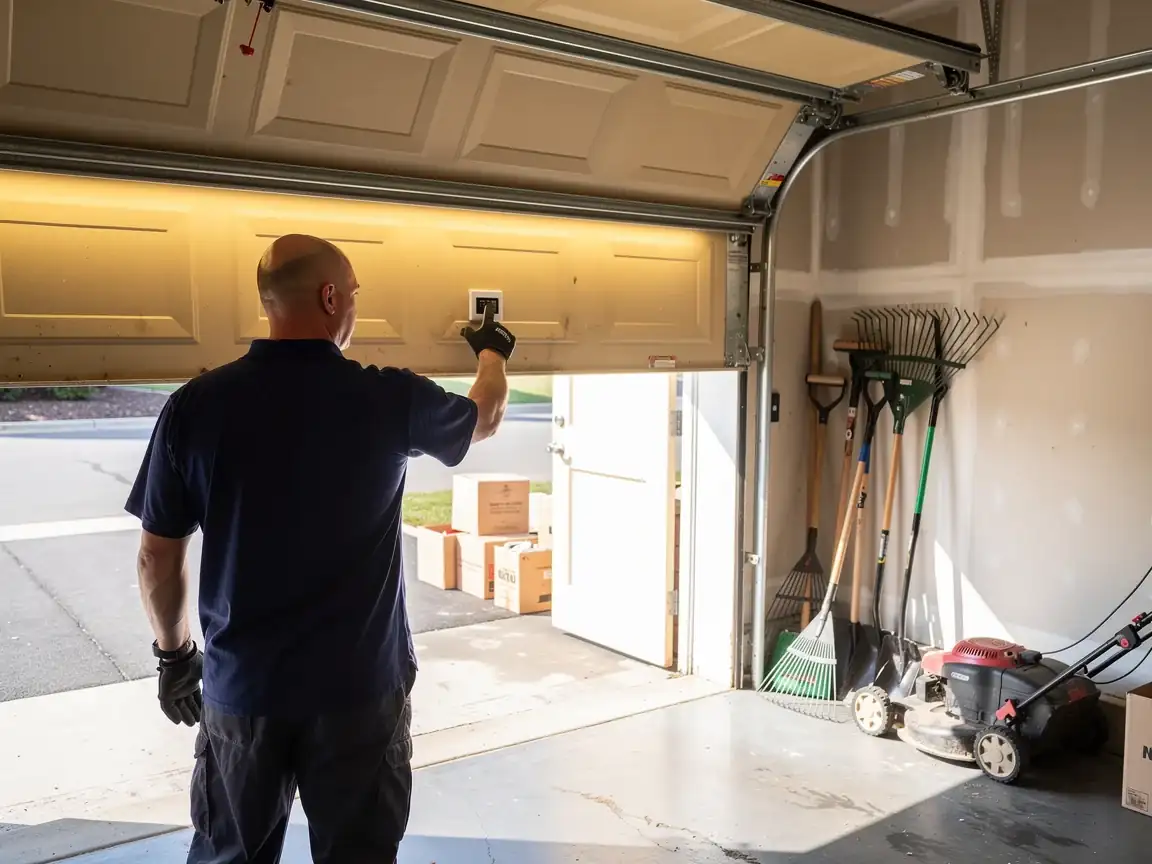
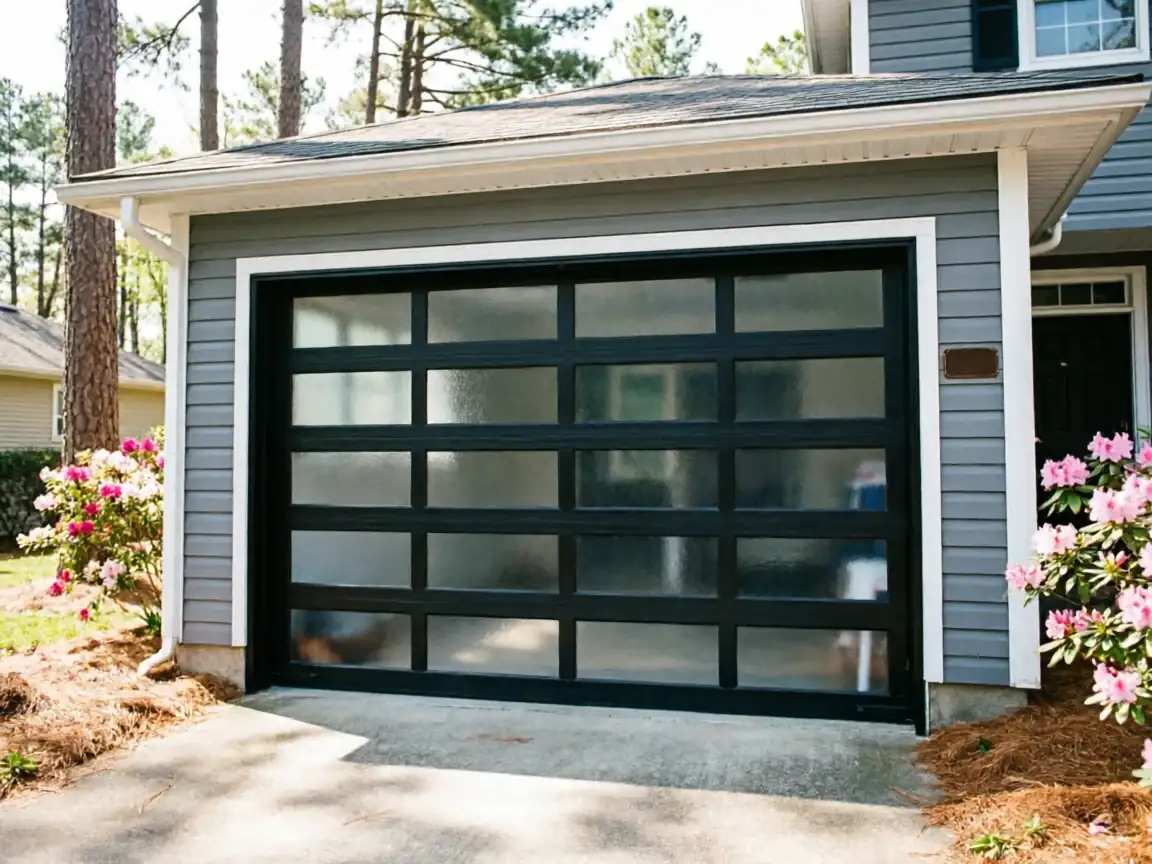
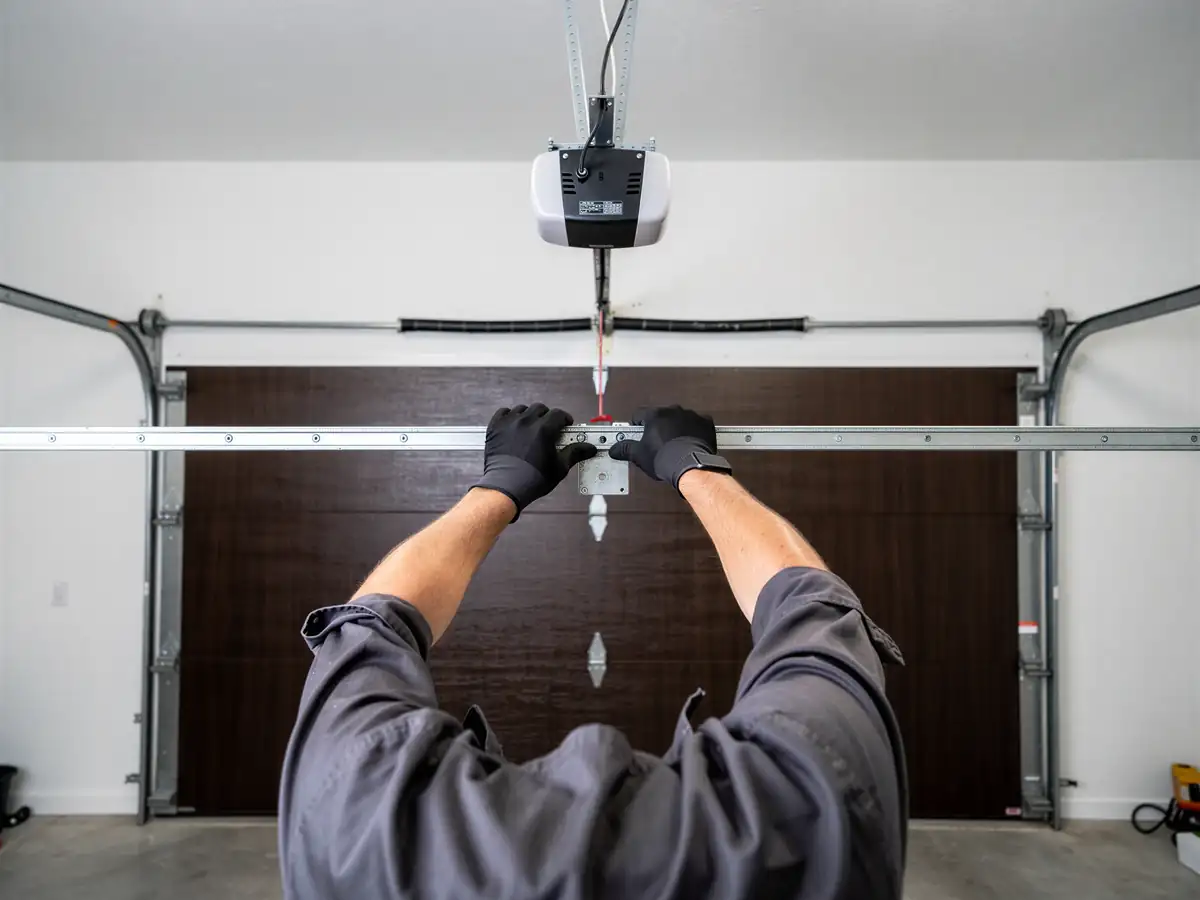
We carry the common torsion springs, standard track sections, and universal opener units on the truck, which covers most of what a straightforward new install needs without a special order. Where it slows down is specialty sizing - oversized doors, non-standard headroom, or a door style that isn't one of the common steel lines - because that has to come from the supplier rather than off the truck.
Given that Dacula's housing mostly dates to 2001 and later, openings here tend to be standard modern sizes, which works in your favor: less chance of hitting a special-order wait than you'd get retrofitting an older frame. Cold-moderate winters are the other thing we stock for - insulated panel doors and bottom seals rated for that, rather than the bare uninsulated option some builders used originally.
If a part does need ordering, we'll tell you that on the first visit, not after you've waited for a install date that can't be kept. We'd rather say "this one takes two weeks" up front than promise a date we'll miss.